Establishing a Relationship with a China Secondhand Automobile Supplier
Building a successful partnership with a China secondhand automobile supplier begins with thorough research. Identifying reliable suppliers is essential, as the market is flooded with options. Begin by evaluating the supplier’s reputation through online reviews, testimonials, and industry recommendations. A well-established supplier will have a proven track record and positive feedback from previous clients, which can provide insight into their reliability and service quality.
Direct communication is key. Establishing a rapport with potential suppliers allows you to discuss your specific needs and expectations. Effective communication can clarify any doubts and build trust, which is vital in B2B transactions. Ensure you are clear about your purchasing volume, types of vehicles required, and any other specific criteria you may have.
Assessing Inventory and Quality Standards
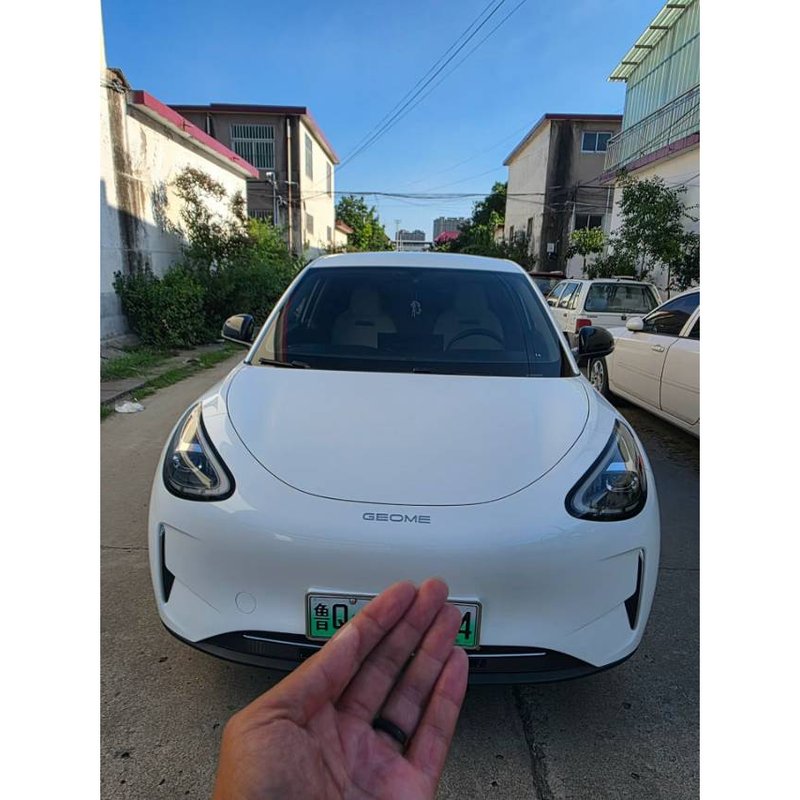
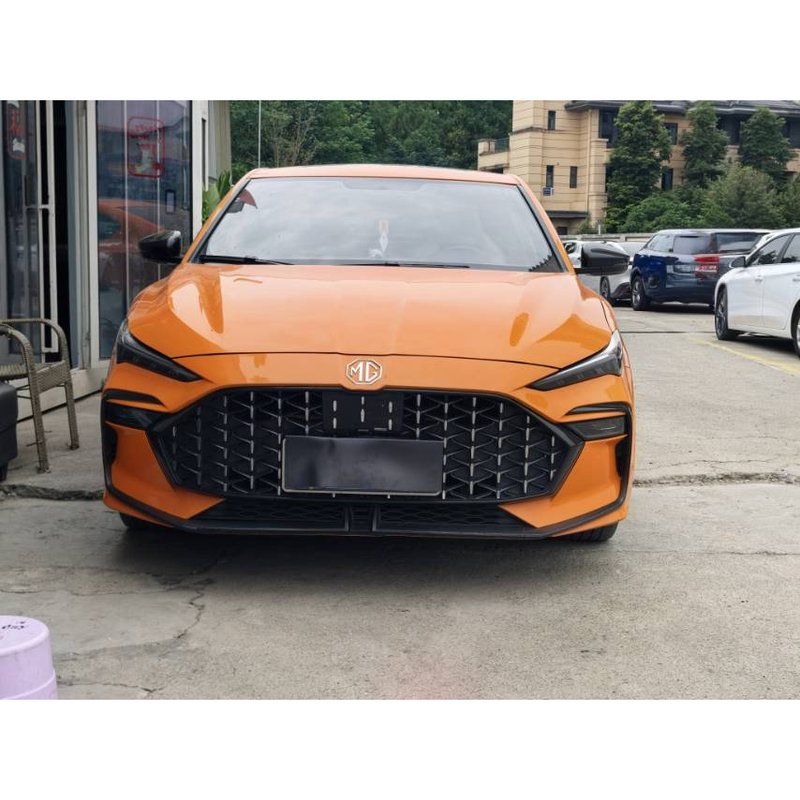
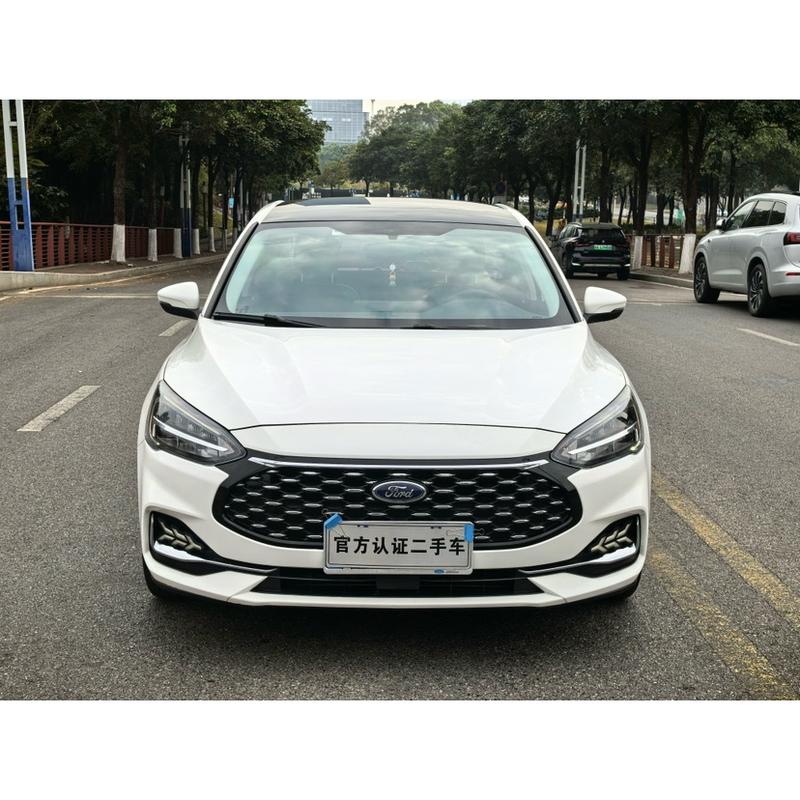
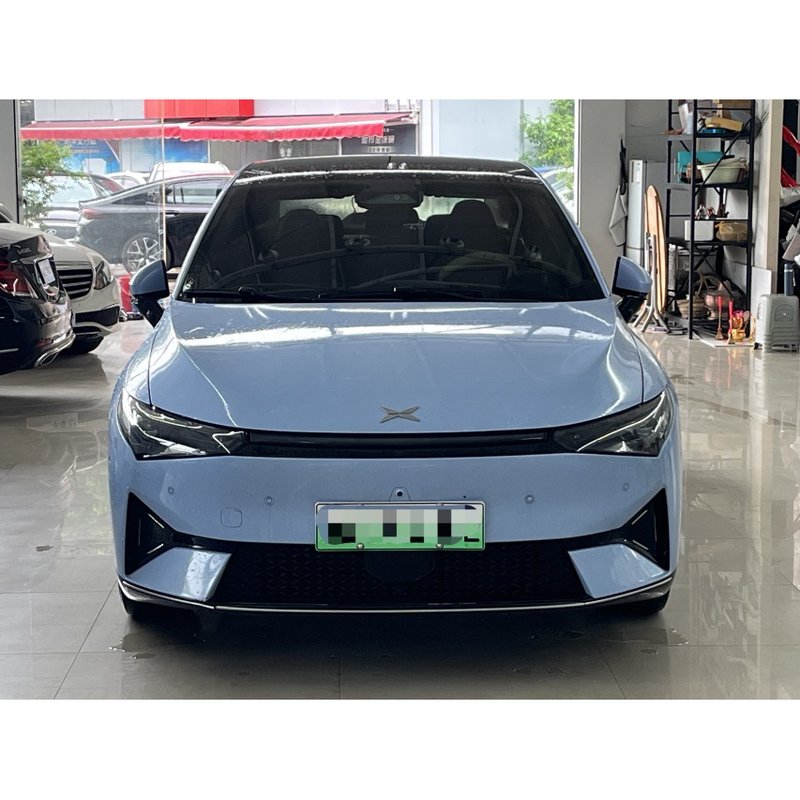
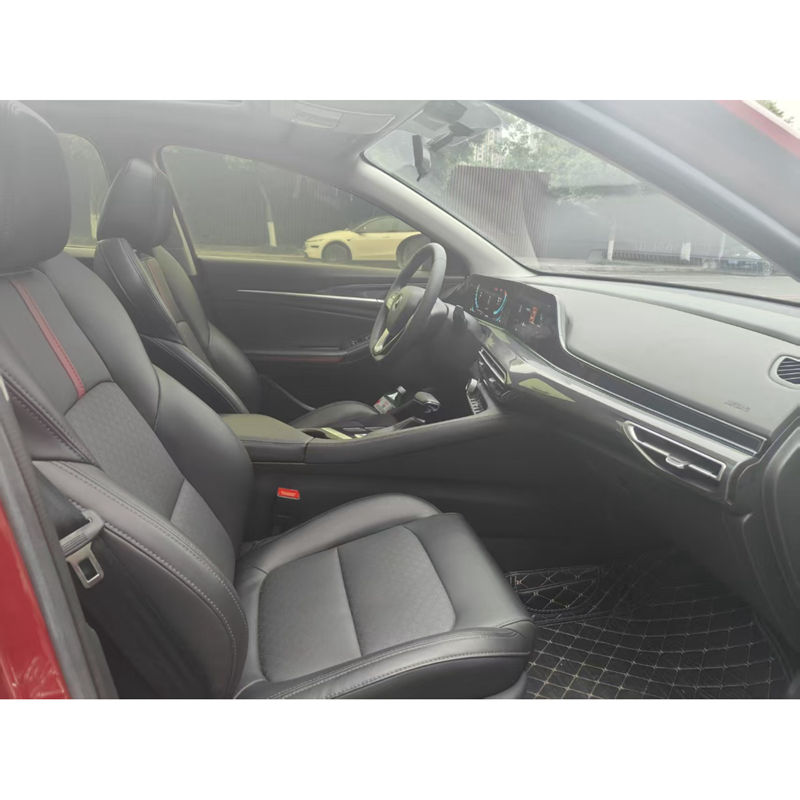
When collaborating with a China secondhand automobile supplier, assessing their inventory is crucial. A supplier with a large sourcing scale across China can offer a diverse range of vehicles. This variety not only helps meet customer demands but also allows for better negotiation on prices. A supplier with a fast inventory turnover indicates that they actively manage their stock, ensuring that vehicles are less likely to be outdated or in poor condition.
Quality standards must be a top priority. Ensure that the supplier adheres to stringent quality checks and has policies in place for verifying the condition of the vehicles. Inspect the vehicles yourself or rely on third-party inspections to ensure that they meet your requirements. An assurance of quality will strengthen your brand’s reputation when you sell these vehicles to your customers.
Logistics and Shipping Options
Logistics play a significant role in the import business, particularly when dealing with a China secondhand automobile supplier. Familiarise yourself with the shipping methods available, including sea freight and air freight. Sea freight is often the most cost-effective option for bulk orders, while air freight may be suitable for smaller, urgent shipments.
Be aware of the import regulations in your country, as well as any tariffs or duties that may apply. A reliable supplier should be knowledgeable about these regulations and can assist you in navigating the complexities of international shipping. Understanding these logistics will help you to plan better and avoid unexpected costs or delays.
Negotiating Fair Pricing and Terms
Negotiating terms with a China secondhand automobile supplier is an essential step in ensuring profitability. Given the buying power that comes from volume, you may find that suppliers are open to discussing wholesale pricing. Consider the long-term relationship you wish to build; fostering goodwill can lead to better terms over time.
Discuss payment terms, delivery schedules, and after-sales support upfront. Having a clear understanding of these factors will prevent misunderstandings later on. Flexibility on both sides can often lead to a mutually beneficial agreement.
Leveraging Market Trends for Better Sales
Staying informed about market trends can significantly impact your import business. Understanding what types of vehicles are in demand can help you make informed purchasing decisions from your China secondhand automobile supplier. Pay attention to seasonal trends and shifts in consumer preferences; this knowledge will allow you to stock vehicles that are more likely to sell quickly.
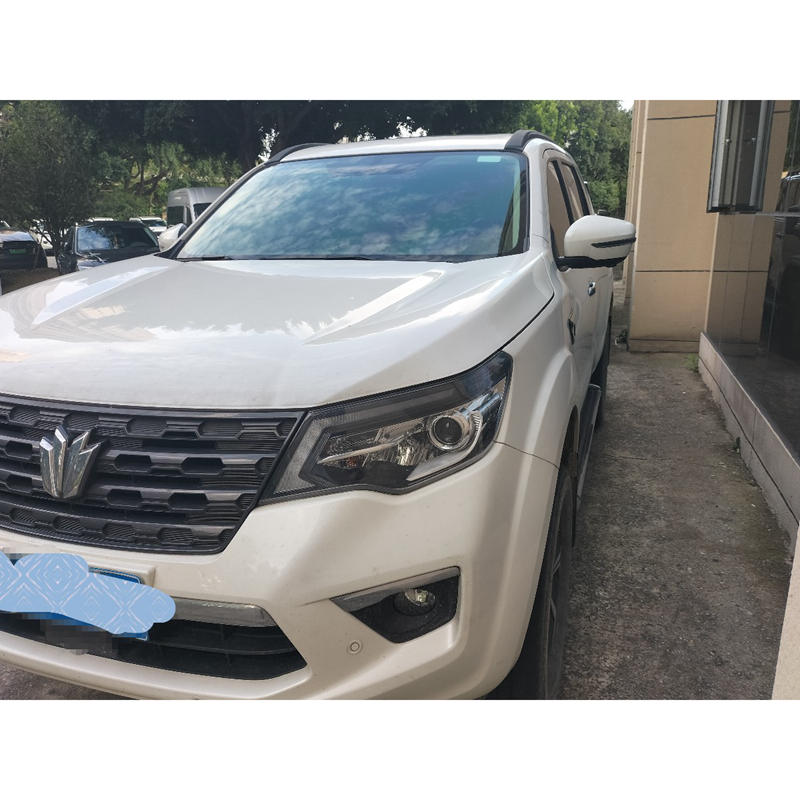
Additionally, consider utilising digital marketing strategies to promote your inventory effectively. Having a strong online presence can increase visibility and attract potential buyers, maximising your sales potential. By aligning your purchasing strategy with market demand, you can enhance your business performance while working with your chosen supplier.