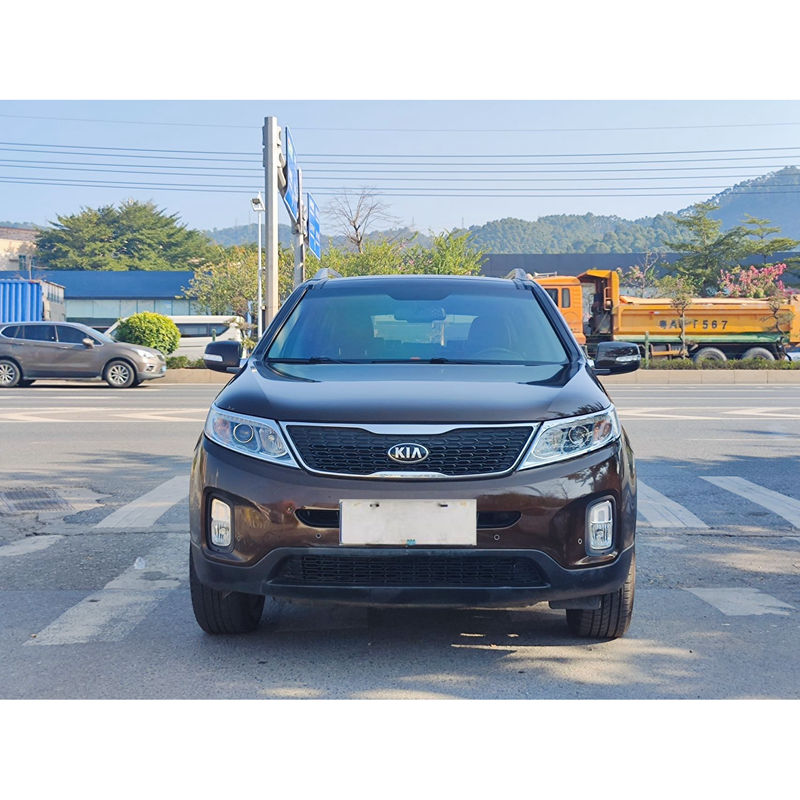
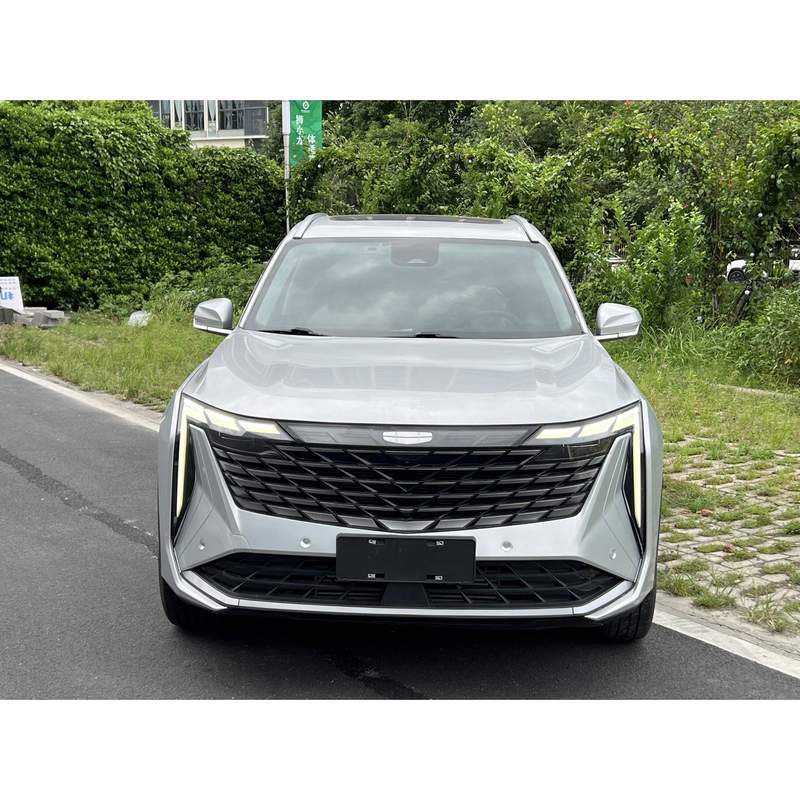
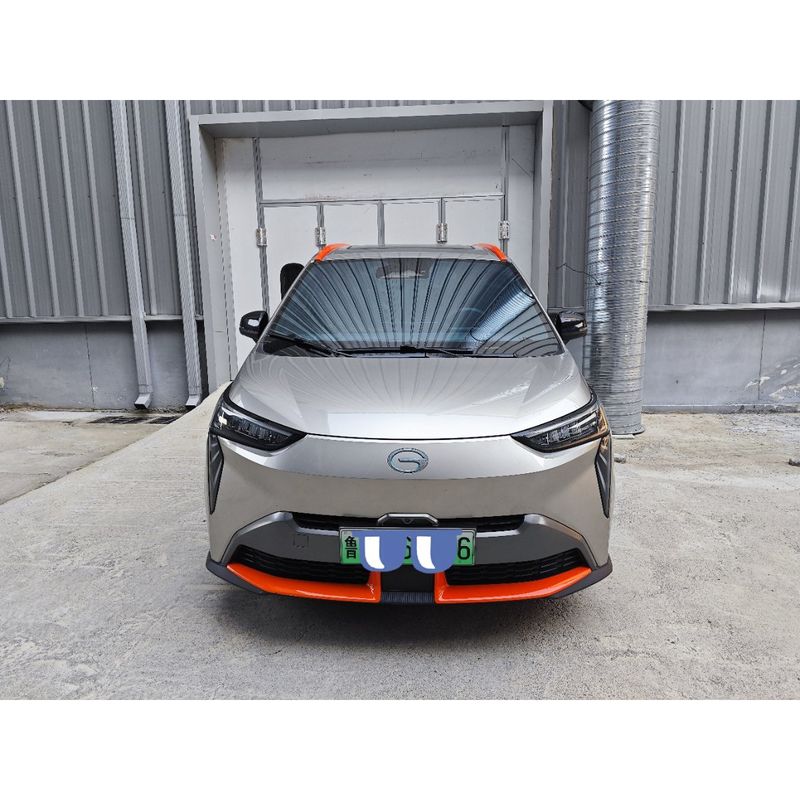
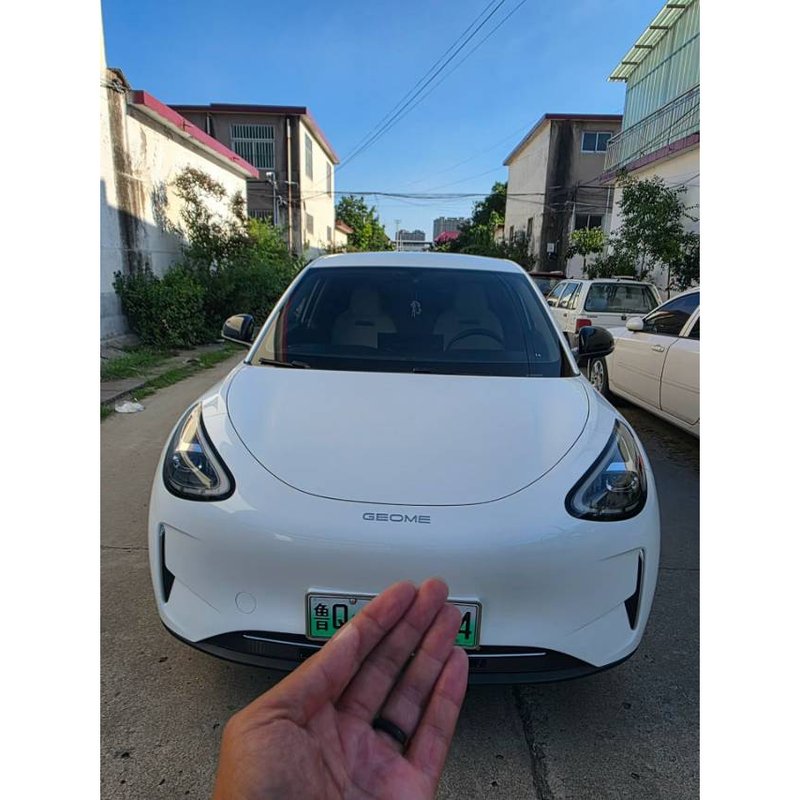
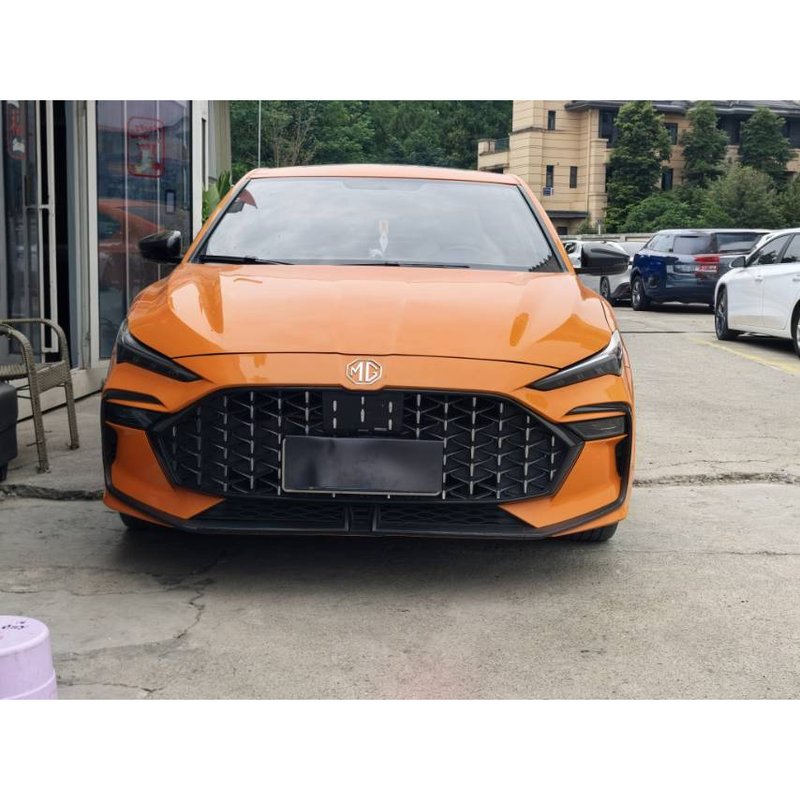
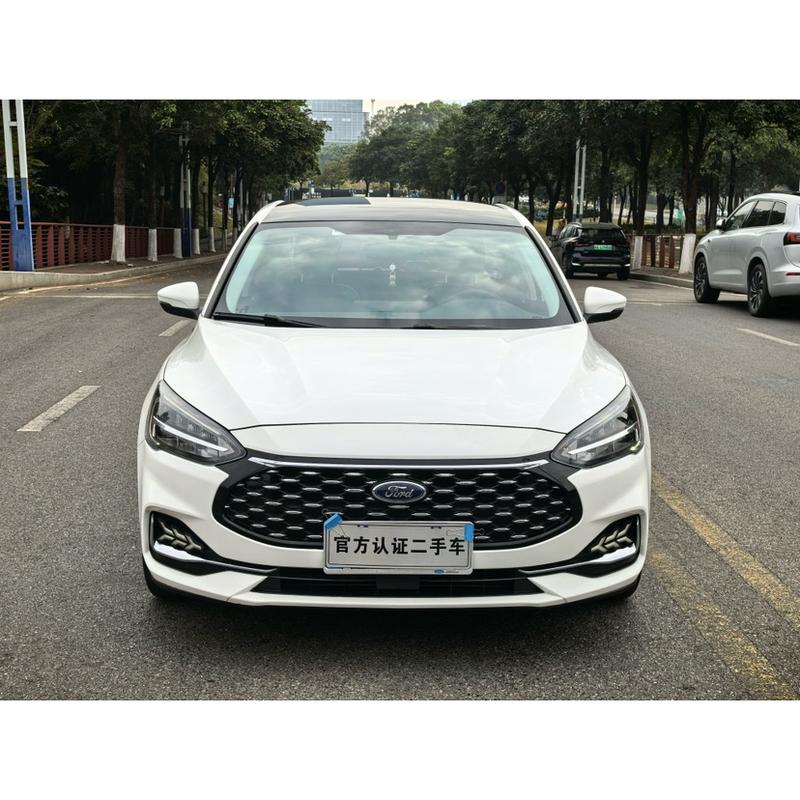
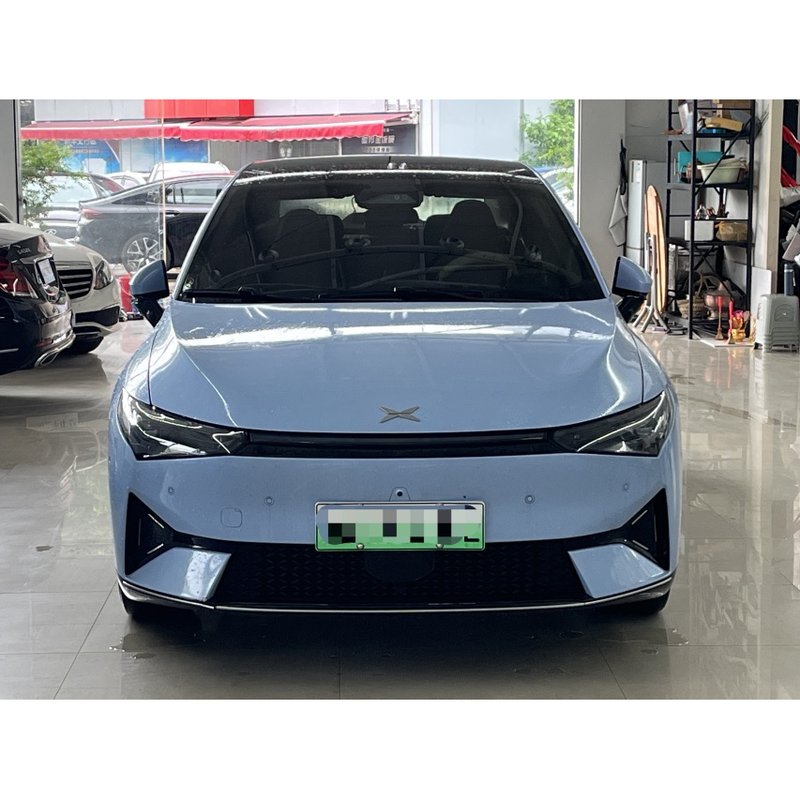
Choosing the Right 2nd Hand 8 Seater Cars
When selecting a second hand 8 seater car for family needs, it is essential to consider various factors that affect comfort, safety, and reliability. Many families require ample space for children and luggage, making the choice of vehicle critical. Popular models often include minivans and SUVs capable of accommodating larger families while providing the necessary features for long journeys. Look for vehicles with a history of reliability and positive reviews to ensure that your investment meets your needs.
In addition to space and comfort, safety features should be a priority. Advanced safety technologies, such as lane assist, automatic braking, and multiple airbags, can provide peace of mind on the road. Always check the vehicle’s safety ratings and consider how the car has performed in crash tests. By researching these factors, families can make a more informed decision when selecting a suitable second hand 8 seater car.
The Export Process of Used Cars from China
Exporting used cars from China involves several meticulous steps, beginning with obtaining a detailed quotation. This includes the price of the vehicle, applicable taxes, and shipping costs. When dealing with second hand 8 seater cars, ensure that the condition of the vehicle aligns with your expectations and that all necessary inspections have been conducted. It is advisable to work closely with a trusted exporter or dealer who can provide comprehensive details about the car’s condition and history.
Once a suitable vehicle is found, the order confirmation takes place, which involves finalising the terms and agreeing on payment. Typically, a deposit is required to secure the car before it can be prepared for export. Documentation is the next critical step. All necessary paperwork, including the vehicle’s registration, export licenses, and proof of purchase, must be collected to facilitate a smooth export process.
Documentation and Customs Clearance
Proper documentation is vital for ensuring customs clearance at the destination. This process generally includes the export declaration, bill of lading, and any governmental regulations pertinent to the shipment of used cars. Each country has its own import regulations, so it is essential to familiarise yourself with these requirements to avoid any unexpected delays. Engaging a customs clearance specialist can simplify this process, ensuring that all documents are correctly prepared and submitted on time.
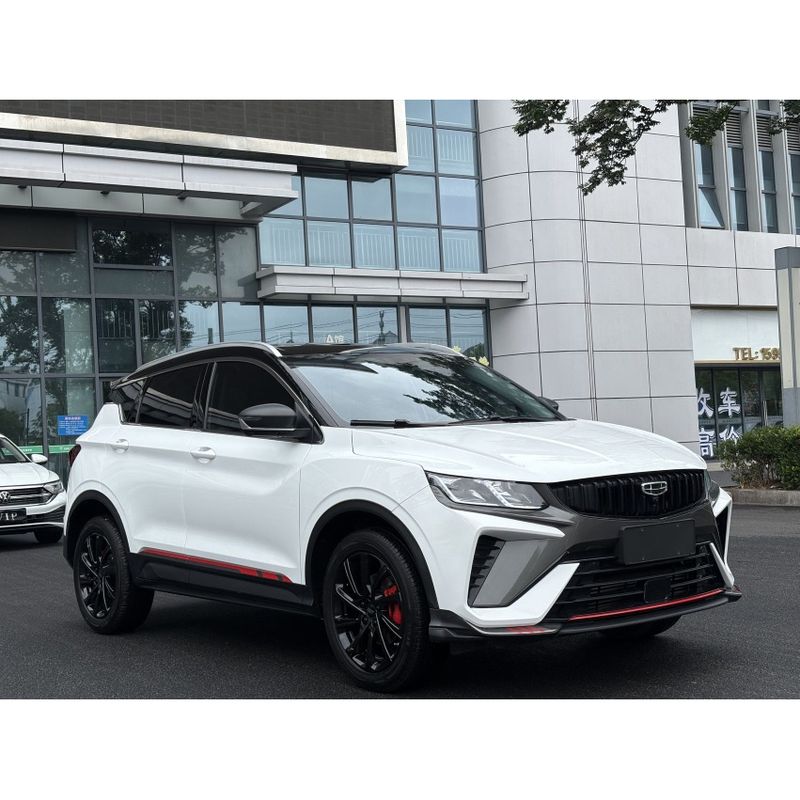
Customs clearance can be a complex stage, as different countries have varying standards for imports. Ensuring that the vehicle complies with all local regulations is paramount. Any discrepancies can lead to fines or even the car being turned back. Therefore, proactive communication with your exporter and customs broker can alleviate potential issues.
Shipping and Logistics
After the documentation is sorted, the vehicle is ready for shipping. Logistics play an essential role in the import-export process. Typically, used vehicles are shipped by container or roll-on/roll-off (RoRo) methods. The choice of shipping method can impact costs and delivery times, so it is important to weigh the benefits of each option. Container shipping offers more protection for the vehicle during transport, while RoRo is often more economical.
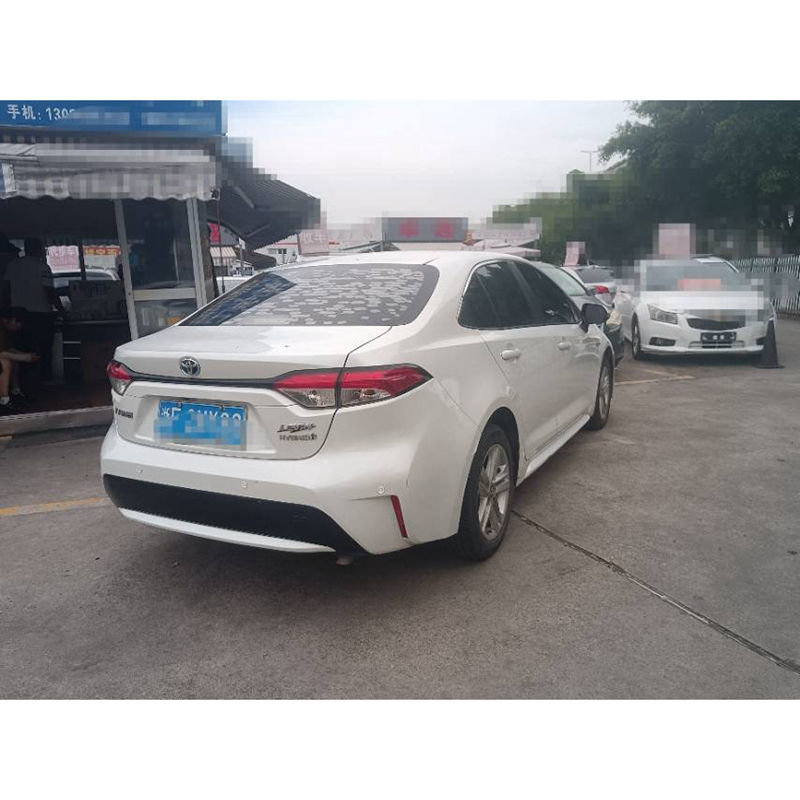
Once the shipment has departed, tracking the vehicle’s journey is crucial for peace of mind. Many shipping companies provide tracking services, allowing customers to monitor the progress until it reaches the port of destination. Upon arrival, the vehicle will undergo final inspections and customs checks before it can be delivered to its new owner.
Delivery and Post-Purchase Considerations
The final phase in the export process is the delivery of the second hand 8 seater car to the end user. Once the vehicle clears customs, arrangements must be made for transportation to its final destination. It is advisable to inspect the car upon delivery to ensure that it is in the expected condition and to address any discrepancies immediately. This is particularly important as issues may arise during shipping, even with the best precautions in place.
After acquiring the vehicle, families should consider regular maintenance to keep their second hand 8 seater car running smoothly. Knowledge of local mechanics and parts suppliers can be beneficial. Additionally, staying informed about recalls and safety notices related to the vehicle model will enhance safety and reliability in the long run. Investing time in these post-purchase considerations can significantly enhance the ownership experience and ensure the vehicle meets the family’s needs for years to come.