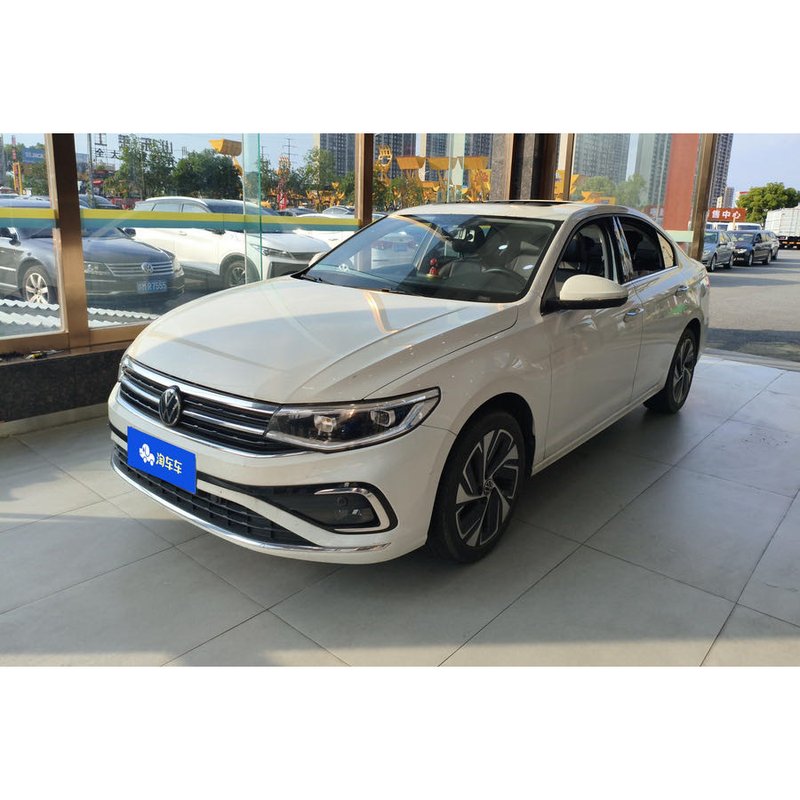

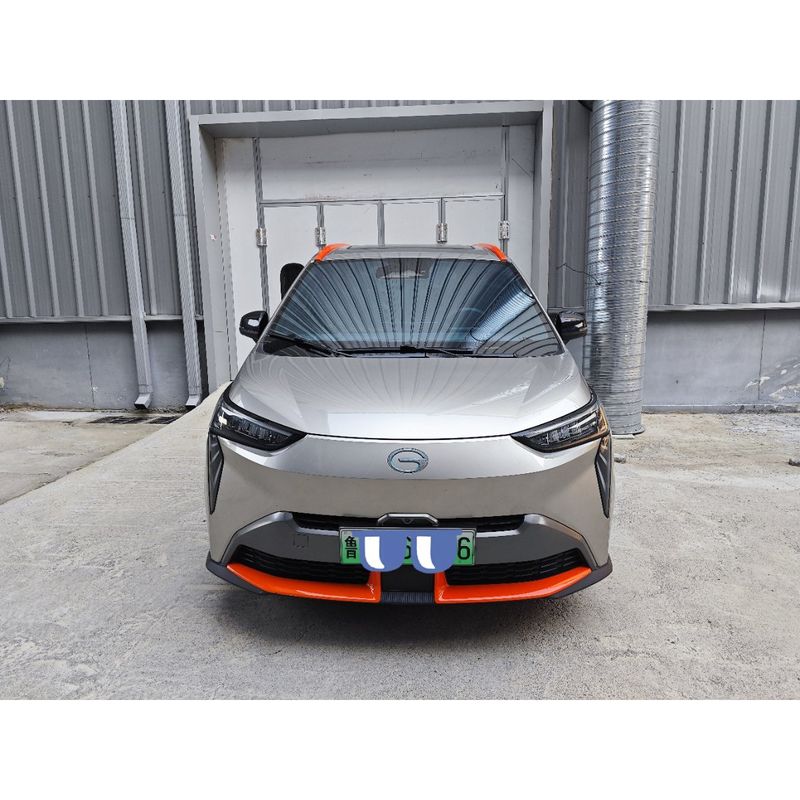
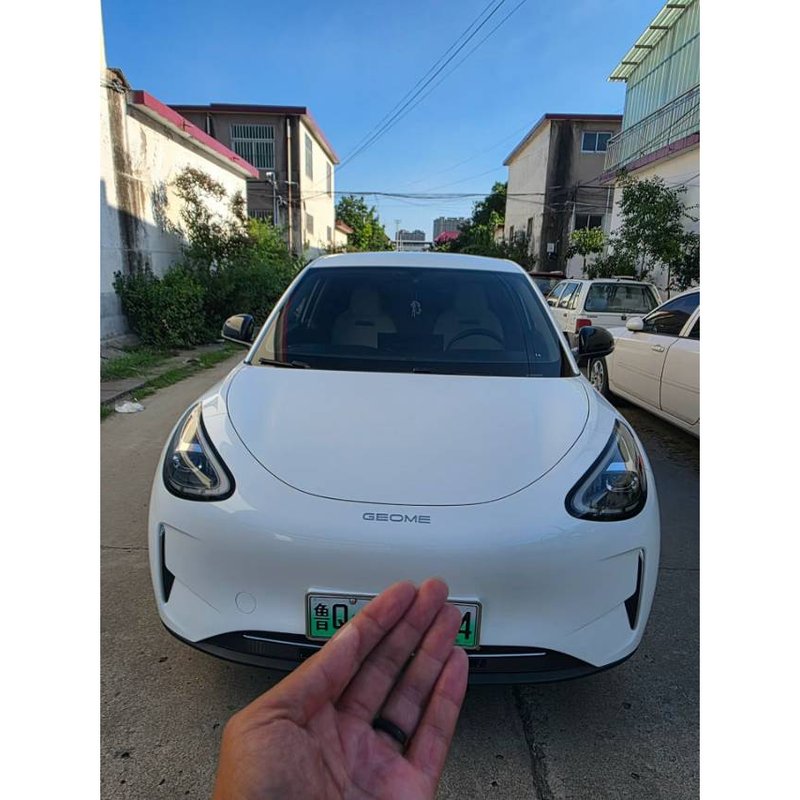

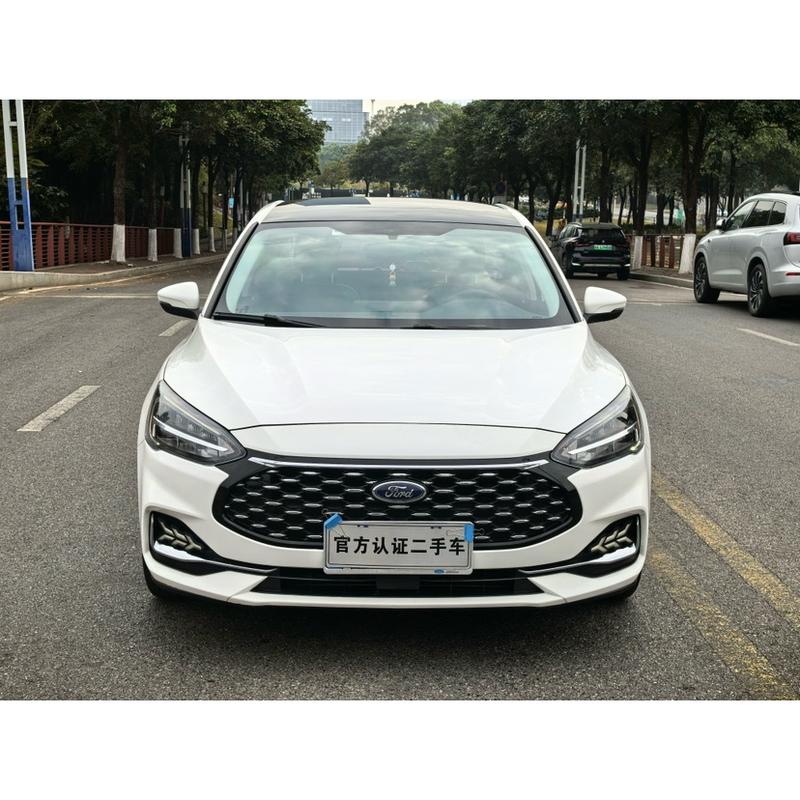
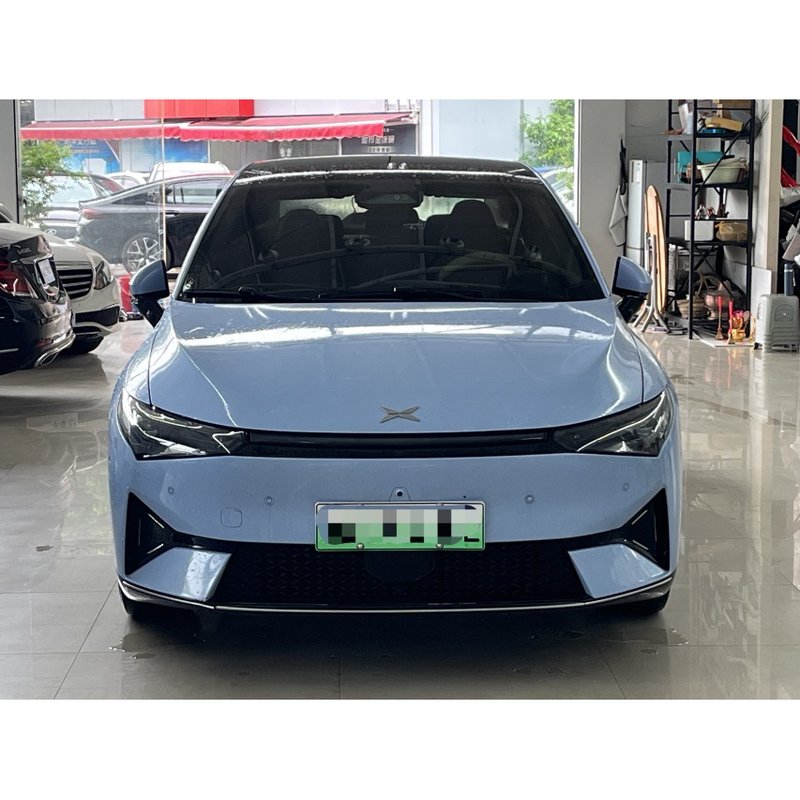

Learn all about the best time to buy a preowned car with our guide today now
When considering the purchase of a preowned car, timing can significantly impact both the price and the selection available to buyers. Understanding the best times to buy a used car can lead to substantial savings and a more satisfying purchase experience. This guide will explore various factors that influence the ideal timing for purchasing a preowned vehicle.
One of the most critical factors affecting the timing of a used car purchase is the season. The automotive market tends to fluctuate throughout the year, influenced by various trends and consumer behavior. Generally, the best time to buy a preowned car is during the end of the year, particularly in December. As dealerships aim to clear out inventory to make room for new models, they often offer substantial discounts on used vehicles. This period is also characterized by holiday sales events, where consumers can take advantage of further promotions.
Additionally, purchasing a used car during the off-peak months, such as late winter or early spring, can be advantageous. During these times, there is typically less demand for vehicles, as many buyers are not actively looking to purchase. As a result, dealerships may be more willing to negotiate prices and offer incentives to move inventory. It is also worth noting that the best deals may be found during the weeks leading up to major holidays, such as Memorial Day or Labor Day, when dealerships are keen to attract buyers with enticing offers.
Another essential consideration is the timing related to the release of new models. Car manufacturers often release new models in the fall, which means that dealerships will begin to see an influx of trade-ins as customers upgrade to the latest versions. This scenario creates a prime opportunity for buyers looking to purchase a used car, as there will be a greater selection of vehicles available at competitive prices. Trade-ins can often lead to well-maintained vehicles being offered at dealerships, providing buyers with quality options.

In addition to seasonal trends, it is beneficial to pay attention to monthly trends within the automotive industry. The end of each month is often a strategic time to buy a preowned vehicle. Salespeople and dealerships often have monthly quotas to meet, motivating them to sell as many cars as possible before the month closes. This urgency can lead to better deals for consumers, as dealerships may be more inclined to negotiate and offer discounts to close sales quickly.
Another factor to consider is the timing associated with specific days of the week. Research indicates that weekdays, particularly Mondays and Tuesdays, may be the most favorable days for purchasing a used car. Dealerships are typically less crowded during these days, allowing buyers to receive more personalized attention and potentially better deals. In contrast, weekends tend to be busier, with more competition among buyers, which can drive prices up.

Furthermore, understanding the inventory dynamics can also aid in determining the best time to buy a used car. The supply of preowned vehicles can vary based on numerous factors, including vehicle recalls, new model releases, and seasonal demand. Keeping an eye on market trends and inventory levels can provide insights into when prices may drop, allowing buyers to make informed decisions.
It is also crucial for buyers to conduct thorough research before making a purchase. Familiarizing oneself with the market value of specific models can empower buyers during negotiations. Online resources and pricing guides can provide valuable information regarding fair market prices, helping buyers identify if they are getting a good deal. Additionally, being informed about the vehicle’s history, including accidents or service records, can enhance the decision-making process.
The importance of financing options cannot be overstated when considering the timing of a used car purchase. Interest rates can fluctuate based on economic conditions, and securing a favorable financing rate can lead to significant long-term savings. Monitoring interest rates and being prepared to act when rates are low can enhance the overall affordability of a preowned vehicle.
Lastly, it is essential to remember that patience pays off when searching for the perfect used car. Rushing into a purchase due to time constraints can lead to missed opportunities or poor decisions. Taking the time to research, compare options, and evaluate the best timing can ultimately lead to a more satisfying experience and a vehicle that meets your needs and budget.
In summary, understanding the best time to buy a preowned car involves considering seasonal trends, monthly quotas, and market dynamics. By being aware of these factors and conducting thorough research, buyers can navigate the used car market effectively, ensuring they get the best deal possible. Being patient and informed is key to making a successful purchase in the vibrant world of preowned vehicles.