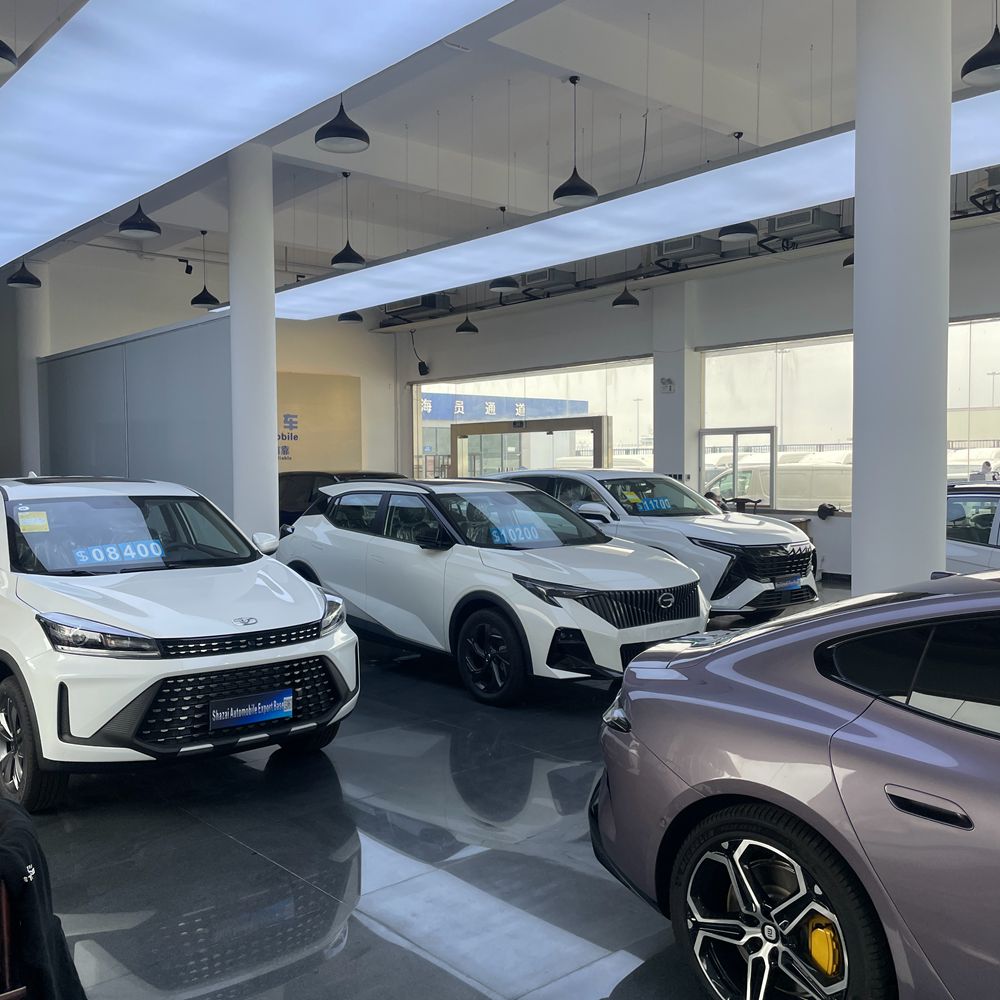
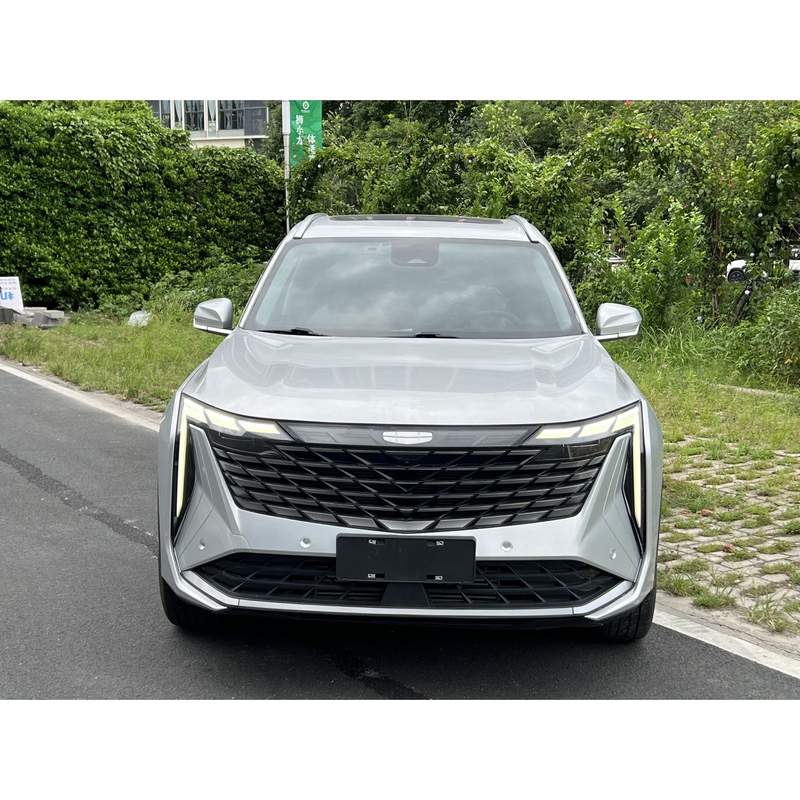
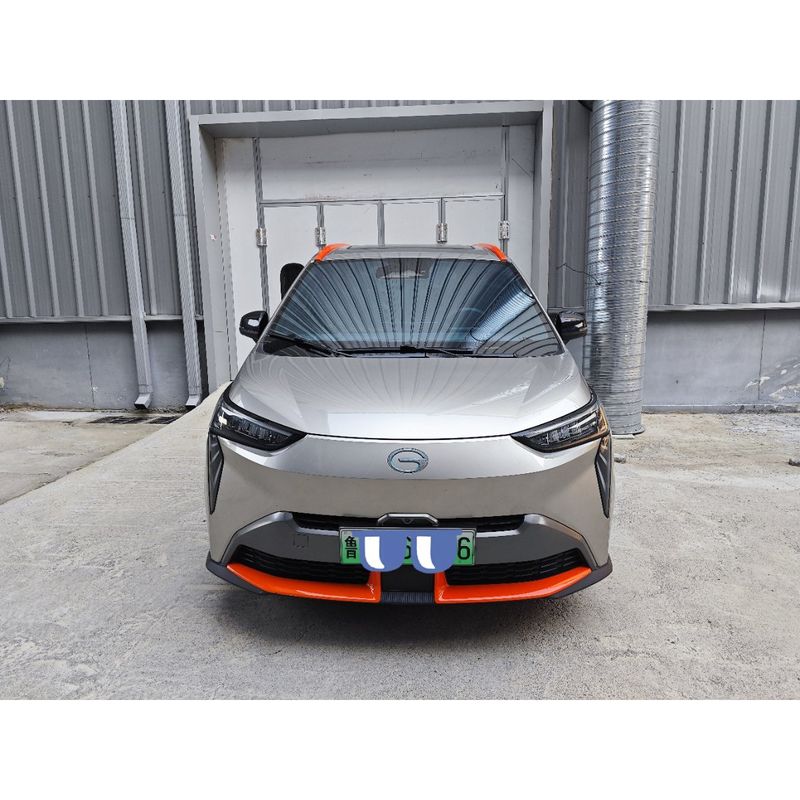
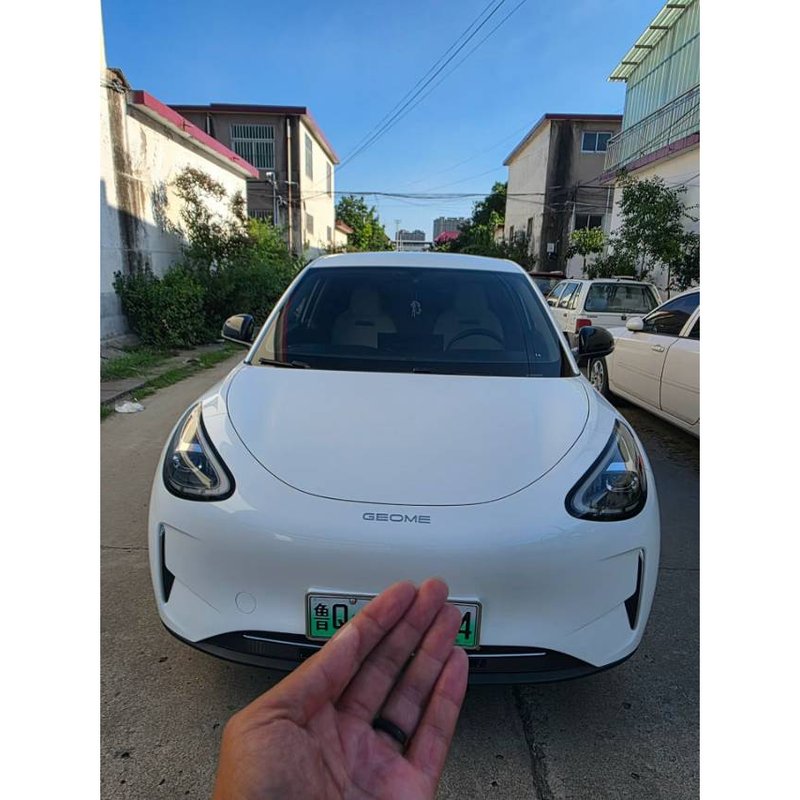
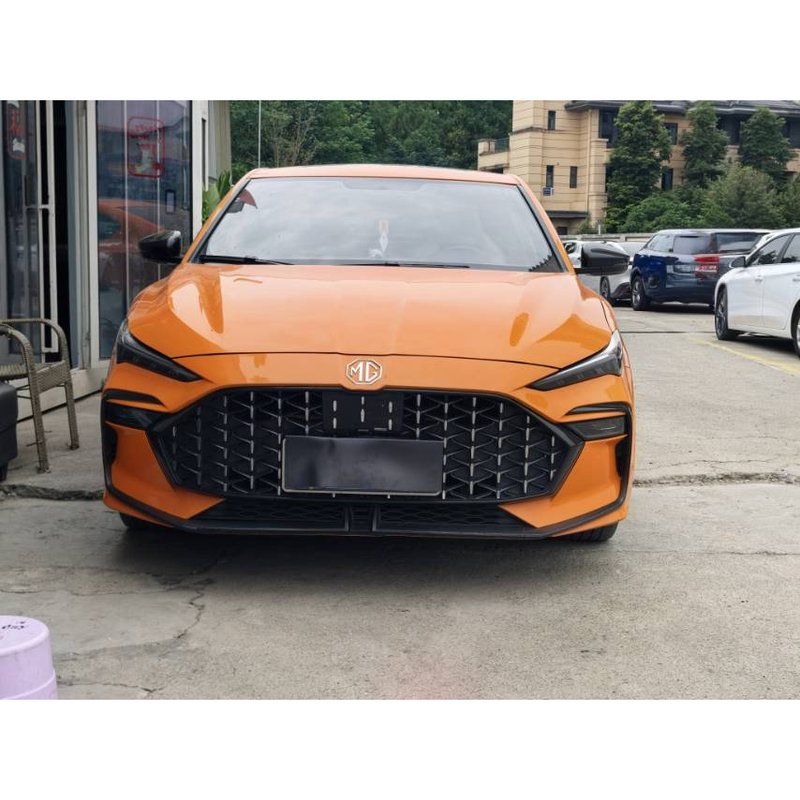
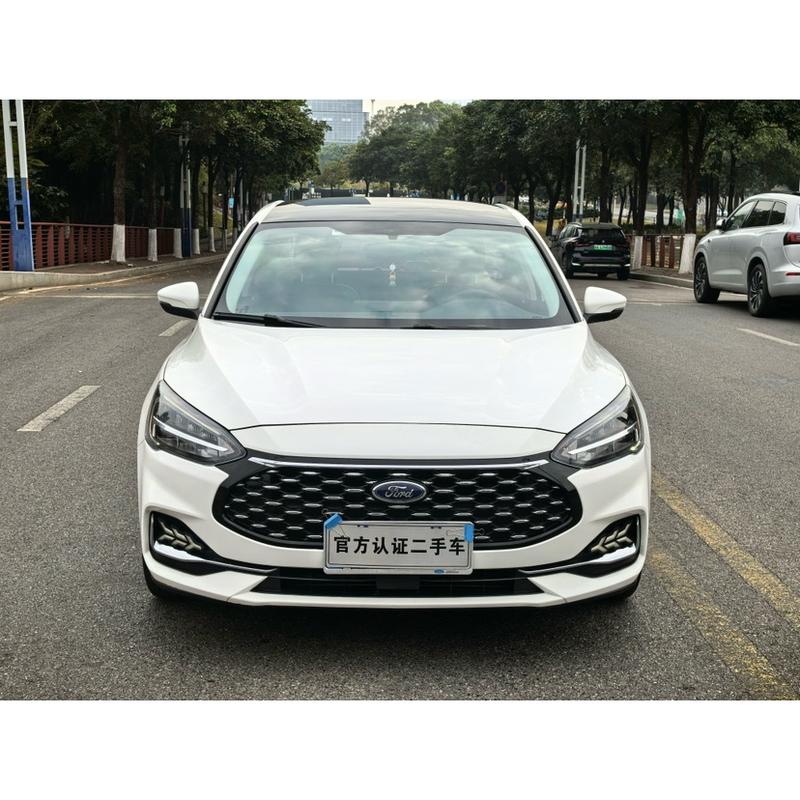
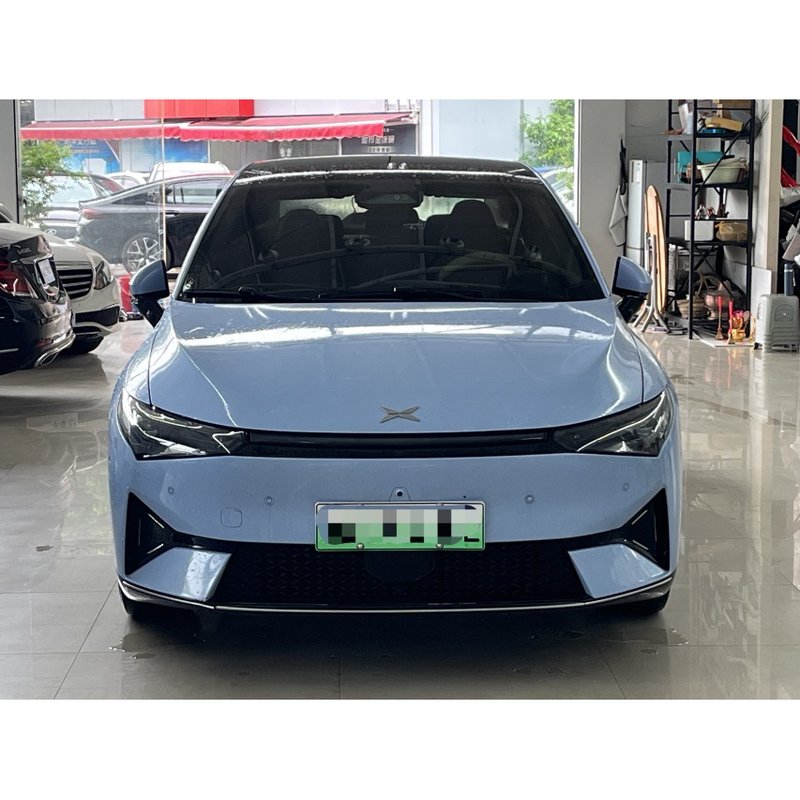
With the rise of China’s automotive industry, used cars have become more competitive in the market.
The rapid development of China’s automotive industry has brought about significant changes in the used car market, leading to a booming sector that offers vast opportunities for both consumers and businesses. As one of China’s well-known used car wholesalers, jh-usedcar.com is at the forefront of this dynamic market, providing a wide range of vehicles to meet the diverse needs of buyers across the country. The rise of China’s automotive industry has not only increased the availability of new vehicles but has also stimulated growth and competitiveness in the used car market, creating a vibrant ecosystem that benefits all stakeholders.
China’s automotive market has experienced remarkable growth over the past two decades, evolving from a relatively small sector into the largest automotive market in the world. This expansion has been driven by several key factors, including rising incomes, urbanization, improved infrastructure, and government policies aimed at encouraging car ownership and industry innovation. As more people gain access to private vehicles, the demand for used cars has simultaneously increased, creating a robust market that caters to a wide range of consumers.
One of the main reasons why used cars have become increasingly competitive in China is the rapid depreciation of new vehicles. Unlike in some Western countries where new cars retain their value relatively well, Chinese new cars often experience steep depreciation within the first few years. This phenomenon makes used cars an attractive choice for many consumers who want to enjoy the benefits of car ownership without bearing the full cost of a brand-new vehicle. As a result, used cars offer excellent value for money, allowing buyers to access models that might otherwise be out of reach.
The growing environmental awareness in China has also played a role in boosting the used car market. With rising concerns about pollution and sustainability, many buyers are turning to the used car market as a more eco-friendly option. Purchasing a used car reduces the demand for new vehicle production, which in turn helps lower carbon emissions associated with manufacturing. Additionally, many used cars available today come with improved fuel efficiency and advanced technologies, making them attractive alternatives to new vehicles.
The expansion of digital platforms and e-commerce has revolutionized the way used cars are bought and sold in China. Online marketplaces like jh-usedcar.com provide a convenient and transparent way for buyers to browse a vast inventory of vehicles, compare prices, and make informed decisions. This digital transformation has helped reduce information asymmetry, a common challenge in traditional used car transactions, where buyers often worry about the condition and history of the vehicle. Through detailed listings, vehicle history reports, and customer reviews, online platforms have built trust and confidence among consumers, driving more transactions and increasing market liquidity.
Another important factor contributing to the competitiveness of the used car market is the improvement in vehicle quality and after-sales services. Chinese car manufacturers and dealers have made great strides in enhancing the durability and reliability of vehicles, which in turn increases the appeal of used cars. Additionally, many wholesalers and retailers now offer warranties, inspection services, and flexible financing options, making it easier and safer for consumers to purchase used vehicles. These improvements have helped change the perception of used cars from being risky or inferior to a viable and attractive choice.
The rise of urbanization and changing demographics in China have also influenced the used car market. As more people move to cities and suburban areas, the demand for personal transportation grows. Younger buyers, first-time car owners, and middle-class families often prefer used cars due to their affordability and practicality. This demographic shift has led to a diversification of the types of vehicles sought after, ranging from compact cars and sedans to SUVs and electric vehicles. Wholesalers like jh-usedcar.com have adapted to these trends by expanding their inventory to include a wide range of models catering to different preferences and budgets.
Government policies and regulations have further shaped the used car market in China. Efforts to streamline vehicle registration, promote second-hand car trade, and reduce barriers for cross-regional transactions have made it easier for consumers to buy and sell used cars. Incentives for electric vehicles and stricter emissions standards have also influenced market dynamics, encouraging the circulation of newer, cleaner used cars. These policy measures demonstrate the government’s recognition of the used car market as an integral part of the broader automotive ecosystem.
Looking ahead, the used car market in China is poised for continued growth and transformation. Advances in technology such as artificial intelligence, big data analytics, and blockchain are expected to enhance transparency, efficiency, and customer experience further. The integration of electric vehicles and autonomous driving technologies into the used car inventory will open new opportunities and challenges for wholesalers and buyers alike.
As a prominent player in this burgeoning market, jh-usedcar.com continues to leverage its extensive network, expertise, and commitment to quality to meet the evolving needs of Chinese consumers. By offering a diverse selection of reliable used cars and embracing innovation in sales and service, the company contributes to making car ownership more accessible and sustainable. The competitive landscape of China’s used car market reflects the broader economic development and changing consumer behaviors, positioning it as an exciting sector with significant potential for growth and innovation.