

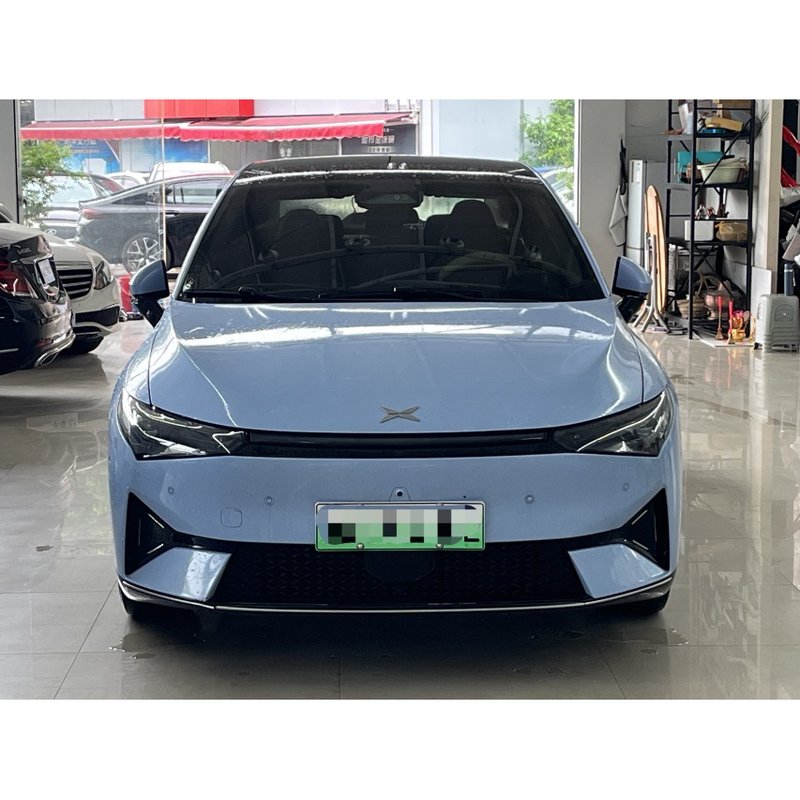

what to look for when buying a second hand car safely
When considering the purchase of a second-hand car, many factors contribute to ensuring a safe and satisfying transaction. As a well-known used car wholesaler in China, jh-usedcar.com understands the importance of a reliable used car supply chain and aims to provide guidance for buyers navigating this market. Here are several key aspects to consider when buying a second-hand car safely.
First and foremost, it is essential to conduct thorough research on the vehicle’s make and model. Different brands and models come with varying reputations for reliability and performance. Online resources, consumer reports, and car review websites can offer valuable insights into common issues, maintenance costs, and overall owner satisfaction. By understanding which models are known for their durability, buyers can make informed choices that reduce the risk of future problems.

Another critical aspect of purchasing a used car is verifying its history. Obtaining a vehicle history report is a crucial step in this process. These reports provide detailed information about the car’s past, including any accidents it may have been involved in, previous ownership, service records, and whether it has been reported stolen. Being aware of these factors can significantly influence your decision, as a car with a troubled history may present hidden risks.
Inspecting the vehicle is another vital step. It is advisable to conduct a thorough physical inspection of the car or, even better, have it inspected by a qualified mechanic. Look for signs of wear and tear, rust, or any irregularities in the bodywork that could indicate previous accidents or poor repairs. Pay close attention to the condition of the tires, brakes, and suspension, as these components are crucial for safety and performance. A mechanic can provide a more in-depth analysis, including checking the engine condition, transmission performance, and other critical systems.
Test driving the vehicle is an essential part of the buying process. This experience allows you to assess how the car handles, accelerates, and brakes. Pay attention to any unusual noises or vibrations during the drive, as these may signal underlying issues. Additionally, test the vehicle’s features, such as air conditioning, infotainment systems, and safety equipment, to ensure everything is functioning correctly. A test drive not only helps in assessing the car’s physical condition but also allows you to determine if it meets your comfort and usability requirements.
When considering financing options, it is crucial to evaluate your budget and understand the total cost of ownership. Beyond the initial purchase price, take into account insurance rates, maintenance expenses, and fuel efficiency. Some used cars may come with lower purchase prices but may incur higher costs over time due to repairs or poor fuel economy. Establishing a realistic budget that includes these factors will help you avoid any financial strain after the purchase.

Always ensure that the necessary paperwork is in order before finalizing the purchase. Verify that the seller has the legal right to sell the vehicle, and check that all documentation, such as the title and registration, is accurate and complete. This helps in avoiding potential disputes or issues with ownership in the future. If purchasing from a dealership, ensure that they are reputable and have a positive history of customer service and support.
Another important consideration is understanding the return policy or warranty options. While many used cars are sold as-is, some dealers may offer limited warranties or return policies. Knowing what protections you have in place can provide peace of mind in case unexpected issues arise shortly after the purchase. If possible, inquire about any available extended warranties that could cover major components for a specified duration.
Lastly, trust your instincts. If something feels off about the deal or the seller, it is wise to walk away. The used car market can be competitive, but it is essential to prioritize your safety and satisfaction over a quick purchase. Take your time, do your research, and ensure that you are making a decision that aligns with your needs and expectations.
By following these important guidelines, buyers can navigate the used car market more confidently and safely. The aim is to find a reliable vehicle that fits not only your budget but also your lifestyle. With the right approach, purchasing a second-hand car can be a rewarding experience, allowing you to enjoy the benefits of car ownership without the steep costs of a brand new vehicle. With a focus on safety, thoroughness, and informed decision-making, you can drive away knowing you made a well-considered choice.