
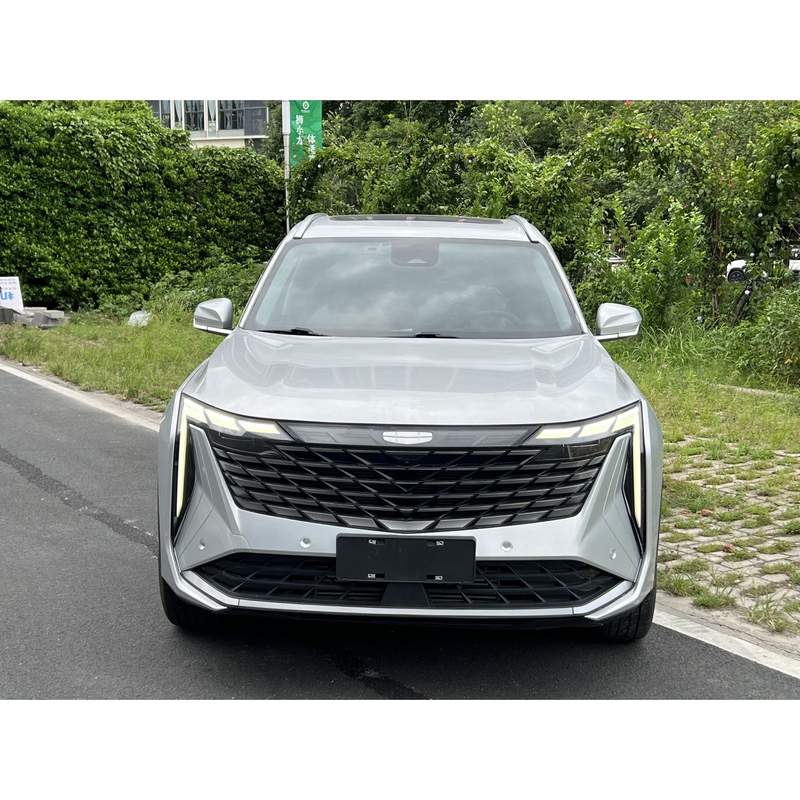
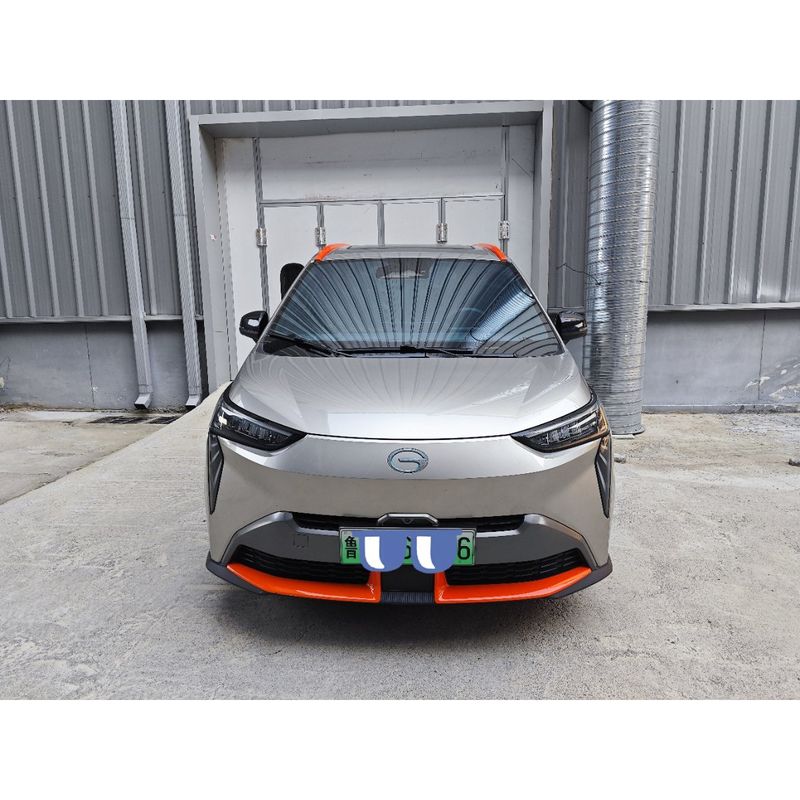
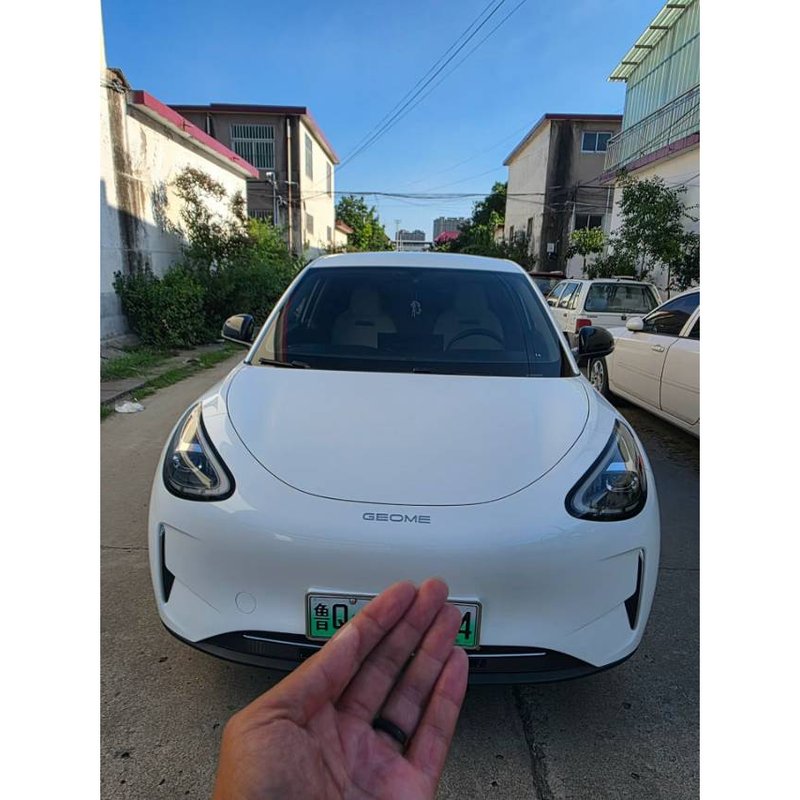
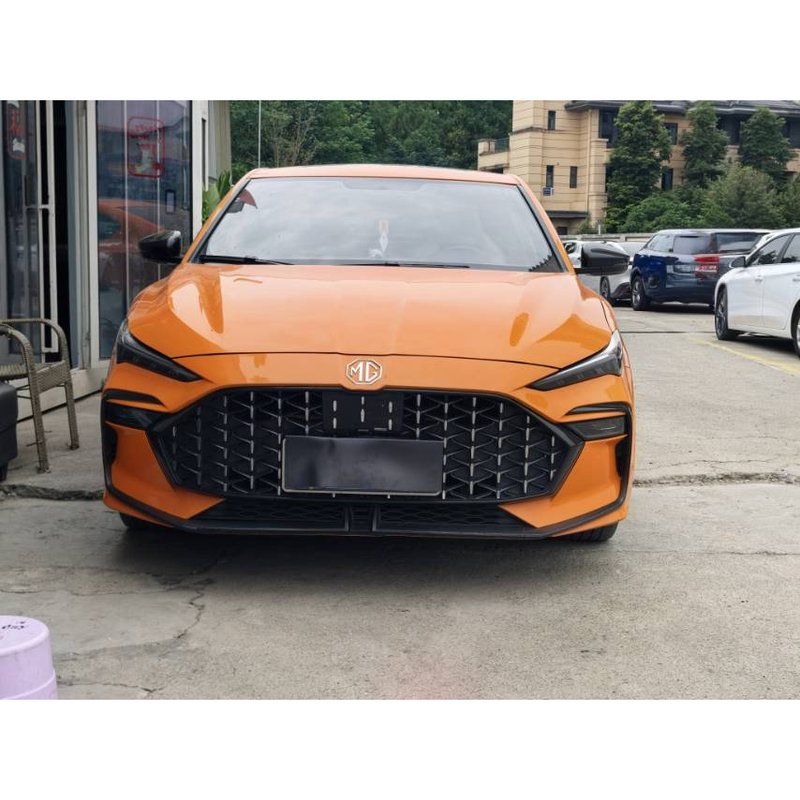

What to do when you buy a second hand car? Follow these steps.
Buying a second-hand car has become an increasingly popular choice for many consumers, especially in the booming used car market. With the rapid expansion of the automotive industry and the growing demand for affordable vehicles, second-hand cars provide a cost-effective alternative to brand-new ones. However, purchasing a used car requires careful consideration and a systematic approach to ensure you make a wise investment. Below are some essential steps to guide you through the process of buying a second-hand car.
The first step in purchasing a used car is conducting thorough research. Before stepping into the market, it is important to identify your preferences and budget. Decide on the type of car that best suits your needs, whether it’s a compact sedan for city driving, an SUV for family trips, or a practical hatchback. Once you have clarity on what you want, research the market value of the car models you are interested in. Check online platforms, dealerships, and wholesale providers like jh-usedcar.com to compare prices and get an idea of what to expect. This research will help you avoid overpaying and give you a realistic understanding of the costs involved.
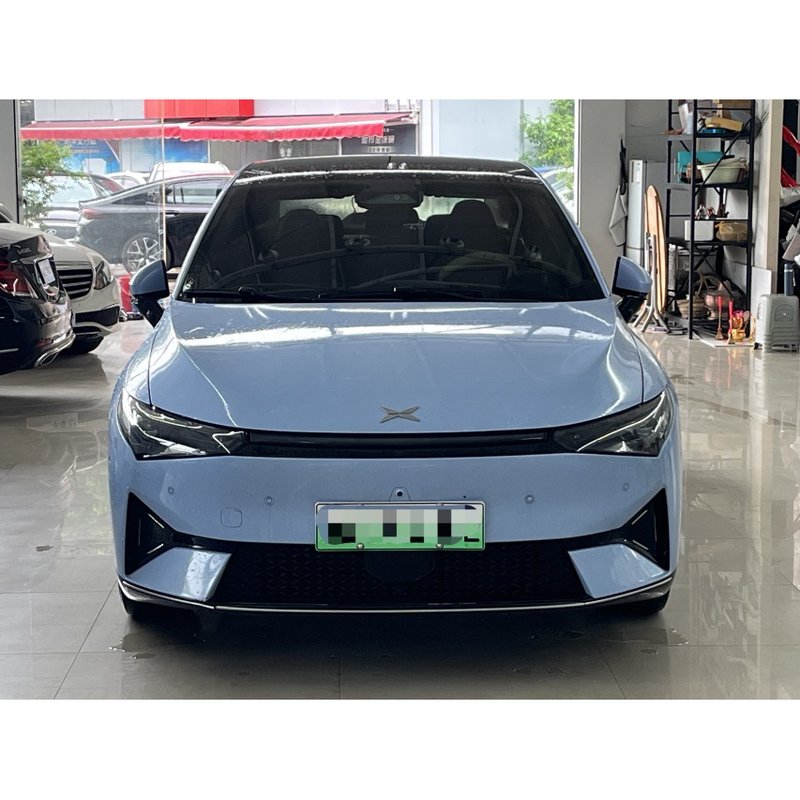
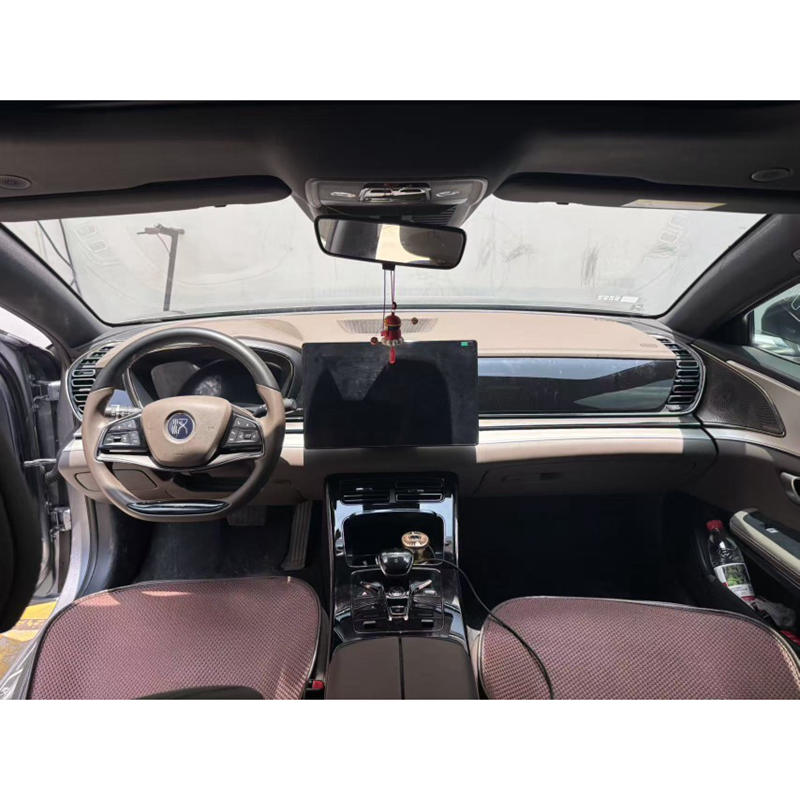
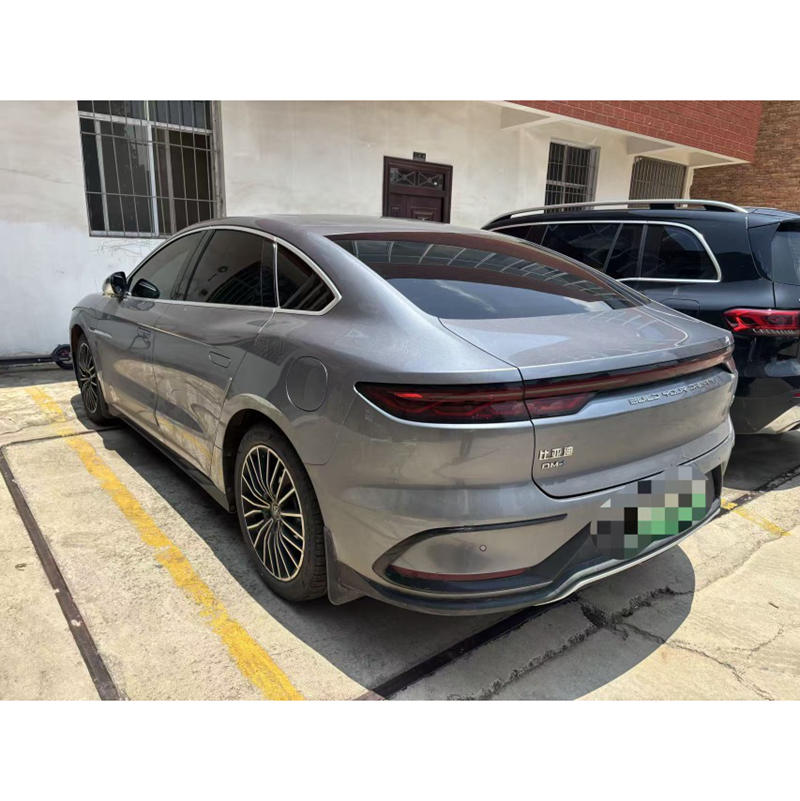
After narrowing down your options, it’s time to inspect the vehicle. A physical inspection is crucial when buying a second-hand car. While photos and descriptions online can provide some information, they may not always reflect the true condition of the car. During the inspection, pay attention to the exterior and interior of the vehicle. Look for any signs of damage, rust, or repainting that might indicate previous accidents or poor maintenance. Check the tires for wear and tear, ensure the lights are functioning properly, and examine the windows for any cracks or chips. Inside the car, inspect the seats, dashboard, and overall cleanliness to gauge how well the vehicle has been maintained.
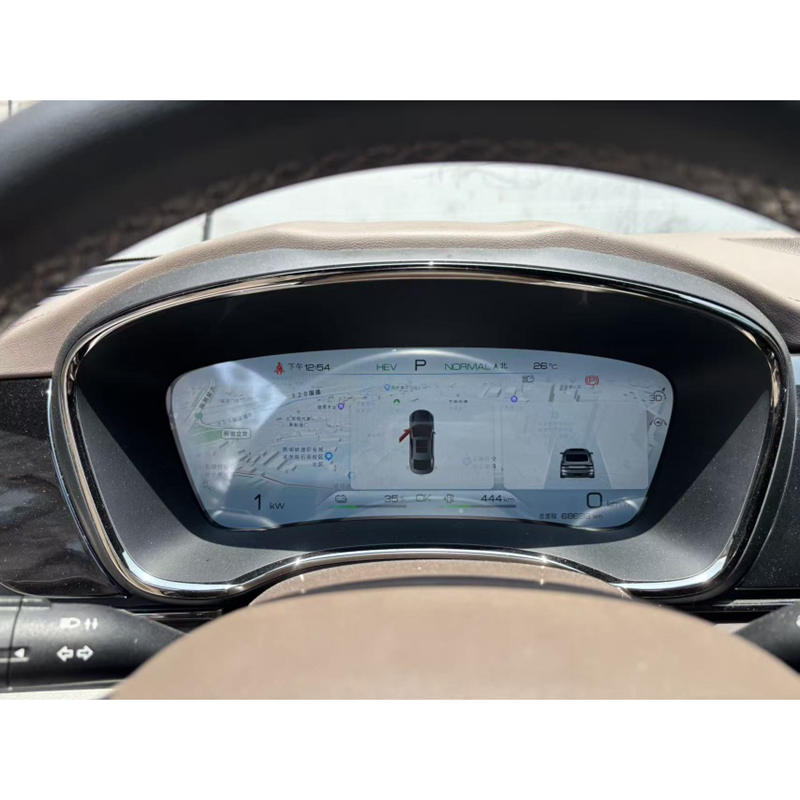
Once you’ve completed the visual inspection, it’s important to check the car’s mechanical condition. If you aren’t well-versed in automotive mechanics, consider bringing along a trusted mechanic or a knowledgeable friend to help assess the vehicle’s performance. Start the engine and listen for any unusual noises. Test the brakes, suspension, and steering to ensure they are in good working order. Pay attention to how the car drives during a test drive, checking for smooth acceleration, stable handling, and proper gear shifting. A mechanical inspection can help identify potential issues that may not be immediately visible but could affect the car’s functionality in the long run.
Equally important is verifying the vehicle’s history. Request the car’s service records and maintenance history to understand how well it has been cared for by previous owners. Ask for the vehicle identification number and run a background check to uncover any past accidents, major repairs, or legal issues associated with the car. Many countries have databases where you can access this information, and it’s worth taking the time to ensure there are no hidden surprises. A clean history report can provide peace of mind and indicate that the car is a reliable choice.
Once the inspection and history checks are complete, it’s time to negotiate the price. A key advantage of buying a second-hand car is the flexibility to negotiate. Use your research on market prices and any flaws or issues identified during the inspection as leverage to discuss a fair price with the seller. Be polite but firm during negotiations, and don’t be afraid to walk away if the seller is unwilling to meet your expectations. Remember, there are plenty of options available in the market, and patience can often lead to a better deal.
Before finalizing the purchase, make sure all necessary paperwork is in order. This includes the vehicle’s registration documents, ownership transfer forms, insurance papers, and any warranties, if applicable. Double-check that the seller’s name matches the details on the registration certificate to avoid potential legal complications. If you are buying from a dealership or wholesaler, they will often assist with the paperwork and ensure a smooth transfer of ownership. However, if you are dealing with an individual seller, it’s your responsibility to ensure all documents are valid and complete.
Once the purchase is complete, consider taking the car to a trusted mechanic for a thorough servicing. Even if the car appears to be in good condition, a professional tune-up can address any minor issues and improve its performance. Replace the engine oil, check the battery, and inspect the brakes and tires to ensure the car is roadworthy. Regular maintenance will help prolong the lifespan of your vehicle and ensure a safe driving experience.
Buying a second-hand car can be a rewarding experience when approached with proper planning and diligence. By following these steps, you can minimize risks and make an informed decision. The booming used car market offers a wide range of options, and platforms like jh-usedcar.com can connect you with reliable vehicles at competitive prices. Whether you’re purchasing your first car or upgrading to a new model, taking the time to research, inspect, and verify will help you drive away with confidence and satisfaction.


