
What Buyers Should Know About Secondhand Autos
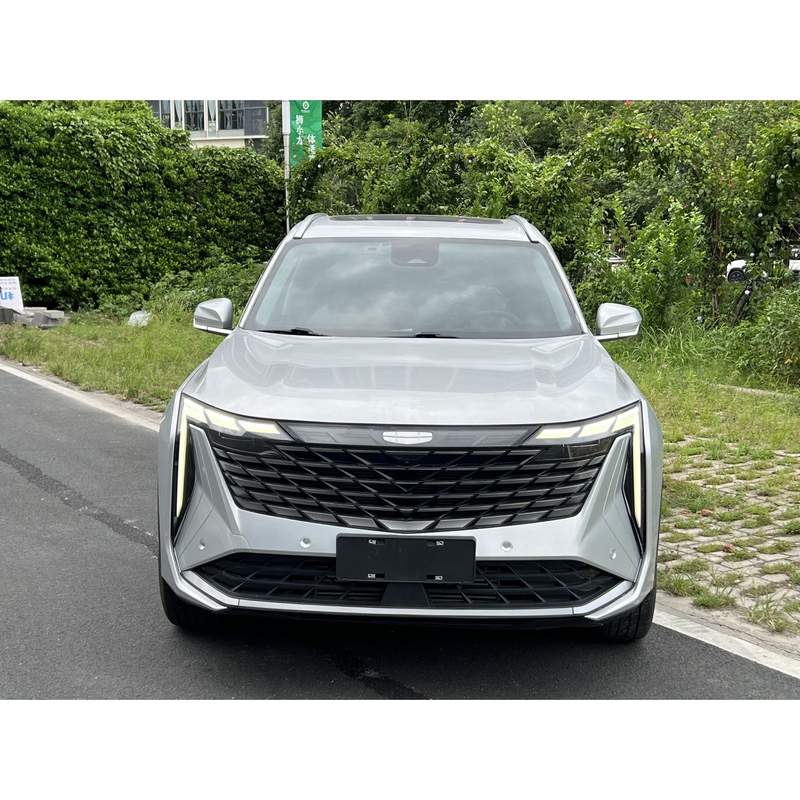
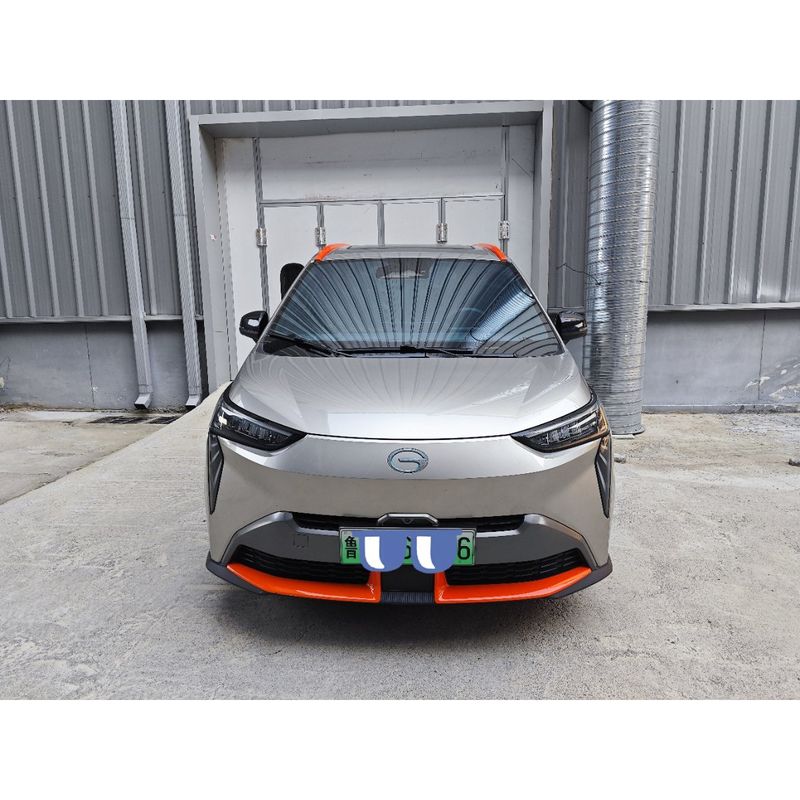
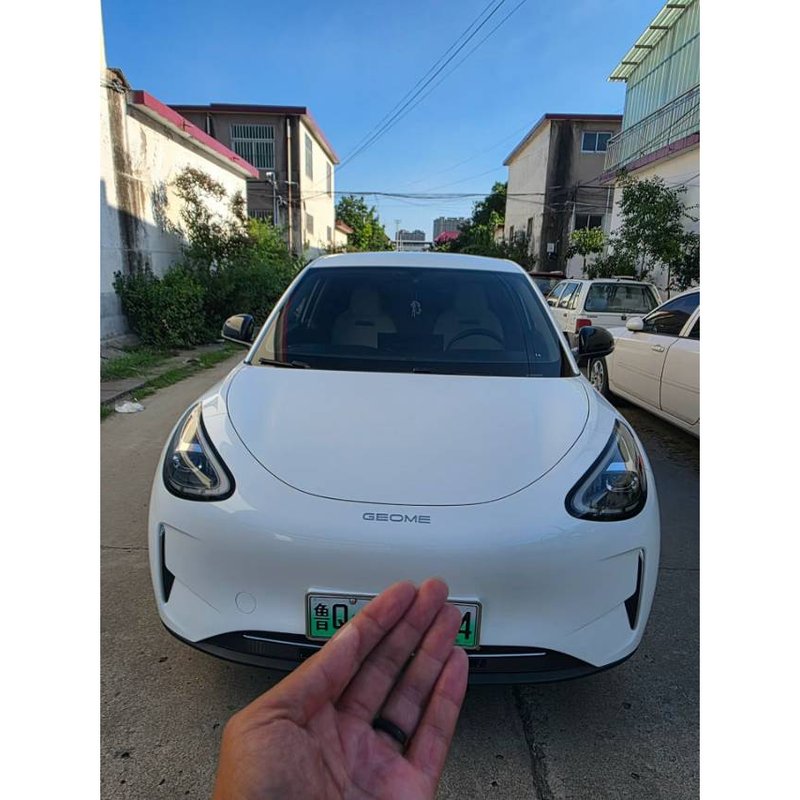
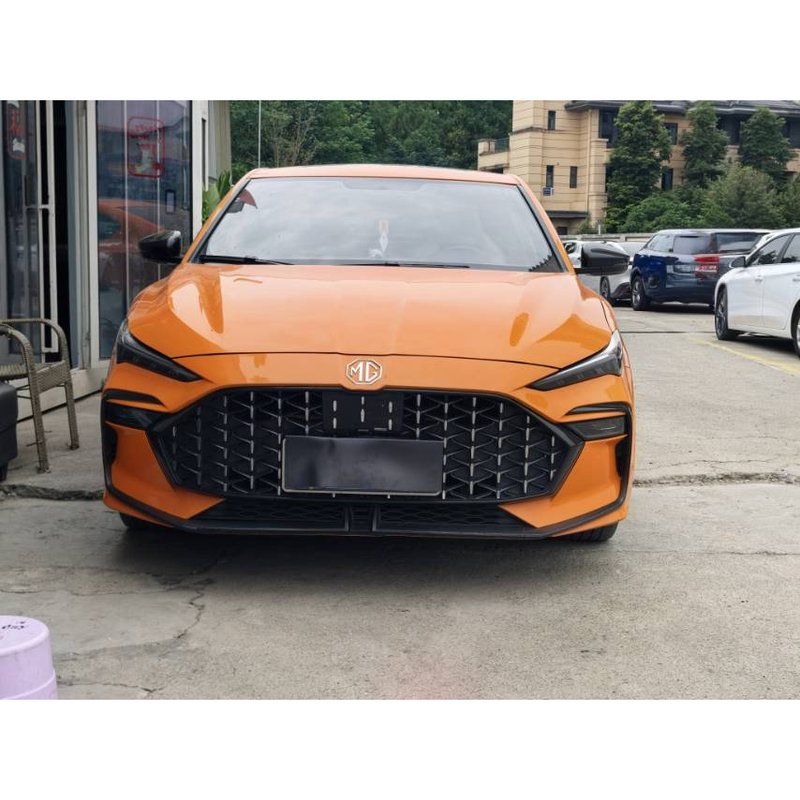
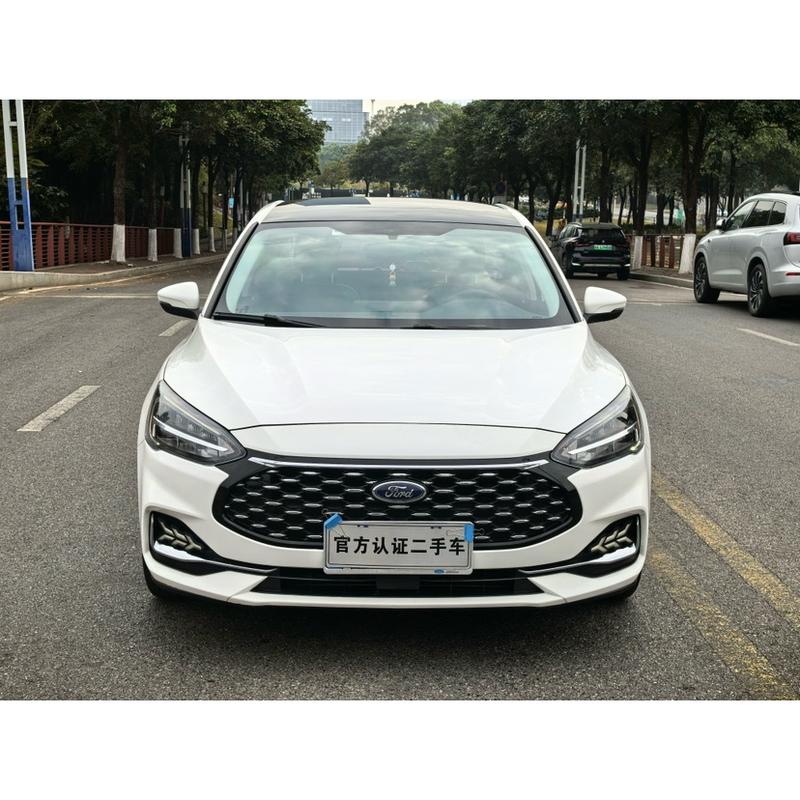
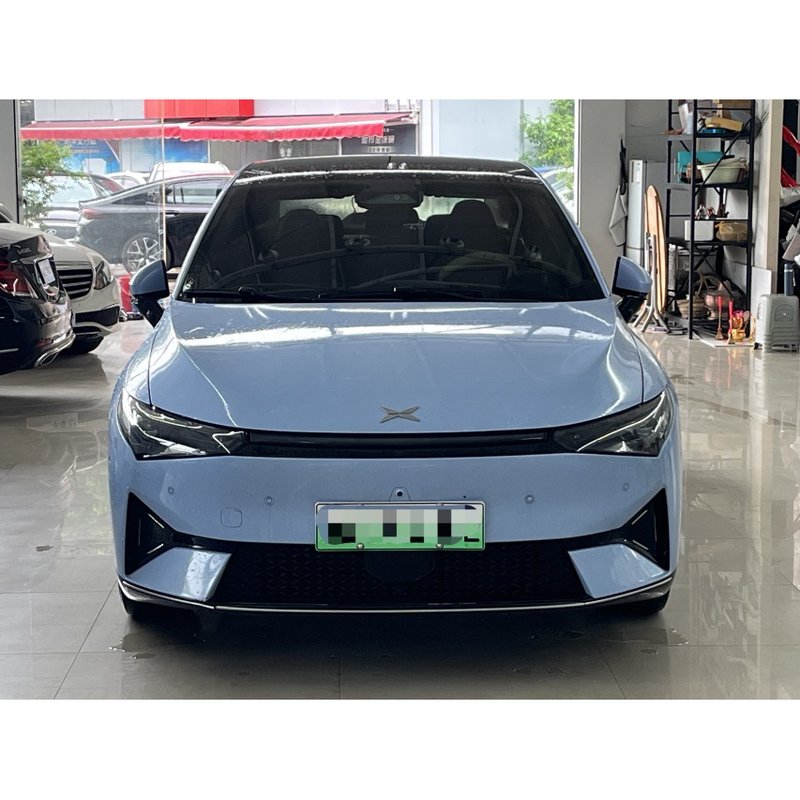
Acquiring a secondhand auto can be a rewarding yet complex process, especially for foreign dealerships aiming to source vehicles from China. The Chinese automotive market is vast and offers a wide selection of used vehicles that can cater to varying consumer demands. However, understanding the intricacies involved in purchasing these vehicles is vital for dealers to make informed decisions and build a competitive inventory.
Chinese used vehicles often come with significant advantages, including affordability and a range of models that have gained popularity in both domestic and international markets. When considering procurement, foreign dealerships must establish reliable connections with exporters who understand the local market and can facilitate seamless transactions. Developing a strong relationship with these exporters ensures that the vehicles sourced meet quality standards and resonate with the preferences of local consumers.
Establishing Inventory Channels
Building a robust inventory channel is fundamental for any dealership looking to thrive in the used car market. Partnering with trusted Chinese exporters provides access to a steady supply of secondhand autos. These exporters can offer insights into market trends, helping dealers align their inventory with consumer demands. Successful inventory management involves understanding the nuances of vehicle availability, pricing fluctuations, and the condition of vehicles being offered.
Moreover, engaging in joint ventures with local Chinese dealerships can enhance inventory options. Local dealers possess invaluable knowledge about the vehicles that perform well in their regions, ensuring that foreign dealerships can stock cars that are in demand. Furthermore, regular communication with exporters about upcoming vehicle models and reconditioning practices will allow dealerships to keep their inventory fresh and appealing.
Sourcing Competitive Vehicles
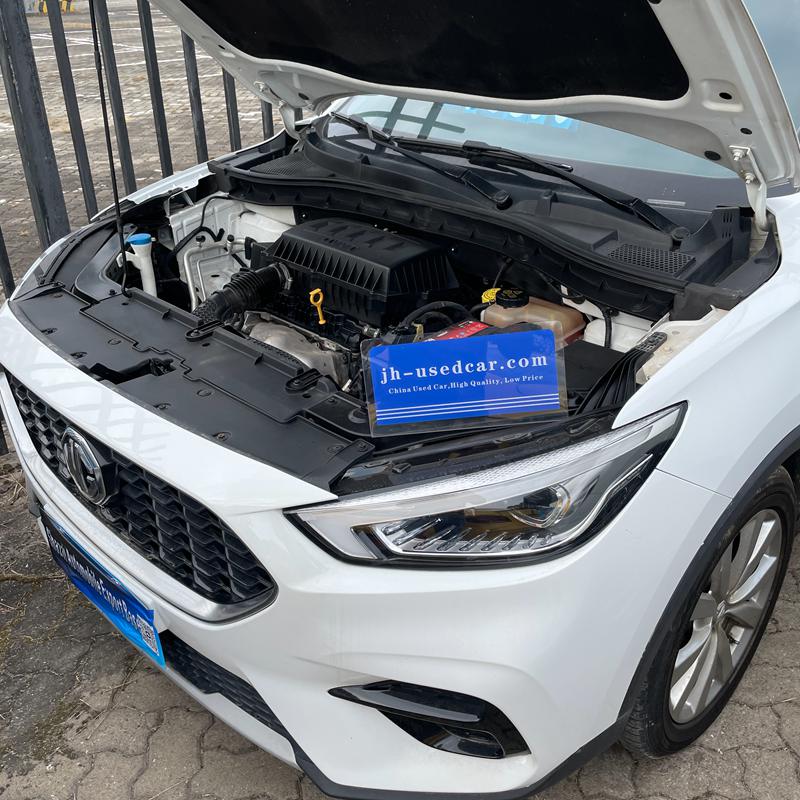
Sourcing secondhand autos from China requires a strategic approach. The competitive landscape means that dealerships must consider factors like vehicle history, maintenance records, and compliance with international regulations. Engaging an automotive quality control manager can assist dealerships in evaluating the condition of vehicles before purchase, potentially reducing risks associated with unexpected repairs and maintaining high-quality standards.
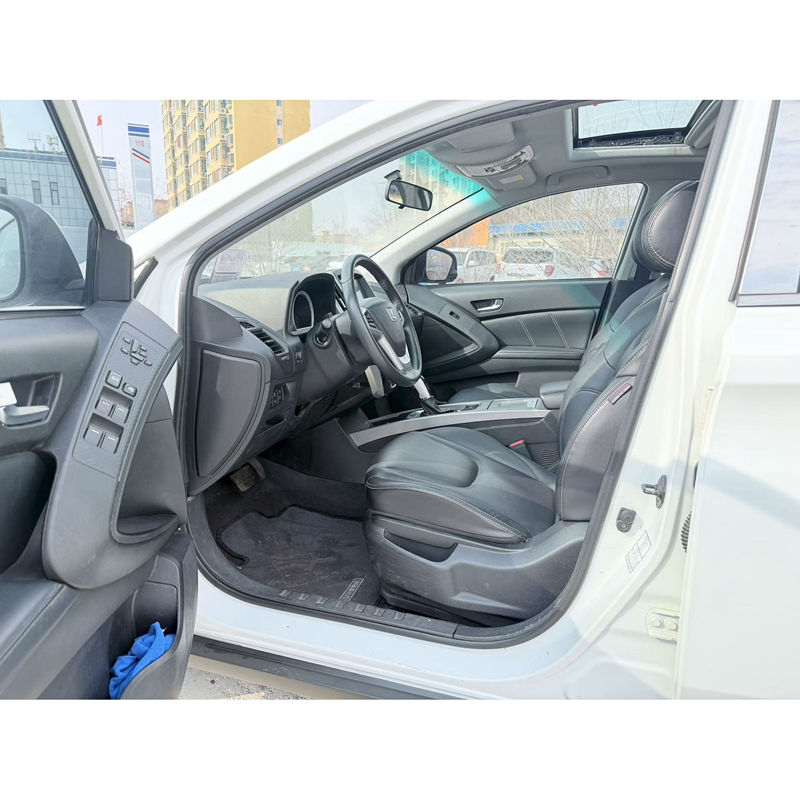
In addition, understanding the local market dynamics in China can lead to sourcing unique vehicles that stand out in foreign markets. For instance, certain models may be more popular or offer better value in different regions. Conducting thorough market research can aid dealerships in identifying which types of vehicles are likely to attract buyers in their target demographics.
Compliance and Regulations
Familiarity with import regulations and compliance standards is essential for foreign dealerships. China has specific requirements that must be met when exporting used vehicles, and understanding these regulations can save both time and resources. Collaborating with customs clearance specialists can provide dealerships with the expertise needed to navigate these regulations effectively, ensuring all paperwork is in order and that vehicles meet safety and environmental standards.
Furthermore, ensuring that secondhand autos conform to the importing country’s regulations is crucial. This includes understanding emissions standards, safety requirements, and any modifications needed for vehicles to be compliant upon arrival. Taking the time to educate oneself on these aspects can greatly streamline the purchasing process and avoid potential legal complications.
Importance of After-Sales Service
Once the vehicles are sourced and sold, the focus should shift to after-sales service. Providing exceptional customer service and support can differentiate a dealership from competitors. This aspect becomes particularly important for secondhand autos, as customers often seek reassurance regarding their vehicles’ reliability and performance.
Training staff to handle customer inquiries and concerns professionally will foster trust and loyalty. Offering after-sales maintenance services or warranties can enhance the dealership’s reputation and encourage repeat business. Building a reputation for outstanding customer service will not only lead to increased sales but also encourage word-of-mouth marketing, which is invaluable in the automotive industry.


