





Current Market Trends for Second Hand Cars
The price of second hand cars has seen significant fluctuations recently, driven by various factors affecting global economies and consumer behaviour. In regions such as Africa, the Middle East, Southeast Asia, and Central Asia, the demand for affordable transportation solutions has surged. This shift has not only impacted local markets but has also influenced the availability and pricing of used vehicles from manufacturers around the world, particularly from China. Understanding these dynamics is essential for buyers and sellers alike.
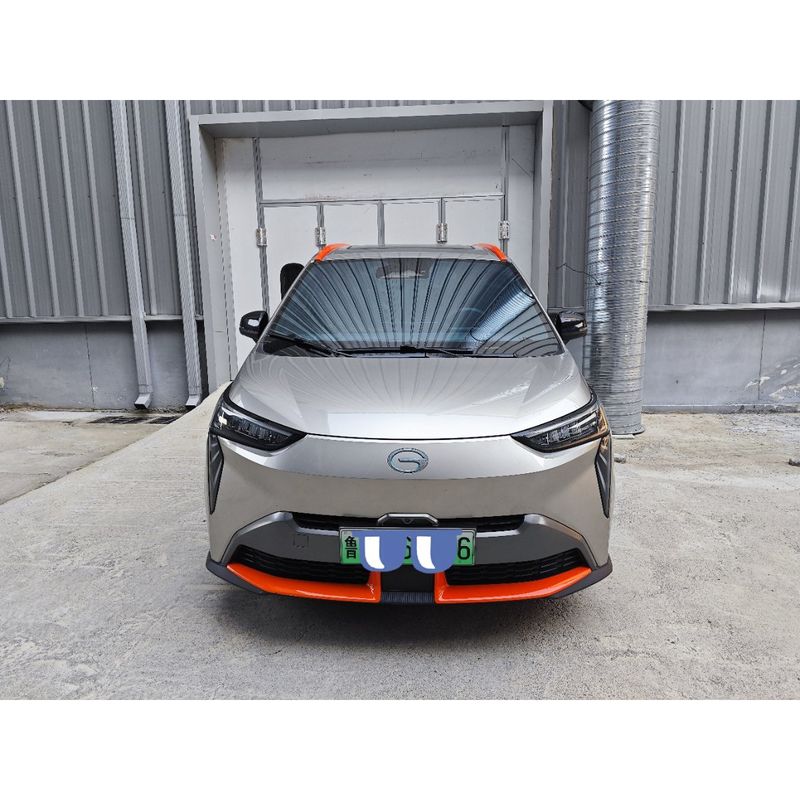
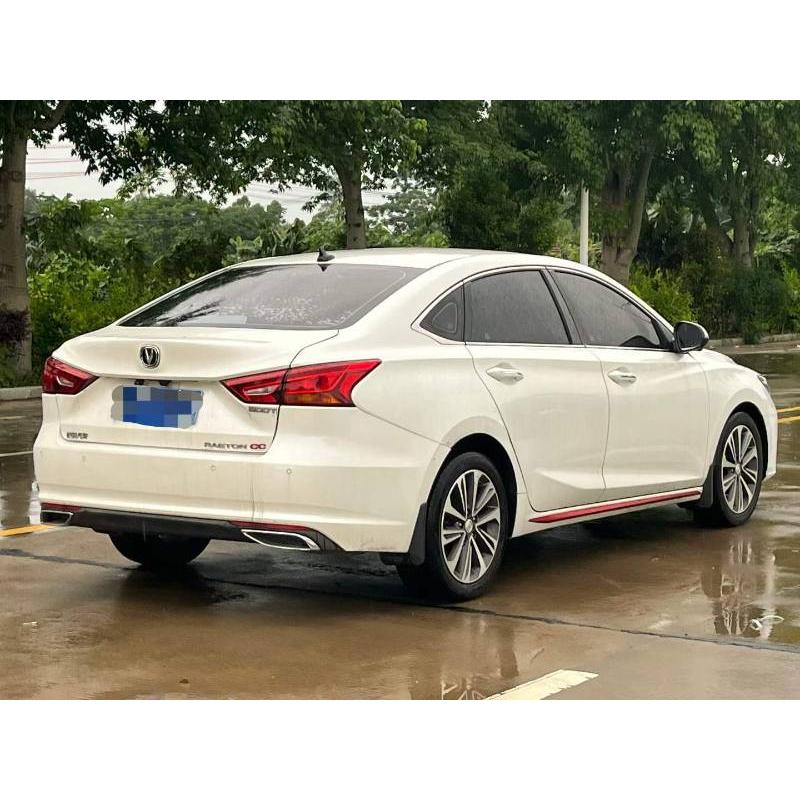
In Africa and Southeast Asia, economic growth coupled with rising disposable incomes has led to increased demand for second hand cars. The price of second hand cars in these regions is often influenced by the affordability and fuel efficiency of the vehicles. Markets here tend to favour compact cars that offer practicality without high running costs, making Chinese brands like Geely and Changan appealing choices. These vehicles provide a strong balance of cost and reliability, suited to the local infrastructure and driving conditions.
Regional Preferences for Used Vehicles
Each geographical area has its preferences when it comes to second hand vehicles, which directly affects pricing. In the Middle East, for instance, larger vehicles such as SUVs and pickups are favoured, reflecting the regional lifestyle and terrain. Brands like Great Wall have gained popularity due to their robust designs and suitability for off-road conditions. The price of second hand cars in this market can vary, but there’s a noticeable trend towards vehicles that offer durability and space.
In contrast, Central Asia has a unique demand profile, where vehicles that perform well in diverse weather conditions, such as Lifan or BYD models, are preferred. Here, the price of second hand cars can be higher for models equipped with advanced features that enhance performance in extreme climates. Additionally, the local cost of living and income levels greatly influence the purchase decisions of consumers, driving demand for competitively priced vehicles.
Factors Influencing Pricing
The price of second hand cars is influenced by several factors, including vehicle age, mileage, condition, and market demand. In the current climate, the availability of vehicles has been affected by supply chain disruptions, leading to a decrease in new car availability and an uptick in used car prices. This trend is particularly evident in emerging markets where the appetite for reliable vehicles continues to grow.
Moreover, the introduction of greener technologies and electric vehicles is reshaping perceptions around used cars. Regions that are focused on sustainability are seeing a shift towards electric vehicles, and the demand for second hand electric cars is beginning to rise. Chinese manufacturers, such as NIO and BYD, are starting to penetrate these markets with their second hand offerings, often at competitive prices compared to traditional gasoline vehicles.
Key Players in the Market
Several Chinese automotive brands are carving out niches in the used car export industry, making significant inroads into foreign markets. For example, brands like Dongfeng and SAIC Motor are capitalising on the growing demand for second hand cars in Africa and Southeast Asia. Their models are often designed with local needs in mind, providing features that appeal to consumers in these regions.
The price of second hand cars from these manufacturers is often lower than that of their Western counterparts, which can be a decisive factor for budget-conscious buyers. The competitive pricing, combined with features that meet local requirements, positions these vehicles favourably in the used car market.
Implications for Exporters
In conclusion, the price of second hand cars is set against a backdrop of shifting consumer demands and economic considerations. By focusing on the specific needs of various regions, automotive exporters can tailor their offerings to maximise market potential. Establishing strong relationships with local dealers and understanding the intricacies of each market will help navigate the challenges and seize opportunities for growth.


