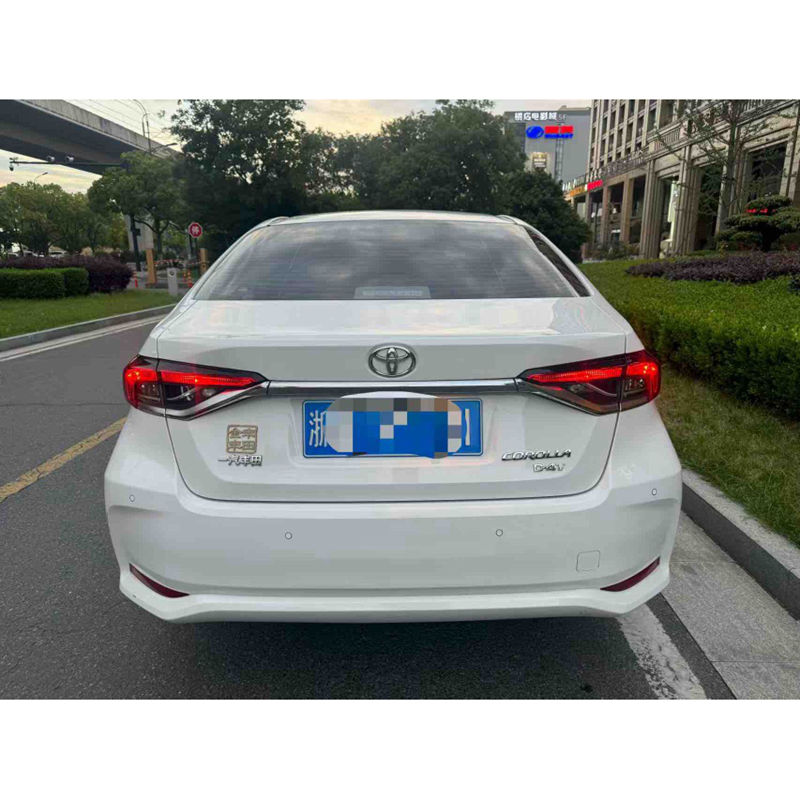

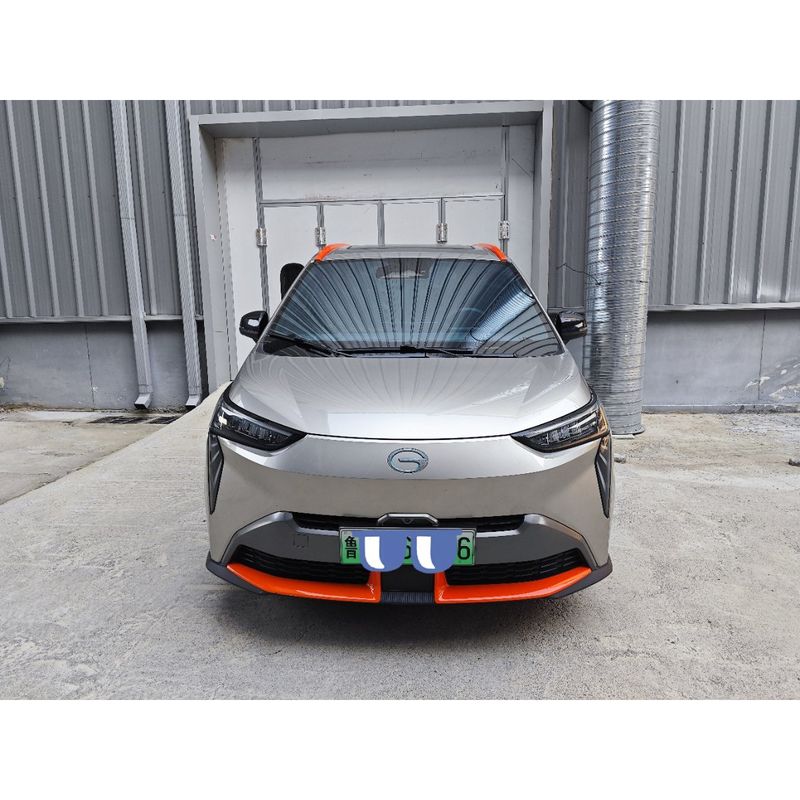



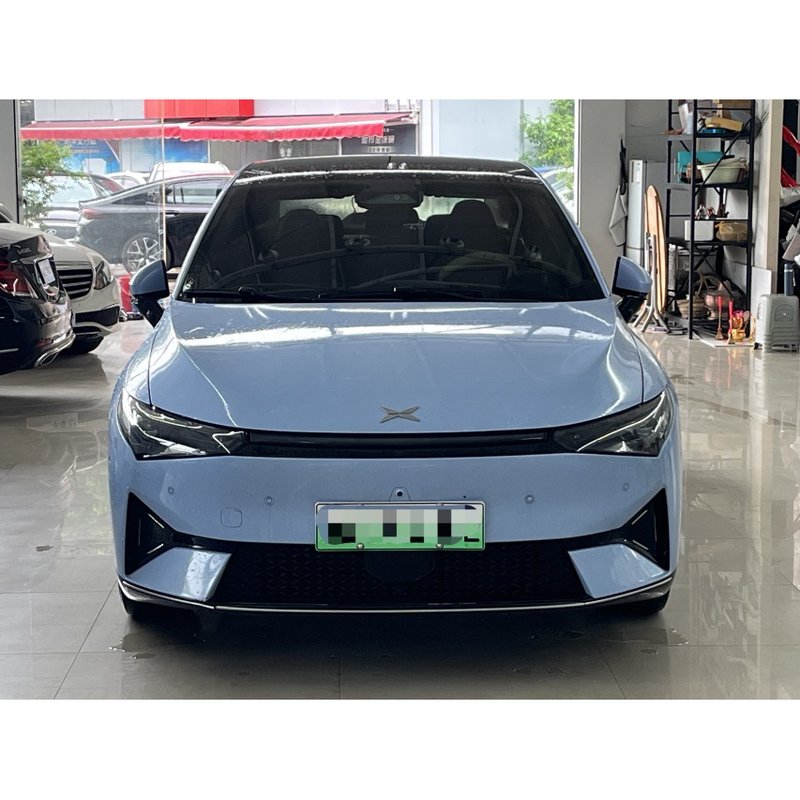
Kia 2nd Hand Car Price Evaluation
The Kia brand has gained solid traction in the used car market, particularly for those seeking reliability and value for money. Understanding the Kia 2nd hand car price is crucial for both dealers and buyers involved in the international export of vehicles from China. The price of these vehicles can fluctuate based on various factors, including model, age, mileage, and overall condition. For those operating in the export industry, being equipped with the right knowledge can help in making informed purchasing decisions. Evaluating the price starts with a comprehensive understanding of the model range, as certain models retain value better than others.
For example, the Kia Sportage and Kia Ceed often see higher resale values compared to more economical models like the Kia Picanto. Additionally, demand in target markets can influence pricing. Cars that are popular in specific countries or regions may command higher prices due to limited availability. It is essential to conduct market research to see how the Kia 2nd hand car price aligns with similar competitors in the market, ensuring that you are not overpaying for vehicles that should generally be lower in cost.
Inspection Processes for Used Kias
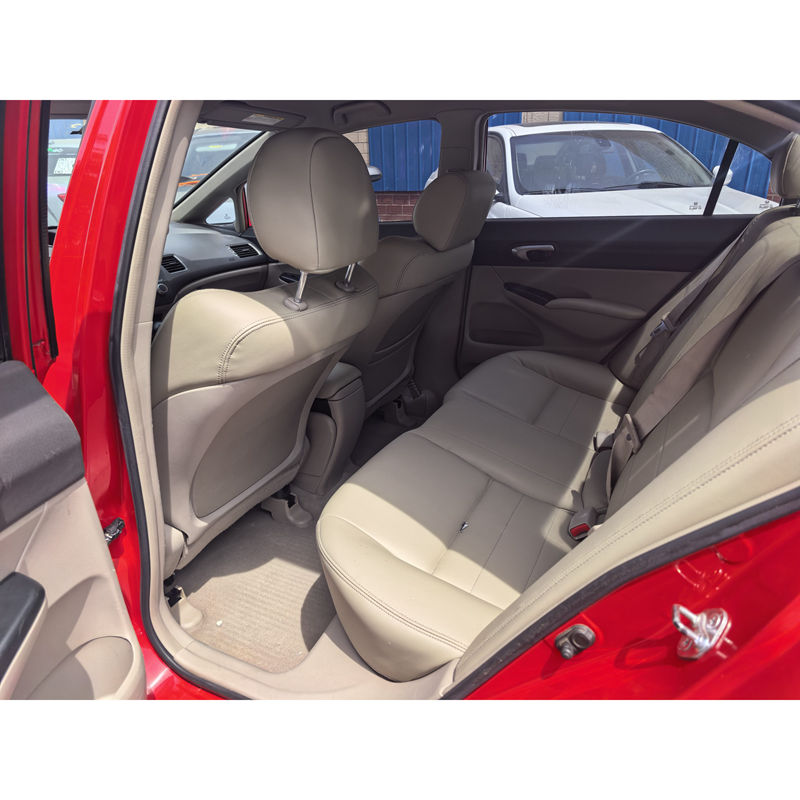
Before finalising any purchase, a rigorous inspection process is indispensable. As an automotive quality control manager, I advocate for a structured examination checklist that includes both visual inspections and mechanical assessments. This dual approach ensures that all potential issues are identified before the vehicle is shipped abroad. Visual inspections should focus on bodywork, checking for any signs of rust, paint inconsistencies, or structural damage. A thorough check of the vehicle’s interior is equally important, as signs of wear and tear can indicate how well the previous owner maintained the car.
Next, the mechanical assessment should include the engine, transmission, and braking systems. It is advisable to run diagnostic scans to identify any hidden faults that may not be immediately visible during a physical inspection. Paying attention to the vehicle’s maintenance history is also vital. Documentation should clearly show regular servicing and any major repairs that have been completed. Any vehicle lacking a detailed service history may be best avoided as it complicates reliability assessments.
Evaluation Criteria for Quality Assurance
Establishing clear evaluation criteria is paramount during the selection process. This evaluation should encompass multiple facets. Firstly, mileage is a critical factor; generally, the lower the mileage, the higher the quality perceived. However, high mileage does not always reflect poor quality if the vehicle has been well maintained. Additionally, the age of the vehicle should be evaluated concerning its service records. Newer models often come equipped with advanced safety and technology features, which can be attractive in the resale market.
Another criterion is the vehicle’s accident history. Cars with a clean accident record are typically more reliable than those with previous damages, unless professionally repaired. The inspection report should include any accidents and repairs, providing a transparent view of the vehicle’s past. The overall condition, both exterior and interior, should also be factored into the quality assessment; a well-presented vehicle often correlates with a more conscientious previous owner.
Rejection Standards for Subpar Vehicles
Not all used Kias will meet the necessary quality standards for export. Establishing rejection criteria is essential to maintaining a high standard of vehicles. Vehicles should be rejected if they exhibit significant signs of damage or rust that could compromise safety or functionality. Major mechanical issues, such as engine failures or transmission problems, should also warrant a rejection decision unless the cost of repairs can be justified by the resale value.
It is equally important to consider the vehicle’s emissions and compliance with international export regulations. Vehicles that fail to meet these standards can lead to hefty fines or complications upon arrival in the destination country. As such, comprehensive emissions testing should be part of the pre-purchase inspection process. The refusal to accept subpar vehicles not only safeguards the reputation of the business but also ensures customer satisfaction, leading to repeat business and positive referrals.
Final Considerations for Successful Exports
In navigating the used car market, a focus on quality is non-negotiable. The Kia 2nd hand car price should reflect the comprehensive inspections and evaluations conducted, ensuring that only the best vehicles make it to international buyers. Investing time and resources in quality control processes not only enhances the credibility of the export business but also contributes to a more sustainable automotive market.
As the automotive landscape shifts towards increasing scrutiny on quality and compliance, those involved in the export of used vehicles must stay informed about changing standards. Engaging with industry experts, attending workshops, and regularly updating inspection protocols can ensure that your business remains competitive. By prioritising quality over quantity, dealers can cultivate a reputation for reliability in the used car export industry.