


Defining Used and Certified Pre-Owned Cars
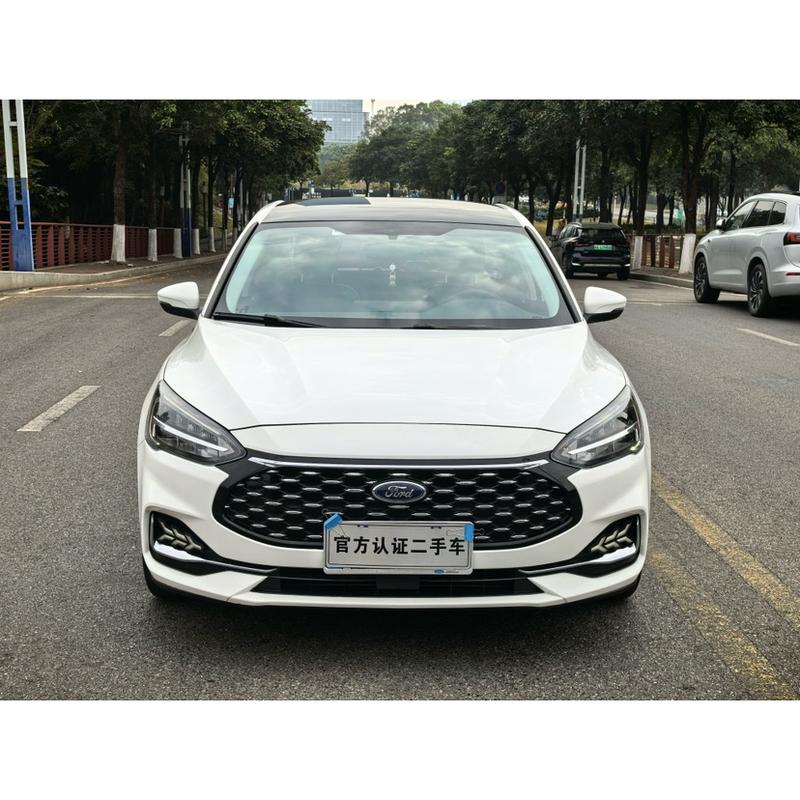
When distinguishing between used and certified pre-owned cars, it is essential to note that both categories refer to vehicles that have been previously owned. However, certified pre-owned cars come with additional assurances, often backed by the manufacturer or an accredited dealer. These vehicles typically undergo a rigorous inspection process, which not only verifies their condition but also ensures they meet specific quality standards. This assurance adds value for international buyers who seek reliability in their purchases, particularly when navigating the complexities of vehicle importation.
Used cars, on the other hand, may not go through such extensive checks. While they can often be more affordable, buyers should be prepared for potential variability in quality and condition. Understanding these differences is crucial for anyone considering international buying, especially when import regulations and paperwork are involved.

Export Documentation Requirements
Engaging in the export of vehicles from China necessitates a comprehensive understanding of various documentation requirements. For both used and certified pre-owned cars, essential documents include the original vehicle registration, proof of ownership, and a bill of sale. Additionally, an export declaration must be submitted to customs authorities. This declaration outlines the details of the vehicle, including its value, make, model, and year of manufacture.
For certified pre-owned vehicles, an inspection certificate is often required. This certificate, which confirms the vehicle’s condition and compliance with safety standards, is a critical document for international buyers. Without it, customs may reject the importation of the vehicle, leading to delays or additional costs.

Customs Procedures for Importing Vehicles
The customs procedure for importing used and certified pre-owned cars involves several key steps. Upon arrival at the destination port, customs officials will require all submitted documentation to verify the vehicle’s compliance with local regulations. This process may include a physical inspection to ensure that the vehicle matches the details provided in the documentation.
Each country has its own set of regulations governing the importation of vehicles, which can vary significantly. For instance, some nations impose strict emissions standards, while others may require modifications to meet local safety requirements. Hence, it is prudent for buyers to familiarize themselves with the specific customs regulations pertaining to the country of import.
Inspection Certificates and Compliance Considerations
For both used and certified pre-owned vehicles, inspection certificates are indispensable for facilitating smooth customs clearance. These certificates provide evidence that the vehicle has undergone a thorough examination and meets the necessary safety and environmental standards. Certified pre-owned vehicles often come with a detailed inspection report that outlines the procedures carried out and the condition of various components.
International buyers must also be mindful of compliance considerations that extend beyond mere documentation. Some jurisdictions may require additional emissions testing or modifications to ensure that the vehicle adheres to local environmental regulations. As such, it is vital to engage with experienced professionals who understand the import regulations and can assist in navigating any complexities that arise.
Choosing the Right Vehicle for Export
When deciding between used and certified pre-owned cars for export, buyers should weigh the benefits of each category carefully. While used cars may offer lower purchase prices, the additional peace of mind that comes with a certified pre-owned vehicle can justify a higher cost. Certified pre-owned vehicles not only reduce the risk of unforeseen repairs but also enhance the overall buying experience, especially for international clients.
Furthermore, potential buyers should consider the resale value of their purchase. Certified pre-owned vehicles typically retain value better than their used counterparts, making them a more strategic choice for those looking to invest in a vehicle that will serve them well both in the immediate and long term.


