
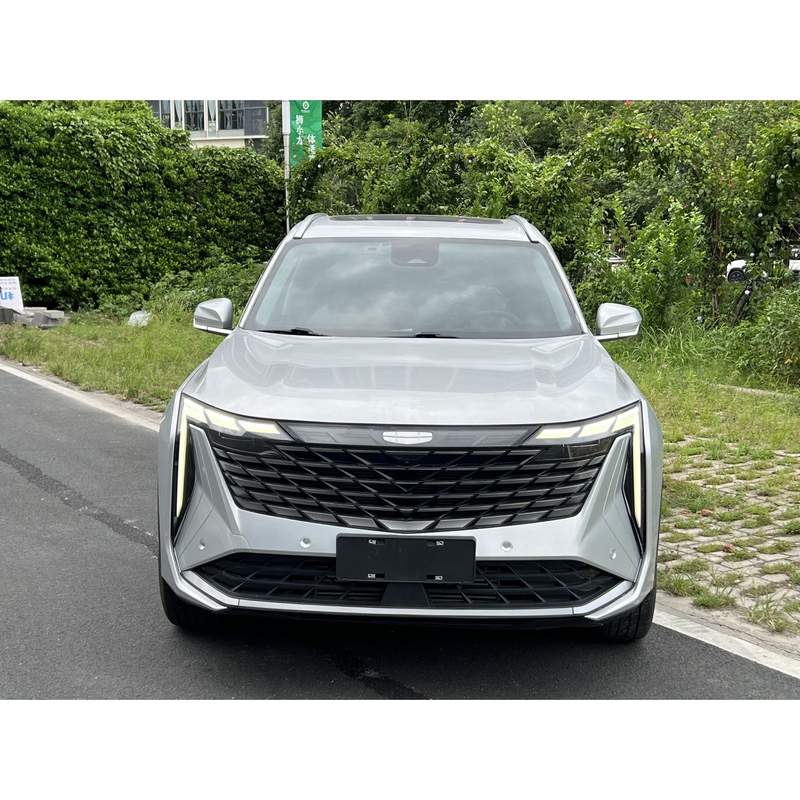
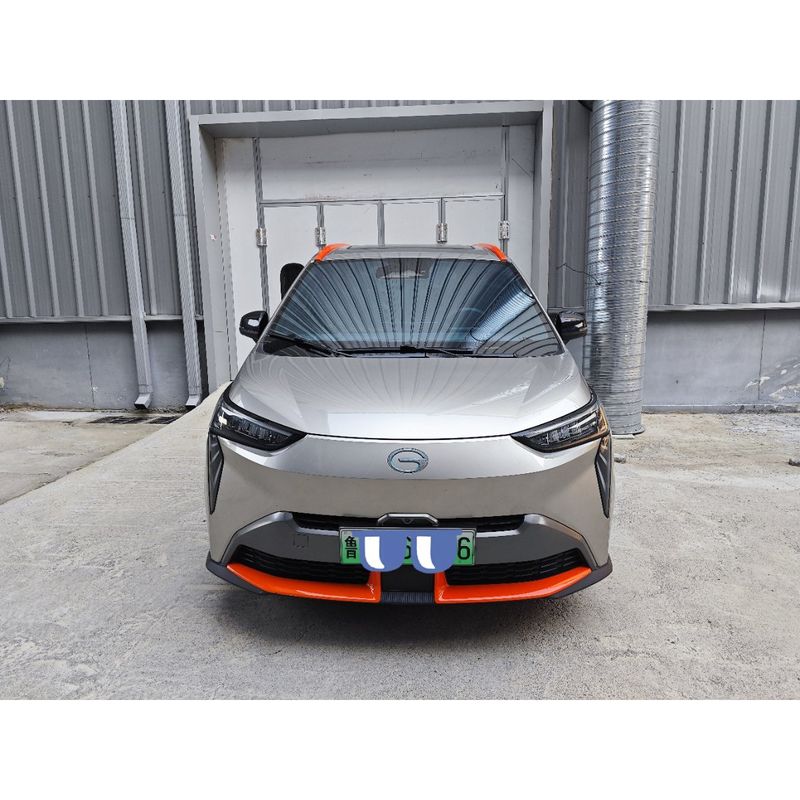
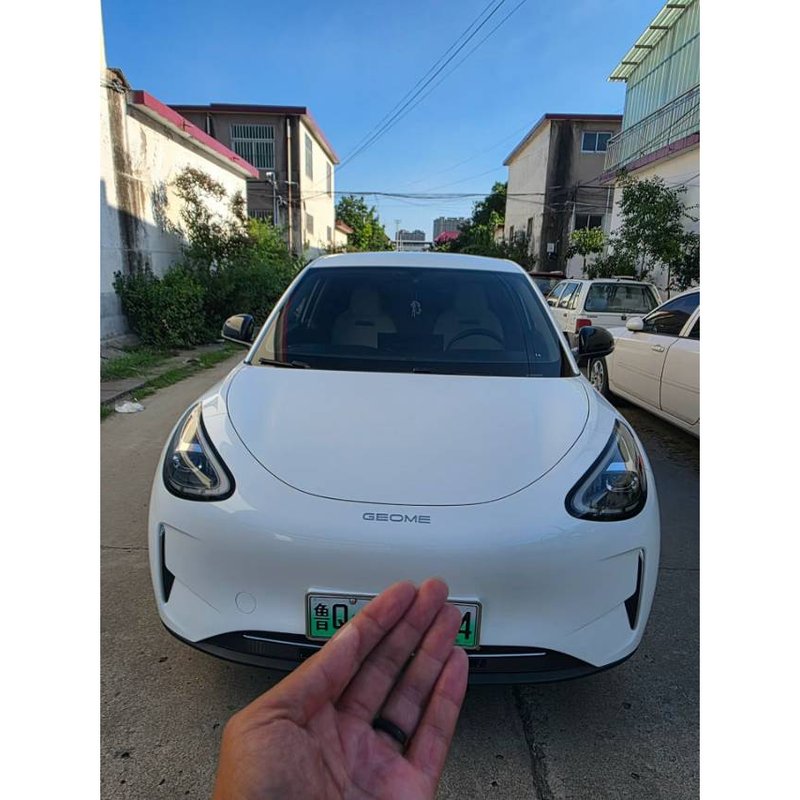
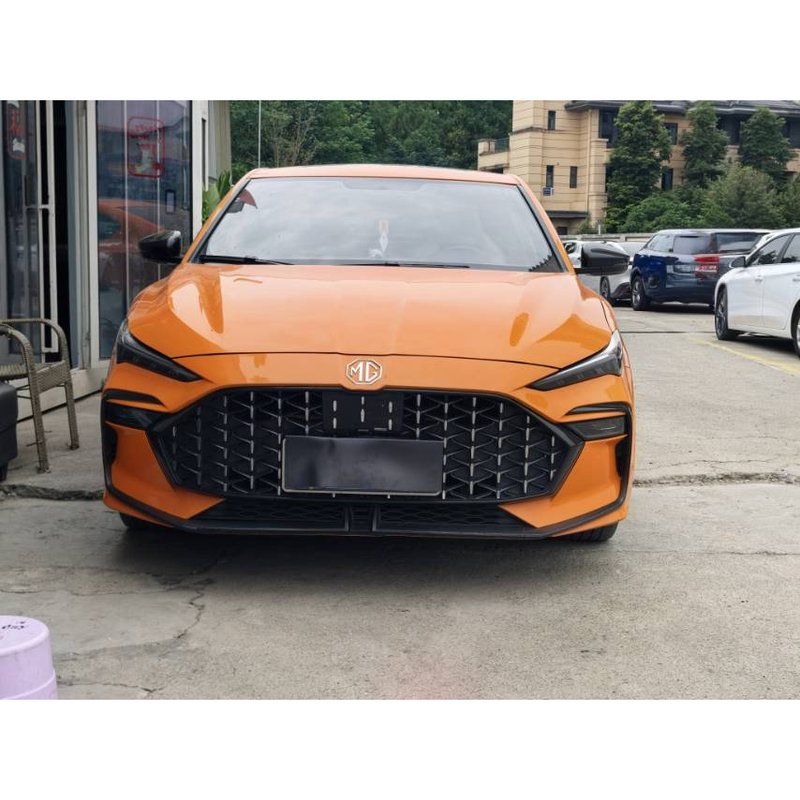
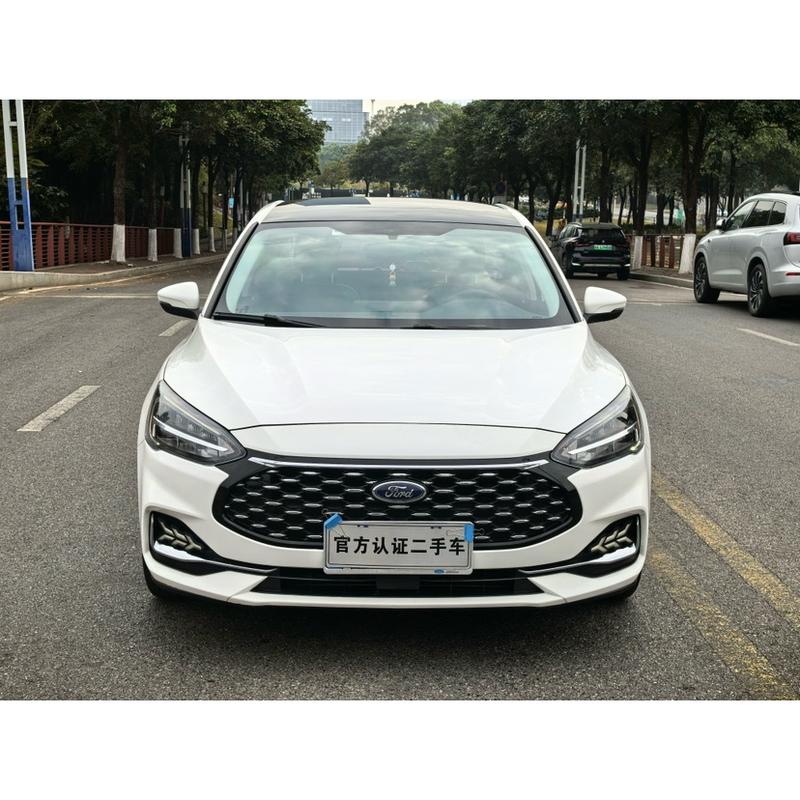
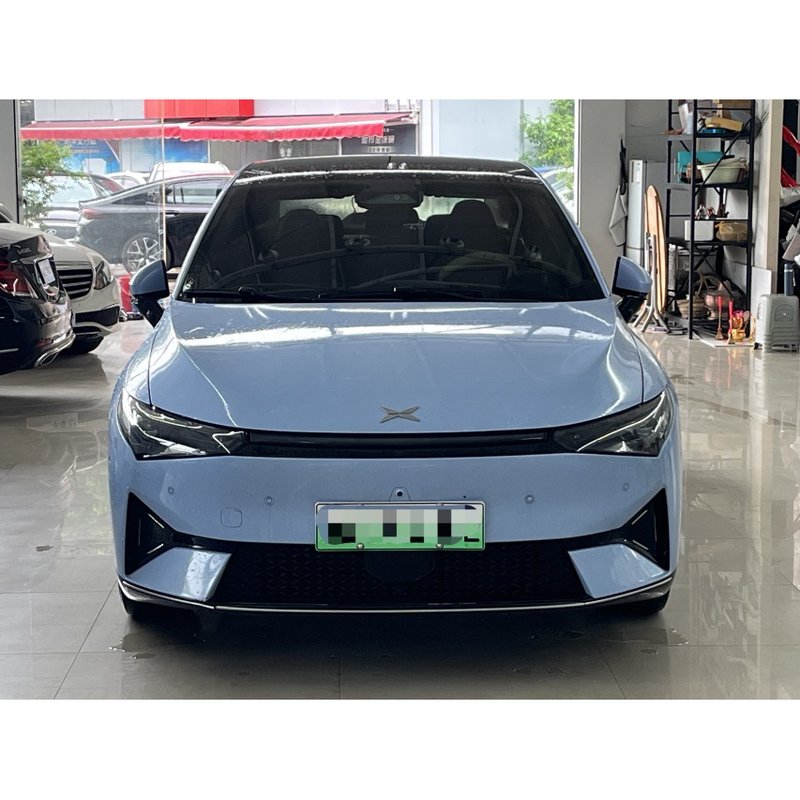

used vs pre owned car know key differences today
When considering the purchase of a vehicle, many buyers encounter the terms “used” and “pre-owned.” While these terms may seem interchangeable at first glance, they carry distinct meanings that can significantly impact a buyer’s decision. Understanding the differences between used and pre-owned cars is essential for anyone navigating the automotive market, especially in the context of a robust supply chain like that of jh-usedcar.com, a well-known used car wholesaler in China.
The term “used car” typically refers to any vehicle that has had one or more previous owners. These vehicles can range in condition, mileage, and age, making them a diverse category. Used cars may show signs of wear and tear, and their maintenance history can vary widely, depending on how previous owners treated the vehicle. Often, used cars are sold as-is, meaning that the buyer assumes responsibility for any repairs or issues that may arise after the purchase.

On the other hand, the term “pre-owned car” is often used to denote vehicles that have undergone a more rigorous inspection and often come with a certified pre-owned program. These cars are usually newer models that have been leased or owned for a short time. They typically have lower mileage compared to their used counterparts and often come with a warranty or guarantee from the manufacturer or dealership. Pre-owned vehicles are usually in better condition and have undergone repairs to bring them up to a certain standard, making them a more reliable option for buyers looking for peace of mind.
When evaluating the differences between these two categories, several key factors come into play: condition, warranty, price, and financing options. Condition is perhaps the most notable distinction. Pre-owned cars are often subject to stricter quality checks, ensuring they meet certain standards before being sold. This means that buyers can expect less wear and tear, fewer mechanical issues, and a more aesthetically pleasing vehicle.
Warranties play a significant role in the decision-making process as well. Pre-owned cars often come with limited warranties or extended service contracts that provide additional protection for the buyer. This can be an attractive feature for those who may not have the skills or resources to handle unexpected repairs. In contrast, used cars typically do not come with any warranty, leaving the buyer exposed to potential risks.

Price is another critical difference. Pre-owned cars are usually priced higher than their used counterparts due to their better condition and the added benefits of warranties. However, this higher price can be justified by the potential savings on future repairs and the peace of mind that comes from purchasing a vehicle that has been thoroughly inspected. For budget-conscious buyers, used cars may seem more attractive at first glance, but it is essential to consider the long-term costs associated with potential repairs.
Financing options can also differ significantly between used and pre-owned vehicles. Many dealerships that sell pre-owned cars offer flexible financing solutions, including lower interest rates and longer loan terms. This can make purchasing a pre-owned vehicle more accessible for buyers who may need financial assistance. In contrast, financing for used cars may come with higher interest rates and less favorable terms, making it a less appealing option for those looking to manage their budgets effectively.
Another factor to consider is depreciation. New cars lose value rapidly in their first few years of ownership, while used cars have already undergone significant depreciation. Pre-owned cars, being newer than typical used vehicles, will still depreciate but at a slower rate compared to new cars. Buyers considering their long-term investment should factor this into their decision-making process.
For businesses like jh-usedcar.com, understanding these distinctions is crucial in catering to a diverse customer base. The company has built an excellent used car supply chain that allows it to offer both used and pre-owned vehicles, each with its own advantages. By providing a wide range of options, jh-usedcar.com can meet the varying needs and preferences of consumers looking for quality vehicles at competitive prices.
Moreover, the supply chain’s efficiency ensures that buyers can access detailed information about each vehicle’s history, condition, and any warranties that may be available. This transparency helps build trust with customers, allowing them to make informed decisions based on their unique requirements.
In the competitive landscape of the automotive market, it is essential for buyers to be well-informed about the differences between used and pre-owned cars. By understanding the nuances between these categories, consumers can better navigate their options and make purchases that align with their needs and budgets. Whether opting for a used car or a pre-owned vehicle, knowledge is power in the quest for a reliable and satisfactory automotive experience.


