


Used Vehicles 2023 Export Market Conditions
As a vehicle inspection engineer working for a Chinese used car export company, I see overseas dealer demand changing through stricter quality expectations and more professional purchasing decisions. The market for used vehicles 2023 has shown that buyers are no longer focused only on price. Dealers in Africa, the Middle East, Southeast Asia and other regions increasingly require reliable vehicles with verified records, accurate condition reports and transparent preparation processes before shipment.
Before any vehicle leaves China through export channels such as Guangzhou Nansha Port, our inspection team carries out a detailed assessment covering mechanical condition, safety history and appearance quality. The purpose is to provide overseas partners with vehicles that match local market standards and reduce unexpected repair costs after arrival. Each inspection report becomes an important reference for international dealers during purchasing and stock planning.
Engine Condition Inspection Before Vehicle Export
The engine inspection begins with a visual examination of oil leaks, coolant systems, belts, wiring and signs of previous repairs. A vehicle may look attractive from the outside, but engine performance determines long term reliability. Engineers check engine starting behaviour, idle stability, abnormal sounds, exhaust emissions and operating temperature to identify possible problems.
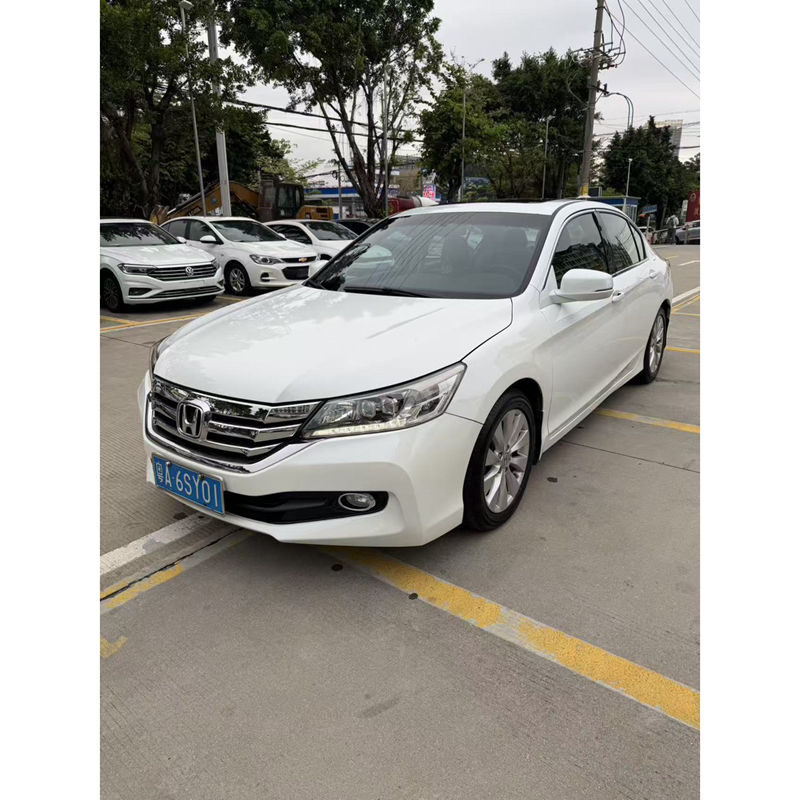
For petrol and diesel vehicles, diagnostic equipment is used alongside physical checks to review fault codes and operating data. We examine whether maintenance records match the current engine condition and whether important components have been replaced correctly. Vehicles with serious overheating issues, internal engine damage or unclear repair histories are usually rejected or require further technical evaluation before export approval.
Transmission Performance and Driving Assessment
Transmission inspection is another important stage because gearbox problems can create expensive repairs for overseas customers. Automatic, manual and dual clutch systems are tested differently according to their design. Engineers check gear changes, acceleration response, shifting smoothness and unusual vibration during road testing.
A complete driving assessment allows inspectors to evaluate the vehicle under realistic conditions. We record steering response, braking performance, suspension behaviour and drivetrain operation. For exported used cars, this process helps ensure that dealers receive vehicles suitable for immediate retail preparation rather than units requiring major mechanical work after delivery.
Battery Health Checks for New Energy Vehicles
The growth of electric and hybrid exports has increased the importance of battery inspection. As a new energy vehicle specialist within the inspection process, we evaluate battery capacity, charging performance, remaining health percentage and thermal management condition. Battery diagnostic systems provide detailed information about cell balance, voltage consistency and historical usage patterns.
Electric vehicle buyers overseas pay close attention to battery condition because replacement costs can be significant. A professional inspection report includes battery health data, charging tests and system fault checks. We also examine electric motors, power control units and charging interfaces to confirm that new energy vehicles can operate effectively in their destination markets.

Accident History, Mileage Verification and Exterior Quality Control
Accident history verification protects overseas dealers from purchasing vehicles with hidden structural problems. Inspectors examine chassis areas, repair marks, welding points, airbag systems and body alignment. Paint thickness measurement tools help identify areas that may have received repainting after collisions. Vehicles with major structural damage are removed from export selection.
Mileage verification is completed through multiple sources, including dashboard records, electronic control units, service information and wear analysis of key interior components. Comparing mileage data with steering wheel condition, pedal wear and maintenance history helps identify possible inconsistencies. Accurate mileage information allows overseas dealers to price vehicles fairly and build customer confidence.
Vehicle Preparation and Export Quality Standards
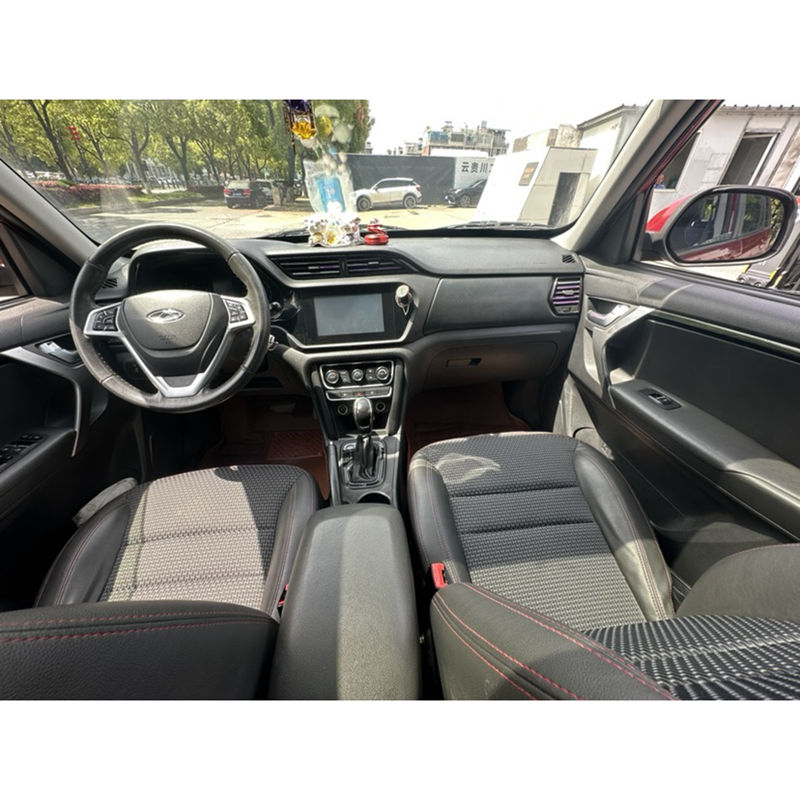
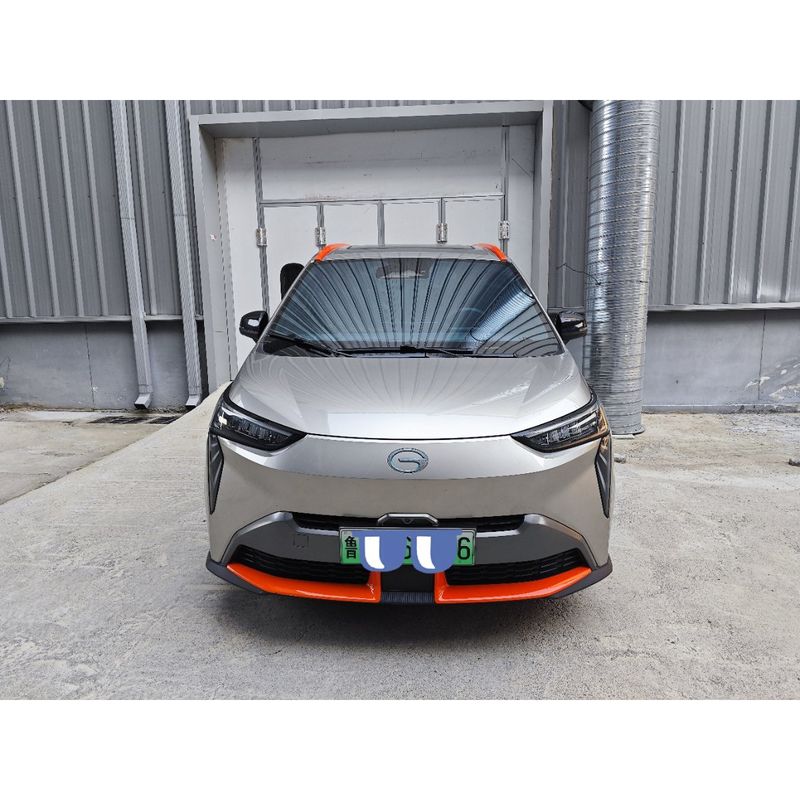
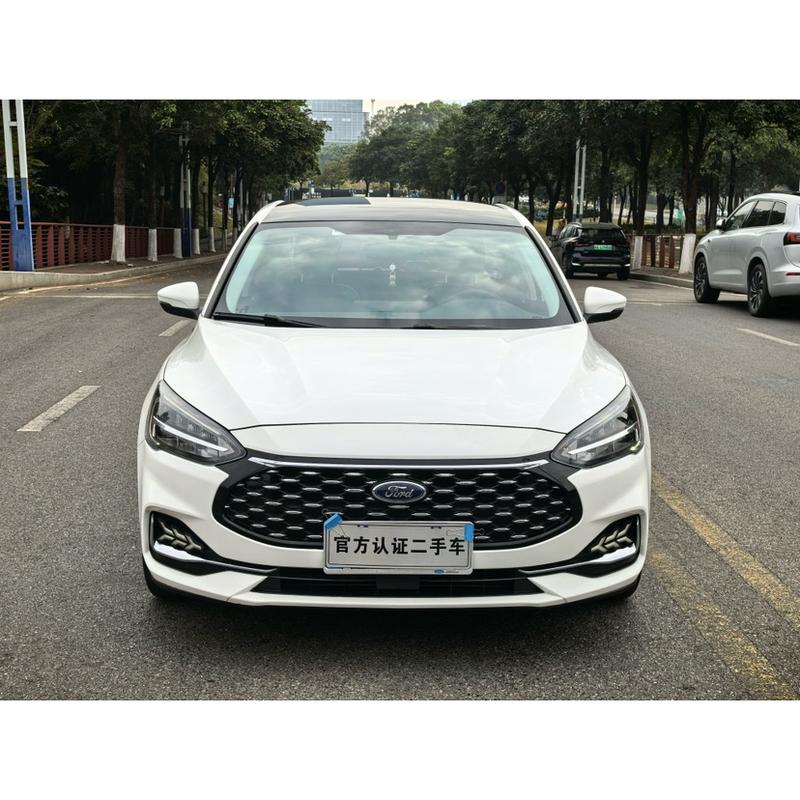
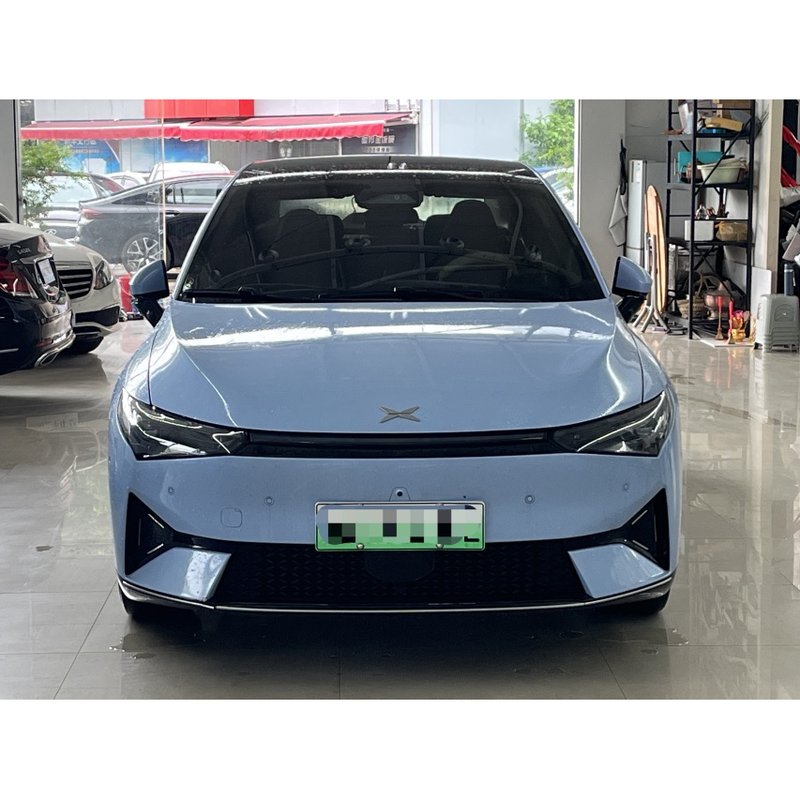
After technical inspection approval, vehicles enter the preparation stage before shipment. Technicians complete cleaning, minor repairs, maintenance checks and photographic documentation. Professional automotive photography provides overseas dealers with clear images of the vehicle exterior, interior, engine bay and important details before transport.
The final export inspection combines engineering evaluation, logistics coordination and documentation review. Customs clearance teams confirm required paperwork, while preparation specialists ensure that vehicles meet shipping requirements. For international dealers, this structured approach creates a dependable supply chain and supports long term cooperation with Chinese exporters. High quality inspection standards remain essential as global buyers continue seeking reliable used vehicles with verified condition and accurate information.