
Used Car Motor Mall Export Planning For Overseas Dealers
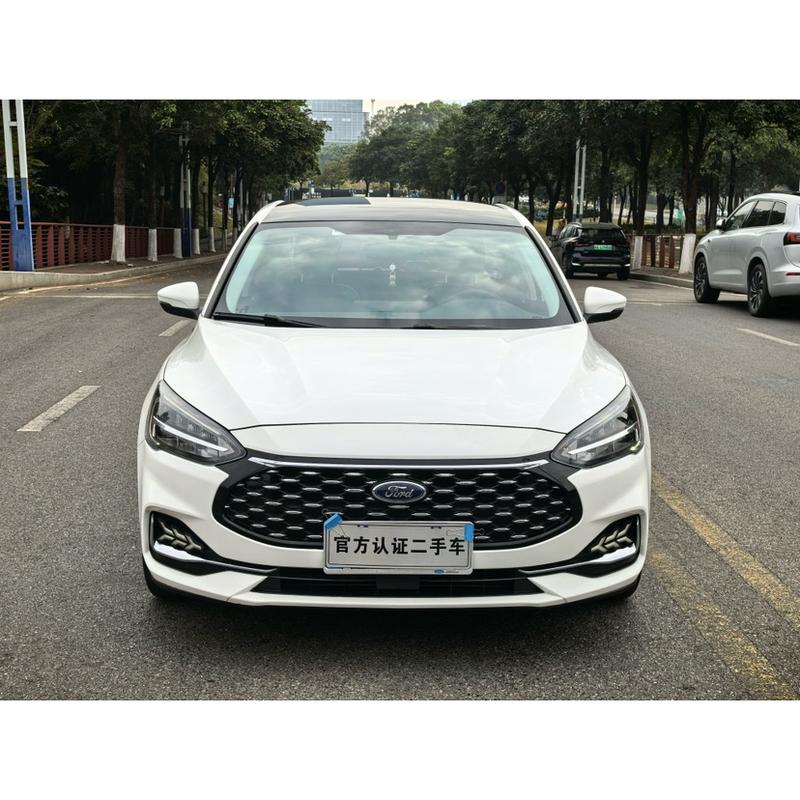
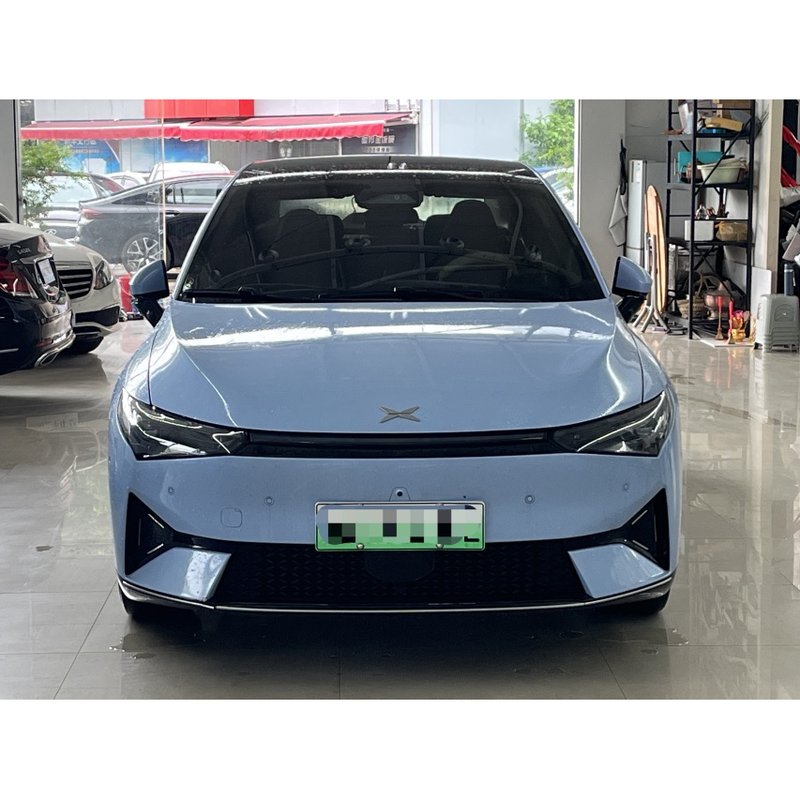
International buyers entering the Chinese used vehicle market need a structured purchasing strategy before placing export orders. A professional used cars motor mall provides access to a broad range of inspected vehicles, but successful importers must first define their target customers, preferred brands, price ranges, and expected sales volume. Overseas dealers should analyse local demand, including fuel type preferences, popular body styles, driving conditions, and government regulations affecting imported vehicles.
Inventory planning begins with balancing variety and turnover speed. Dealers should avoid purchasing vehicles only because they appear inexpensive. A lower purchase price may create additional costs if a model has limited customer demand or requires expensive preparation. Working with experienced export suppliers helps buyers identify vehicles with stable resale value, reliable maintenance records, and suitable specifications for their destination markets.
Vehicle Selection And Quality Inspection Standards
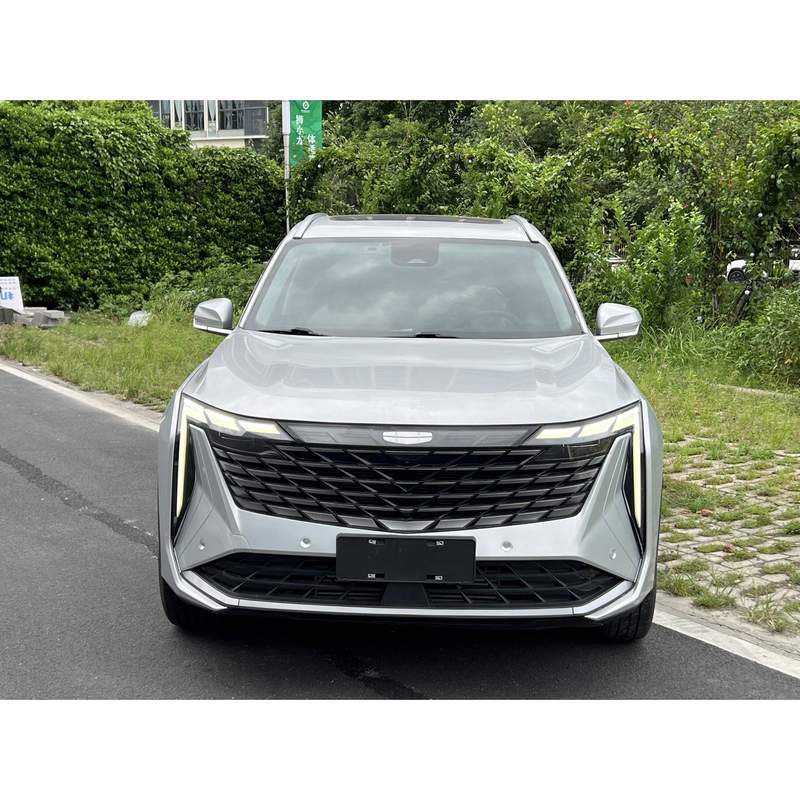
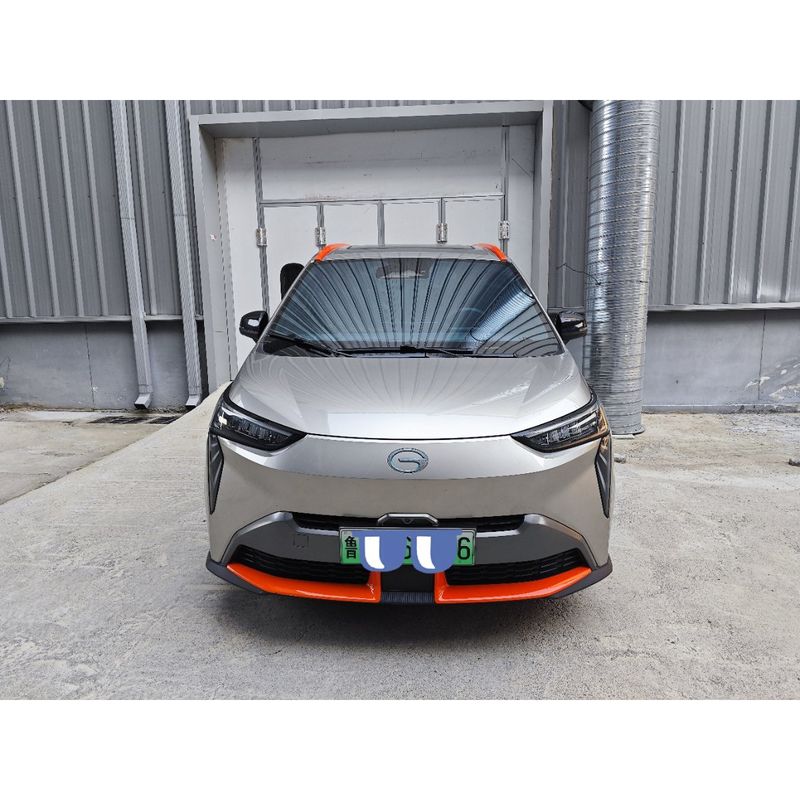
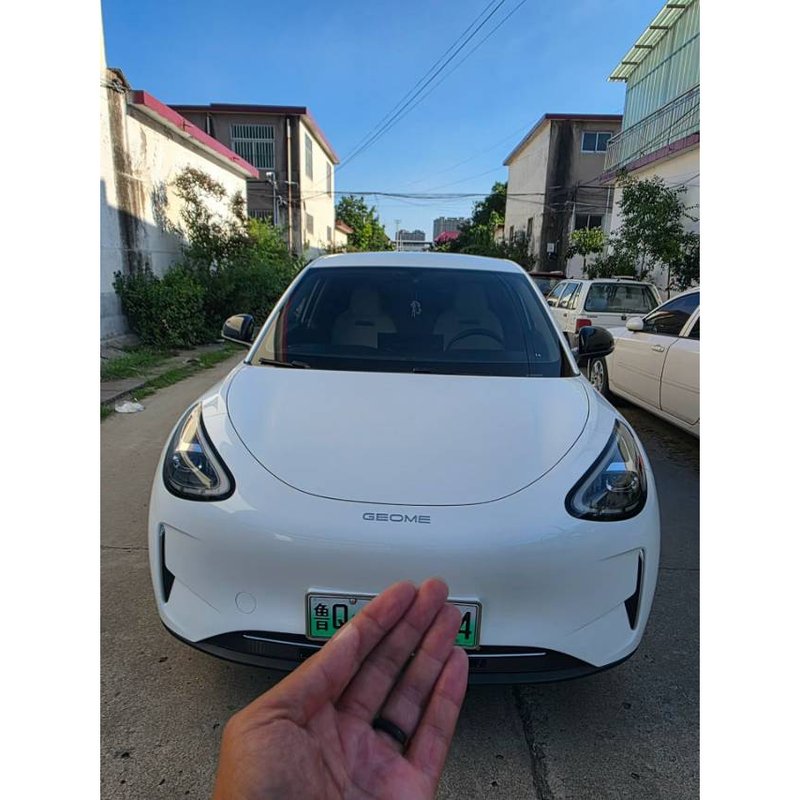
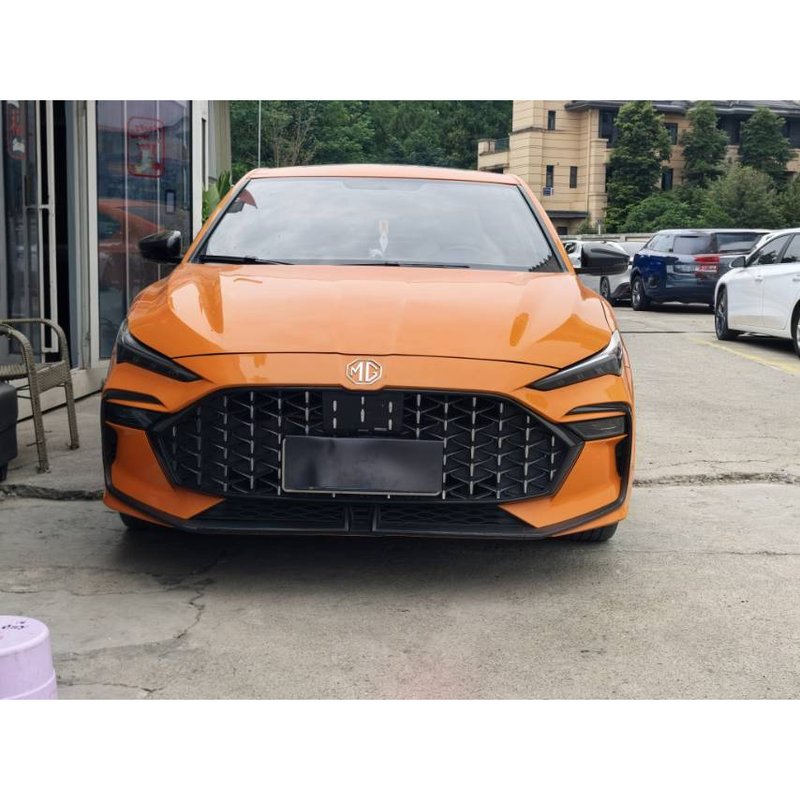
Vehicle selection is a key stage in the export process because quality directly affects dealer reputation overseas. Professional buyers often cooperate with vehicle inspection engineers and automotive quality control teams to assess mileage accuracy, accident history, mechanical condition, battery health, and previous usage records. These checks are especially important for new energy vehicles, where battery performance can influence long term ownership costs.
Electric vehicle buyers should request detailed battery reports, charging compatibility information, and system diagnostics before completing transactions. For traditional vehicles, inspection should cover engine condition, transmission performance, suspension systems, interior wear, and electronic functions. A reliable used cars motor mall will normally provide inspection documentation, photographs, and vehicle information that support confident purchasing decisions for international dealers.
Export Procedures And Documentation Management
The export process requires careful coordination between suppliers, logistics companies, customs specialists, and overseas buyers. After selecting vehicles, exporters normally prepare sales contracts, vehicle certificates, inspection documents, customs declarations, and shipping arrangements. International dealers should confirm that all paperwork matches the import requirements of their destination country before vehicles leave China.
Ports such as Guangzhou Nansha Port provide important logistics connections for used vehicle exports. Experienced logistics coordinators arrange transportation, container loading, vessel schedules, and customs clearance procedures to reduce delays. Buyers should maintain clear communication with suppliers throughout this stage because documentation mistakes or incomplete compliance checks can increase storage fees and affect delivery timelines.
Cost Control Strategies For Used Vehicle Imports
Effective cost management involves more than negotiating the vehicle purchase price. Overseas dealers must calculate the complete import cost, including inspection fees, domestic transport, export services, shipping charges, insurance, customs duties, taxes, and local preparation expenses. A detailed cost model allows buyers to set realistic retail prices and protect profit margins.
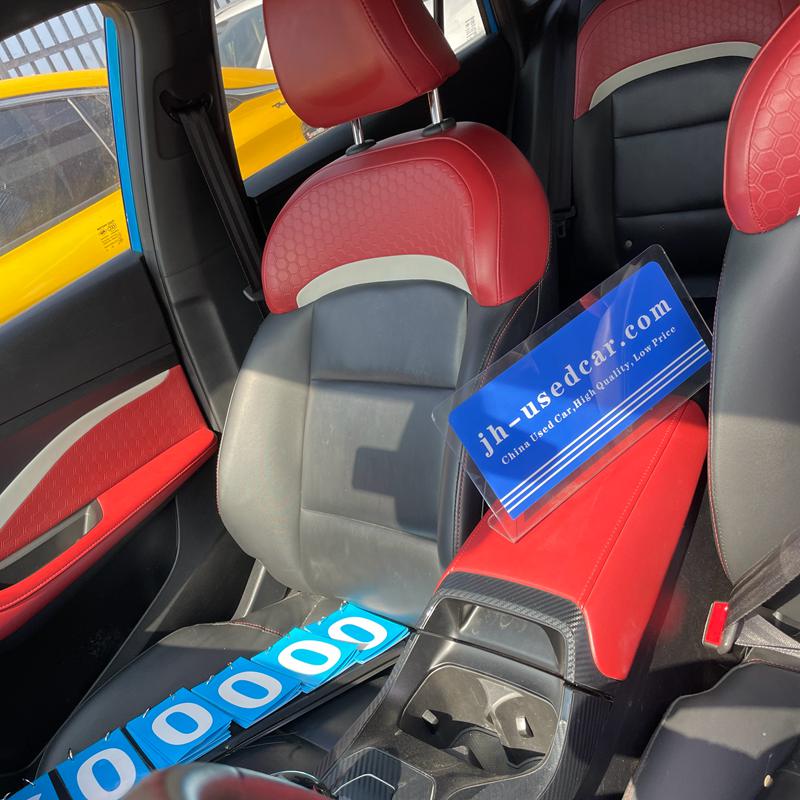
Purchasing multiple vehicles in planned batches can reduce logistics costs, but excessive inventory can create financial pressure. Dealers should monitor market trends and adjust buying decisions according to seasonal demand. Automotive market research analysts often recommend starting with proven models, collecting customer feedback, and expanding inventory gradually after establishing reliable sales channels.
Building Reliable China Export Partnerships
Long term success in international used car trading depends on strong cooperation between overseas dealers and Chinese export partners. A dependable supplier should provide transparent vehicle information, consistent inspection standards, professional photography, and efficient after-sales communication. These services help foreign buyers present accurate vehicle details to their customers and reduce disputes after delivery.
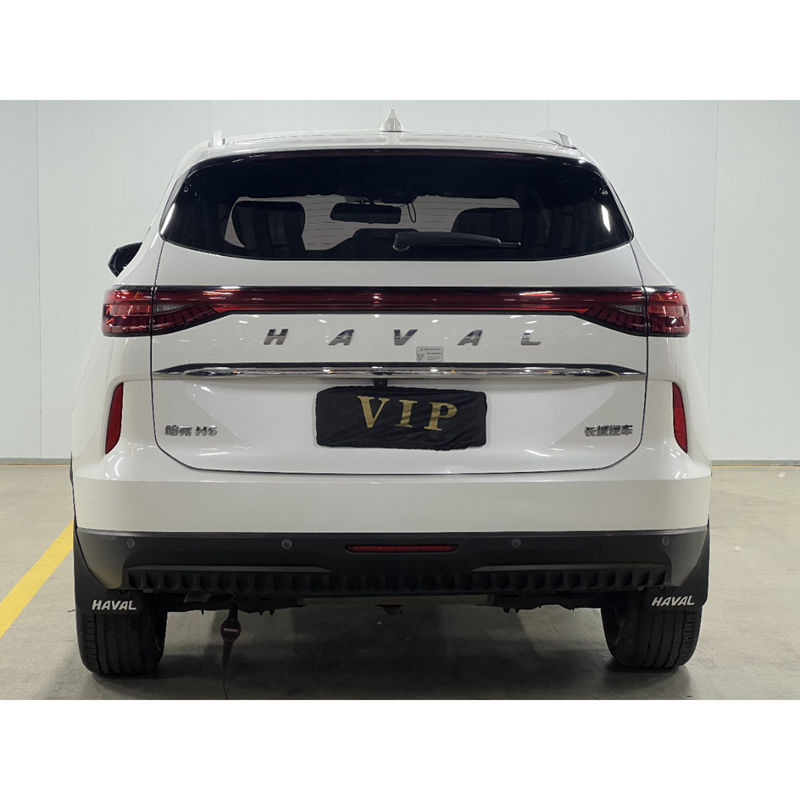
Overseas dealer development managers also benefit from visiting suppliers, reviewing warehouse operations, and learning how vehicles are prepared before shipment. Automotive photography specialists, maintenance technicians, and preparation teams contribute to improving the final presentation of exported vehicles. A well-organised partnership allows dealers to build a competitive supply chain and respond quickly to changing customer needs.
Future Opportunities In International Used Vehicle Trade
The global demand for affordable and reliable vehicles continues to create opportunities for professional importers. Chinese vehicle supply networks now include traditional passenger cars, commercial vehicles, and advanced electric models with competitive technology. Dealers who understand purchasing strategies, quality assessment, and export procedures can develop stronger market positions in their regions.
Success requires careful research, disciplined spending, and attention to customer expectations. By selecting suitable vehicles, controlling every stage of the export process, and cooperating with experienced automotive professionals, international buyers can create sustainable business growth through Chinese used vehicle imports.


