


“content_html”: “
Skoda Used Cars and International Market Valuation
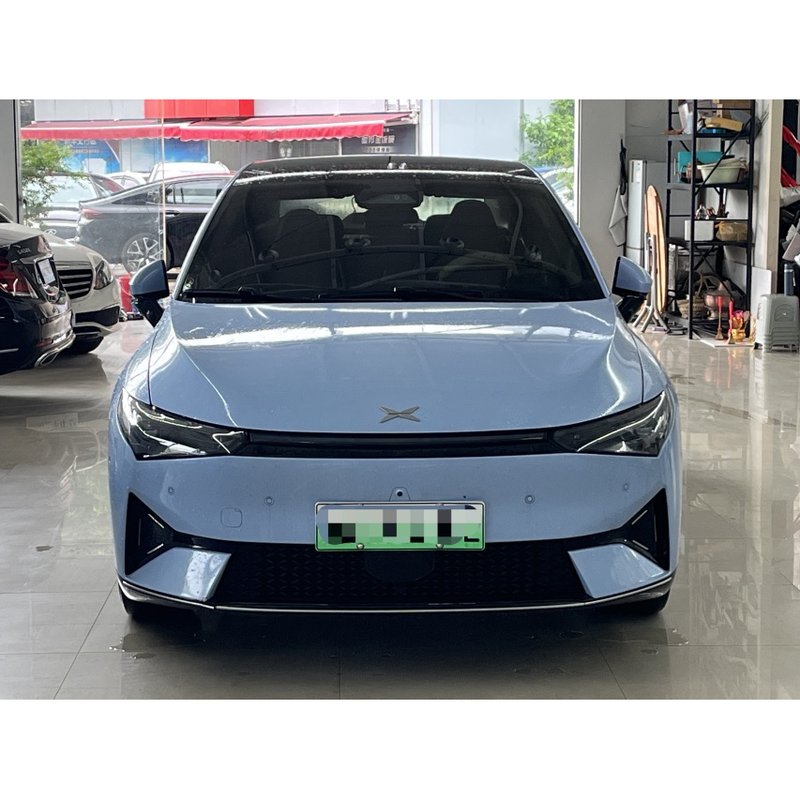
For international buyers sourcing Skoda used cars from Guangzhou, an accurate valuation requires more than checking the advertised price. As a used car appraisal specialist, I assess each vehicle against its brand reputation, model year, mileage, mechanical condition, specification, maintenance history and suitability for the destination market. These factors determine both its purchase value in China and its potential resale performance overseas. A well maintained Skoda Octavia, for example, may appeal to fleet operators and family car dealers seeking practical transport, while a Superb with a higher specification can attract buyers looking for additional comfort and equipment.
Brand recognition and model popularity influence demand, but their effect varies between countries. Buyers in markets where Skoda parts and servicing are readily available may place greater value on established models with familiar mechanical systems. In other destinations, limited dealer support, unfamiliar specifications or restrictions on imported vehicles can reduce demand. I therefore compare recent transactions, available export stock and local market prices rather than applying a single valuation formula to every vehicle. Exchange rates, shipping charges, import duties and registration costs must also be considered before deciding whether a proposed purchase represents sound commercial value.
Model Year, Mileage and Vehicle Condition
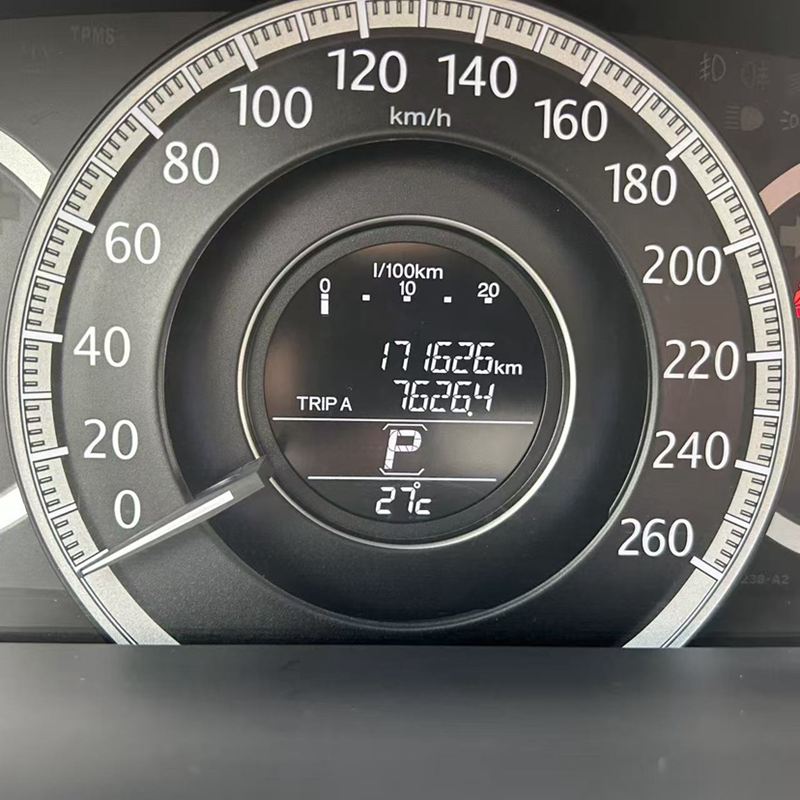
Model year establishes the starting point for appraisal because vehicle age affects depreciation, expected maintenance expenditure and eligibility for importation. However, two Skoda vehicles registered in the same year can have noticeably different market values. A relatively recent vehicle with a documented service history and modest mileage will generally attract stronger interest than one with extensive use, inconsistent maintenance or signs of previous accident damage. Mileage should be checked against service invoices, inspection records and the condition of the steering wheel, pedals, seats and other frequently used components. Electronic diagnostic readings and available vehicle history information can provide additional evidence where discrepancies arise.
Physical and mechanical inspections establish how much preparation a vehicle may require before export. The appraisal should cover engine performance, transmission operation, braking efficiency, suspension wear, tyre condition, bodywork, paint consistency, corrosion and evidence of structural repairs. Warning lights, fluid leaks and unusual noises require investigation rather than optimistic assumptions. Air conditioning, electrical systems, safety equipment and driver assistance features should also be tested. Repair estimates are then deducted from the indicative market value where appropriate. A vehicle with cosmetic scratches may remain commercially attractive, whereas hidden structural damage or unresolved engine faults can materially affect its resale prospects and expose the importer to substantial after-sales costs.
Configuration, Maintenance Records and Battery Health
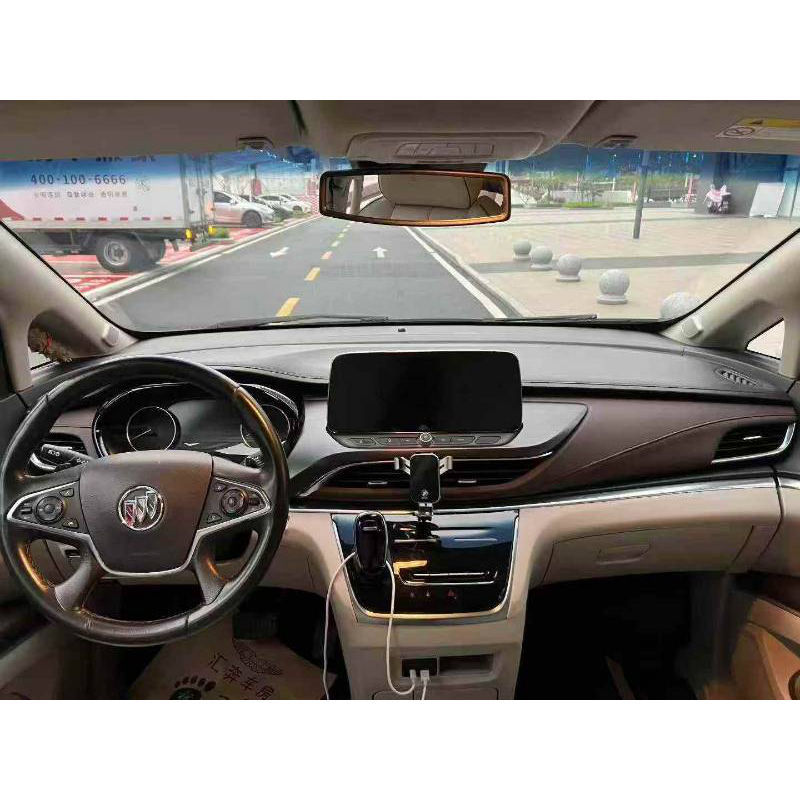
Configuration influences the price that overseas dealers are prepared to pay. Trim level, engine capacity, transmission type, fuel economy, upholstery, infotainment functions, safety equipment and regional specification can distinguish otherwise similar Skoda vehicles. Features that appeal to buyers in one country may have little value in another, particularly where navigation systems, connected services or emissions specifications are incompatible with local requirements. I verify the actual equipment fitted to the vehicle instead of relying solely on the original model description. Maintenance records add further confidence by showing whether scheduled servicing, replacement parts and significant repairs have been completed at appropriate intervals.
Electric and hybrid vehicles require additional checks where relevant to the selected Skoda model. For an electric vehicle, battery state of health, charging performance, diagnostic fault codes and the availability of suitable charging connectors should be assessed. Battery condition can influence the vehicle’s remaining useful life, resale value and warranty considerations. For conventional petrol or diesel models, attention should instead focus on engine condition, transmission servicing and emissions related components. Complete records, consistent mileage evidence and a transparent inspection report make pricing easier to justify to overseas customers and help reduce disagreements after delivery.
Essential Customs Documents for International Buyers
Once the vehicle has been appraised and a purchase agreement reached, export documentation must be prepared accurately. Typical documents include the commercial invoice, sales contract, packing list where required, export declaration, transport document and the relevant vehicle ownership or registration records. The bill of lading is generally issued for sea freight and records the shipment details. Depending on the transaction and destination, the buyer may also need a certificate of origin, inspection certificate, proof of deregistration, insurance documents or other supporting paperwork. Requirements differ by importing country, so the document checklist should be confirmed with the destination customs authority and the appointed customs broker before the vehicle leaves China.
For shipments through Guangzhou Nansha Port, the exporter and logistics coordinator should ensure that the vehicle identification number, make, model, year, declared value and consignee details match across the invoice, export declaration and shipping records. Discrepancies can trigger customs queries, documentary amendments, storage charges or delayed release. The importer should confirm whether the destination requires an age limit, emissions compliance evidence, roadworthiness inspection, left hand or right hand drive compatibility, or pre shipment approval. Customs duties, value added tax and other import charges must be calculated using the rules and valuation methods applicable in that jurisdiction. A certificate of origin should only be supplied where its issuance and use are supported by the relevant trade rules.
Export Pricing and Commercial Risk Control
Professional export pricing connects the vehicle’s inspected condition with its realistic overseas selling potential. I establish an indicative purchase value, account for necessary repairs and preparation, and then compare the resulting landed cost with achievable prices in the target market. Freight, port handling, documentation, insurance, customs charges and local registration expenses can change the commercial outcome considerably. A low purchase price does not necessarily indicate a profitable deal if the vehicle requires expensive repairs or faces restrictive import rules.
Before confirming an order, international dealers should receive clear inspection findings, photographs, mileage evidence, maintenance documentation and a breakdown of the costs that can reasonably be estimated. The final quotation should distinguish the vehicle price from export preparation, shipping and destination charges, with responsibility for customs clearance stated in the agreed sales terms. For repeat purchases, comparing appraisal reports and post arrival feedback helps buyers refine their sourcing criteria. This disciplined approach enables businesses to select suitable Skoda used cars, prepare compliant export shipments and build more predictable trading relationships with suppliers in Guangzhou.
“,
“tags”: [
“Skoda used cars”,
“used car export”,
“vehicle appraisal”,
“customs documents”,
“Guangzhou Nansha Port”
]
}