
Select quality secondary market vehicle supplier for business
Selecting quality secondary market vehicle suppliers is a fundamental aspect of establishing a successful used car business. As a well-known used car wholesaler in China, jh-usedcar.com understands the importance of a robust supply chain. A well-structured supply chain not only ensures a steady flow of vehicles but also enhances the overall quality of the inventory, which ultimately impacts customer satisfaction and profitability.
The secondary market for vehicles is vast and diverse, encompassing a wide range of suppliers, from individual sellers to large dealerships. To navigate this landscape effectively, it is crucial to identify and select suppliers that align with the business’s goals and standards. The selection process begins with conducting thorough market research to identify potential suppliers. This research should include an analysis of their reputation, reliability, and the quality of vehicles they offer.

One of the key factors to consider when selecting a supplier is their track record in the industry. Established suppliers with a history of providing quality vehicles can be more reliable than newer entrants. It is beneficial to seek out suppliers who have been in the business for several years and have built a solid reputation among their peers and customers. This can be achieved through customer reviews, industry ratings, and testimonials.
Quality inspection is another critical component of selecting a used car supplier. A reputable supplier should have a rigorous process in place for inspecting vehicles before they are offered for sale. This includes checking for mechanical issues, evaluating the condition of the exterior and interior, and verifying the vehicle’s history. Suppliers that maintain high standards for quality control are more likely to provide vehicles that meet customer expectations and reduce the risk of post-sale issues.
Furthermore, establishing strong relationships with suppliers can enhance the supply chain. Building trust and open communication with suppliers can lead to better negotiations, preferential pricing, and priority access to high-demand vehicles. Regular visits to suppliers’ facilities can foster these relationships and provide deeper insights into their operations and inventory. This engagement not only strengthens the business relationship but also allows for real-time feedback and adjustments based on market trends.

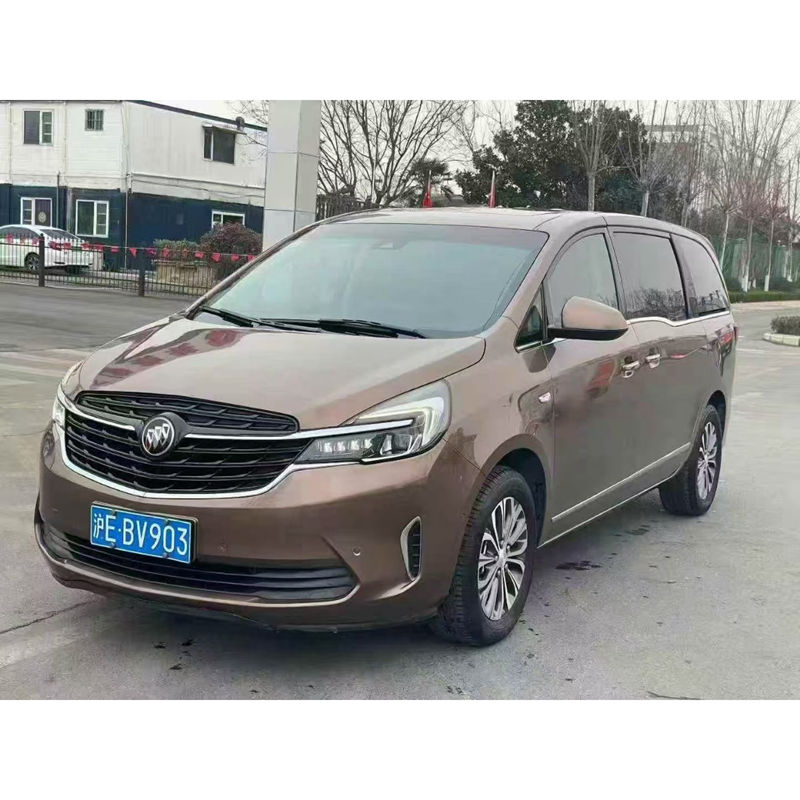
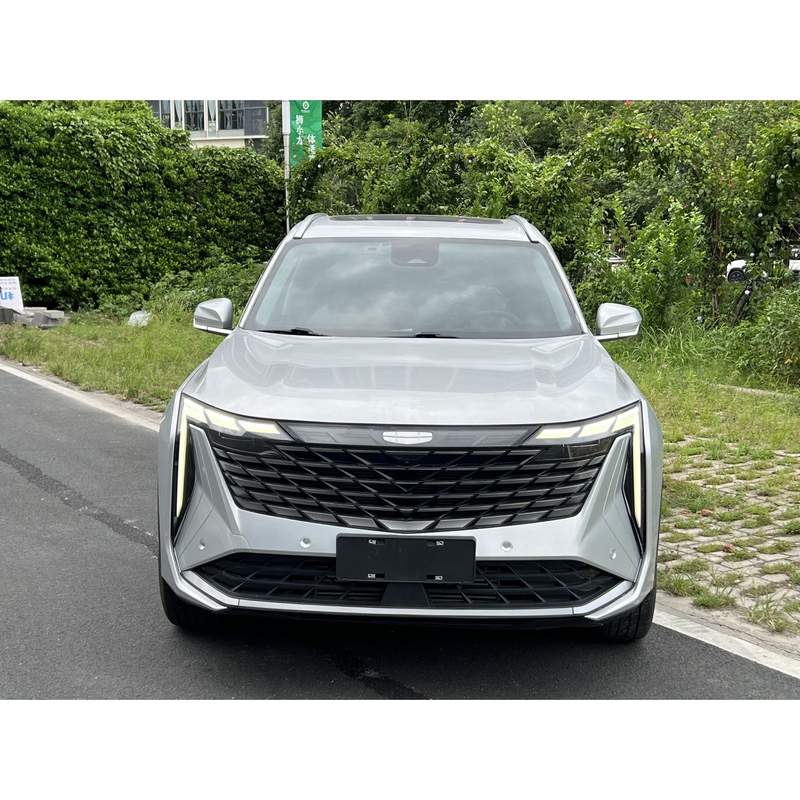
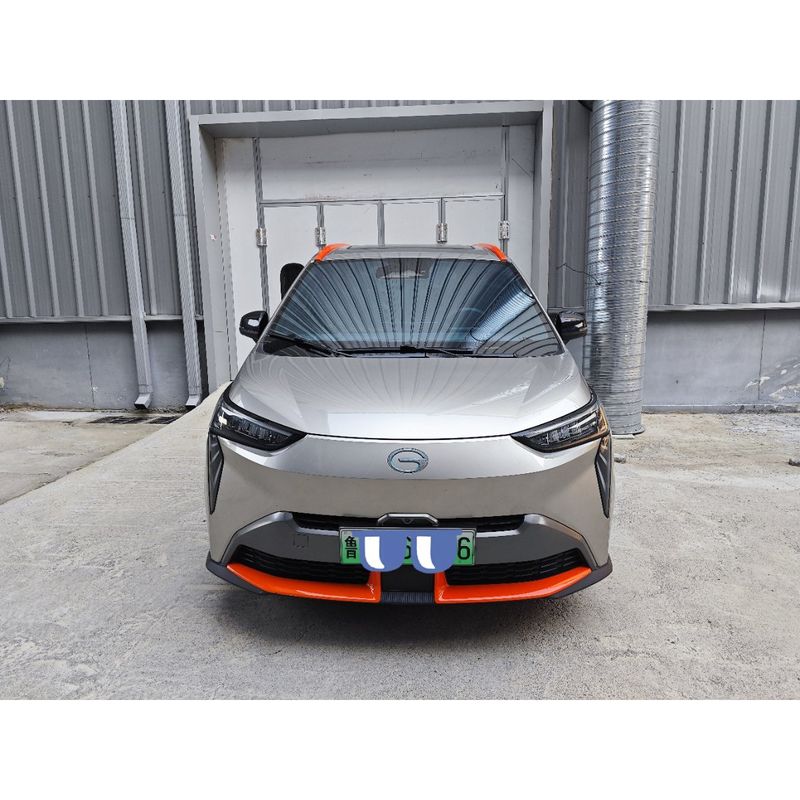
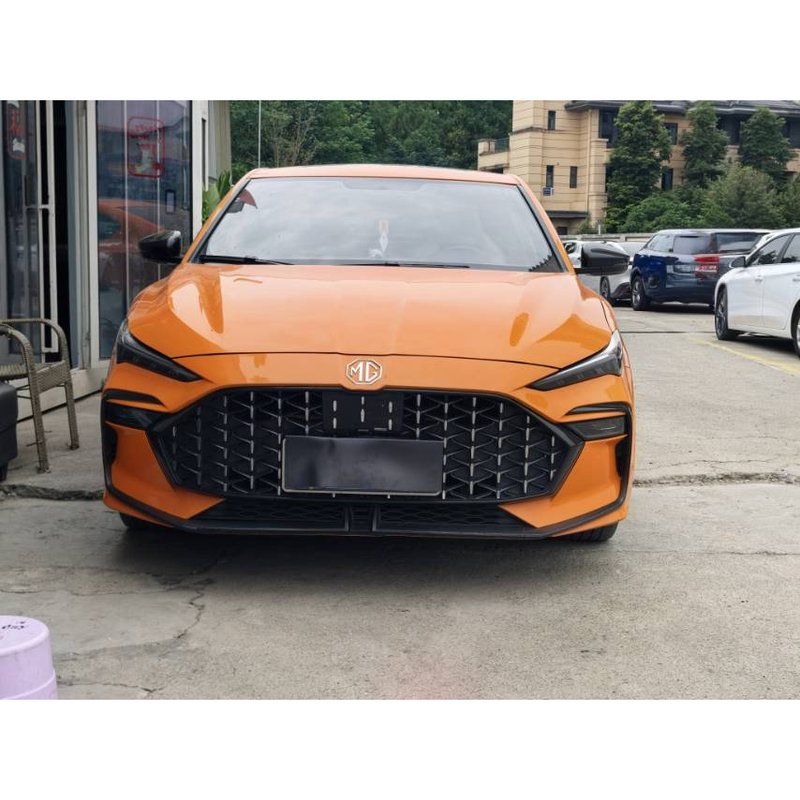
Another important aspect of supplier selection is the diversity of the vehicle offerings. A supplier that offers a wide range of vehicle makes and models can provide a more comprehensive inventory for the wholesaler. This diversity can attract a broader customer base and meet varying consumer preferences. Additionally, it can help mitigate risks associated with market fluctuations. For example, if demand for a particular vehicle type decreases, having a diverse inventory allows the business to pivot and focus on more in-demand vehicles.
Pricing is a significant consideration when selecting suppliers. Competitive pricing structures can directly affect the wholesaler’s margins and overall profitability. It is essential to conduct market comparisons to ensure that the pricing offered by suppliers is in line with industry standards. However, the cheapest option is not always the best. Quality should never be compromised for the sake of lower prices. A supplier that offers high-quality vehicles at a fair price can lead to long-term business success.
Additionally, understanding the logistics involved in vehicle procurement is vital. Suppliers should be able to provide efficient delivery services and reliable transportation solutions. This ensures that vehicles can be delivered promptly to the wholesaler’s location, minimizing downtime and maximizing sales opportunities. A supplier with a well-organized logistics system can streamline the flow of inventory and enhance operational efficiency.
The use of technology in the supply chain cannot be overlooked. Digital platforms for inventory management and supplier communication can improve efficiency and transparency. Utilizing data analytics can also help in making informed decisions when selecting suppliers and managing inventory. Keeping track of market trends, customer preferences, and supplier performance through technology can lead to better strategic planning and execution.
Training and education are also critical components of maintaining a quality supply chain. Regular training sessions for staff on vehicle assessments, negotiation tactics, and customer service can enhance the overall effectiveness of the business. Suppliers who invest in their workforce often demonstrate a commitment to quality, which can reflect positively on the vehicles they offer.
It is also important to consider the after-sales support provided by suppliers. A reliable supplier should offer warranties or guarantees on their vehicles, which can enhance customer trust and satisfaction. Additionally, suppliers that provide ongoing support in terms of maintenance and service can create a more seamless experience for both the wholesaler and the end customer.
Selecting quality secondary market vehicle suppliers is a multifaceted process that requires careful consideration of various factors. From conducting thorough market research and quality inspections to fostering strong relationships and leveraging technology, each step plays a crucial role in building a successful used car supply chain. By prioritizing these elements, jh-usedcar.com can continue to thrive in the competitive landscape of the used car market in China and beyond.