
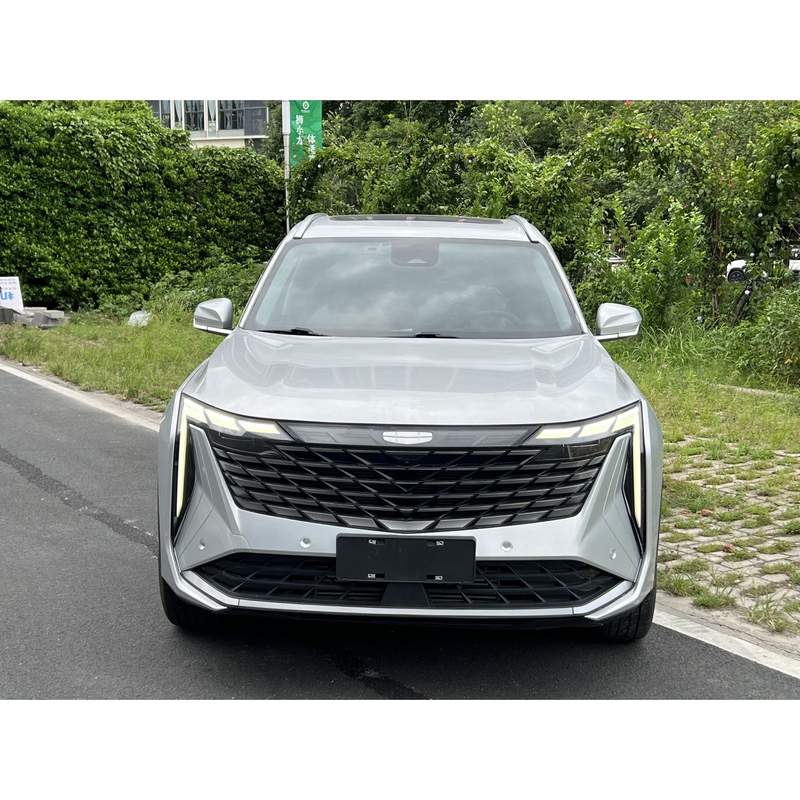
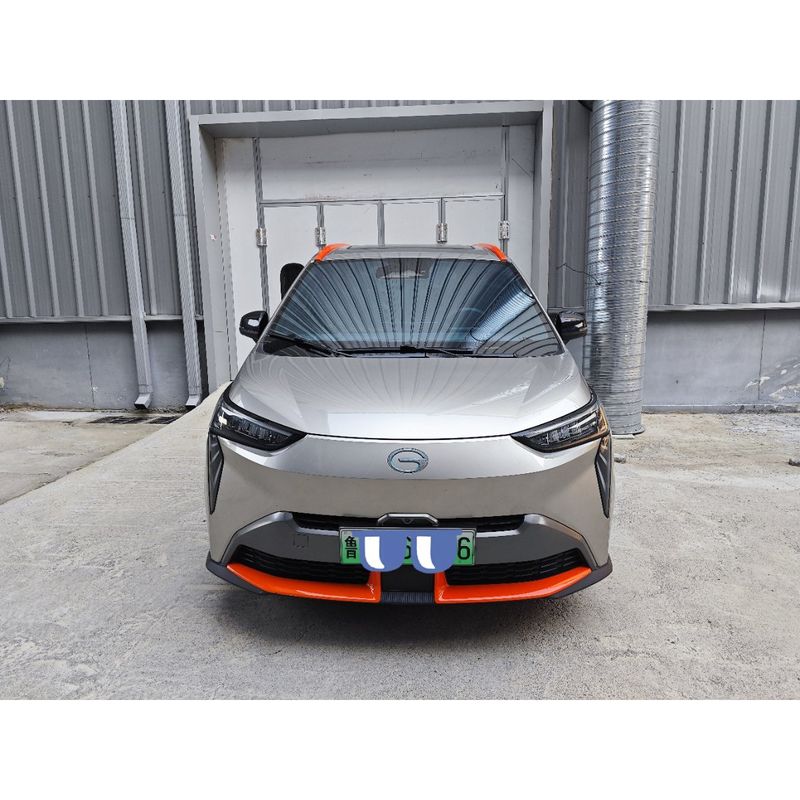


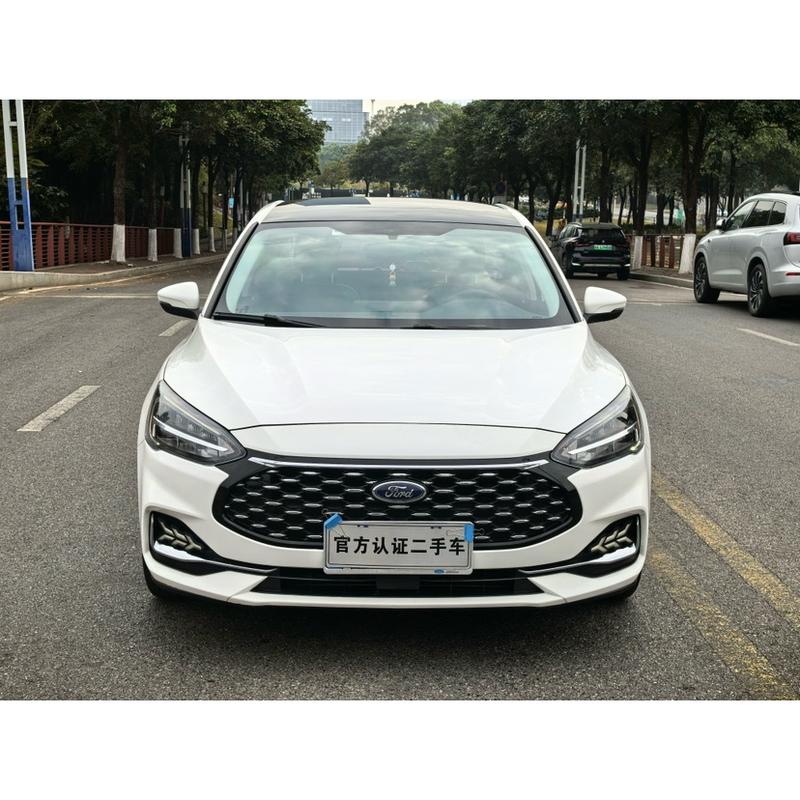
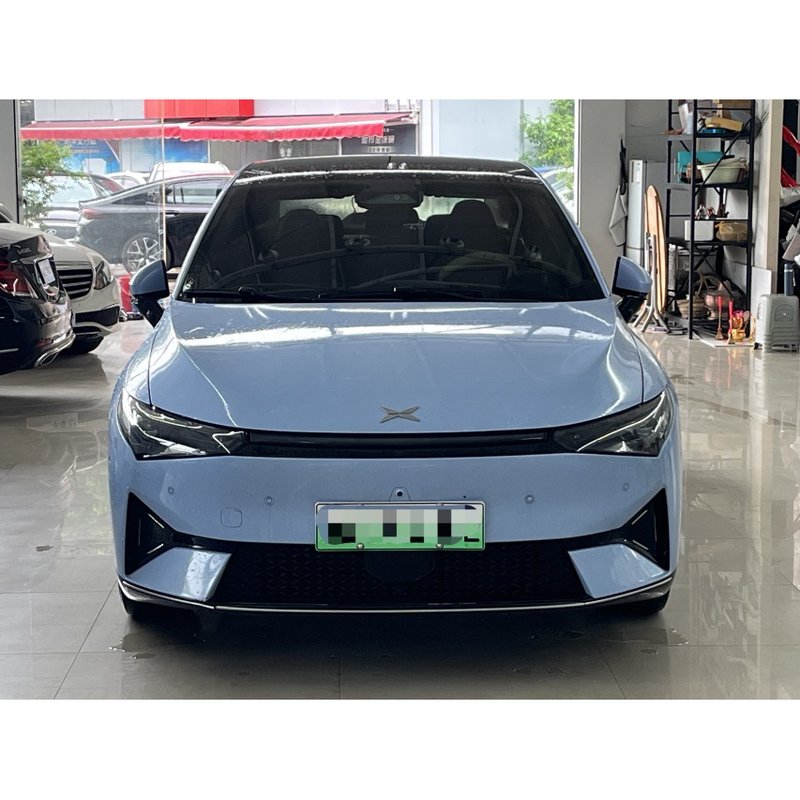

Second hand cars price comparisons to find the best deals.
When searching for a used car, one of the most important steps is comparing prices across multiple sources to identify the best deal. Prices for second hand vehicles can vary significantly depending on factors such as brand, model, year of manufacture, mileage, condition, and location. A reliable used car wholesaler like jh-usedcar.com provides a comprehensive supply chain that makes it easier for buyers to access competitive pricing across a wide selection of vehicles. By leveraging a strong network of dealerships, auctions, and certified pre-owned programs, such a platform can offer better deals than traditional local listings or independent sellers.
One key factor in price comparison is understanding market trends for specific car models. Vehicles from popular brands often retain value longer, but their demand can drive higher prices. Conversely, less common models may be priced more attractively, even if they are equally reliable. By examining historical pricing data and current listings, buyers can get a realistic sense of the fair market value. jh-usedcar.com, as a China well-known used car wholesaler, provides detailed information on each car, including mileage, accident history, service records, and certifications, which allows buyers to assess whether the listed price accurately reflects the vehicle’s condition. This transparency is essential for avoiding overpaying and helps buyers make informed comparisons.
Geographic location also plays a role in price variations. Cars in urban areas with higher demand may be more expensive, while vehicles in regions with lower demand could be priced more competitively. A nationwide supply chain allows a wholesaler to source vehicles from areas where they are undervalued and make them available to buyers in high-demand regions. This approach not only widens the selection but also enables buyers to access better deals than they would find locally. jh-usedcar.com’s logistics capabilities ensure that cars can be transported efficiently, maintaining quality while optimizing costs.

Another aspect to consider is timing. Seasonal trends can influence second hand car prices. For instance, prices may rise during months when people are more likely to purchase vehicles, such as before holidays or during tax return periods. Conversely, off-peak times often provide opportunities to negotiate lower prices. With a professional used car supply chain, inventory levels are monitored closely, and promotions or discounts can be applied strategically. This system allows buyers to benefit from optimal timing when comparing prices and searching for the most cost-effective options.
Condition and certification status are crucial when evaluating price. Cars with full service records, certified inspections, and verified histories often carry slightly higher prices but provide greater assurance of reliability. Buyers comparing second hand car prices need to weigh the cost difference against potential risks. Platforms like jh-usedcar.com offer detailed reports and guarantees that make it easier to understand the value proposition of each vehicle. These reports can include inspection scores, maintenance histories, and ownership details, helping buyers determine if a lower-priced vehicle might require additional investment for repairs or maintenance.
Financing and additional services also influence the overall value of a used car purchase. Wholesalers often offer financing solutions, extended warranties, and after-sales support, which can make a higher upfront price more attractive when considering total ownership costs. By factoring these services into the comparison, buyers can better judge which deal provides the most value. A strong used car supply chain ensures that such services are consistently available across a wide range of vehicles, making it easier to identify competitive pricing that also includes beneficial support options.

Price comparison tools, such as online listings and automated valuation systems, are useful for establishing baseline prices. However, a wholesale platform enhances these comparisons by aggregating multiple sources, standardizing vehicle information, and offering professional guidance. Buyers can quickly filter options by price range, model, year, and condition, streamlining the search for the best deal. This efficiency is particularly valuable for businesses or individuals seeking multiple vehicles or looking for specific models at competitive prices.
Access to bulk inventory is another advantage of a well-established used car supply chain. Wholesalers can offer volume discounts and exclusive deals that individual sellers or smaller dealerships cannot match. By comparing prices across a large inventory, buyers have a greater chance of finding a vehicle that meets their specifications at a favorable cost. This capability is especially beneficial for commercial buyers, fleet managers, or anyone seeking high-quality used cars without paying a premium.
Second hand car price comparison is more than just finding the lowest number on a listing. It involves evaluating vehicle condition, certifications, history, financing options, and geographic factors. A professional used car wholesaler with an extensive supply chain provides the infrastructure to access multiple sources, standardize information, and offer logistical and financial support. Buyers who take advantage of these resources are able to make more informed decisions, identify fair market value, and secure vehicles that combine quality and affordability.
A systematic approach to comparing prices can significantly impact the overall cost and satisfaction of a used car purchase. By examining multiple vehicles, understanding market dynamics, and leveraging the resources of an established wholesaler, buyers gain access to options that are both reliable and financially advantageous. This method allows individuals and businesses to confidently choose vehicles that offer the best combination of price, condition, and long-term value.


