

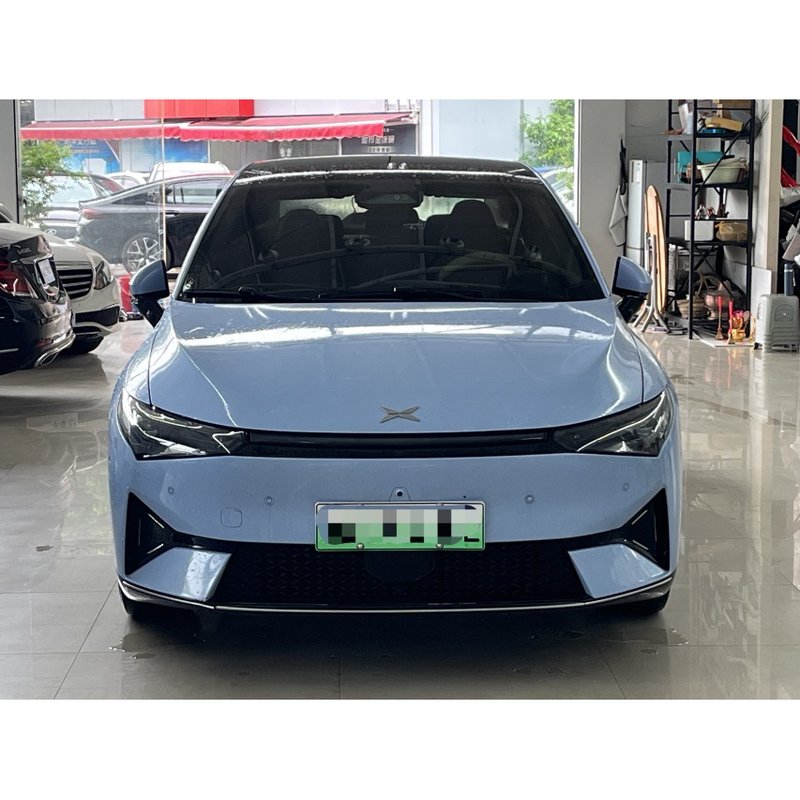
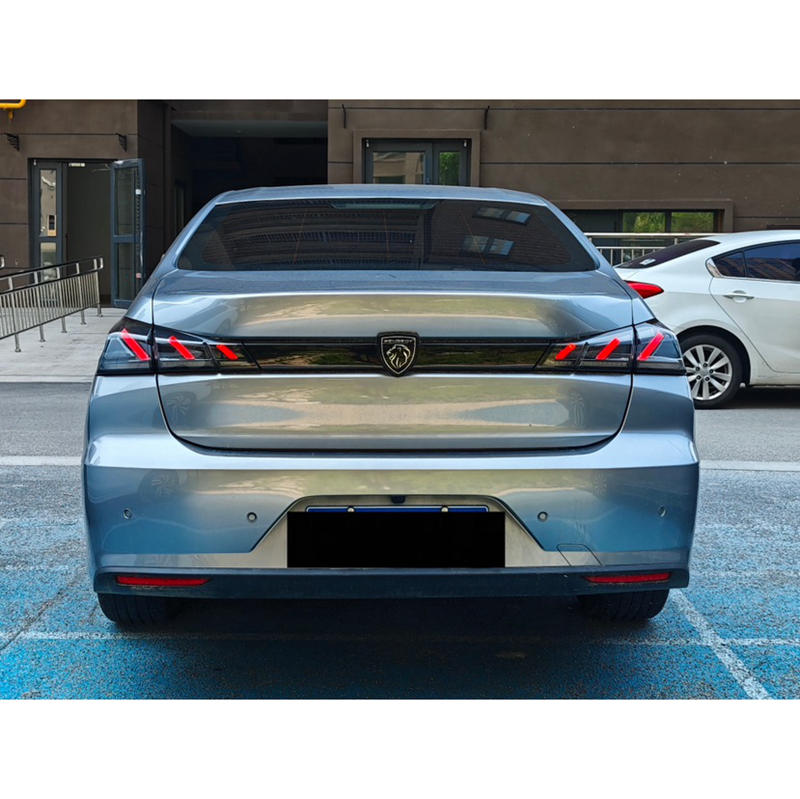
Second-hand car market trends and tips for smart buying decisions.
The second-hand car market is an ever-evolving sector that reflects shifts in consumer preferences, economic conditions, and technological advancements. Over the years, this market has gained significant traction globally, with more buyers and sellers recognizing the value of pre-owned vehicles. For individuals looking to make smart purchasing decisions, understanding the current trends and adopting a well-informed approach can make all the difference.
The demand for second-hand cars has surged due to various factors. One major driver is affordability. A used car typically costs significantly less than a brand-new one, making it an attractive option for budget-conscious buyers. Additionally, the depreciation rate of vehicles plays a critical role. New cars lose a significant portion of their value within the first few years. Purchasing a second-hand car allows buyers to avoid this steep depreciation while still acquiring a reliable vehicle.
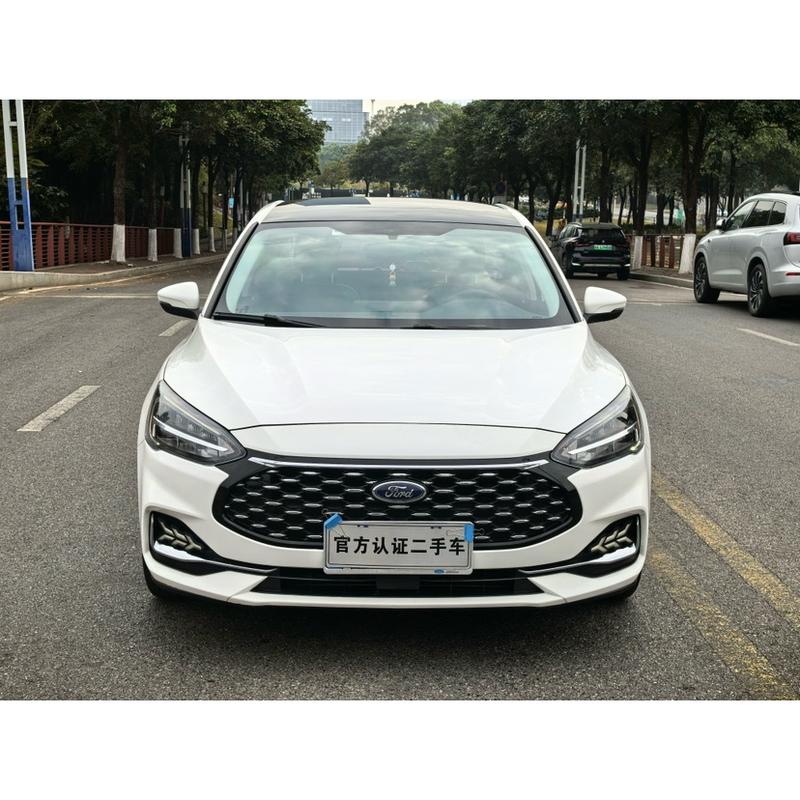
Another important trend is the increasing presence of certified pre-owned programs offered by automakers. These programs aim to provide buyers with added peace of mind by offering thoroughly inspected and refurbished vehicles that come with warranties. This trend has boosted consumer confidence in purchasing second-hand cars, as buyers can now enjoy a level of assurance similar to buying new vehicles.
The rise of online platforms has also revolutionized the used car industry. Digital marketplaces and websites have made it easier than ever for buyers to browse, compare, and purchase vehicles from the comfort of their homes. These platforms often provide detailed vehicle histories, price comparisons, and inspection reports, enabling buyers to make informed decisions. Additionally, the integration of artificial intelligence and machine learning in these platforms has improved the accuracy of recommendations, tailoring suggestions to individual preferences and budgets.

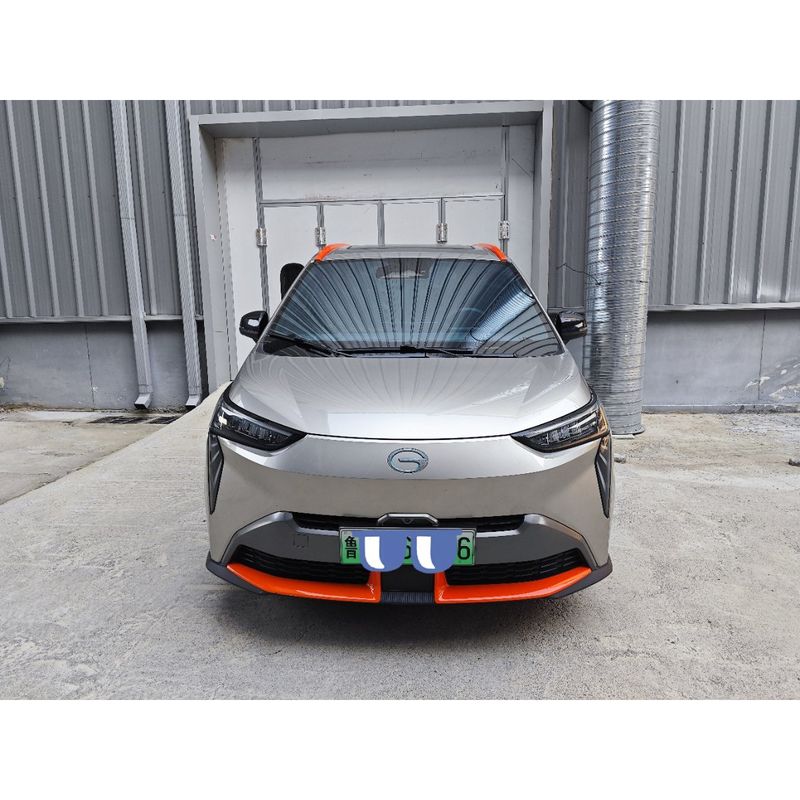
Sustainability concerns are another factor influencing the second-hand car market. As environmental awareness grows, more consumers are opting for used vehicles to reduce their carbon footprint. Manufacturing a new car entails significant energy consumption and emissions, so buying a pre-owned car is considered a more eco-friendly choice. Moreover, the growing popularity of electric and hybrid vehicles in the second-hand market reflects this shift toward sustainable transportation.
For buyers looking to navigate the second-hand car market effectively, there are several key tips to keep in mind. First and foremost, conducting thorough research is crucial. Understanding the market value of the type and model of car you are interested in can help you negotiate better deals. Online tools and platforms can provide insights into average prices, helping you avoid overpaying.
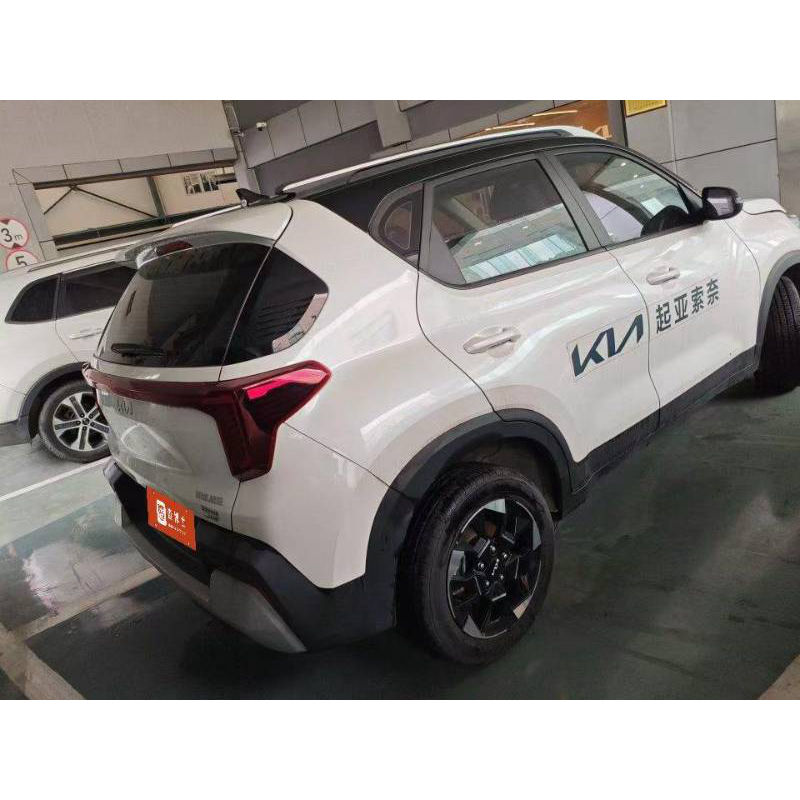
Inspecting the vehicle’s condition is another critical step. It is essential to examine both the exterior and interior of the car for signs of wear and tear, rust, or damage. Taking the car for a test drive can reveal potential mechanical issues and give you a feel for its performance. If you are not confident in assessing a vehicle’s condition, consider hiring a professional mechanic to conduct an inspection.
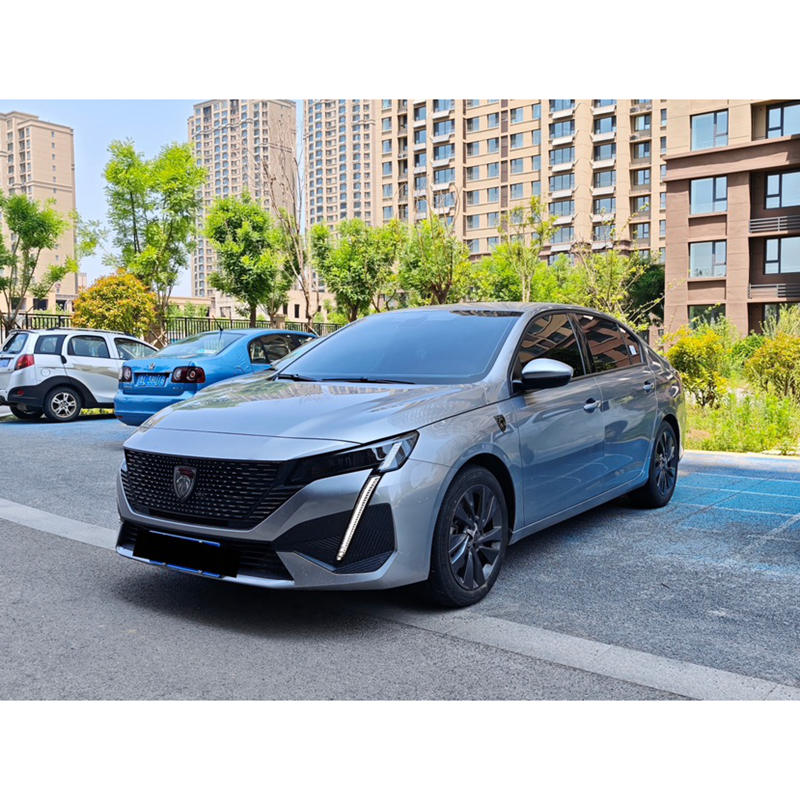
Checking the vehicle history report is equally important. This report provides information on the car’s previous ownership, accident history, mileage, and any outstanding loans. Ensuring that the car has a clean history can save you from potential legal or financial troubles down the line.
Financing options also play a significant role in making a smart purchase. Many buyers opt for loans to finance their second-hand car purchases. It is advisable to compare interest rates from different lenders and choose a financing plan that aligns with your budget. Additionally, understanding the total cost of ownership, including maintenance, insurance, and fuel expenses, will give you a clearer picture of the long-term financial commitment.
Timing your purchase can also impact the deal you get. Dealers often offer discounts or promotions during specific times of the year, such as the end of a fiscal quarter or during holiday sales events. Staying informed about these opportunities can help you secure a better deal.
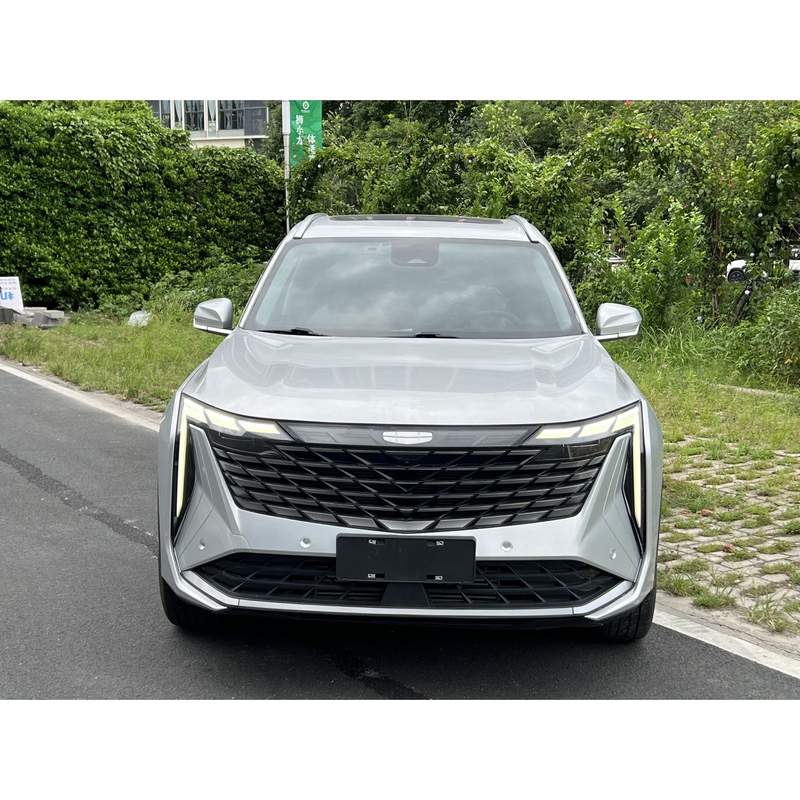
While price is often a primary consideration, it is important not to overlook the reliability and suitability of the vehicle for your needs. Consider factors such as fuel efficiency, safety features, and the car’s intended use. For instance, a compact car may be ideal for city driving, while an SUV could be better suited for families or off-road adventures.
The second-hand car market offers a wealth of opportunities for buyers seeking value and variety. By staying informed about market trends and following these tips, you can make well-informed decisions that align with your needs and budget. Purchasing a used car is not just about finding the lowest price but also about ensuring quality, reliability, and long-term satisfaction. With careful planning and research, buyers can confidently navigate the market and drive away with a vehicle that meets their expectations.