

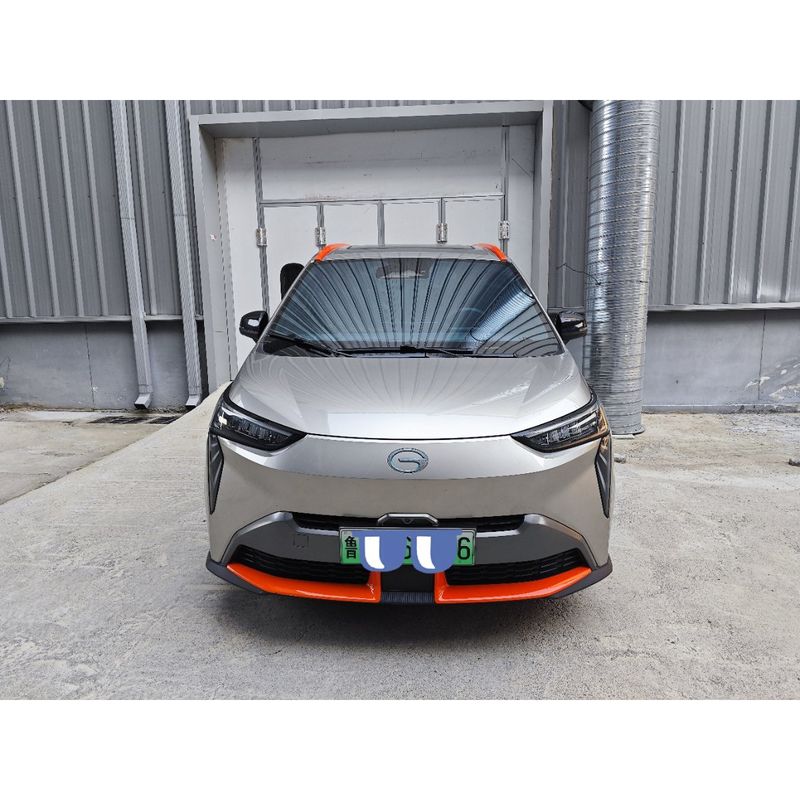



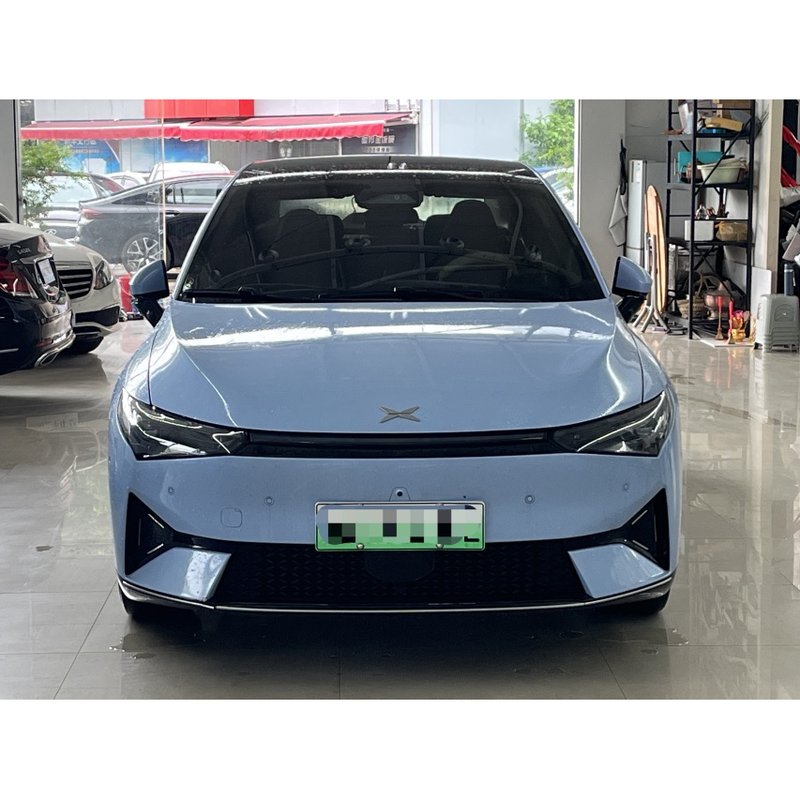
Professional Preparation Standards for Pre Owned Cars Mitsubishi Export
As an automotive maintenance technician working with international vehicle shipments, I see export preparation as a technical process rather than a simple cleaning service. Pre owned cars Mitsubishi must pass detailed checks before they are offered to overseas buyers because their condition directly affects dealer reputation, customer satisfaction, and long term ownership experience. A professional exporter begins with a full inspection that records mileage, previous maintenance history, exterior condition, and any signs of repair or accident damage.
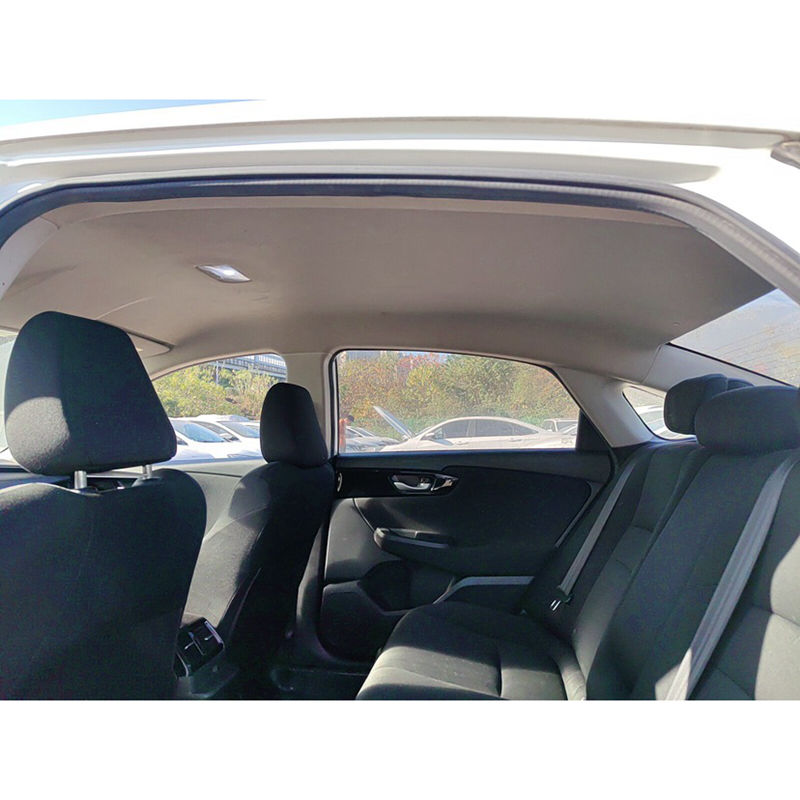
The first stage involves deep cleaning and visual assessment. The interior is cleaned to remove dust, stains, and odours, while the exterior is polished to reveal paint quality and repaired areas. This process allows inspectors to identify hidden problems such as uneven body panels, corrosion, damaged seals, or previous cosmetic work. A clean vehicle creates a reliable foundation for the following mechanical evaluation.
Engine Condition Checks Before Overseas Delivery
The engine inspection is one of the most important parts of used vehicle preparation. Technicians examine oil quality, coolant condition, belts, hoses, filters, and signs of leakage around the engine bay. A healthy engine should operate smoothly without unusual vibration, excessive smoke, or abnormal noise during cold starts and normal driving tests.
Professional exporters also use diagnostic equipment to check engine control systems and recorded fault information. Compression tests, fluid analysis, and electronic scanning help identify issues that may not appear during a short road test. For pre owned cars Mitsubishi, these checks are especially valuable because buyers in different markets expect dependable performance after international transport. Any necessary maintenance, from replacing worn components to completing scheduled servicing, is carried out before shipment.
Gearbox, Suspension and Braking System Evaluation
Transmission performance receives careful attention because gearbox problems can create expensive repairs for overseas customers. Technicians inspect automatic and manual systems by checking gear changes, clutch response, fluid levels, and operating temperatures. Smooth acceleration and consistent shifting indicate that the vehicle has been properly maintained, while delays, slipping, or unusual sounds may require further investigation.
The suspension system is assessed through inspection of shock absorbers, springs, control arms, bushings, and steering components. Export specialists check for uneven tyre wear, steering instability, and abnormal movement during road tests. Brake inspections include measuring pad thickness, examining discs, testing brake fluid quality, and confirming electronic brake assistance systems are working correctly. These checks ensure that vehicles remain safe and comfortable for drivers in different climates and road conditions.
Electronic Systems and New Vehicle Technology Inspection
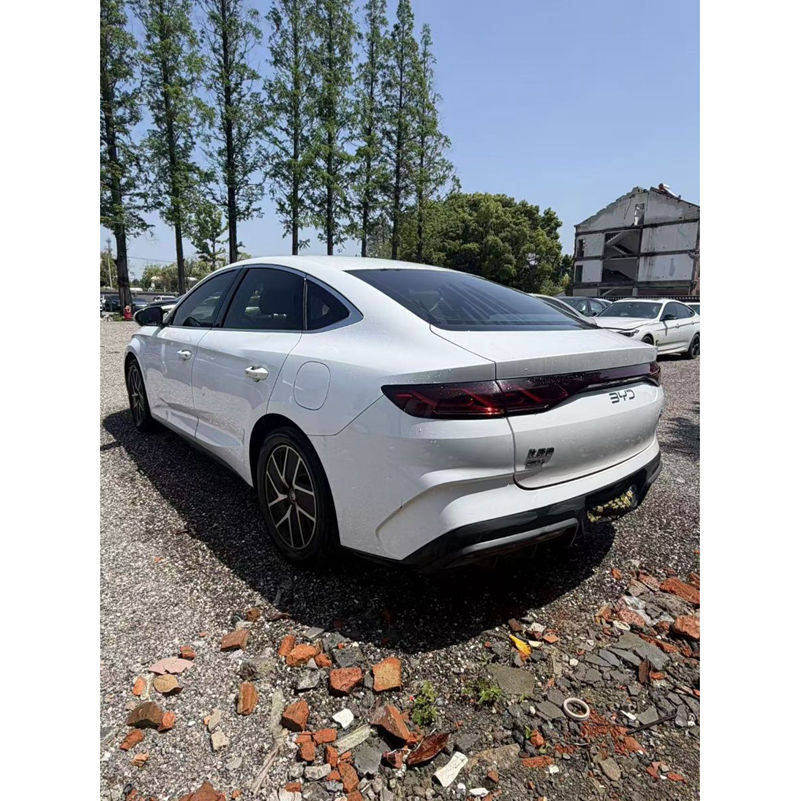
Modern vehicles rely heavily on electronic systems, making electrical inspections an essential part of export preparation. Technicians test lighting systems, air conditioning, infotainment functions, cameras, sensors, and dashboard controls. Battery health, charging systems, and wiring connections are examined to prevent failures after delivery.
For models equipped with advanced technology, specialists verify driver assistance features and software functions. Electric and hybrid vehicles require additional attention from new energy vehicle specialists, who evaluate battery condition, charging performance, and power management systems. Accurate testing helps exporters provide transparent information to international dealers and reduces the risk of unexpected maintenance costs.
Quality Control Process for Global Used Car Export
A complete export inspection combines technical knowledge, market awareness, and careful documentation. Vehicle quality control managers create inspection reports that include mechanical findings, repair records, photographs, and preparation details. These reports allow overseas partners to understand exactly what they are purchasing and support smoother customs procedures and logistics arrangements.
After inspection approval, vehicles are prepared for transport through professional detailing, protective measures, and final checks before loading. Automotive export teams coordinate with logistics specialists to protect vehicles during shipping from facilities such as Guangzhou Nansha Port to international destinations. A properly inspected and prepared used vehicle represents more than a sale; it reflects the exporter’s commitment to reliable service, accurate appraisal, and long term business relationships with global automotive partners.