
“content_html”: “
Reliable Supply Channels for Low Mileage Used Cars from China
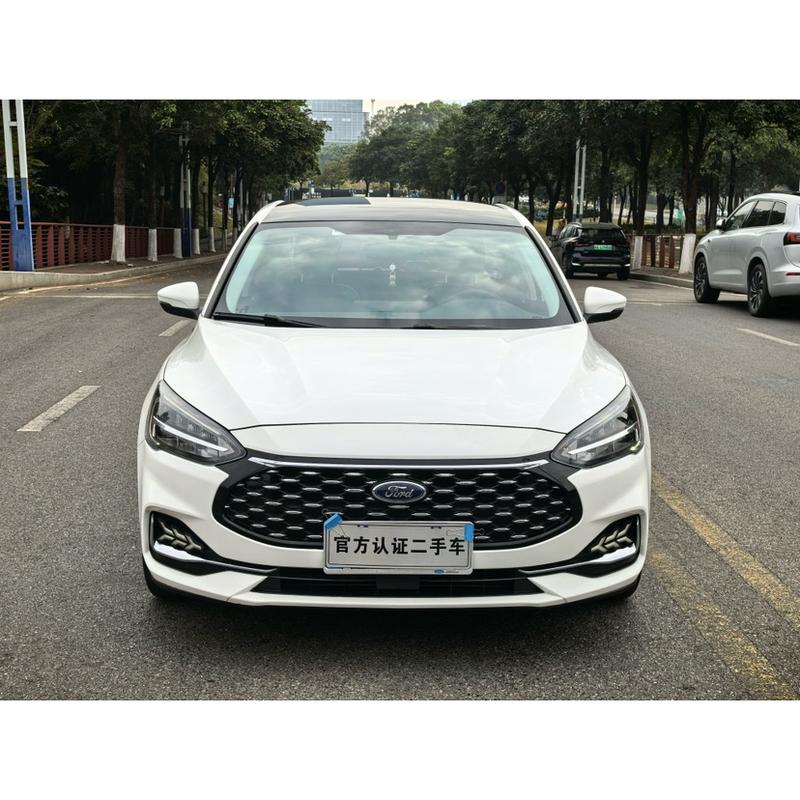
For overseas dealerships, sourcing pre owned cars low mileage requires more than finding vehicles with attractive odometer readings. Buyers need dependable suppliers, verifiable service histories, consistent vehicle condition and export arrangements that meet the requirements of their destination markets. From our perspective as an international vehicle sales team based in Guangzhou Nansha, successful sourcing begins with a clear understanding of the buyer’s customers, target prices and local regulations. These factors determine which models offer genuine commercial value and which vehicles may create unnecessary costs after arrival.
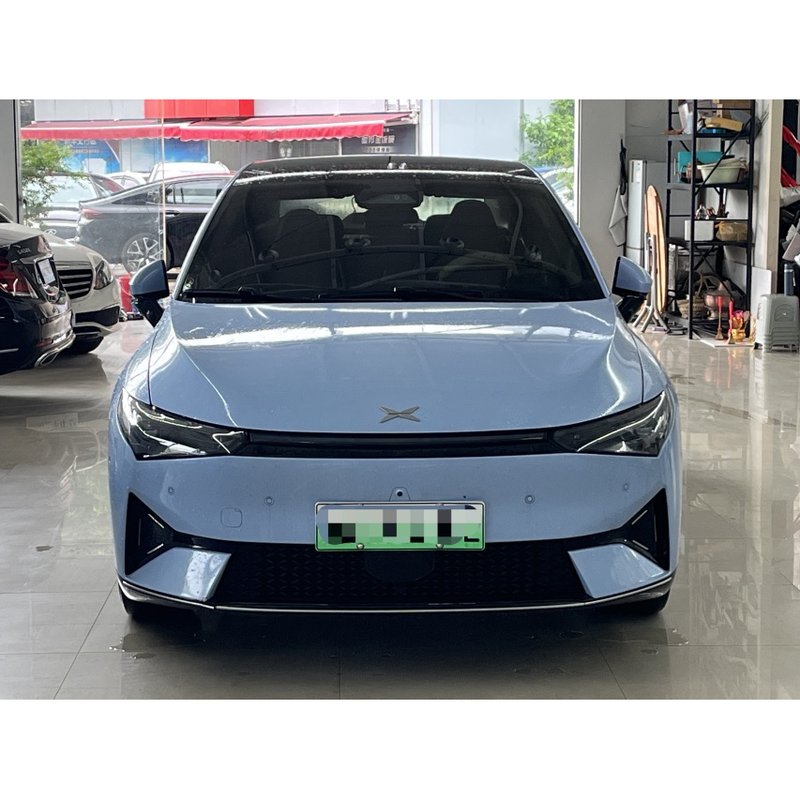
China offers international buyers access to a broad selection of petrol vehicles, hybrids and battery electric vehicles. Fleet renewals, private ownership changes and growing demand for newer models create opportunities to purchase relatively young vehicles for export. However, supply quality varies between sellers. Establishing a reliable channel means working with export companies that can explain a vehicle’s background, arrange independent inspections, provide accurate documentation and coordinate shipping through Guangzhou Nansha Port.
Low Mileage Must Be Supported by Verifiable Evidence
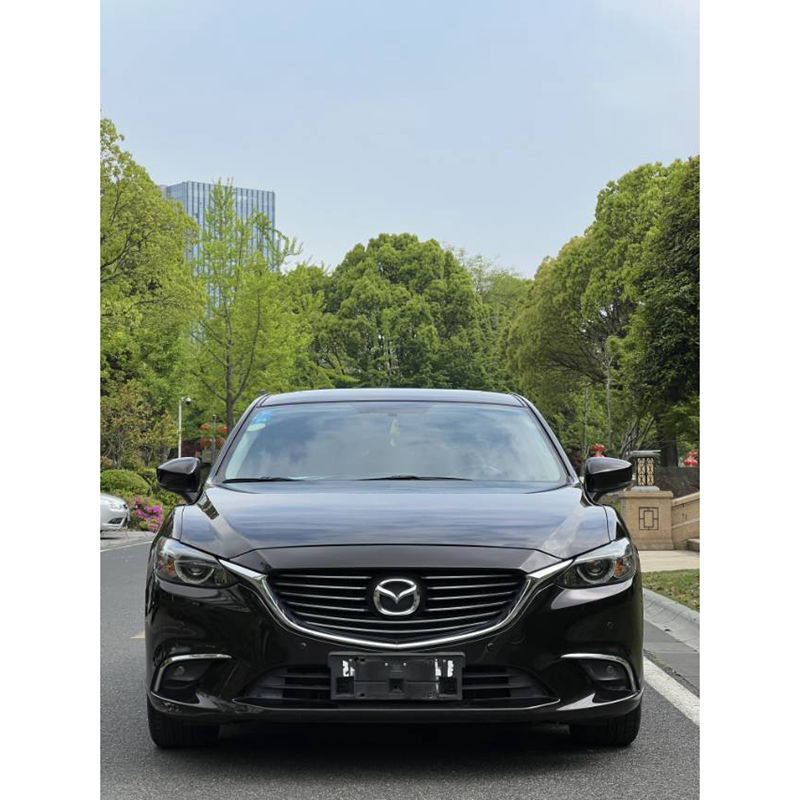
A low odometer reading is a useful starting point, not proof of good condition. A car displaying 35,000 kilometres may have experienced frequent short journeys, long periods of inactivity or poor maintenance. Another vehicle with 55,000 kilometres and a complete service record may offer better long term reliability. Overseas dealers should therefore assess mileage alongside registration dates, maintenance invoices, previous ownership details, tyre wear, interior condition and recorded inspection findings.
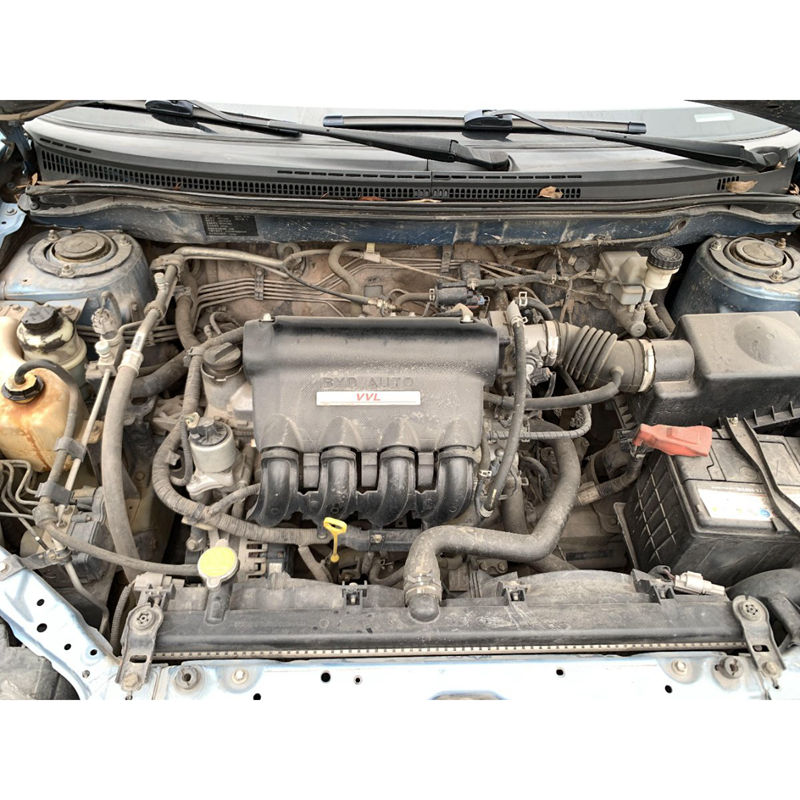
Professional pre export inspections help identify discrepancies before payment and shipment. Inspectors should check the engine, transmission, suspension, braking system, steering, body panels, paintwork and electronic functions. Diagnostic equipment can reveal stored fault codes and warning indicators that may not appear during a brief road test. Mileage records should be compared with available service documents and vehicle history information. Where records are incomplete, the supplier should disclose this limitation rather than presenting an unverified reading as confirmed mileage.
Build Supplier Relationships Around Inspection Standards
Reliable dealership supply channels depend on repeatable procedures rather than individual purchasing decisions. Overseas buyers should evaluate Chinese suppliers according to vehicle sourcing capability, stock transparency, inspection standards, document accuracy and communication throughout the transaction. A professional export partner should provide clear vehicle specifications, recent photographs, inspection reports and written confirmation of any known defects. Buyers should also establish whether the supplier owns the stock directly or sources vehicles through third parties, as this affects traceability and responsibility for discrepancies.
Before placing a substantial order, dealerships can begin with a small shipment or a carefully selected trial batch. Agree inspection criteria in writing, including acceptable paint repairs, tyre condition, warning lights, service records and maximum permitted mileage. Define how discrepancies will be documented and resolved before loading. Once the supplier consistently meets these standards, both parties can develop purchasing schedules around preferred models, production years and price ranges. This approach reduces avoidable disputes and helps dealers maintain predictable stock turnover.
Match Chinese Vehicle Stock to Overseas Market Demand
Vehicle selection should reflect the destination country’s driving conditions, customer preferences and import rules. Popular petrol saloons and compact SUVs may suit markets with established demand for conventional vehicles, while hybrids can appeal to customers seeking improved fuel economy without depending entirely on charging infrastructure. Battery electric vehicles may offer attractive opportunities where charging networks, technical support and consumer demand are developing. Nevertheless, a low purchase price does not guarantee a profitable resale opportunity.
For electric vehicles, buyers should request battery health information, charging performance checks, diagnostic results and details of battery warranty coverage where available. The inspection should identify signs of underbody damage, charging system faults and abnormal battery performance. Dealers must also confirm charging connector compatibility, available software support and access to replacement parts in their destination market. For every vehicle category, the landed cost calculation should include purchase price, inspection fees, inland transport, export handling, ocean freight, insurance, customs duties, taxes and local compliance work.
Coordinate Export Documentation and Nansha Port Logistics
Even carefully selected vehicles can become costly if export documentation or shipping arrangements are poorly managed. A dependable Guangzhou Nansha export partner should coordinate vehicle preparation, identification checks, export paperwork, customs procedures and booking arrangements with the shipping provider. Buyers should confirm that the vehicle identification number, invoice details and supporting documents are consistent. Destination requirements must also be checked before payment, including vehicle age restrictions, emissions standards, right hand or left hand drive rules, roadworthiness requirements and any restrictions affecting electric vehicle imports.
Shipping arrangements should be agreed according to the order size, vehicle type and destination port. The exporter should explain the expected preparation and loading schedule, freight charges, insurance arrangements and responsibility for each stage of transport. Photographs taken before loading and a final stock reconciliation provide useful evidence if damage or discrepancies arise during transit. Importers should independently verify applicable customs requirements and tax rates, since these can change and vary considerably between countries.
Turn Consistent Quality into Long Term Dealership Growth
For overseas dealers, the best supply channel is one that delivers suitable vehicles repeatedly, not simply the lowest initial quotation. A supplier specialising in pre owned cars low mileage should support purchasing decisions with credible inspection evidence, transparent pricing and realistic information about vehicle history. Buyers can track supplier performance through inspection pass rates, mileage discrepancies, shipping delays, documentation errors and after sales complaint levels. Reviewing these measures after each shipment helps identify reliable partners and improve future orders.
At Guangzhou Nansha, an organised export process connects vehicle selection in China with the practical needs of international resale businesses. By combining evidence based appraisal, independent quality checks, destination specific model selection and careful logistics planning, overseas dealerships can build a more predictable source of used vehicles. Clear agreements and regular communication allow both parties to plan inventory with greater confidence, protect margins and develop a sustainable trading relationship based on vehicle quality rather than odometer figures alone.
“,
“tags”: [“low mileage cars”, “China used car export”, “vehicle inspection”, “Nansha Port”, “B2B car sourcing”]
}