

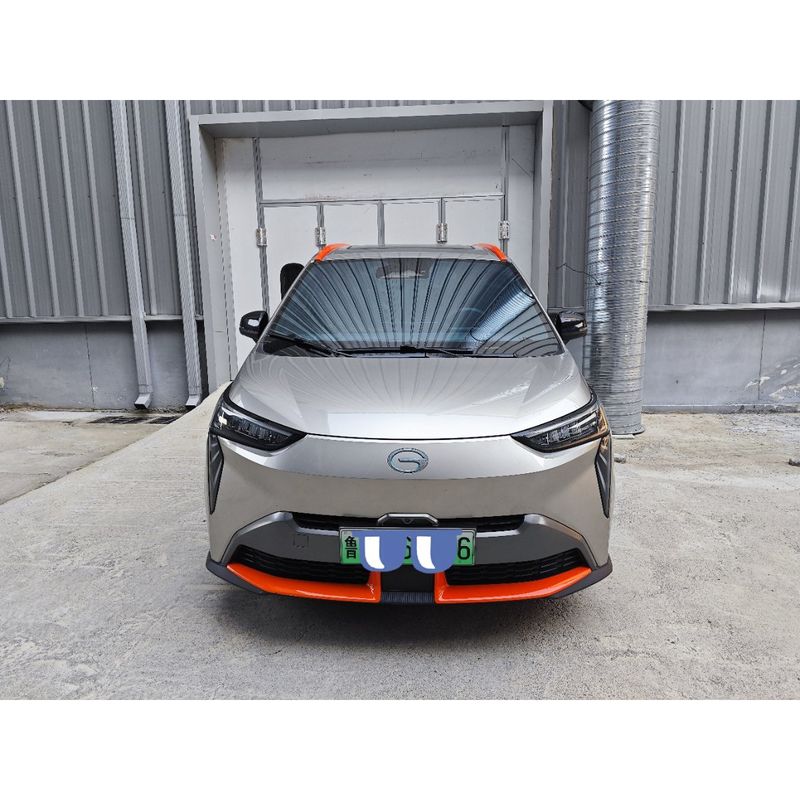


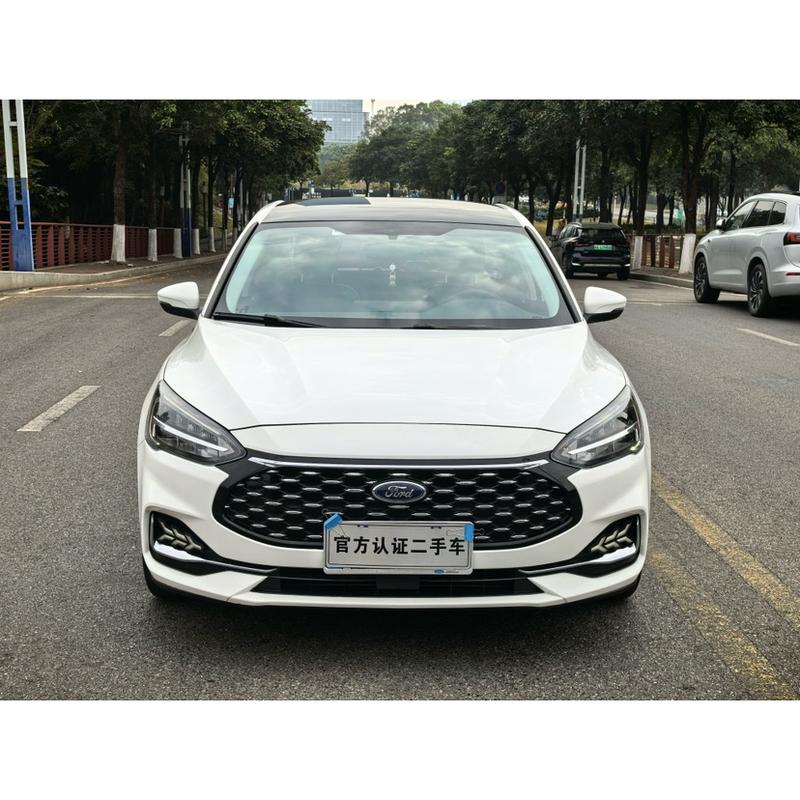
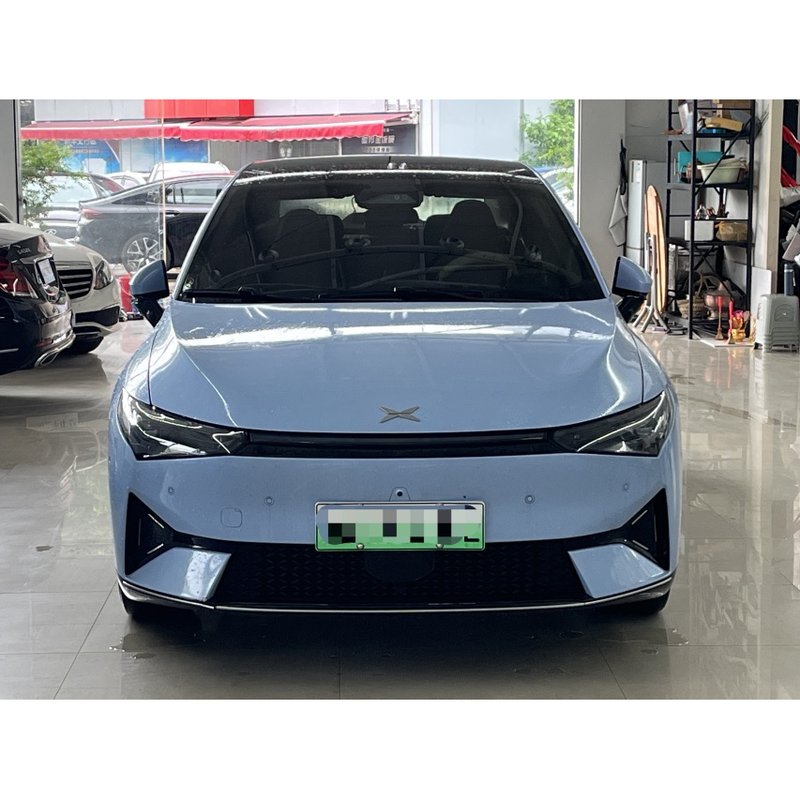
Battery Assessment Standards at Pre Owned Car Lots Before Export
As an EV battery engineer responsible for export inspections, I focus on the condition of the battery system before any electric vehicle leaves a pre owned car lots facility for international shipment. Unlike conventional vehicles where engine wear can often be judged through mileage and service records, an electric vehicle requires a detailed analysis of battery chemistry, electronic controls, charging history and thermal behaviour. The battery pack represents a major part of the vehicle value, so accurate testing protects overseas buyers and ensures reliable operation after delivery.
The first stage involves collecting battery management system data through professional diagnostic equipment. Engineers check recorded mileage, charge cycles, fault history, voltage balance and previous temperature warnings. The battery management system stores information about cell performance and charging patterns, allowing inspectors to identify abnormal usage. A vehicle with a clean exterior may still require further examination if internal battery records show repeated overheating, deep discharge events or irregular charging behaviour.
Battery Health Evaluation and Remaining Capacity Measurement
Battery health assessment is one of the most important procedures before export preparation. Engineers measure the state of health, which indicates the remaining performance compared with the original factory condition. A battery with 90 percent health can usually deliver energy close to its initial specification, while a lower percentage may affect driving range and resale value. The assessment combines diagnostic reports, controlled charging tests and practical road simulations.
Remaining capacity is measured by analysing the actual energy stored and delivered by the battery pack. Technicians compare the measured capacity with manufacturer specifications and consider factors such as climate, charging habits and vehicle age. This information is included in inspection documentation so international dealers can understand the real condition of each exported EV. For professional pre owned car lots operations, transparent battery capacity reporting helps build confidence between exporters and overseas partners.
Charging Performance and Electrical System Testing
Charging performance testing verifies that the electric vehicle can accept energy safely and efficiently. Engineers examine both slow AC charging and fast DC charging functions where available. The inspection records charging speed, power stability, communication between the charging unit and vehicle control system, and any interruption during the charging process. A battery that appears healthy during static testing must also perform correctly under practical charging conditions.
The electrical inspection covers high voltage cables, connectors, insulation resistance and battery control modules. Any signs of moisture entry, corrosion or physical damage are carefully recorded because these issues may create future reliability concerns. Export vehicles often experience different climates and charging environments, so the inspection process considers whether the battery system can continue operating effectively in overseas markets.
Safety Inspection and Long Term Battery Reliability Checks
Safety testing before international shipment includes checking battery pack structure, thermal management components and protective systems. Engineers inspect cooling channels, temperature sensors and battery enclosure conditions to confirm that the pack can control heat during operation. Abnormal temperature patterns may indicate problems with cell ageing or cooling efficiency, both of which can reduce service life.

Long term reliability evaluation focuses on predicting future battery behaviour rather than only checking present performance. Specialists review degradation trends, previous maintenance records and usage patterns to estimate how the battery may perform over several years. Vehicles with stable cell balance, consistent charging behaviour and effective thermal management are more suitable for export markets where customers expect dependable ownership.
Export Preparation Records for International EV Trade
Before shipment, every electric vehicle should receive a complete technical inspection record covering battery health, capacity results, charging performance and safety findings. These documents support communication between exporters, logistics teams, overseas dealers and end customers. They also help automotive professionals make accurate pricing decisions based on verified vehicle condition rather than appearance alone.

For specialists managing global EV transactions, battery inspection is a technical responsibility that directly affects customer satisfaction and market reputation. A well prepared vehicle from a professional pre owned car lots operation is not simply cleaned and transported. It is carefully tested, documented and evaluated so the receiving market obtains an electric vehicle with predictable performance and dependable battery quality.


