
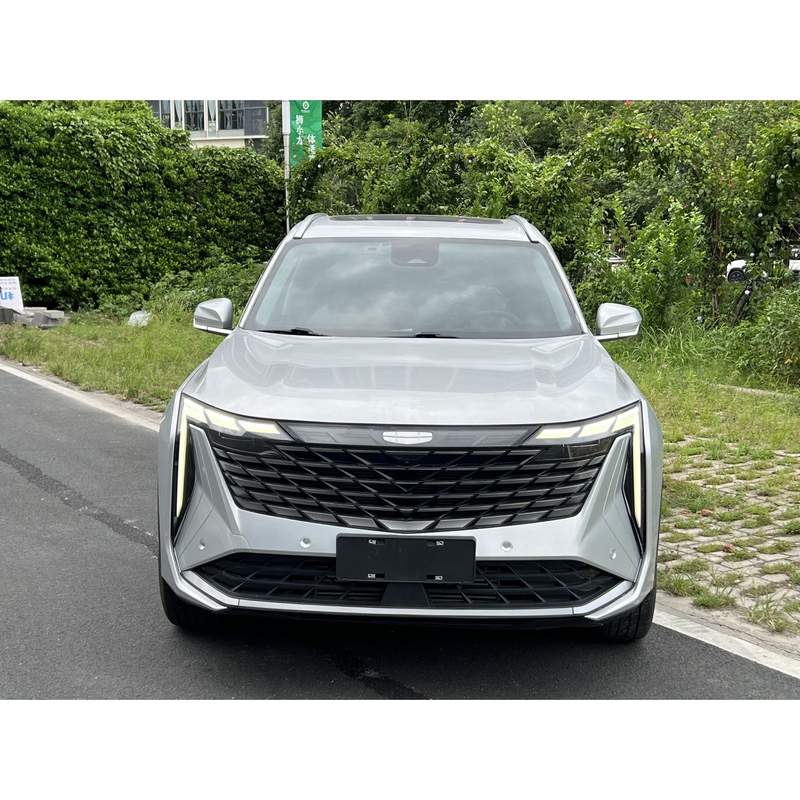
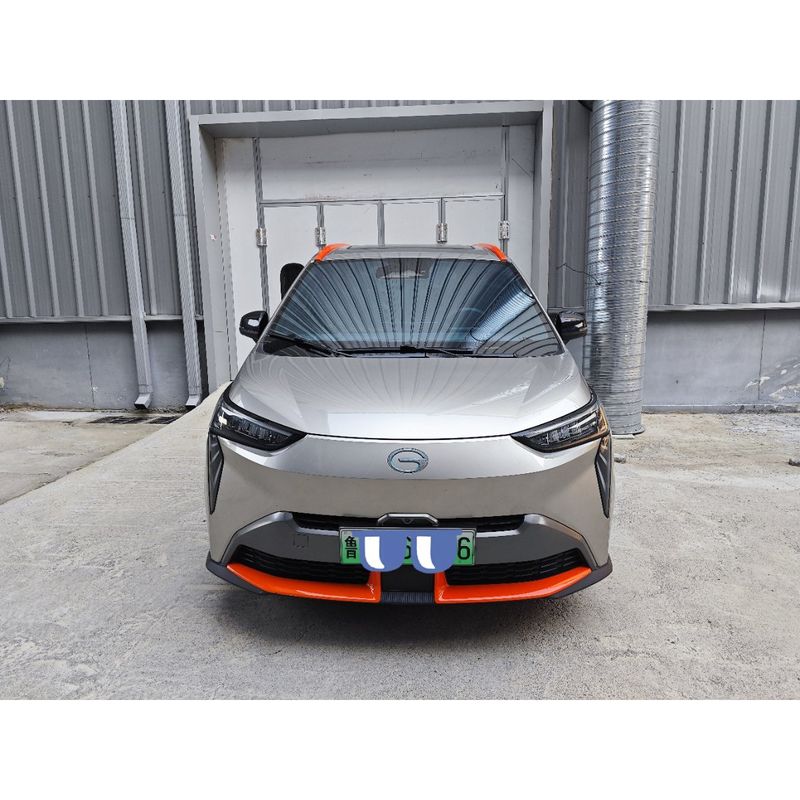
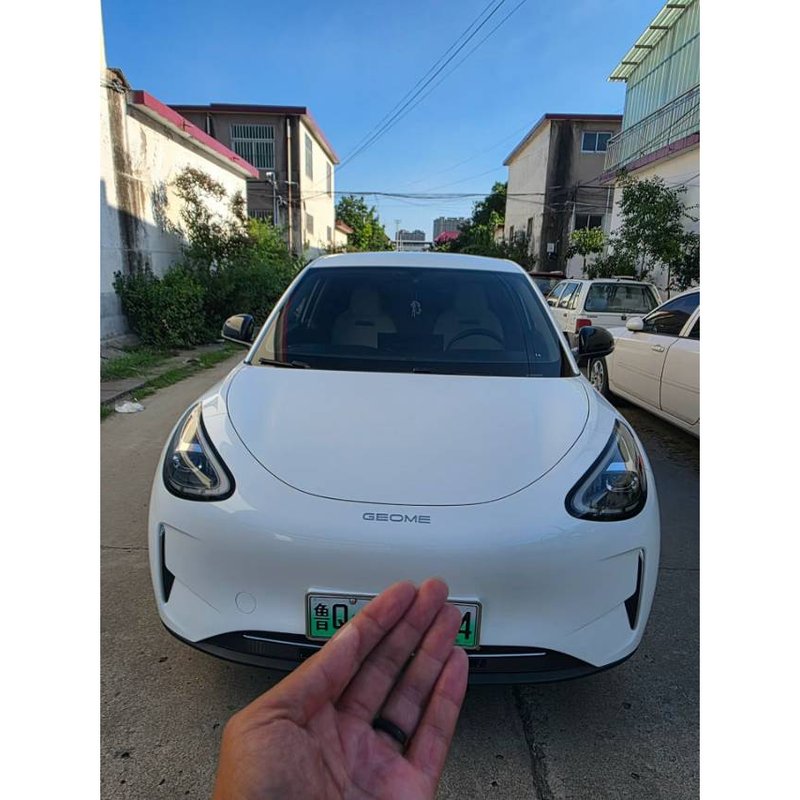
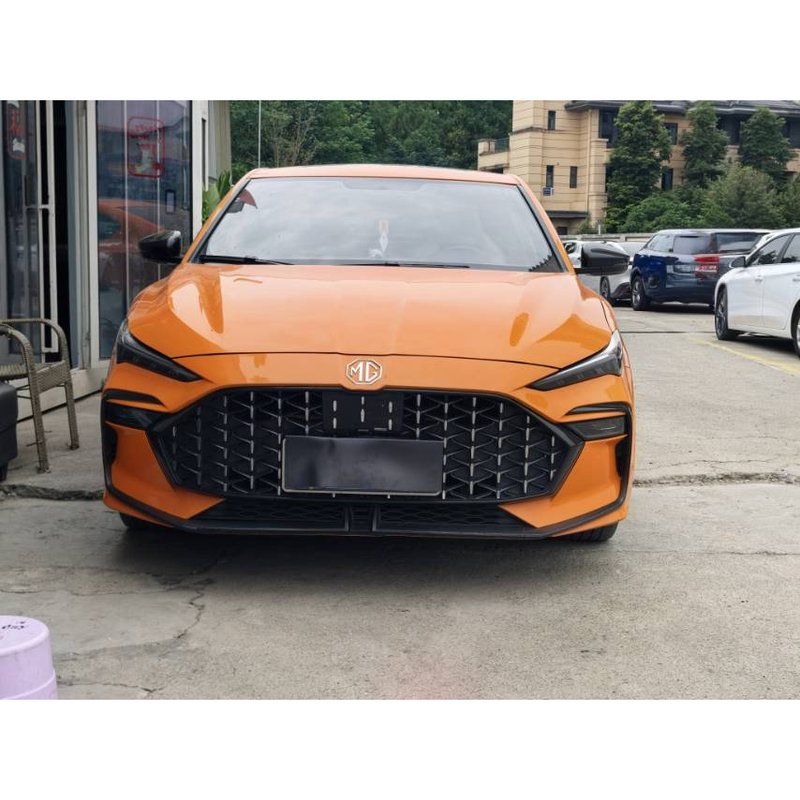
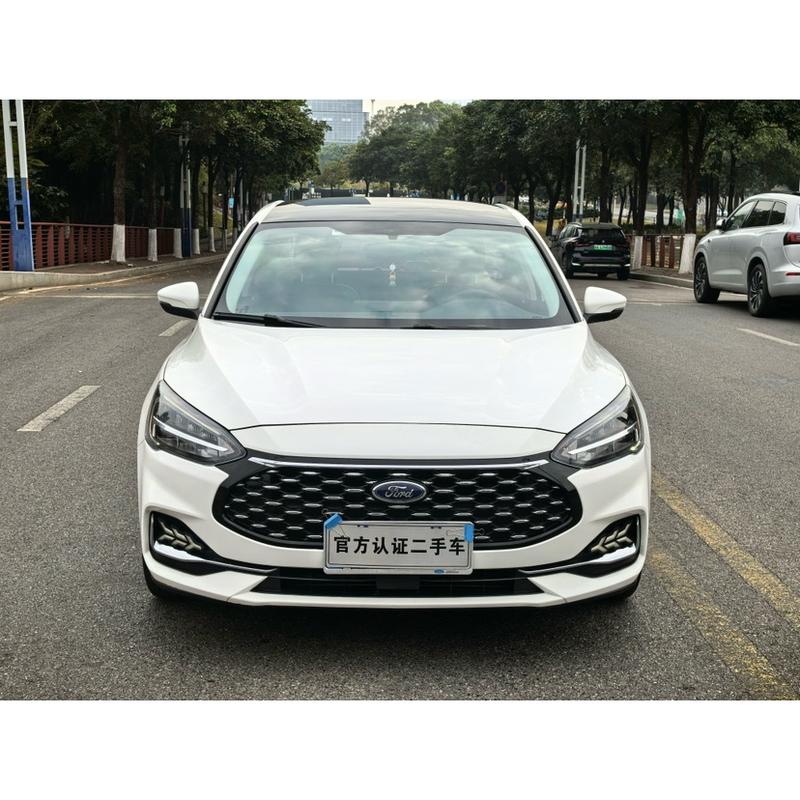
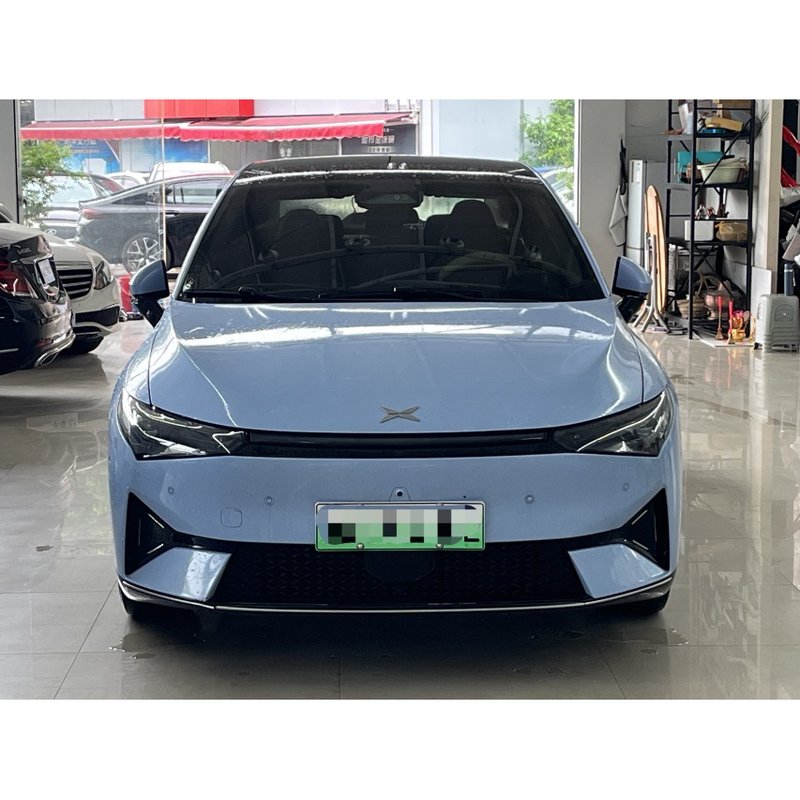
Over the next decade, the global used-car market will look to China, and China’s used-car market will look to Nansha
As the global used car market continues to evolve, it is becoming increasingly clear that China will play a pivotal role in shaping its future. Particularly, the Nansha region of Guangzhou is emerging as a significant hub for the used car industry, driven by its strategic location, robust supply chain infrastructure, and a growing consumer base that is becoming more discerning and quality-conscious.
The used car market in China has experienced remarkable growth over the past decade, spurred by rising incomes, urbanization, and a shift in consumer preferences. As more Chinese citizens move to urban centers and seek affordable transportation options, the demand for used cars is expected to rise exponentially. The Nansha district, with its proximity to major transportation networks and substantial economic development initiatives, is well-positioned to fulfill this increasing demand.
One of the key elements contributing to the success of the used car market in Nansha is its excellent supply chain management. The integration of technology within the supply chain has streamlined operations, from procurement to sales. Advanced data analytics allow wholesalers and dealers to assess market trends and consumer preferences effectively. This insight enables them to source the right vehicles that are in demand, ensuring that inventory turnover is optimized and reducing the risk of overstocking.
Moreover, Nansha’s logistics capabilities are a significant advantage for the used car industry. The region boasts modern transportation infrastructure, including ports, highways, and rail links. This connectivity facilitates the efficient movement of vehicles from suppliers to dealerships and ultimately to consumers. The ease of transportation not only reduces operational costs but also enhances the speed at which cars can be delivered to the market, ensuring that dealers can meet consumer demands promptly.
A well-functioning supply chain also includes partnerships with various stakeholders, including manufacturers, financial institutions, and service providers. In Nansha, there is a collaborative ecosystem that supports the used car market. Wholesalers often work closely with financial institutions to provide financing options for consumers, making it easier for them to purchase used vehicles. Additionally, partnerships with service providers ensure that vehicles are thoroughly inspected and refurbished before reaching the market, enhancing consumer confidence in the quality of used cars.
As the global used car market looks toward China, there are opportunities for international collaboration that can further strengthen Nansha’s position. Many foreign companies are interested in entering the Chinese market, and establishing partnerships with local wholesalers can provide them with valuable insights into consumer behavior and regulatory requirements. This collaboration can lead to a more diverse offering of vehicles, catering to the preferences of different consumer segments.
 The rise of e-commerce is another trend that is reshaping the used car market. Online platforms are becoming increasingly popular for buying and selling used vehicles. In Nansha, several online marketplaces are emerging, allowing consumers to browse inventories, compare prices, and make informed purchasing decisions from the comfort of their homes. This shift toward digital channels not only broadens the reach of wholesalers but also enhances the overall customer experience.
Sustainability is another critical consideration for the future of the used car market in China. As environmental awareness grows among consumers, there is an increasing demand for eco-friendly vehicles. Nansha is responding to this trend by promoting the sale of electric and hybrid vehicles within its used car market. The local government is also offering incentives for consumers to purchase greener options, further driving demand. This focus on sustainability aligns with global trends and positions Nansha as a forward-thinking player in the used car industry.
Consumer education is vital for the success of the used car market. Many consumers are still hesitant about purchasing used vehicles due to concerns about quality and reliability. Wholesalers in Nansha are addressing this by providing comprehensive information and transparency regarding the vehicles they sell. Offering warranties, detailed vehicle histories, and easy return policies can help build trust with consumers and alleviate their concerns.
Looking ahead, the next decade will be crucial for the used car market in both China and globally. As consumers become more informed and technology continues to advance, the dynamics of buying and selling used cars will change significantly. Nansha’s ability to adapt to these changes and leverage its strengths in supply chain management, logistics, and consumer engagement will be pivotal. The region has the potential to become a global leader in the used car industry, attracting buyers and sellers from around the world.
The future of the used car market in Nansha is bright, with numerous opportunities for growth and innovation. By focusing on enhancing supply chain efficiencies, fostering partnerships, embracing technological advancements, and prioritizing sustainability, Nansha can set a benchmark for other regions to follow. As the global used car market increasingly looks toward China, Nansha will undoubtedly be at the forefront of this transformation.


