

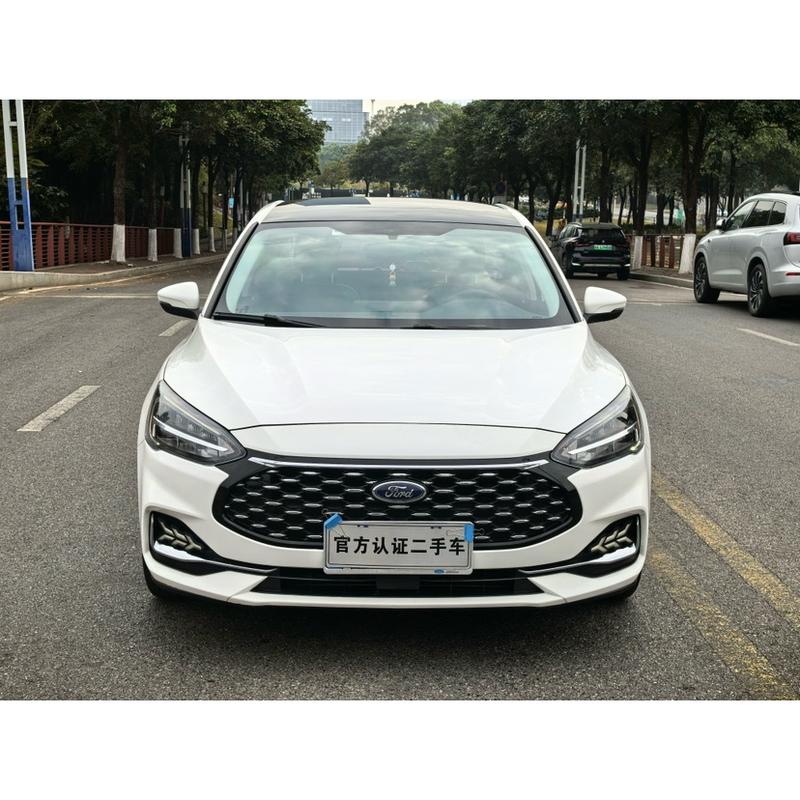
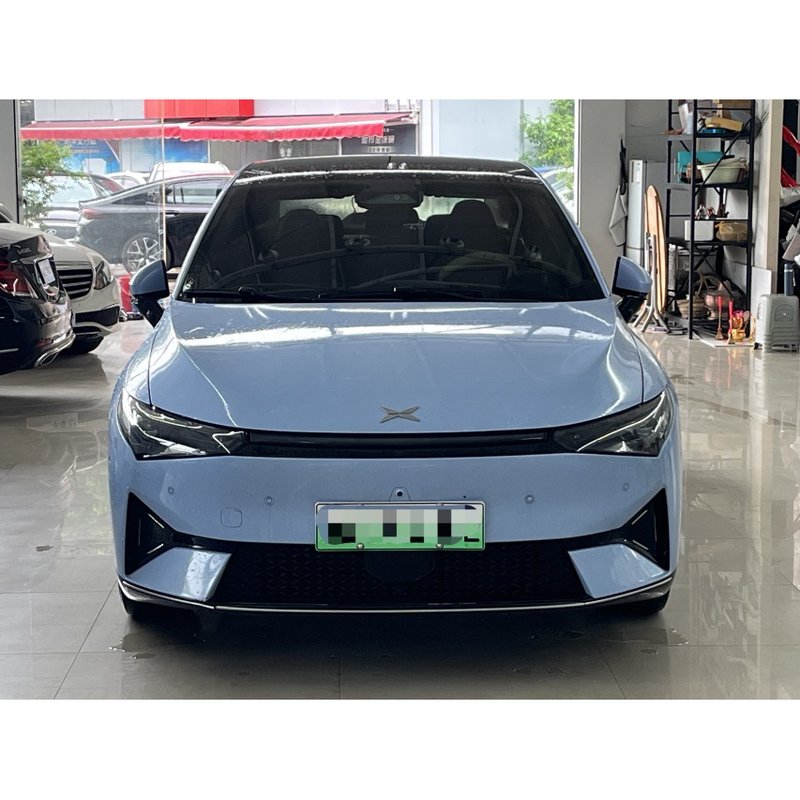

Old Vs New Car Comparison For Smart Budget Buyers
When it comes to purchasing a vehicle, potential buyers often find themselves faced with a significant choice: whether to buy an old car or a new one. This decision is particularly pertinent for smart budget buyers who are keen on maximizing their investment while ensuring they get a reliable mode of transportation. As a well-known used car wholesaler in China, h-usedcar.com provides an extensive inventory that includes a wide variety of both old and new vehicles. This article will explore the differences between old and new cars, helping budget-conscious buyers make informed decisions.

One of the primary distinctions between old and new cars is the price point. New cars, while often equipped with the latest technology and features, come with a hefty price tag. Depreciation is another factor to consider. A new car loses a significant portion of its value as soon as it is driven off the lot, often around 20 to 30 percent in the first year alone. Conversely, used cars have already experienced this initial depreciation, making them a more economical choice for buyers who want to save money.
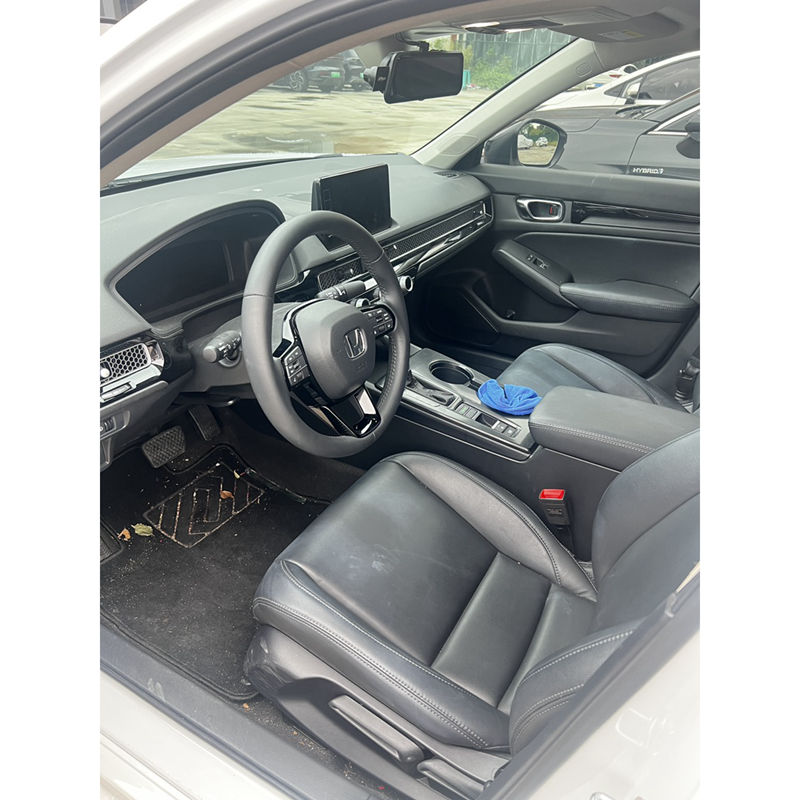
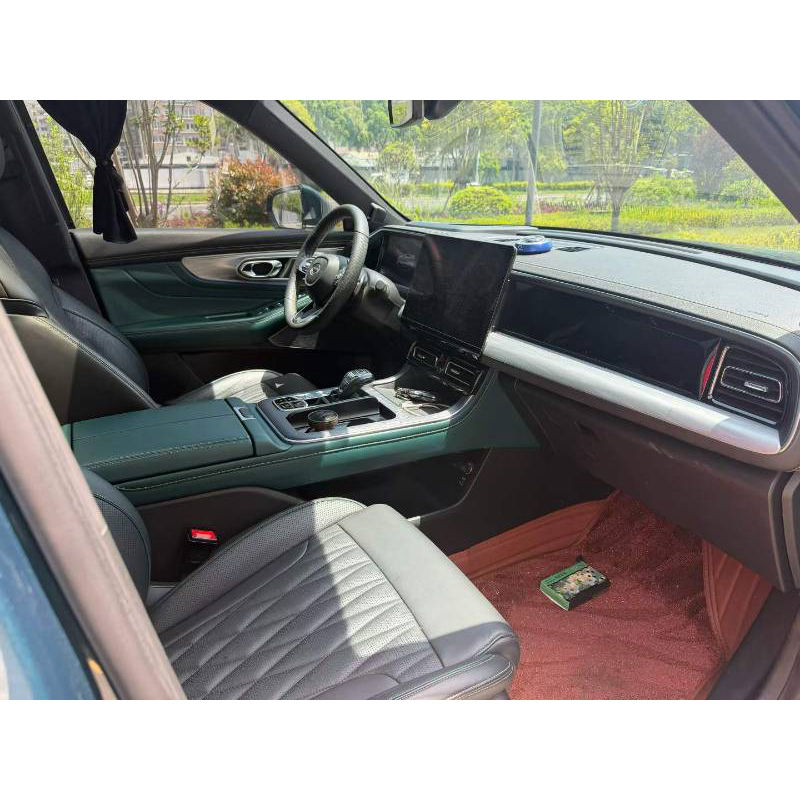
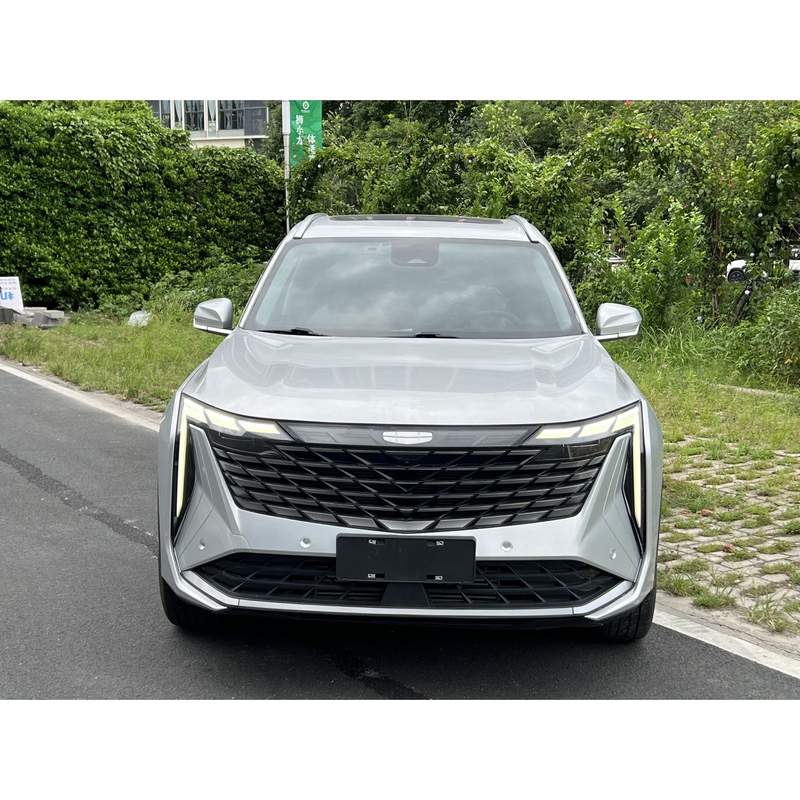
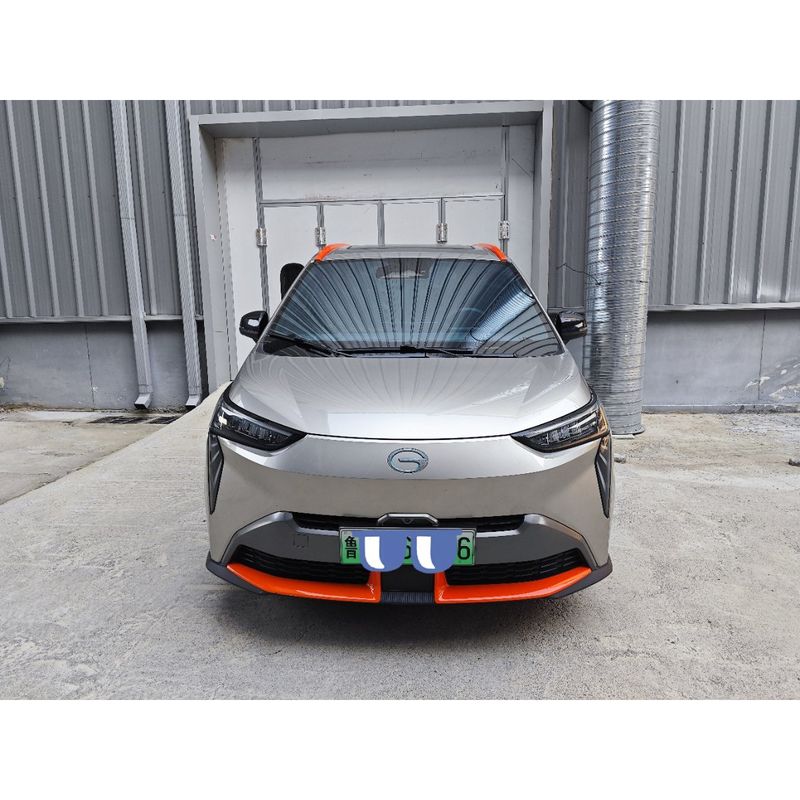
In terms of variety, h-usedcar.com offers an impressive selection of both old and new vehicles. Buyers can find older models that may have unique features or styles that are no longer available in new cars. Older vehicles often possess character and charm, appealing to those who appreciate classic designs. On the other hand, new cars boast modern aesthetics, enhanced safety features, and improved fuel efficiency. The choice between an old and new car ultimately depends on individual preferences and priorities.

Reliability is another critical aspect to consider when comparing old and new cars. New cars come with manufacturer warranties that cover repairs and maintenance for a certain period. This can provide peace of mind for budget buyers who are concerned about unexpected costs. However, many well-maintained older cars can be just as reliable, especially if they have been cared for by previous owners. Buyers should focus on the vehicle’s maintenance history, mileage, and overall condition rather than just its age. An older car that has been regularly serviced can often outperform a new car that has not been properly maintained.
When it comes to insurance costs, older cars tend to be less expensive to insure than new ones. This is an important consideration for budget-conscious buyers who want to keep their overall expenses in check. New cars often come with higher premiums due to their higher replacement value and the cost of repairs. For buyers looking to save money in the long run, choosing a reliable used car can lead to significant savings on insurance.
The environmental impact of purchasing a vehicle also plays a role in the old versus new debate. New cars often feature more efficient engines and lower emissions, aligning with modern environmental standards. However, the production of new vehicles has its own environmental costs, including resource extraction and manufacturing emissions. Buying a used car can be seen as a more environmentally friendly option since it extends the life of existing vehicles and reduces the demand for new manufacturing.
In terms of financing options, the availability of loans for used cars can sometimes be more flexible than for new cars. Many lenders offer competitive rates for used vehicles, making it easier for budget buyers to secure financing. Additionally, buyers of used cars may find that they can pay off their loans more quickly due to lower purchase prices. This can result in less overall interest paid and a quicker path to vehicle ownership.
For those who enjoy customization, older cars often present more opportunities for modification. Many classic models have a dedicated enthusiast community, and parts are readily available for those looking to restore or personalize their vehicle. New cars, while often equipped with the latest features, tend to come with warranties that can be voided by aftermarket modifications. Buyers looking to create a unique vehicle may find more freedom with older models.
Safety is a significant consideration in any vehicle purchase. New cars typically come equipped with advanced safety features such as lane assist, adaptive cruise control, and collision avoidance systems. These technologies can provide added security for drivers and passengers alike. While older cars may lack these modern innovations, many still offer essential safety features and can be retrofitted with upgrades. Buyers should research specific models to understand the safety ratings and features available.
Another factor is fuel efficiency. New cars often benefit from advancements in engine technology and design, leading to better fuel economy. This can result in lower fuel costs over the life of the vehicle. However, some older models, particularly those with smaller engines, can also be quite fuel-efficient. It is crucial for buyers to compare the fuel economy of specific vehicles rather than making assumptions based solely on their age.
In the journey of car buying, every potential owner must weigh their priorities and preferences. Whether leaning towards the charm of an old car or the modern conveniences of a new one, budget buyers have numerous options available to them. With a vast inventory at h-usedcar.com, buyers can explore various styles and models that suit their needs and financial considerations. By carefully examining the pros and cons of each option, smart buyers can secure a vehicle that not only fits their budget but also meets their lifestyle requirements. The right choice ultimately lies in understanding personal preferences, financial constraints, and the vehicle’s condition, leading to a satisfying and rewarding ownership experience.