
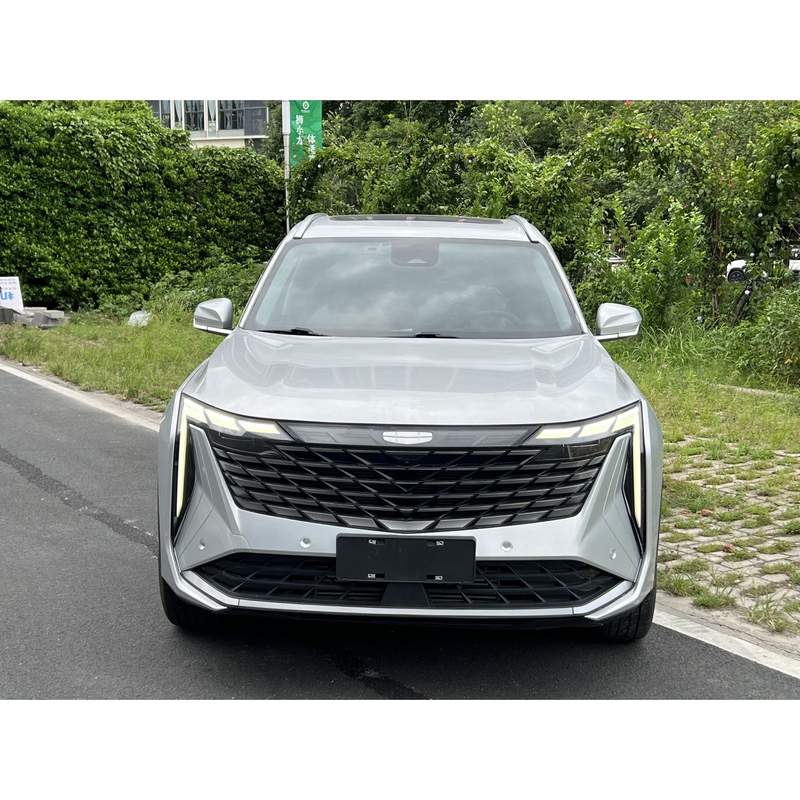



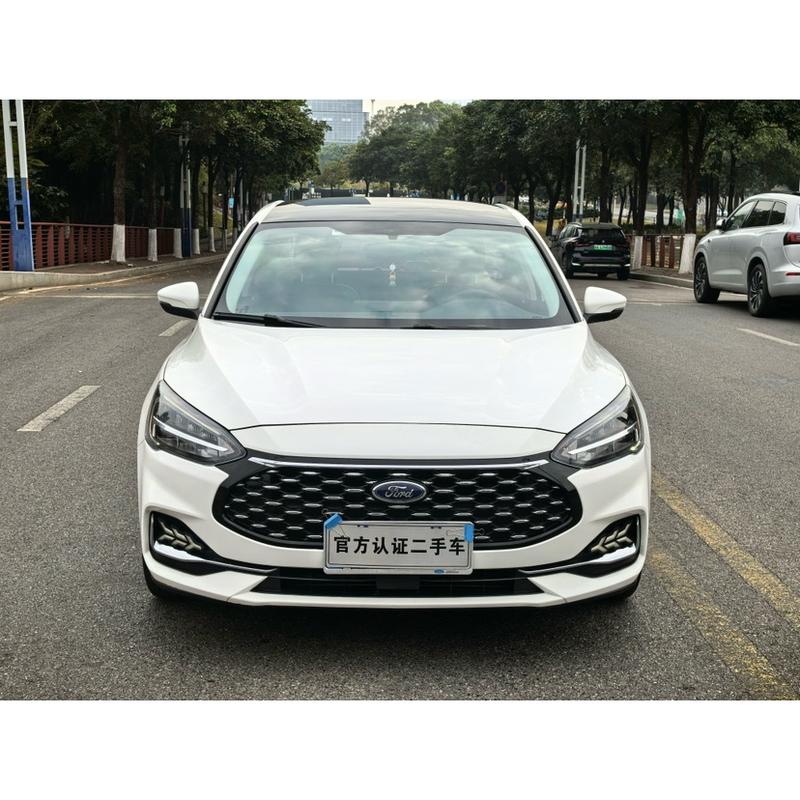
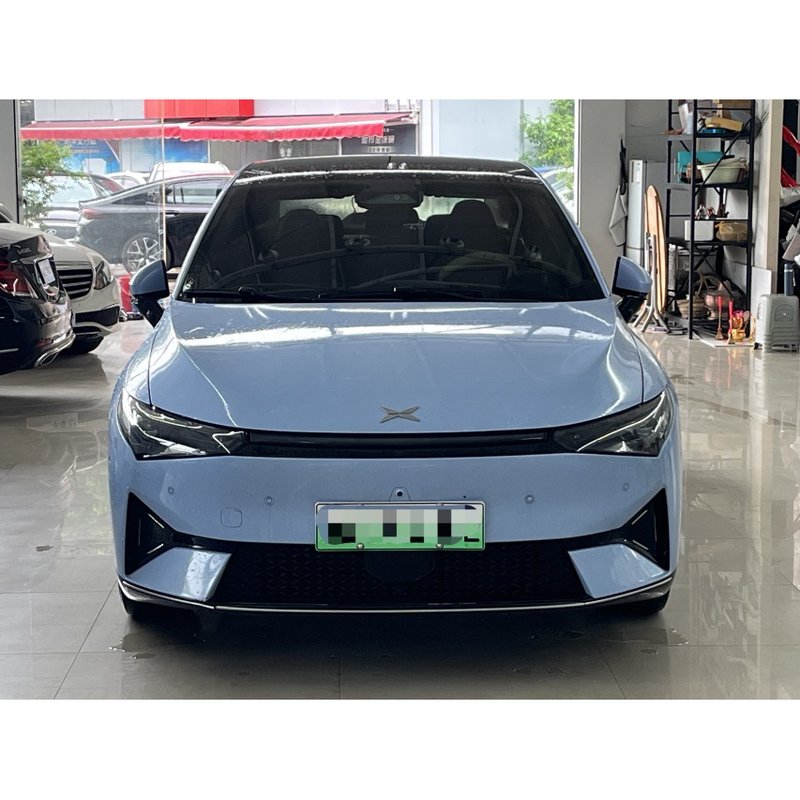

No Local Auto Industry? Used Cars Are Your Most Cost-Effective Choice
In a globalized economy, the dynamics of the automotive industry have shifted dramatically. For countries or regions without a robust local auto manufacturing industry, the used car market emerges as a potent alternative. This shift in focus to used cars is not just a trend but a strategic decision driven by various factors, including cost-effectiveness, availability, and sustainability.
One of the most compelling reasons to consider used cars is the financial aspect. New vehicles depreciate rapidly, losing a significant portion of their value as soon as they are driven off the lot. In contrast, used cars offer a more stable investment. Buyers can often acquire vehicles that are only a few years old for a fraction of the price of a new model. This can be particularly advantageous in regions where the local economy may not support high levels of consumer spending. By opting for used cars, buyers can stretch their budgets further, allowing for the purchase of higher-quality vehicles or even multiple vehicles for the price of one new car.

The lack of a local auto industry can also lead to a limited selection of new vehicles. In many cases, consumers may find themselves constrained to models that are either not suited to their needs or are priced beyond their means. Used cars provide a broader array of choices. From sedans to SUVs, buyers can find vehicles that cater to their specific requirements, whether they are looking for fuel efficiency, cargo space, or advanced safety features. This diversity allows consumers to make informed decisions based on their personal preferences and lifestyle needs.

Importing used cars has become a viable option for many countries. Wholesalers like jh-usedcar.com play a crucial role in this supply chain by facilitating the importation of high-quality used vehicles from markets with a surplus. These wholesalers often have established relationships with dealerships and manufacturers, ensuring a steady supply of well-maintained cars. The expertise of these wholesalers is invaluable, as they can assess the quality of vehicles, verify their history, and provide essential documentation that buyers need for registration and insurance purposes.
Moreover, the rise of online platforms has revolutionized how consumers purchase used cars. With just a few clicks, potential buyers can browse extensive inventories of used vehicles from the comfort of their homes. This convenience eliminates geographical barriers, allowing consumers from areas without local auto industries to access a global market. The transparency provided by online listings, complete with photographs and detailed vehicle histories, empowers buyers to make informed decisions. Enhanced communication channels also enable direct interactions with sellers, further streamlining the purchasing process.
Sustainability is another factor driving the popularity of used cars. As awareness of environmental issues grows, consumers are increasingly looking for ways to reduce their carbon footprints. Opting for used vehicles is a step in the right direction. The production of new cars requires significant resources, including raw materials and energy. By choosing a used car, consumers are essentially recycling a vehicle, extending its life and reducing the demand for new manufacturing processes. This choice not only benefits the individual but also contributes to broader sustainability efforts.
The relationship between wholesalers and consumers is vital in ensuring that the used car market remains viable and efficient. Wholesalers like jh-usedcar.com invest in building strong supply chains that guarantee quality and reliability. They perform thorough inspections and provide warranties on many of the vehicles they sell, instilling confidence in buyers. This commitment to quality assurance is essential, especially in markets where consumers may be apprehensive about purchasing used cars due to concerns about reliability and safety.
Furthermore, financing options for used cars have become increasingly flexible. Many financial institutions now offer loans specifically tailored for used vehicle purchases, often with competitive interest rates. This accessibility enables more consumers to consider used cars as a practical option, breaking down financial barriers that once existed. Buyers can now explore various financing plans, making it easier to find a solution that fits their budget and needs.
In regions without a local auto industry, the used car market represents a unique opportunity for both consumers and wholesalers. As the demand for cost-effective transportation solutions continues to grow, the importance of a well-structured supply chain becomes ever more apparent. Wholesalers play a pivotal role in sourcing quality vehicles, providing essential support to consumers in need of reliable transportation.
The landscape of the automotive market is evolving, and the focus on used cars is a testament to this change. By embracing the benefits of used vehicles, consumers can navigate the complexities of the automotive industry, ensuring they make informed choices that align with their financial and personal needs. The future of mobility may well hinge on the used car market, especially for those in regions where new car options are limited.


