

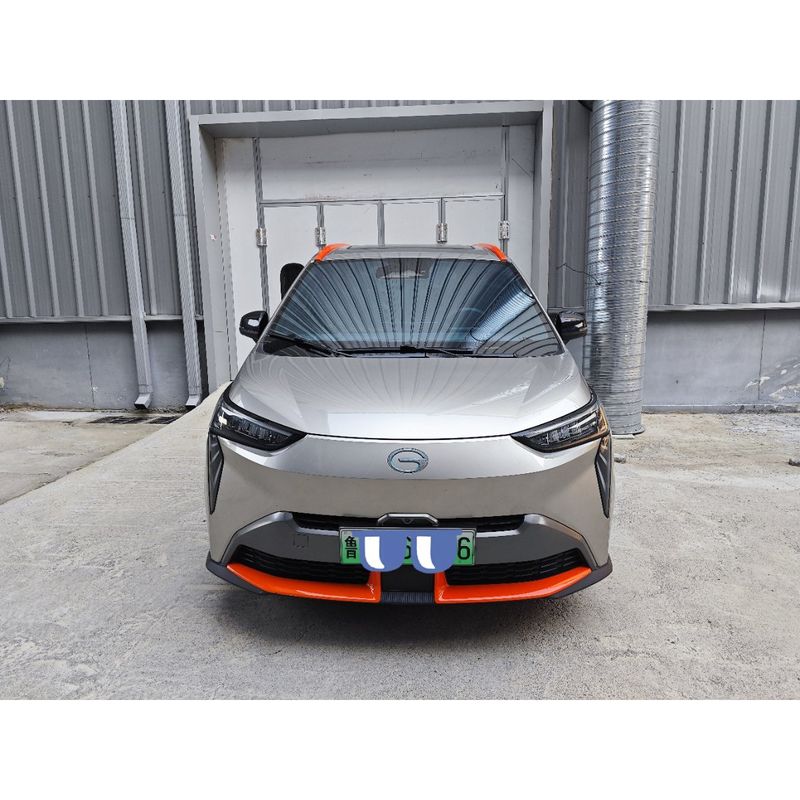

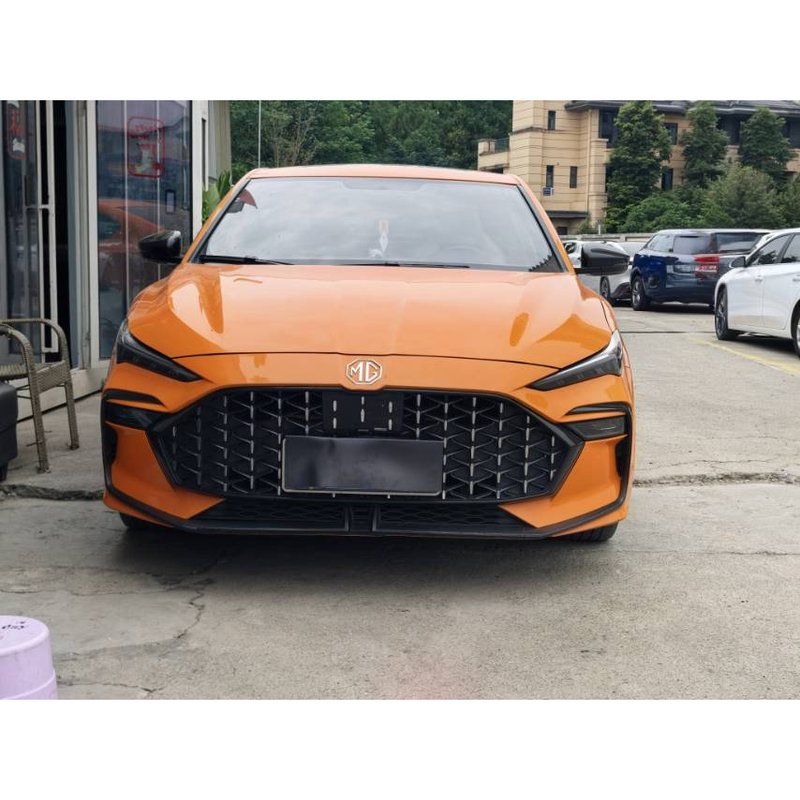
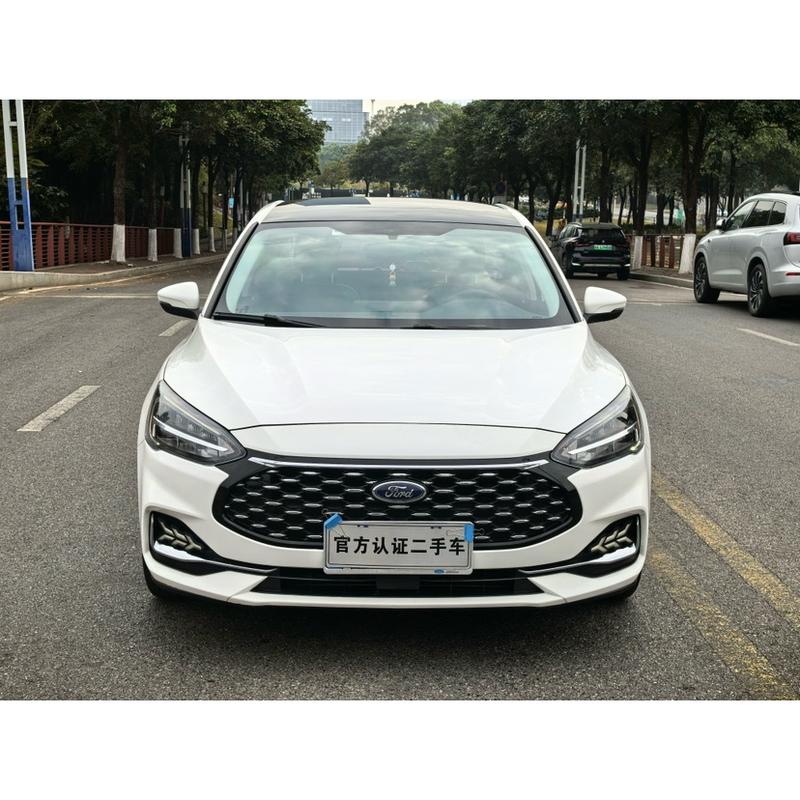
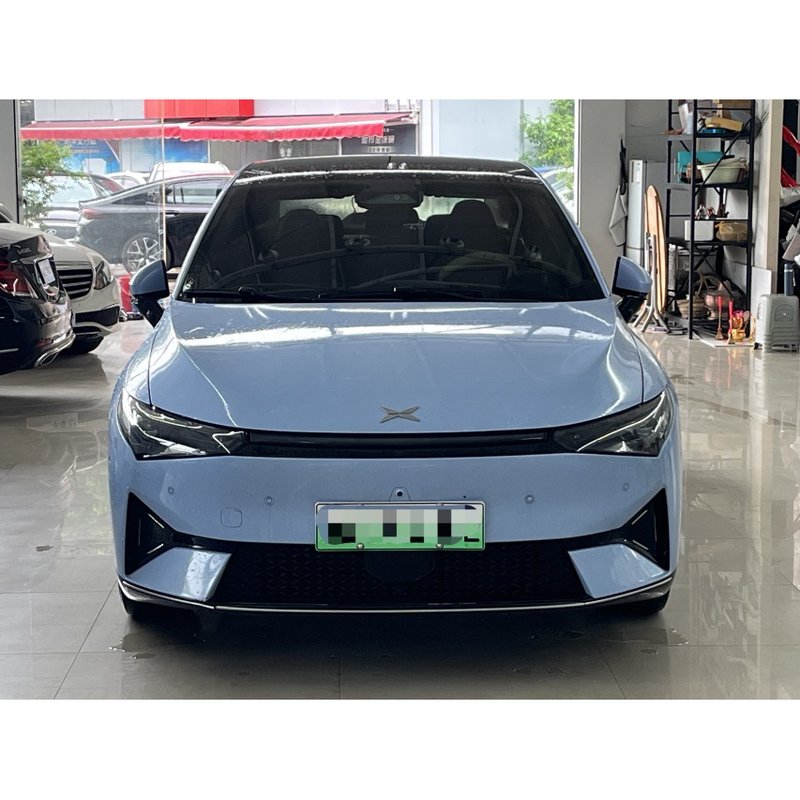

Learn all key details about what is cpo when talking about cars with our guide today now
When discussing the automotive market, particularly in the context of used cars, the term Certified Pre-Owned (CPO) often arises. Understanding what CPO means and how it relates to the used car supply chain is essential for both buyers and sellers in the industry. This guide will provide you with a comprehensive overview of CPO vehicles, their benefits, and their impact on the used car market.
Certified Pre-Owned vehicles are used cars that have undergone a rigorous inspection and refurbishment process by the manufacturer or a certified dealership. These vehicles typically come with an extended warranty, which varies by manufacturer, and are seen as a reliable option for buyers looking for a used car that is almost as good as new. The CPO program is designed to provide peace of mind to customers who may be hesitant about purchasing a used vehicle due to concerns about quality and reliability.
One of the key factors that distinguishes a CPO vehicle from a regular used car is the stringent inspection process it must undergo. Manufacturers often have specific criteria that a vehicle must meet to qualify for the CPO program. This may include a certain age limit, mileage restrictions, and the condition of the vehicle. For example, a car may need to be less than five years old and have fewer than 60,000 miles to qualify. Additionally, the vehicle must pass a multi-point inspection that checks various components, including the engine, transmission, brakes, and overall mechanical condition.

CPO programs also typically require that any necessary repairs or maintenance be completed before a car can be sold as certified. This ensures that the vehicle is in optimal condition for the new owner. In many cases, CPO vehicles are also accompanied by a vehicle history report, which provides information about past ownership, accidents, and service records. This transparency is crucial for building trust with potential buyers.
Another advantage of purchasing a CPO vehicle is the warranty coverage that often comes with it. Most manufacturers offer a limited warranty that extends beyond the original factory warranty. This can provide added protection against unexpected repair costs, which is a significant concern for many used car buyers. Depending on the manufacturer, CPO warranties can cover major components such as the engine and transmission, as well as additional features such as roadside assistance.

The CPO market has been growing steadily over the past few years, largely due to an increase in consumer demand for quality used vehicles. Buyers are increasingly looking for vehicles that provide reliability and warranty coverage without the new car price tag. This trend has led to a more competitive marketplace, with manufacturers and dealerships striving to enhance their CPO offerings. As a result, buyers now have access to a wider selection of certified vehicles than ever before.
From the perspective of the used car supply chain, CPO programs play a significant role in ensuring a steady stream of high-quality vehicles for dealerships. Manufacturers benefit from having a robust CPO program, as it encourages brand loyalty and repeat customers. When buyers purchase CPO vehicles, they are more likely to return to the same brand for their next purchase, whether it be a new or used car. This creates a cyclical effect that enhances the overall health of the automotive supply chain.
Moreover, dealerships gain advantages from offering CPO programs. They can attract customers who may be hesitant to buy a used vehicle due to concerns about reliability. By providing CPO options, dealerships can differentiate themselves in a crowded market. Certified vehicles often command higher prices than their non-certified counterparts, allowing dealerships to boost their profit margins. This is especially important in a competitive environment where margins on new car sales may be thinner.
For consumers, understanding the CPO process can empower them as they navigate the used car market. It is essential to research different manufacturers and their respective CPO programs to understand what is included and what to expect. Buyers should also pay attention to the specifics of the warranty coverage, as this can vary significantly between manufacturers.
In addition, prospective buyers should consider the resale value of CPO vehicles. Generally, certified vehicles tend to retain their value better than non-certified used cars. This is largely due to the perception of quality and reliability associated with CPO programs. When it comes time to sell or trade in a CPO vehicle, owners may find that they can command a higher price due to the certification.
When looking for a used car, it is crucial to consider the benefits of purchasing a Certified Pre-Owned vehicle. The extensive inspection process, warranty coverage, and peace of mind that come with CPO cars make them an attractive option for many buyers. As the market continues to evolve, understanding the dynamics of the CPO segment will be invaluable for both consumers and industry stakeholders. Whether you are a first-time buyer or a seasoned automotive enthusiast, being informed about CPO vehicles can enhance your purchasing experience and lead to a more satisfactory ownership journey.


