


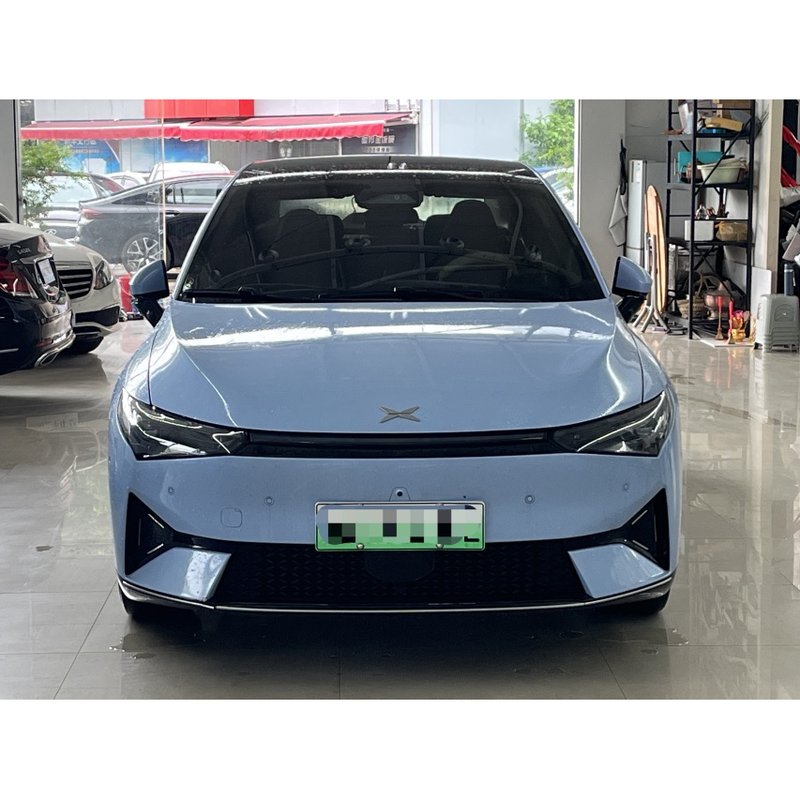
Jaguar Pre Owned Car Alternatives for African Export Markets
As a quality control manager involved in international vehicle exports from China, selecting alternatives to a jaguar pre owned car requires a strict assessment of reliability, operating cost and long term suitability. Buyers across Africa and emerging markets often seek premium appearance with affordable maintenance, but export success depends on more than brand reputation. A vehicle must match local road conditions, fuel quality, climate demands and the expectations of overseas dealers.
Japanese, European and Chinese used vehicles are frequently evaluated as practical alternatives because many models offer strong availability of parts, proven engineering and competitive resale value. Before export approval, every vehicle must pass a structured inspection process covering mechanical condition, safety systems, body quality and documentation accuracy. A premium used car that fails technical standards can create expensive after-sales problems for exporters and distributors.
Inspection Standards for International Used Car Selection
The inspection process begins with vehicle identification verification. Export specialists check the VIN, registration history, ownership records and accident background to confirm that the vehicle has a transparent history. Any inconsistency between documents and physical vehicle information is treated as a major warning sign. Mileage records are also reviewed carefully because inaccurate mileage can affect engine life evaluation and customer confidence.
Mechanical inspection focuses on the engine, transmission, suspension, braking system and electrical components. Technicians examine engine performance during cold starts, monitor unusual sounds, check fluid conditions and evaluate signs of previous repairs. Transmission response, steering accuracy and suspension stability are tested because African markets often include rough roads and long distance driving requirements. Vehicles with hidden structural damage, overheating issues or repeated mechanical failures are rejected regardless of their exterior appearance.
Quality Evaluation Criteria for Export Vehicles
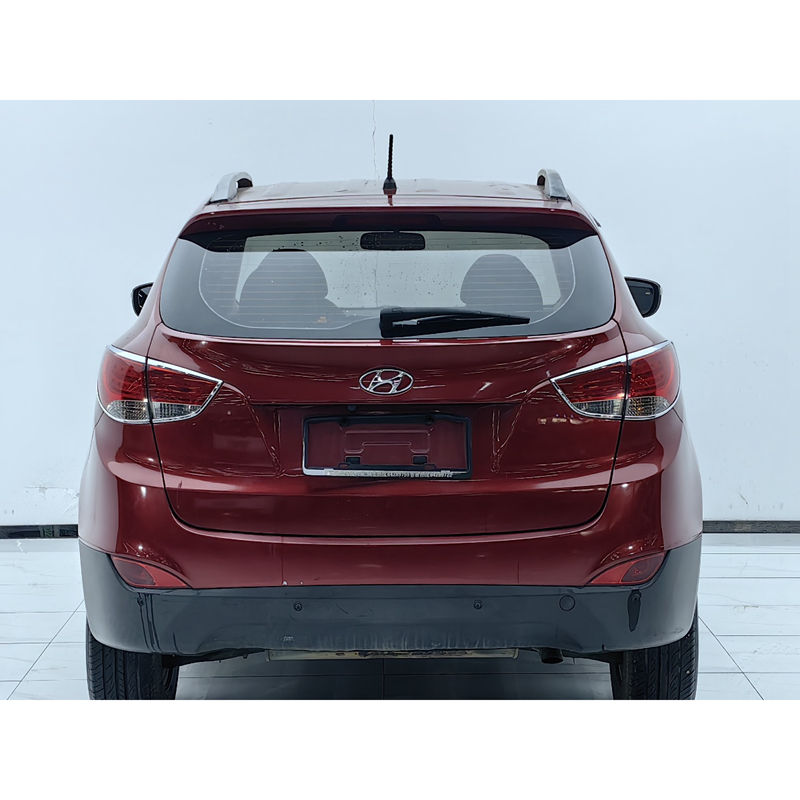
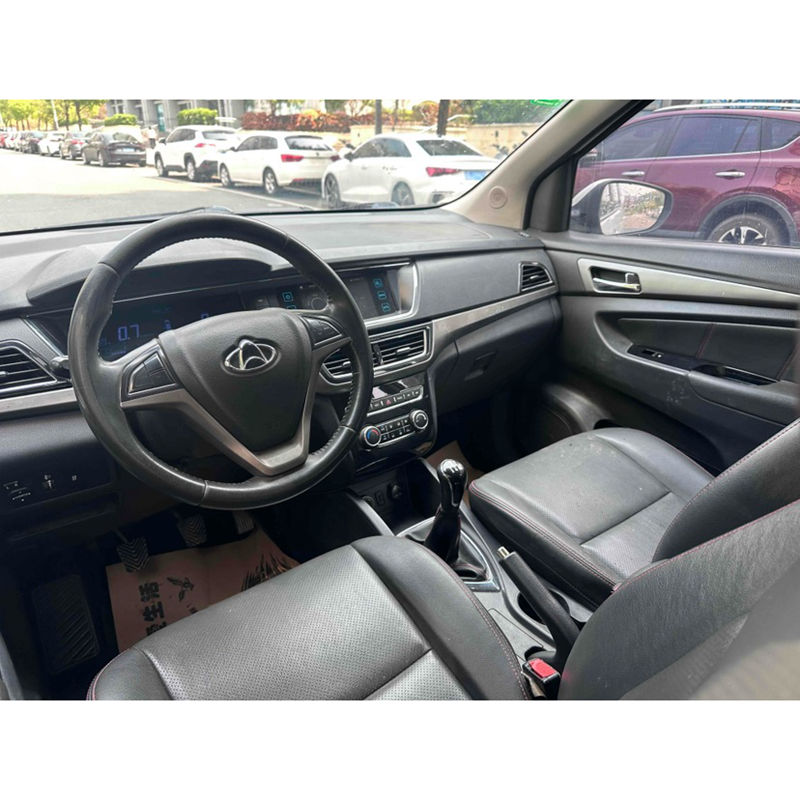
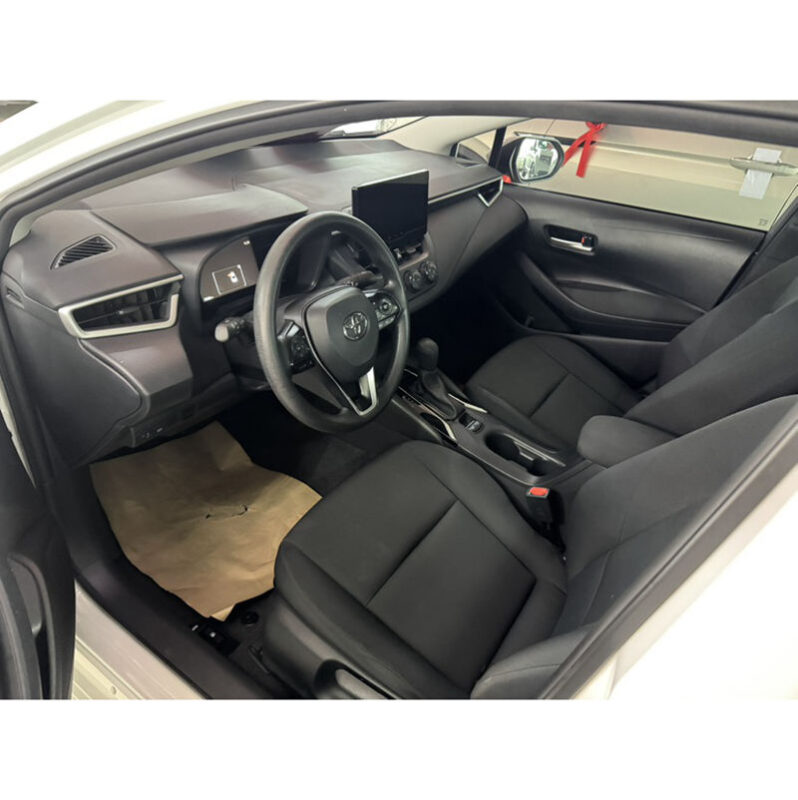
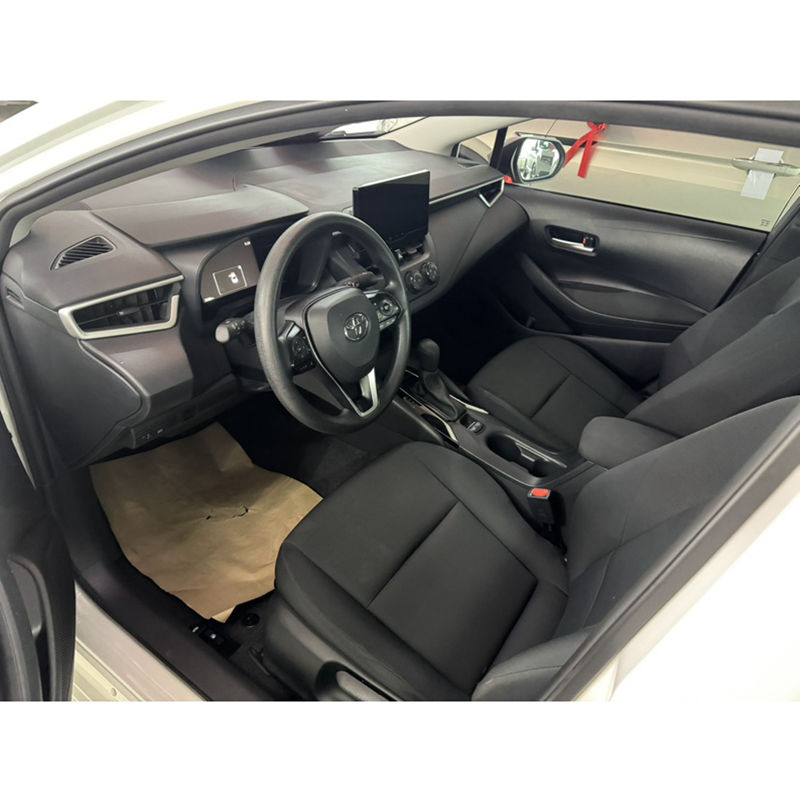
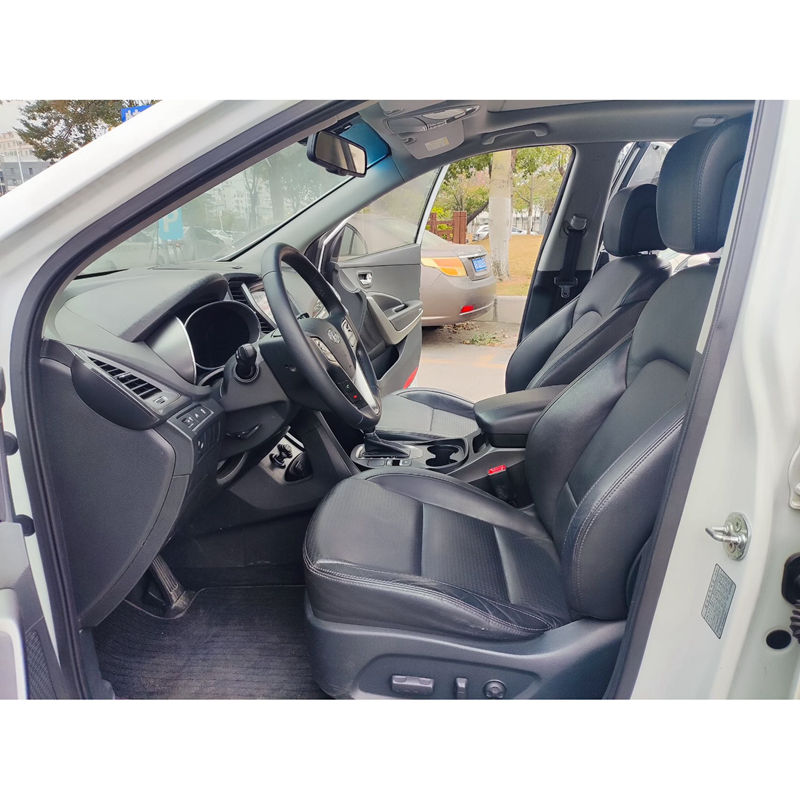
Exterior and interior condition are important parts of export quality control. Inspectors examine paint thickness, repaired panels, corrosion points and accident-related deformation. A vehicle with professional cosmetic repairs may still be acceptable, but poor restoration work indicates possible hidden damage. Interior inspections include seat condition, dashboard functions, air conditioning performance, infotainment systems and safety equipment such as airbags and electronic assistance features.
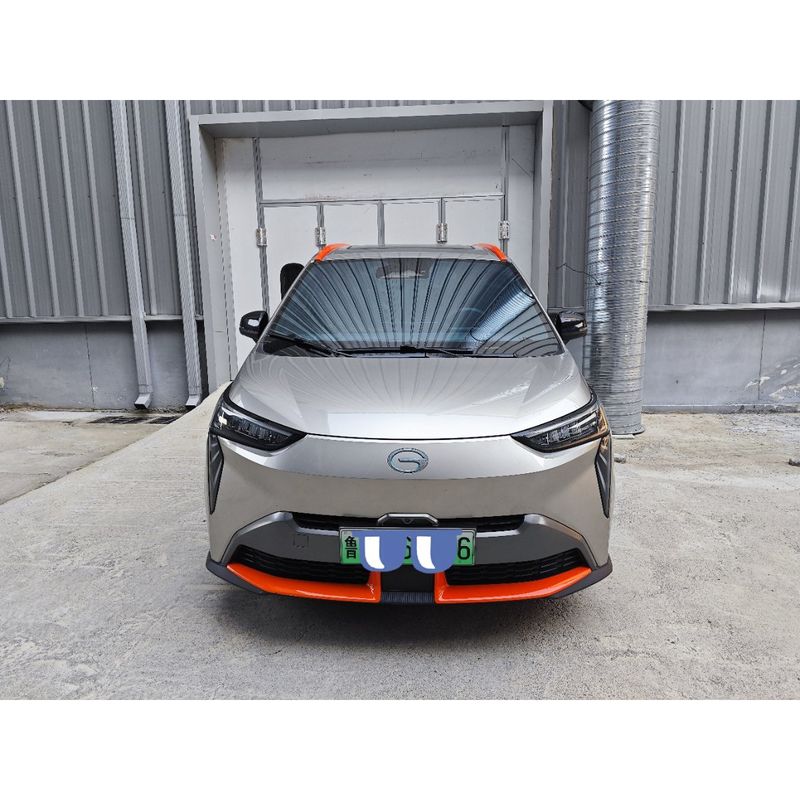
For new energy vehicles, additional evaluation is required. Battery health testing includes remaining capacity measurement, charging performance analysis and thermal management inspection. Electric vehicle specialists review battery history, charging cycles and warning records before approving export. Hybrid systems require similar attention because battery replacement costs can significantly influence ownership value in developing markets.
Rejection Standards Used by Automotive Export Experts
Professional exporters apply clear rejection standards to prevent unreliable vehicles entering overseas markets. Vehicles with severe accident damage, flooded history, tampered mileage, missing service records or major safety defects should not be exported. Cars showing unstable engine operation, transmission failure, battery degradation beyond acceptable limits or serious chassis corrosion are also removed from export programmes.
Quality managers also consider market compatibility before final approval. A luxury vehicle may appear attractive, but limited local repair support or expensive replacement parts can reduce customer satisfaction. A carefully selected alternative to a jaguar pre owned car should provide dependable operation, accessible maintenance and strong value for dealers and end users. Export quality is measured by the vehicle’s complete ownership experience, not only its purchase price.
Preparation and Logistics Before Vehicle Shipment
After inspection approval, vehicles undergo preparation procedures before leaving China. Technicians complete servicing checks, clean the vehicle, verify tyre condition and ensure all export documents are correctly prepared. At Guangzhou Nansha Port, logistics teams coordinate loading, customs procedures and shipping arrangements to protect vehicles during international transport. Proper preparation reduces delivery delays and prevents avoidable complaints from overseas partners.
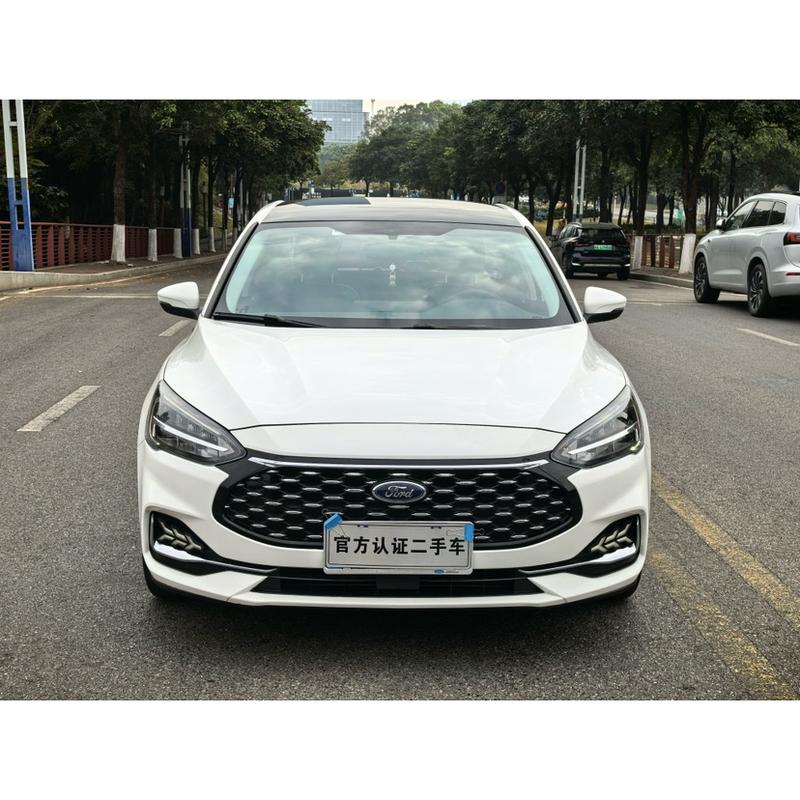
Automotive photography specialists also document vehicle condition before shipment. Detailed images of the exterior, interior, engine compartment and inspection results help create transparency between exporters and international buyers. This process is especially valuable for dealers purchasing remotely because accurate information supports faster decision making and builds confidence.
Building Reliable Used Car Supply Chains
Successful used car export operations depend on consistent standards rather than individual vehicle selection alone. Export companies working with Africa and emerging markets need professional inspection teams, experienced appraisal specialists and reliable logistics coordination. The most competitive suppliers understand regional preferences and provide vehicles that balance quality, affordability and maintenance accessibility.
A well-managed quality control system allows exporters to offer dependable alternatives for customers who may consider premium models such as a jaguar pre owned car. By applying strict inspection procedures, transparent evaluation methods and responsible preparation practices, Chinese automotive exporters can develop stronger partnerships with overseas dealers and create sustainable growth in international markets.