

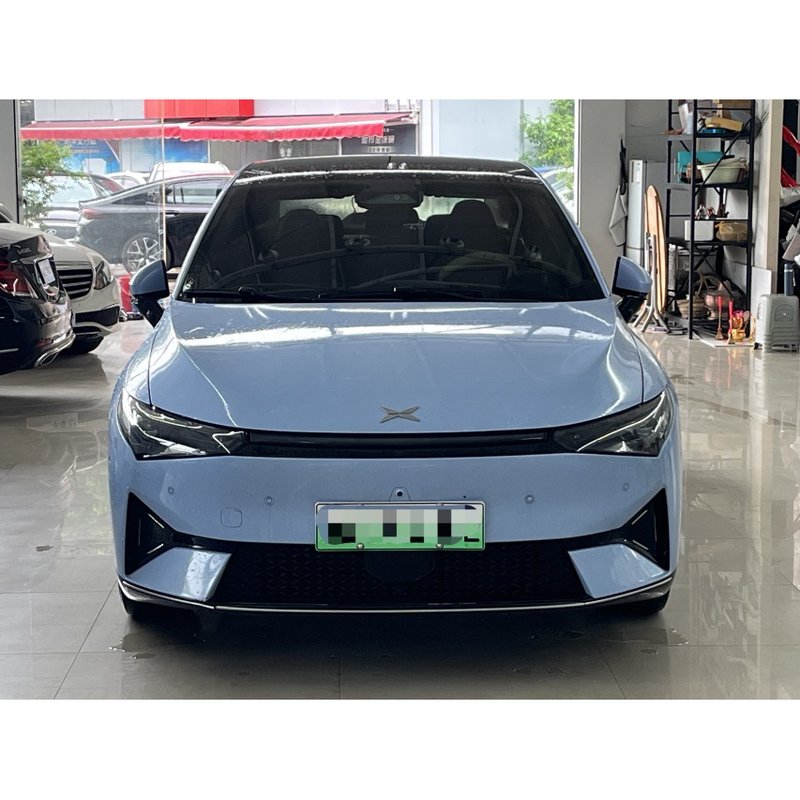
Assessing the Demand for Second-Hand Cars
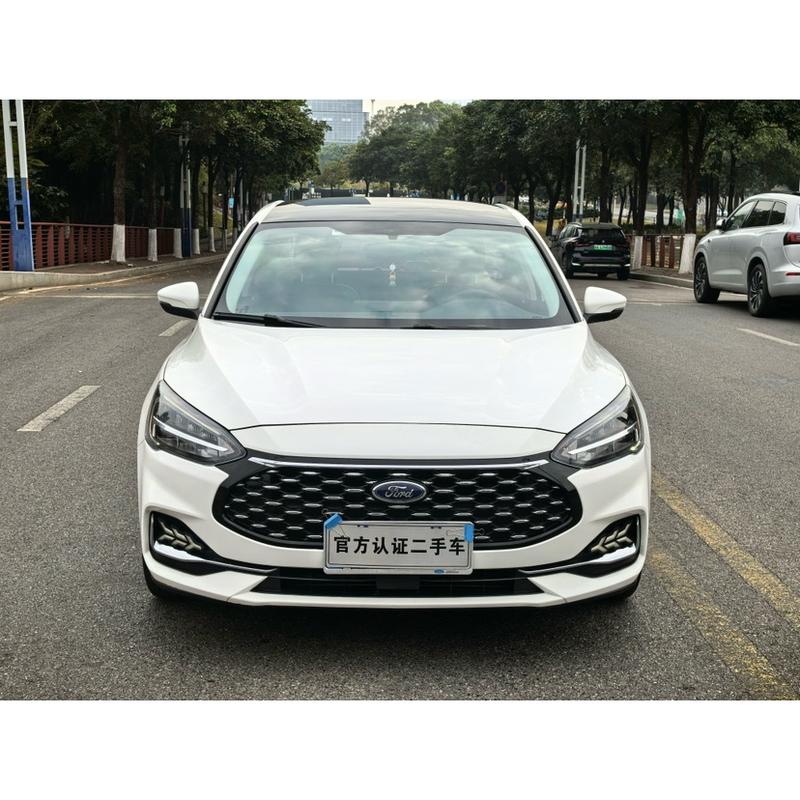
The second-hand car market is vibrant across Africa, the Middle East, Southeast Asia, and Central Asia, with demand driven by various factors unique to each region. For instance, affordability and reliability are paramount in many African markets, where the cost of new vehicles can be prohibitively high. Used vehicles, particularly those from Chinese manufacturers, often provide an attractive option for buyers looking for well-equipped, budget-friendly models. In regions with expanding urban populations, such as Southeast Asia, compact cars and SUVs that are fuel-efficient and suited for both city and rural driving are particularly appealing.
Moreover, the Middle East has a strong preference for larger vehicles, including SUVs and pickup trucks, which are often used for both personal and commercial purposes. Understanding these regional preferences is essential for assessing which models will resonate most with potential buyers in various markets.
Chinese Vehicles That Fit the Bill
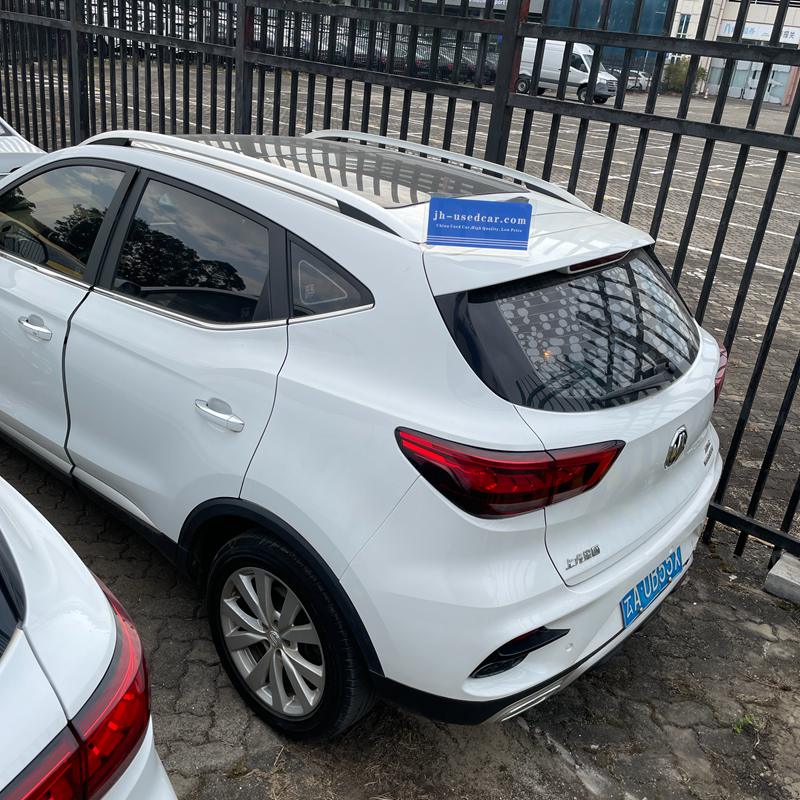
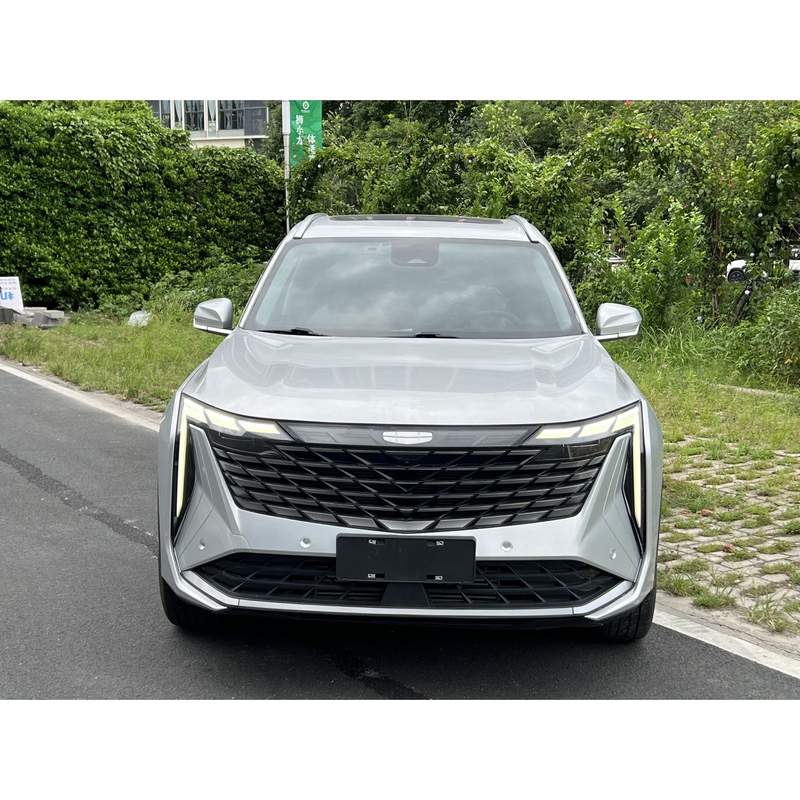
Several Chinese automotive brands have established a reputation for producing reliable second-hand vehicles that cater to the preferences of different regions. For example, brands such as Great Wall Motors and Geely have made significant inroads into the African market, with models such as the Haval H6 and Geely Emgrand proving popular due to their combination of affordability and functionality. These vehicles are particularly suited for urban areas where space can be limited, and their fuel efficiency is a considerable advantage.

In contrast, the Middle East market is often more receptive to larger vehicles like the Changan CS75 or the BYD Tang. These SUVs are built to handle off-road conditions and provide ample space for families or work-related transport. Their stylish designs and advanced features also attract buyers looking for modernity combined with utility.
Regional Market Trends
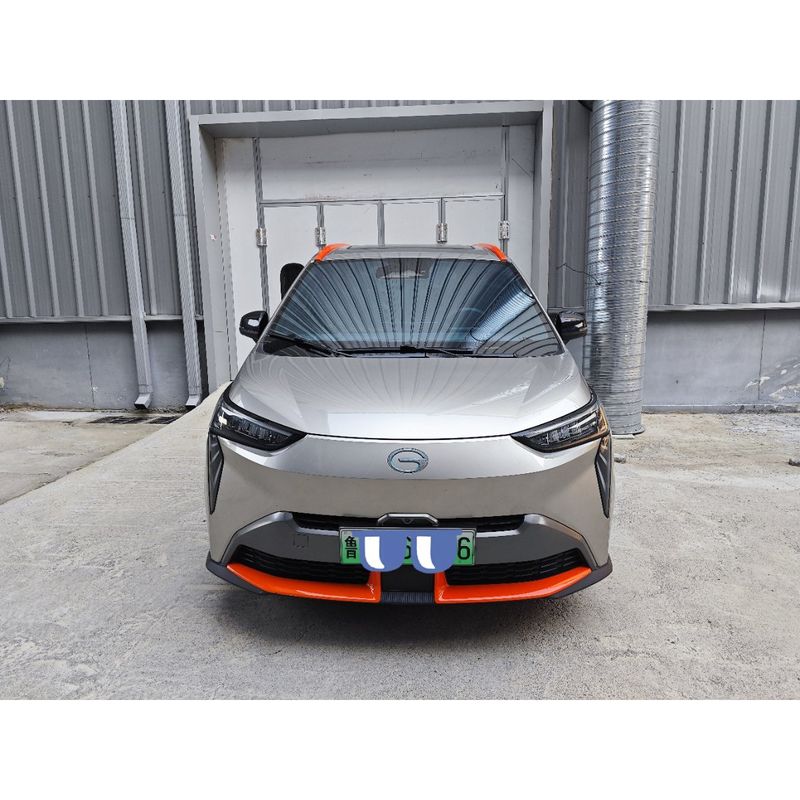
When evaluating the second-hand car market, it is important to observe regional trends that influence purchasing decisions. In Southeast Asia, for instance, there is a growing interest in electric and hybrid vehicles, propelled by government incentives and a shift towards more sustainable transportation. Chinese manufacturers like BYD have introduced models that cater to this trend, combining affordability with advanced technology. The second-hand market for these vehicles is likely to grow as consumers become more environmentally conscious.
Conversely, Central Asia has seen a rise in demand for rugged vehicles that can navigate challenging terrains. Models such as the Foton Tunland pickup truck or the JAC T6 are popular choices among buyers in this region, known for their durability and performance. These models are often seen as essential for both agricultural and commercial use, indicating a robust market for functional second-hand vehicles.
Strategies for Evaluating Second-Hand Cars
For buyers looking to purchase a second-hand car, understanding the nuances of the market is vital. Factors such as the vehicle’s history, maintenance records, and condition should be thoroughly investigated. In regions where used vehicles maintain high resale values, it is advisable to focus on models from manufacturers known for reliability, as this can significantly ease future resale or trade-in processes.
It is equally important to engage with reputable dealers or platforms that specialise in second-hand cars. Building relationships with local experts can provide insights into the best vehicles available in the market. Additionally, leveraging technology and online resources can enable buyers to compare prices and vehicle conditions effectively before making a purchase.
Impact of Import Regulations and Logistics
Import regulations and logistics play a significant role in the second-hand car market, particularly when sourcing vehicles from abroad. Countries in Africa and the Middle East may have different import tariffs and regulations that can affect the cost of acquiring used vehicles. Understanding these aspects is crucial for both buyers and sellers in the automotive industry, as it can impact pricing strategies and market entry plans.
Logistics also factors into the equation, with efficient transportation systems needing to be established for the timely delivery of vehicles. This is particularly relevant for regions with less developed infrastructure, where delays can affect the buyer’s overall experience and satisfaction. Coordinating with logistics experts can facilitate smoother transactions and enhance customer confidence in the purchasing process.