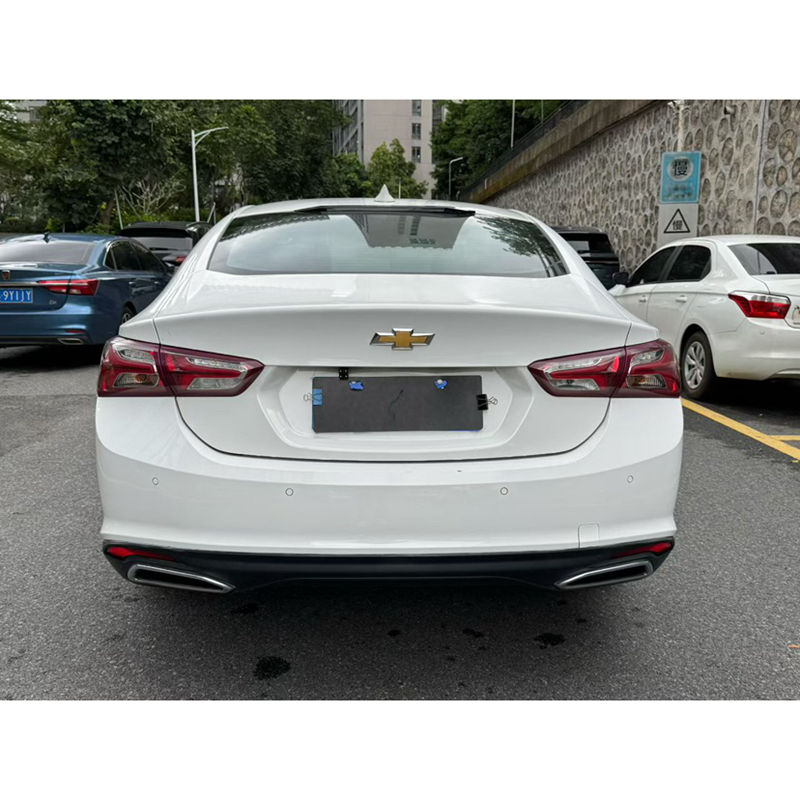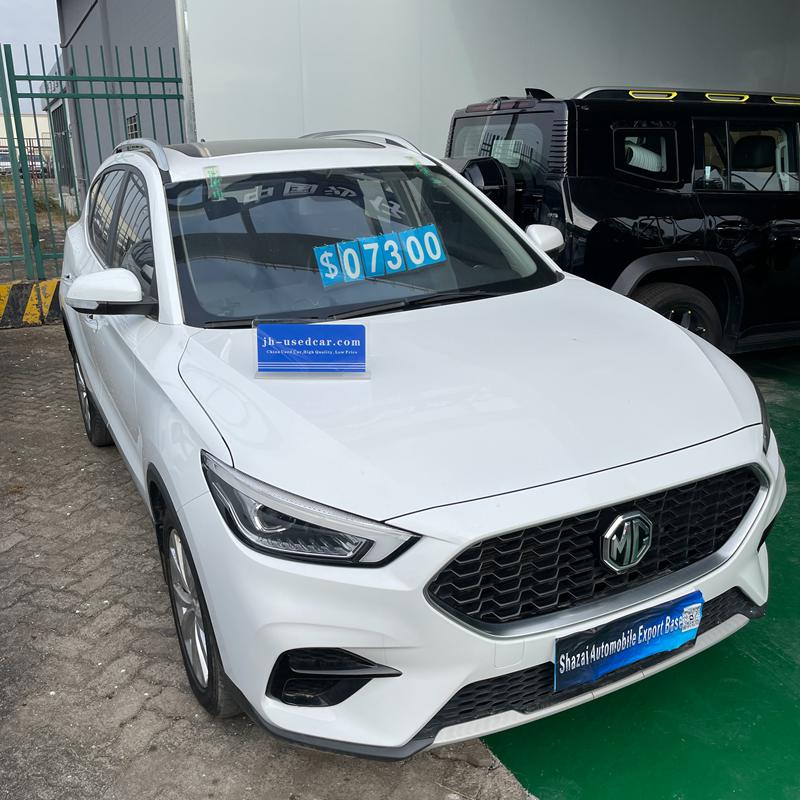
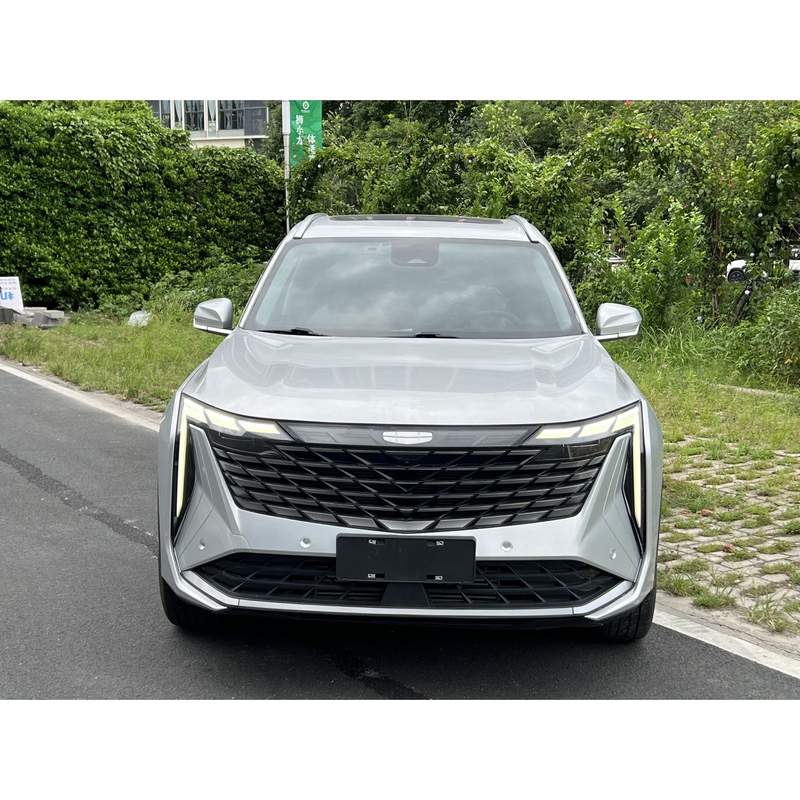
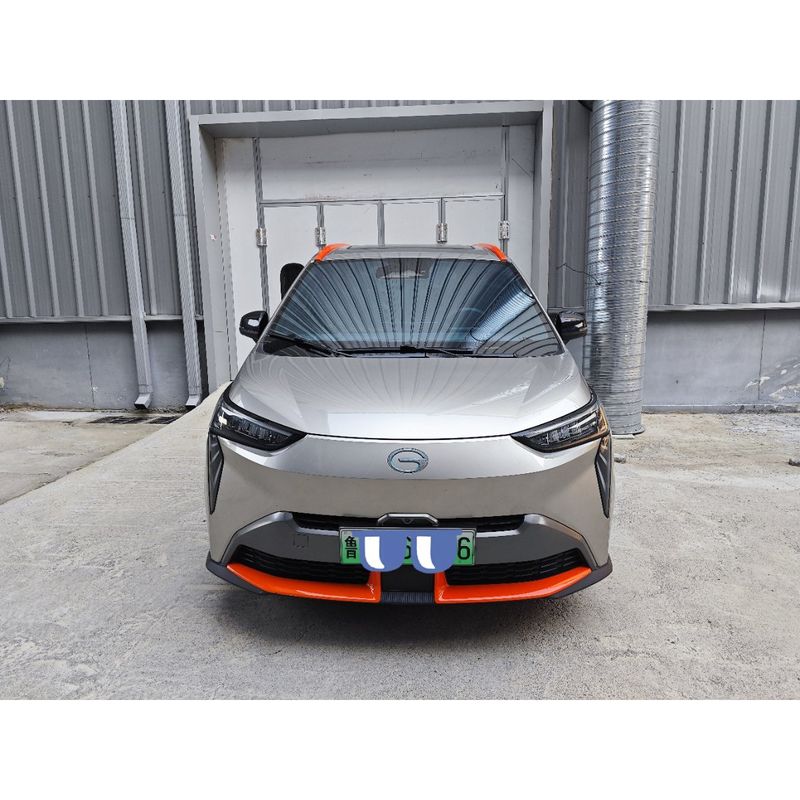

Selecting BMW Series 1 Second Hand Cars
When considering the acquisition of BMW Series 1 second hand cars, overseas dealers must approach the process with a strategic mindset. This particular model has established a reputation for its sporty performance and compact design, making it appealing to a broad audience. However, navigating the used car market requires careful planning and informed decision-making to ensure that the investment yields optimal returns.
Inventory Planning for Importing
A crucial aspect of purchasing BMW Series 1 second hand cars involves effective inventory planning. Dealers should conduct thorough market research to identify which variants of the Series 1 are in high demand within their target markets. Factors such as model year, mileage, and trim level all influence desirability and subsequent resale value. By aligning inventory with market demand, dealers can avoid overstocking less desirable models and instead focus on acquiring cars that are likely to turn over quickly.
In addition, forecasting sales and understanding seasonal trends can aid dealers in making informed purchasing decisions. For instance, certain models may be more desirable in winter months due to all-weather capabilities. Keeping track of such trends will not only help in selecting the right vehicles but also in optimizing the timing of purchases.
Vehicle Selection Criteria
When selecting BMW Series 1 second hand cars for import, several criteria should be considered to ensure quality and longevity. A thorough vehicle inspection is essential. Dealers should engage professionals proficient in automotive quality control to assess the condition of each vehicle before purchase. This includes checking for previous accidents, mechanical performance, and the state of the vehicle’s interior and exterior.
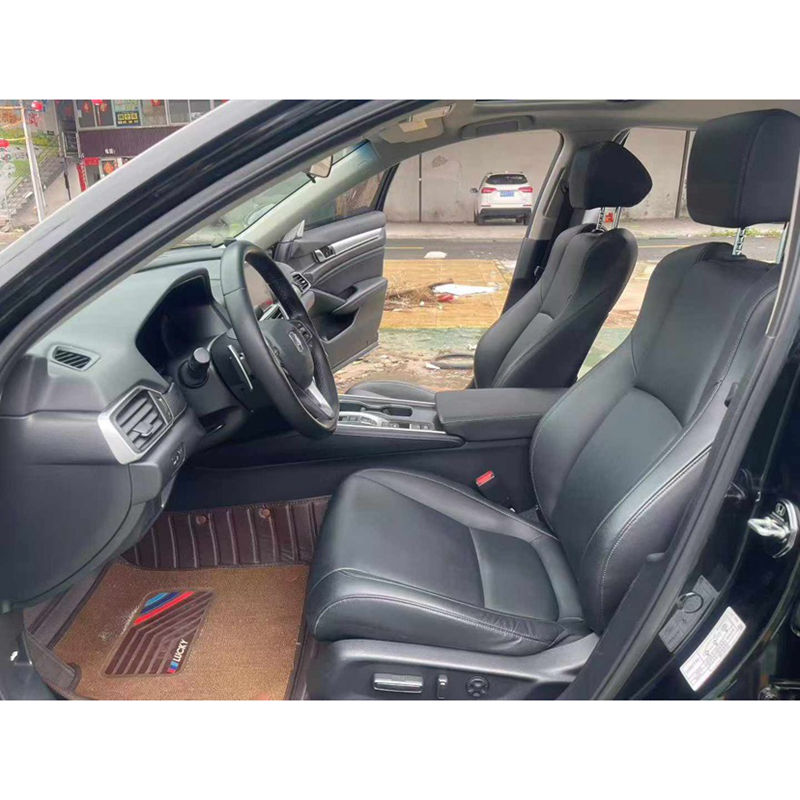
Key indicators such as service history, number of previous owners, and odometer readings will provide insights into the car’s condition and reliability. It is advisable to source from reputable suppliers with a track record of maintaining high standards in their inventory. Such diligence not only protects the dealer’s investment but also enhances customer satisfaction upon resale.
Cost Management Strategies
Cost management is another critical consideration when importing BMW Series 1 second hand cars. Dealers must account for the total landed cost, which includes not only the purchase price but also shipping, insurance, customs duties, and any refurbishing or modifications required upon arrival. Efficient logistics planning can help minimise these costs. Working with experienced logistics coordinators who understand the intricacies of international shipping and customs can significantly streamline the import process.
Additionally, dealers should explore financing options that could alleviate upfront costs. Establishing relationships with financial institutions that specialise in automotive financing can provide flexible terms that accommodate the dealer’s cash flow needs. This can be particularly beneficial in managing the financial risk associated with holding inventory.
Building Relationships with Suppliers
Networking within the industry can also present opportunities for exclusive deals or early access to desirable inventory. Attending automotive trade shows or joining relevant associations can help dealers stay connected with industry trends and other professionals in the field.
Market Research and Consumer Preferences
Understanding the local market in which the BMW Series 1 second hand cars will be sold is crucial. Conducting comprehensive market research allows dealers to tailor their offerings to meet consumer preferences, including colour options, specifications, and features that are particularly attractive to the target demographic. Engaging in surveys or focus groups can provide insight into what potential buyers are seeking in a used BMW.
Moreover, staying abreast of trends in the automotive industry, such as the rising interest in electric vehicles, can inform future purchasing strategies. As the automotive landscape evolves, being adaptive will position dealers favourably within the competitive market.