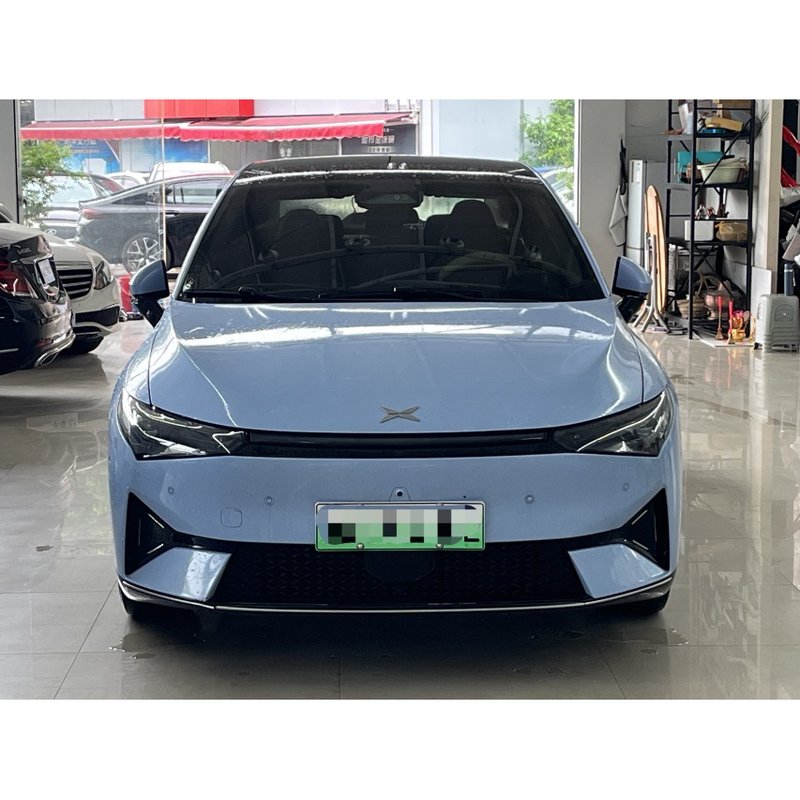
Initiating the Quotation Process
Securing a quotation for a second hand car is a pivotal step for overseas dealers looking to import vehicles from China. The first action involves identifying reliable suppliers or dealerships in the region. Establishing communication with these entities is vital; be clear about your requirements, including the types of vehicles you are interested in, their conditions, and any specific features essential for your market. This direct engagement sets the tone for negotiations and helps establish a relationship that can ease future transactions.
When reaching out for a quotation, provide as much detailed information as possible. This should include desired vehicle brands, models, year of manufacture, mileage, and condition. The more precise your requests, the more accurate the quotations will be. Be prepared to engage in discussions about pricing and terms to ensure you receive a comprehensive understanding of what the dealership can offer.
Evaluating Vehicle Selection
Selecting the right vehicles for import requires a strategic approach. Consider the local market trends in your country. What types of second hand cars are in demand? This could be compact cars, SUVs, or electric vehicles. An analysis of current sales data from your market can help inform these decisions. Collaborating with an automotive market research analyst can provide insights into which vehicles may yield the best returns on investment.
Inventory Planning Strategies
Effective inventory management plays a pivotal role in the success of importing second hand cars. Once you have obtained quotations, it is essential to assess how many vehicles you can afford to import and maintain. Establishing a budget that factors in the cost of the cars, shipping, customs duties, and storage is critical. This budget will guide your purchasing decisions, ensuring that you do not overextend your financial capabilities.
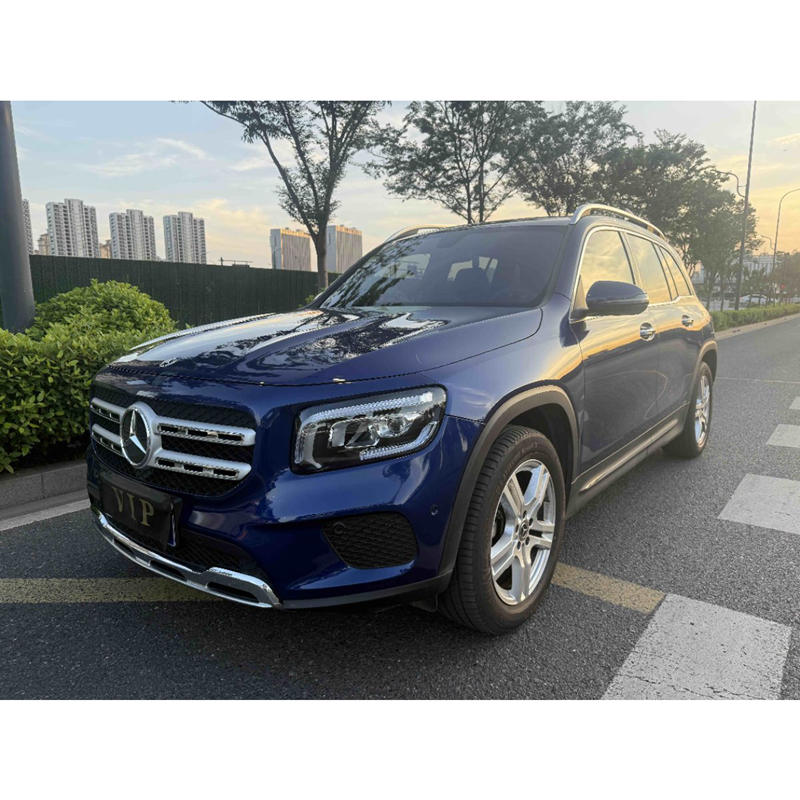
Cost Management and Negotiation