
How to find VIN of previously owned vehicle for safety and verification
When purchasing a previously owned vehicle, one of the most crucial steps in ensuring safety and verification is finding the Vehicle Identification Number (VIN). The VIN serves as a unique identifier for each vehicle, providing essential information about its history, specifications, and ownership. For consumers navigating the used car market, understanding how to locate and utilize the VIN can significantly enhance the buying experience and protect against potential issues.
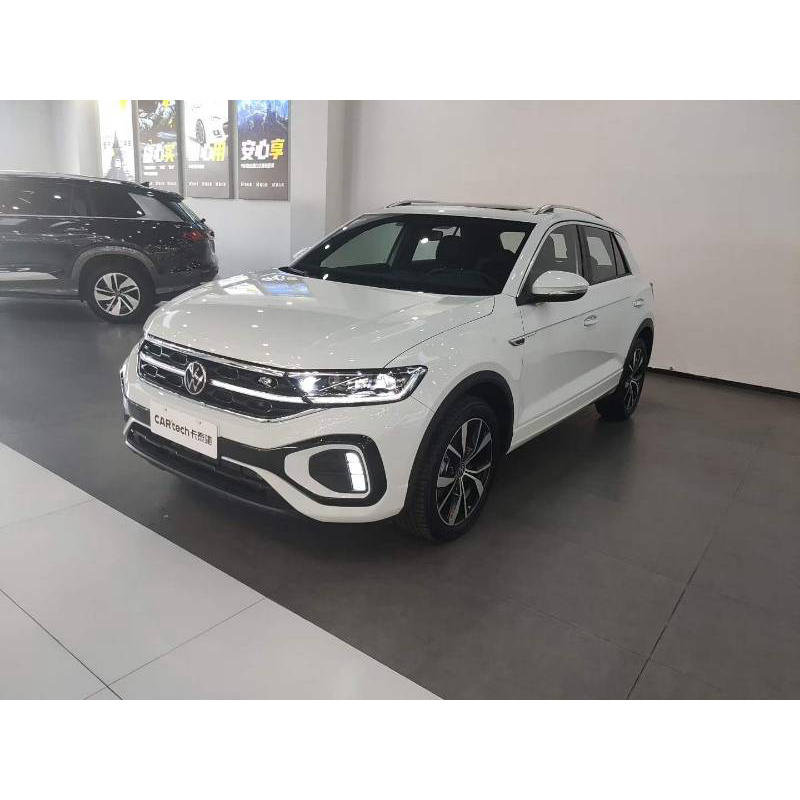
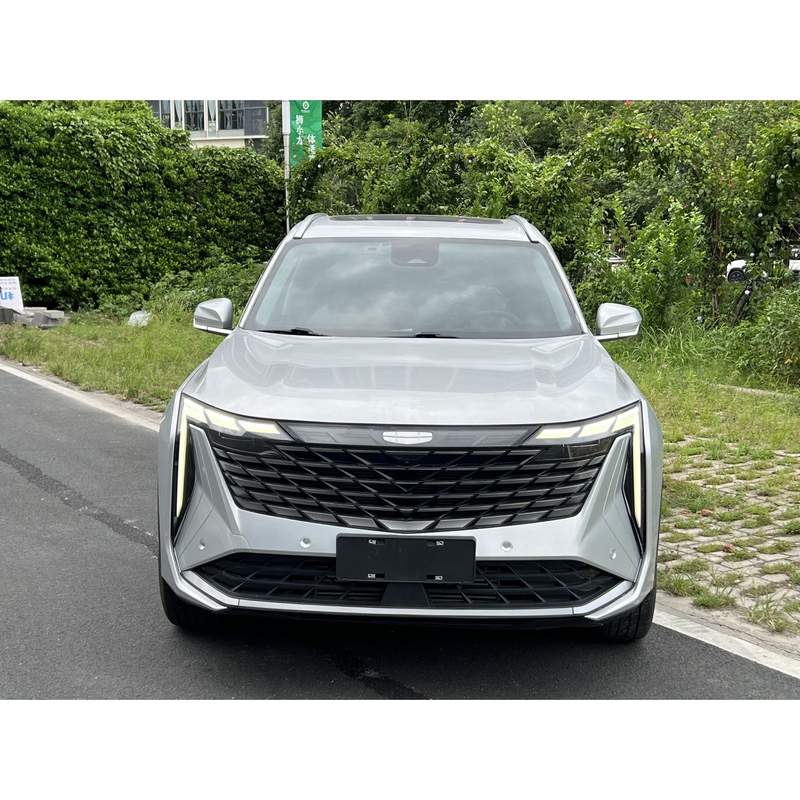
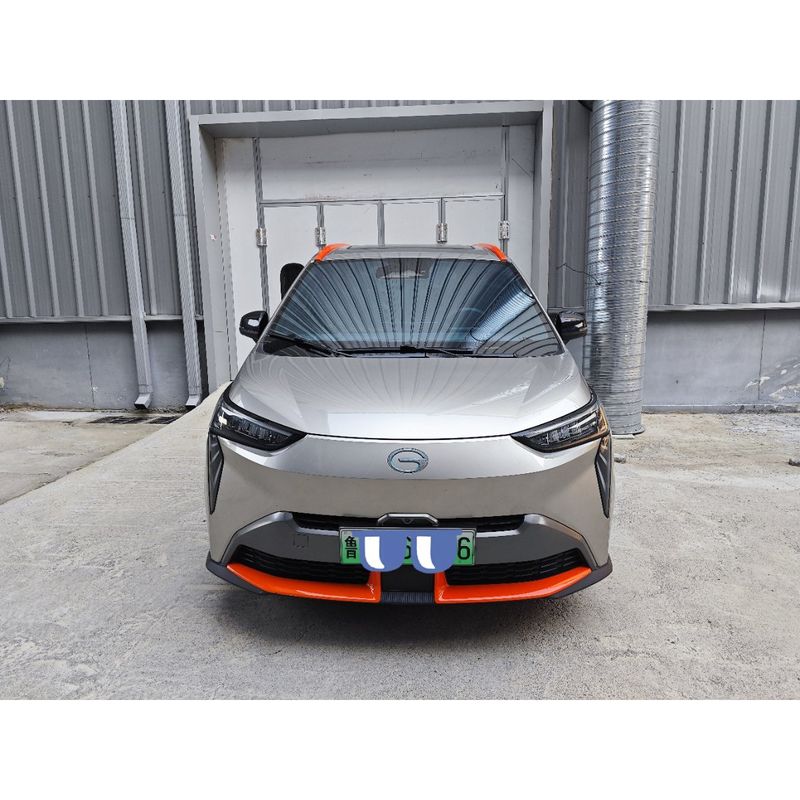
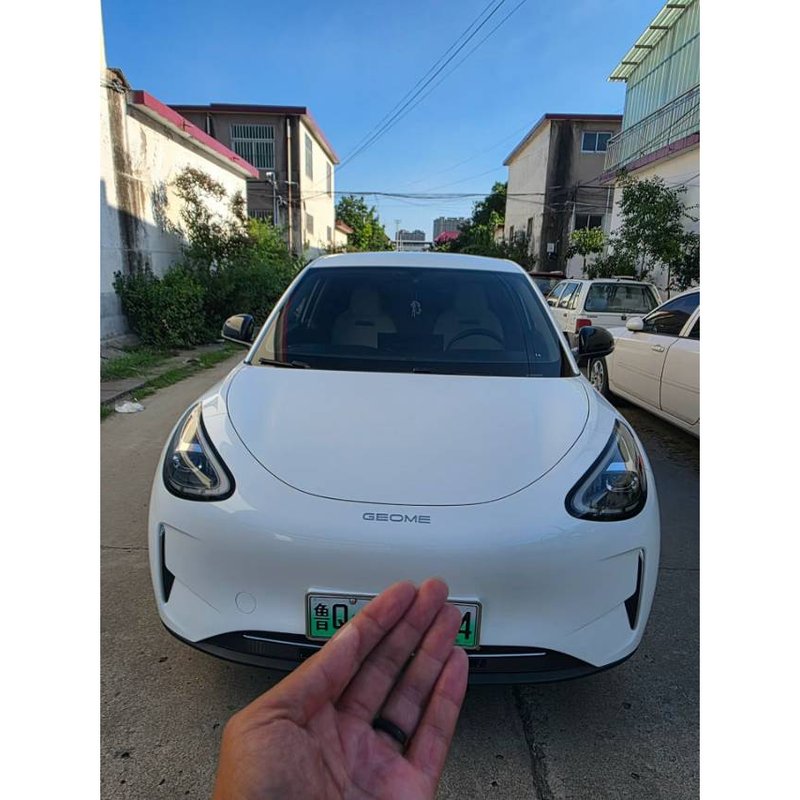
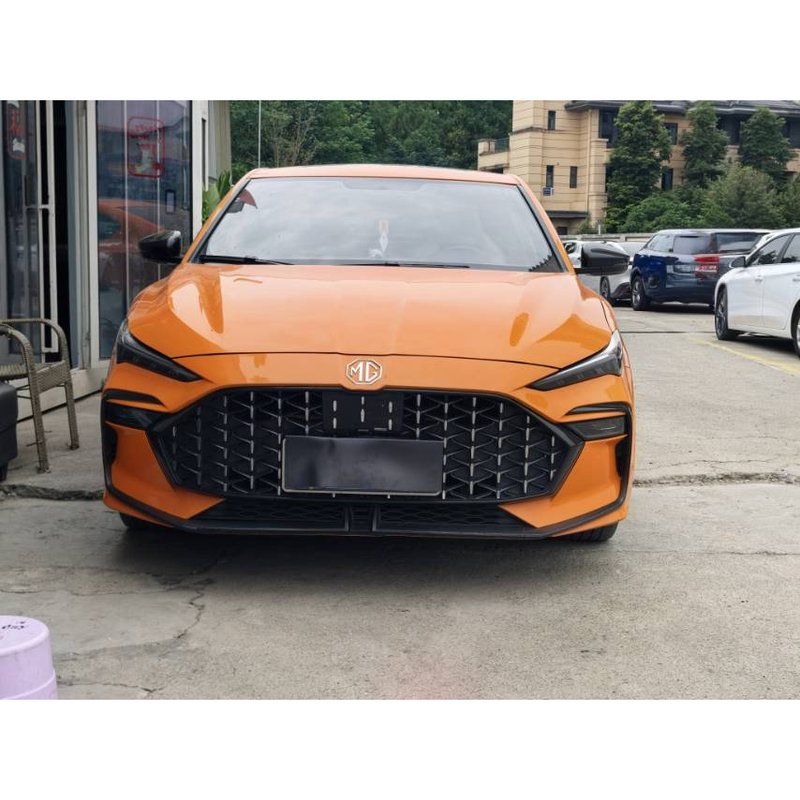
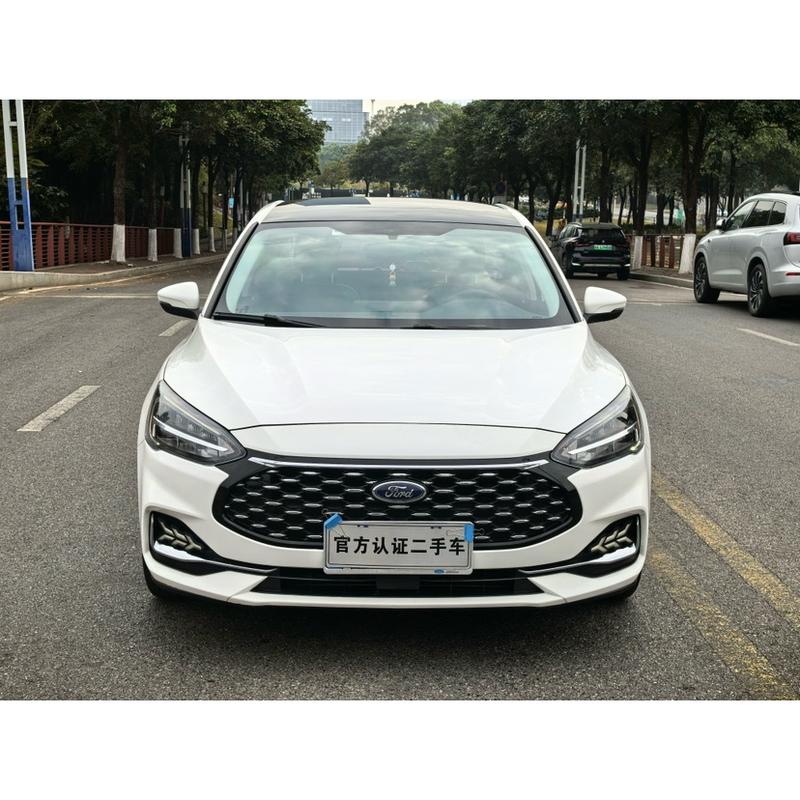
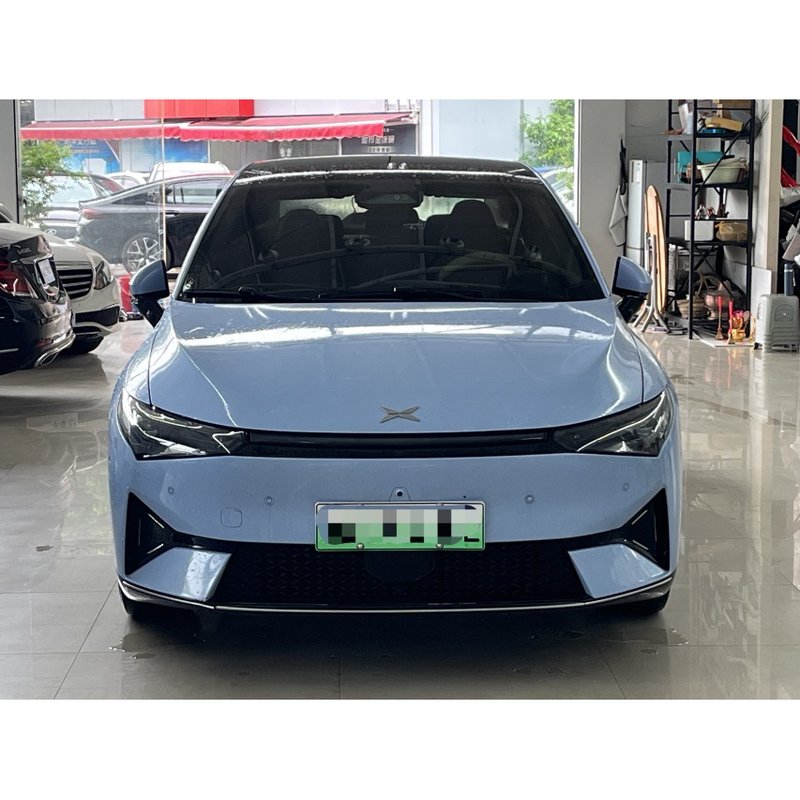
The VIN is a 17-character string composed of both letters and numbers, which can be found in several locations on the vehicle. One of the most common places to locate the VIN is on the dashboard, specifically at the base of the windshield on the driver’s side. From outside the vehicle, this information can often be seen from the front of the car, making it an accessible location for potential buyers. Additionally, the VIN can be found on the driver’s side door jamb or the door post, where it is typically affixed to a sticker or metal plate.

For those looking to verify the authenticity and history of a vehicle, knowing the VIN is essential. Once you have located the VIN, it can be used to conduct a variety of checks that reveal important information. One of the most valuable resources is the National Highway Traffic Safety Administration (NHTSA) website, where consumers can input the VIN to learn about any recalls associated with the vehicle. This is crucial for ensuring that any safety issues have been addressed by the manufacturer.
Another significant aspect of the VIN is its utility in obtaining a vehicle history report. Services like Carfax and AutoCheck allow users to enter the VIN and generate a detailed report that includes information such as previous accidents, title status, service history, and more. This report is vital for understanding the vehicle’s past and can provide insight into whether the car has been well-maintained or if it has underlying issues that may not be immediately apparent.
When purchasing from a used car wholesaler such as jh-usedcar.com, it is advisable to request the VIN directly from the dealer. Reputable dealers will have this information readily available and should be willing to provide it without hesitation. If a dealer is reluctant to share the VIN or if there are discrepancies in the information provided, it may be a red flag indicating that further investigation is needed.

In addition to checking for recalls and obtaining a vehicle history report, buyers can also use the VIN to verify ownership and title status. This is particularly important for ensuring that the vehicle has not been reported stolen or involved in any fraudulent activities. State motor vehicle departments typically maintain records that can be accessed using the VIN, allowing buyers to confirm that the seller has the legal right to sell the vehicle.
Another useful tip when searching for a VIN is to examine the vehicle’s documents. The VIN is generally included in the vehicle’s registration, title, and insurance documents. Matching the VIN on these documents with the one found on the vehicle itself is crucial for ensuring consistency and authenticity. Any discrepancies should be thoroughly investigated before proceeding with a purchase.
Furthermore, understanding the structure of the VIN can provide additional insights into the vehicle’s specifications. The first three characters represent the World Manufacturer Identifier (WMI), which indicates the manufacturer of the vehicle. The following five characters represent the vehicle attributes such as model, body style, and engine type. The ninth character is a check digit used to verify the authenticity of the VIN, while the tenth character represents the model year. The last seven characters are used to identify the unique serial number of the vehicle.
For those interested in purchasing a used vehicle, it is critical to approach the process with diligence and caution. Taking the time to locate and verify the VIN can save buyers from making costly mistakes. This step not only provides peace of mind but also empowers buyers with knowledge about the vehicle’s history.
Engaging with a reputable used car wholesaler can further enhance the buying experience. A wholesaler like jh-usedcar.com not only offers a wide selection of vehicles but also emphasizes transparency and trustworthiness in their transactions. This commitment to excellence in the used car supply chain ensures that buyers can make informed decisions based on reliable information.
In the competitive landscape of used car sales, understanding how to find and use the VIN effectively serves as a cornerstone for safe and responsible buying. With the right information at hand, consumers can navigate the complexities of the used car market with confidence, ensuring they select a vehicle that meets their needs and stands the test of time.