




Importance of Quality Checks in Second Hand Vehicle Buy
Purchasing a second hand vehicle requires a well-structured approach, particularly when these vehicles are intended for international export. As an automotive quality control manager, I have seen the significant differences between reliable and unreliable sources in the used car market. Quality checks play a vital role in identifying vehicles that meet export standards while ensuring safety and reliability for end users. A comprehensive evaluation not only protects the buyer’s investment but also enhances reputation in the international automotive market.
The initial step in the quality assurance process involves sourcing vehicles from reputable suppliers known for their commitment to high standards. Understanding the history of the vehicle is essential. This includes obtaining documentation that details previous ownership, maintenance logs, and accident history. A vehicle without a clear and transparent history raises flags and should be subject to closer scrutiny before proceeding to the inspection stage.
Inspection Processes for Used Vehicles
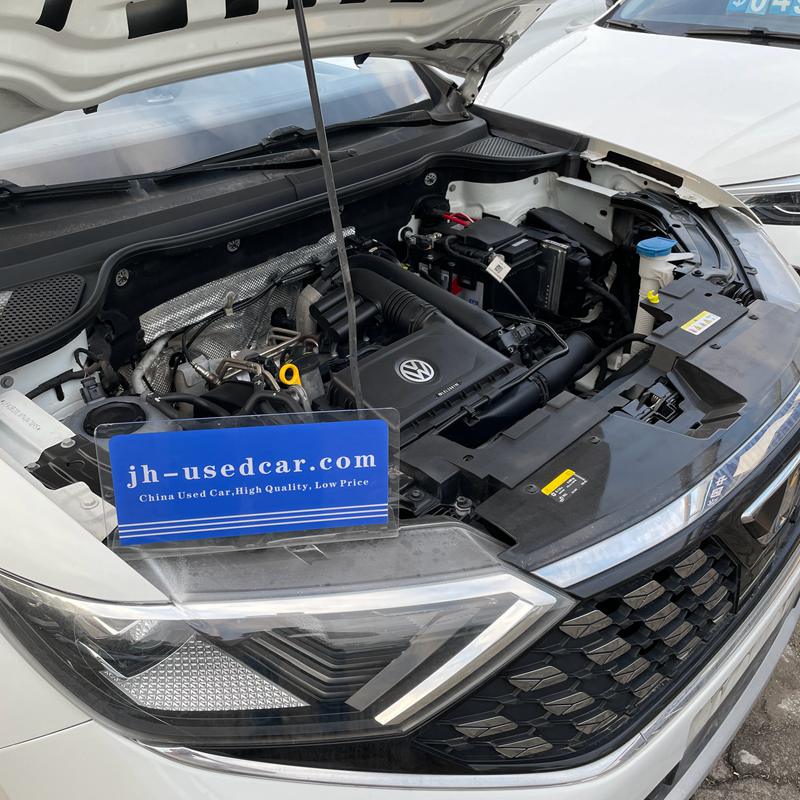
Once a potential second hand vehicle buy is identified, the inspection process begins. This involves a multi-point checklist that focuses on both mechanical components and aesthetic aspects of the vehicle. A thorough inspection should cover the engine, transmission, brakes, suspension, and electrical systems. Each component must meet specific performance criteria to ensure safe operation. For instance, the engine must not only start smoothly but also show no signs of leaks or wear.
Body condition also plays a vital role in the inspection process. Dents, rust, and paint inconsistencies can indicate underlying issues that might not be apparent at first glance. An experienced inspector will assess the integrity of the chassis and look for signs of structural damage, which can compromise safety. Furthermore, tire condition and alignment must be examined as they significantly affect driving performance. A car with uneven tire wear may suggest improper alignment or suspension problems, both of which can be costly to rectify.
Evaluation Criteria for Reliable Exports
The evaluation criteria for exporting second hand vehicles must encompass both safety and compliance with international regulations. Each vehicle should meet the specific standards set by the destination country, which may include emissions tests, safety features, and technical specifications. Therefore, it’s crucial to consult with guidelines based on the target market’s requirements. Vehicles that fall short of these benchmarks should be rejected outright to avoid complications during customs clearance.

Moreover, a quality appraisal must include a road test. Observing how the vehicle performs under real driving conditions reveals much about its reliability. During this test, the inspector should pay attention to noises, vibrations, and handling characteristics, which might indicate deeper mechanical issues. Documentation of any concerns raised during the road test is essential for transparency and future reference.
Rejection Standards and Dealing with Non-Compliant Vehicles
Establishing rejection standards is necessary for maintaining the integrity of the second hand vehicle buy process. Vehicles that do not meet the minimum safety and quality standards must be documented clearly and rejected. Common reasons for rejection include significant mechanical defects, lack of essential documentation, or failure to meet environmental regulations. This process not only protects the business from future liabilities but also ensures that only the best quality vehicles reach the international market.
It is also advisable to have a clear policy on how to handle non-compliant vehicles. Options could include refurbishment, reselling for parts, or disposing of them responsibly. Establishing a protocol for these situations ensures that resources are used effectively and that the reputation for quality remains intact.
Continuous Improvement in Quality Control Practices
The used car market is dynamic, and maintaining high standards requires an ongoing commitment to quality control. Regular training for inspection teams can enhance their skills and knowledge, ensuring they remain competent in identifying potential issues. Additionally, staying updated on industry standards and technological advancements is essential. Implementing feedback loops from previous inspections can facilitate continuous improvement in quality assurance practices.
Ultimately, building a reputation for quality in the second hand vehicle buy sector not only encourages customer loyalty but also strengthens market position in the competitive international landscape. By adhering to rigorous inspection processes and maintaining strict evaluation criteria, businesses can ensure that their vehicles not only meet but exceed the expectations of buyers across the globe.


