


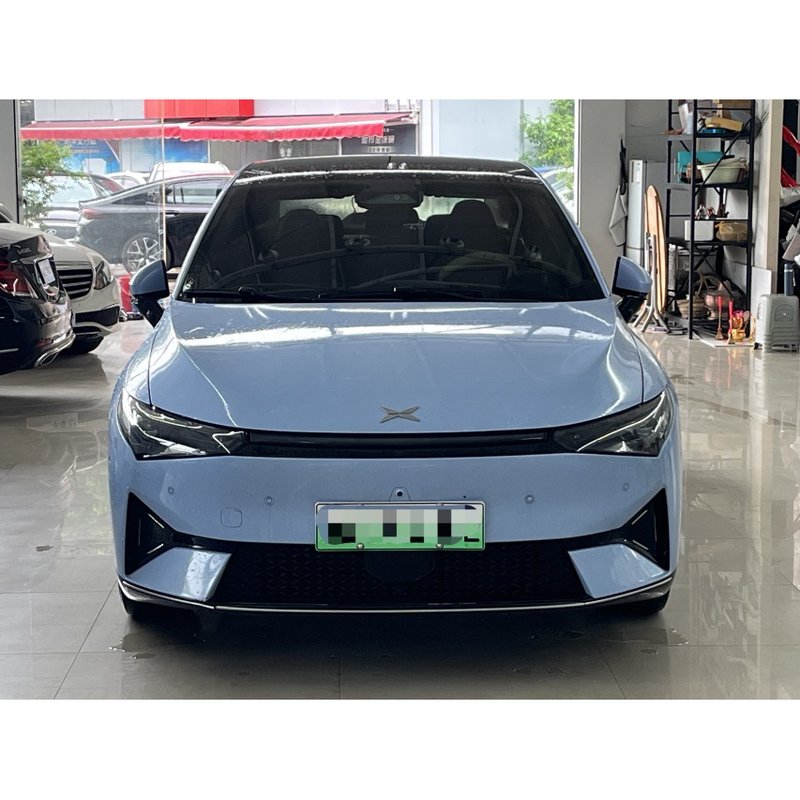
The Rise of the Chinese Used Car Market
The international market for quality used cars is witnessing remarkable growth, and China has emerged as a significant player in this evolving landscape. As a country known for its manufacturing prowess, the Chinese automotive sector has expanded to include a robust system for recycling and reselling vehicles. This has resulted in an abundant supply of non-new vehicles that are appealing to international B2B buyers. The increasing demand for quality used cars in various regions, particularly in developing markets, presents an opportune moment for businesses looking to source vehicles from China.
Identifying a Quality Non-New Vehicle Supplier
Choosing the right quality non-new vehicle supplier is paramount for any business aiming to capitalise on the burgeoning market. One of the first steps is to thoroughly vet potential suppliers, examining their reputation in the industry. This can be accomplished by seeking out reviews and testimonials from other buyers. A supplier with a solid track record is more likely to provide quality vehicles and reliable service. Look for suppliers who possess certifications or memberships in reputable trade organisations. Such credentials often indicate adherence to industry standards and best practices.

Evaluating Vehicle Quality and Inspection Procedures
When assessing a potential supplier, it is essential to understand their vehicle inspection and quality assurance processes. A quality non-new vehicle supplier should have rigorous protocols in place to evaluate the condition of their cars. This includes mechanical inspections, bodywork assessments, and documentation of vehicle history. Suppliers should be transparent about their inspection methods and provide comprehensive reports for each vehicle. This not only builds trust but also ensures that buyers are making informed decisions. Additionally, consider asking for samples or a small initial order to gauge the quality of vehicles before committing to larger purchases.
Import Regulations and Logistics
For international buyers, navigating import regulations is an integral part of the sourcing process. Each country has its own set of rules governing the importation of used vehicles, which can include emissions standards and tax obligations. A reputable quality non-new vehicle supplier should possess a deep understanding of these regulations and can assist with the necessary documentation. They should be prepared to offer guidance on logistics, helping buyers navigate shipping options, customs clearance, and potential duty fees. Efficient logistics can save your business time and money, making it an essential factor when choosing a supplier.
Building Strong Relationships with Suppliers
Establishing a solid working relationship with your chosen quality non-new vehicle supplier can significantly impact your business’s success. Communication is key; ensure that you maintain an open dialogue regarding your needs and expectations. A responsive supplier will not only assist in addressing inquiries but will also provide updates on new inventory and market trends. Building trust with a supplier can lead to better pricing, priority access to high-demand vehicles, and opportunities for long-term partnerships. Consider visiting the supplier’s facilities if possible, as this can provide invaluable insights into their operations and commitment to quality.
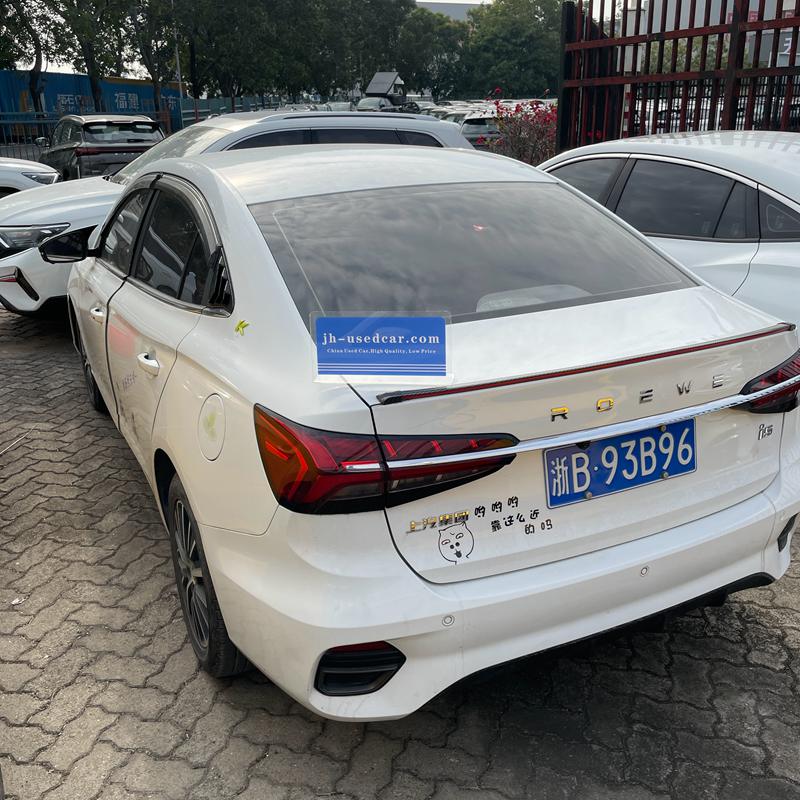
Leveraging Technology in the Sourcing Process
In today’s digital age, technology plays a vital role in streamlining the sourcing of used vehicles. Many quality non-new vehicle suppliers are leveraging online platforms to enhance transparency and simplify the purchasing process. Virtual showrooms, detailed listings, and real-time inventory updates allow buyers to make informed decisions from anywhere in the world. Utilising these platforms can help businesses quickly assess available options and compare prices, enabling faster and more efficient sourcing. Additionally, consider employing technology to manage logistics and communication with suppliers, as these tools can help enhance overall operational efficiency.