
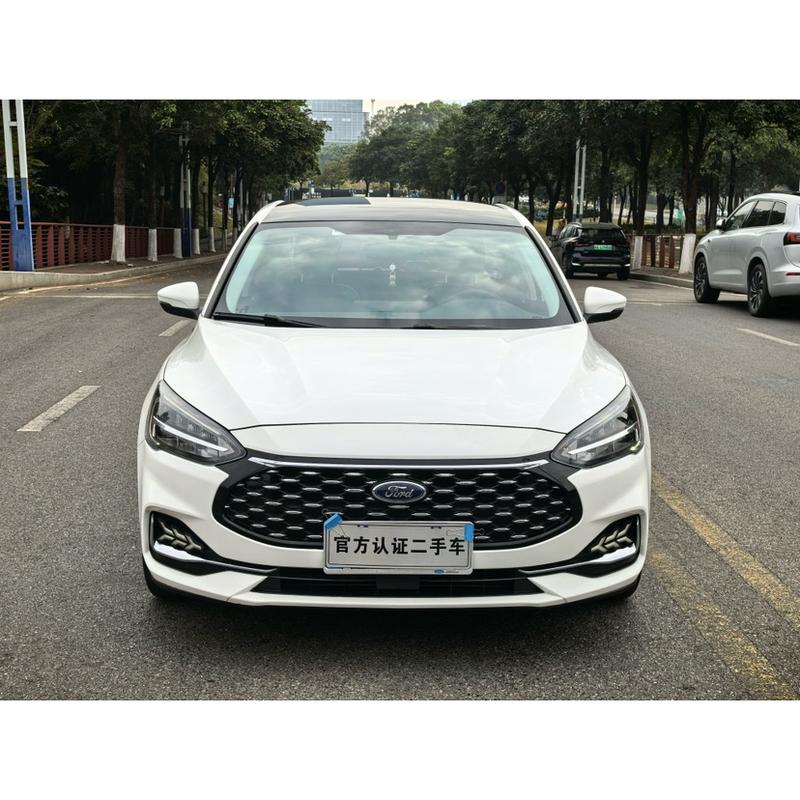
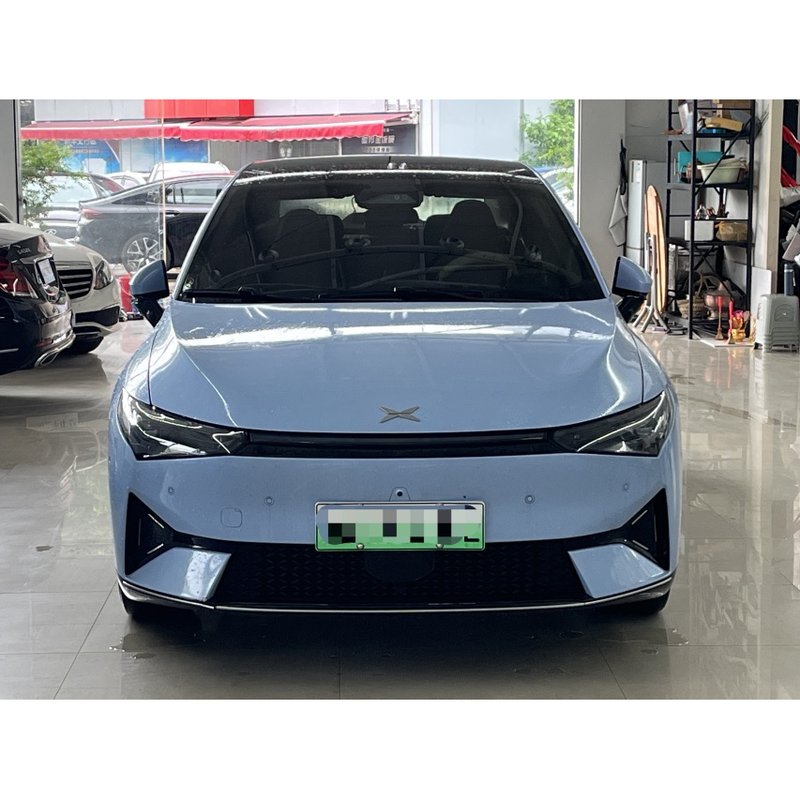
Evaluating Preowned Cars Toyota for Quality Assurance
In the used car export industry, selecting reliable preowned cars Toyota is paramount for ensuring a successful transaction and building trust with international buyers. The reputation of Toyota as a manufacturer is founded on quality, durability, and performance, yet this reputation must be preserved even in the preowned market. As an automotive quality control manager, it is essential to implement rigorous inspection processes, ensuring that the vehicles meet the necessary standards before they are exported. This requires a systematic approach to vehicle evaluation, with clear criteria for acceptance and rejection.
Comprehensive Inspection Processes
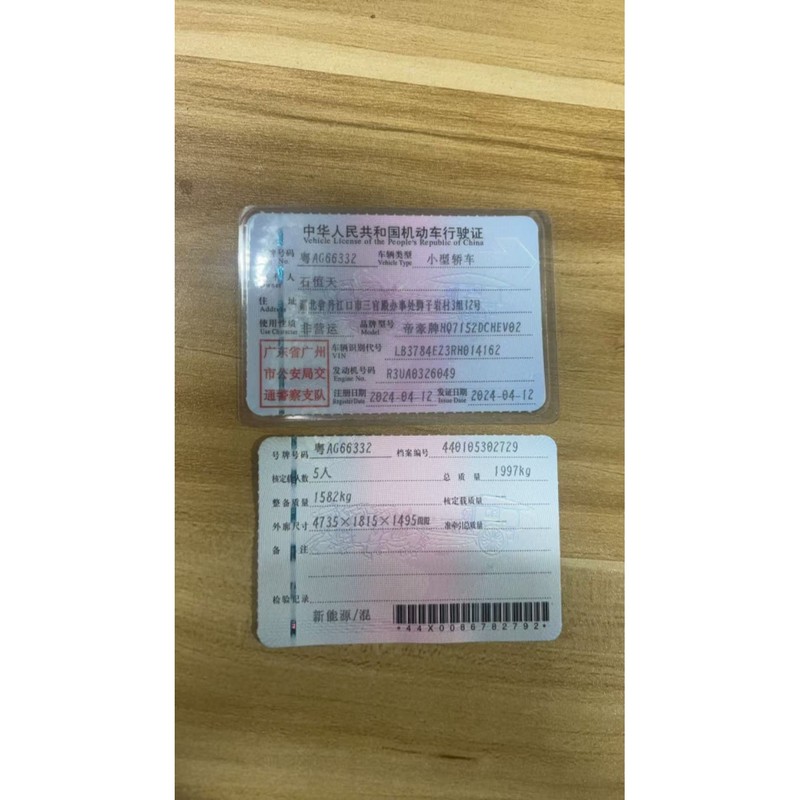
The inspection process begins long before any vehicle is even placed on the market. It starts with a thorough appraisal of the vehicle’s history, including service records, previous ownership, and accident reports. This documentation provides critical insights into the car’s background and can reveal potential issues that may affect its reliability. A well-maintained preowned car Toyota, with comprehensive service history, can significantly reduce the risk of future problems.
Once the documentation is reviewed, the physical inspection of the vehicle can commence. A detailed examination includes checking the exterior for signs of rust, dents, or paint inconsistencies, which may indicate prior accidents or poor maintenance. Additionally, the condition of the tyres, brakes, and suspension must be closely monitored, as these components are vital for safety and performance. The engine bay should also be inspected for signs of leaks, wear, or corrosion, as these could be indicators of underlying mechanical issues.
Key Evaluation Criteria
When evaluating preowned cars Toyota, several key criteria must be taken into account. First, mileage is a significant factor; lower mileage often correlates with less wear and tear. However, it is essential to consider the car’s age in conjunction with its mileage. An older car with low mileage may have its own set of issues, such as rubber seals perishing due to age.
Another critical evaluation area is the functionality of the vehicle’s electronics and safety features. This includes testing the air conditioning, infotainment systems, and all lights to ensure they are in working order. Moreover, advanced safety features, such as airbags and anti-lock braking systems, must be evaluated for functionality. It is crucial to ensure all safety features are operational, as these can have significant implications for buyer confidence and legal compliance in the destination market.
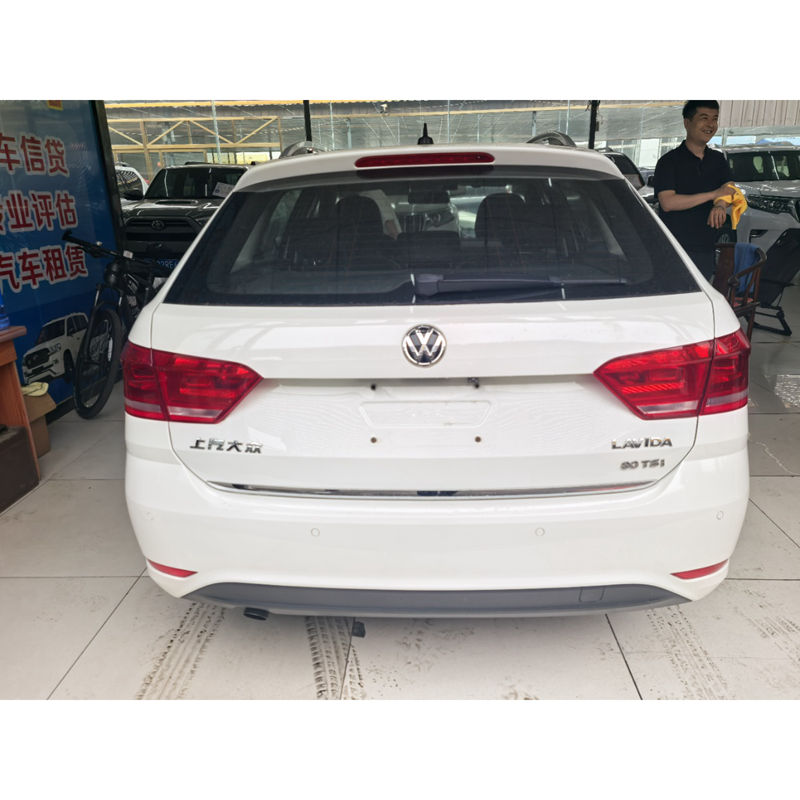
Mechanical and Operational Testing
Beyond visual inspections, operational testing is an indispensable part of the evaluation process. Taking the vehicle for a test drive can reveal issues that may not be immediately visible during a static inspection. During the drive, the performance of the engine, transmission, and steering can be assessed. Any unusual sounds or vibrations should be noted, as these can be signs of mechanical problems.
Additionally, the braking performance must be evaluated under various conditions. This not only includes normal stopping but also emergency braking scenarios. Thorough testing allows for a better understanding of the vehicle’s overall health and helps to identify areas requiring further attention or repair before export.

Setting Rejection Standards
Establishing clear rejection standards is vital for maintaining the integrity of the export process. Any preowned cars Toyota that do not meet the predefined quality benchmarks should be rejected. Common rejection criteria may include excessive mechanical wear, significant irregularities in bodywork, or failure of critical safety features during testing. Cars that exhibit signs of serious accidents or poor repairs should also be considered unsuitable for export.
Moreover, all inspections should be documented meticulously. This not only serves as a record for future reference but also provides transparency for potential buyers. The documentation can help in building trust with international clients who rely on the assurance that they are purchasing a vehicle that meets high-quality standards.
Ensuring Long-Term Reliability
With a focus on quality, establishing relationships with reliable suppliers and workshops that understand Toyota standards is invaluable. Continuous collaboration with these entities helps ensure that the cars being exported not only meet the required standards but also maintain the longevity and reliability associated with the Toyota brand.
In addition, considering the future marketability of preowned cars Toyota is essential for exports. Vehicles that pass stringent quality checks are more likely to attract buyers in international markets. This not only enhances customer satisfaction but also elevates the reputation of the exporting firm. As the used car market evolves, staying ahead with rigorous quality control measures can set a company apart as a trusted provider of reliable vehicles.