






Quality Standards for Selecting Second Hand Cars
When considering the purchase of a second hand car 40000, quality control must be at the forefront of the selection process. The automotive industry imposes specific standards to ensure that vehicles not only meet regulatory requirements but also provide a reliable and safe experience for the end user. This entails a thorough inspection process, where every aspect of the vehicle is evaluated, from the engine performance to the structural integrity of the body. Only by adhering to these standards can one guarantee that the vehicles exported will maintain their value and performance in international markets.
The first step in the selection process involves the establishment of a comprehensive checklist that covers all critical components of the vehicle. This includes examining the engine, transmission, brakes, and suspension systems, as well as the exterior and interior conditions. Each vehicle must pass a set of stringent tests which assess functionality and overall condition. Vehicles that do not meet these established standards must be rejected, preventing any potential liabilities in the future.
Inspection Processes for Used Cars
The inspection process for second hand cars involves a systematic approach to assessing each vehicle. Initially, a detailed visual inspection is conducted to identify any obvious signs of damage or wear. This includes assessing paint quality, checking for rust, and examining the condition of tyres and lights. Following this, a series of performance tests are carried out. These tests typically involve road testing to evaluate acceleration, braking efficiency, and handling characteristics. Additionally, various diagnostic tools are employed to check for engine faults and electronic system errors.
In the case of second hand cars valued around 40000, it is critical to ensure that the history of the vehicle is transparent and documented. This includes obtaining service records, accident history, and previous ownership details. A thorough examination of this history allows for a more informed decision on the vehicle’s reliability and value. Without a complete understanding of the vehicle’s background, the risk of investing in a problematic unit increases significantly.
Evaluation Criteria for Selecting Reliable Vehicles
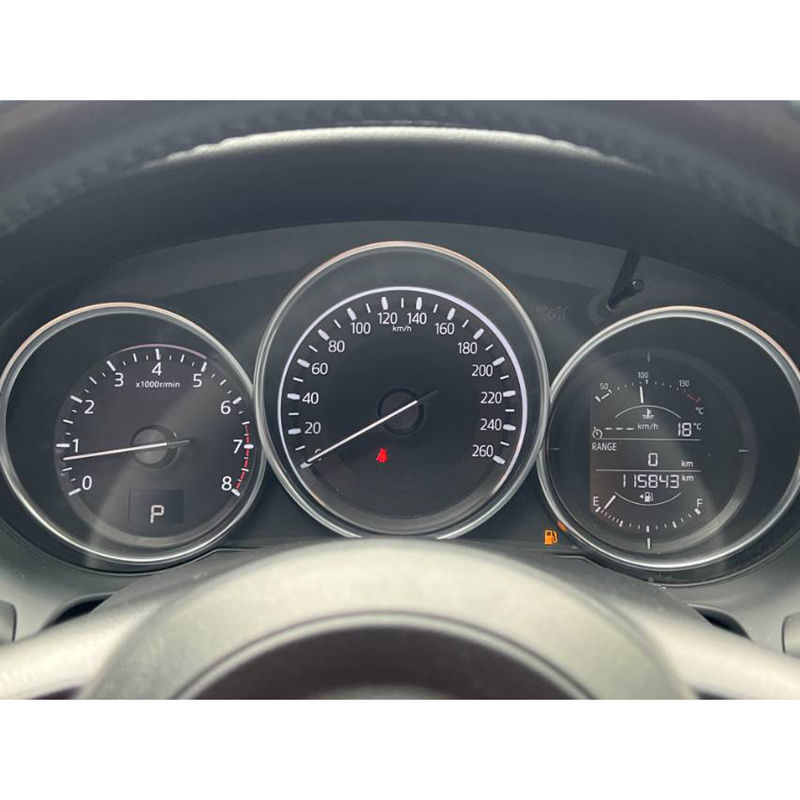
When assessing second hand cars, several evaluation criteria come into play, which are essential for determining whether a vehicle is suitable for export. These criteria encompass the overall condition of the car, mileage, and the mechanical components’ performance. A vehicle with lower mileage may be more desirable; however, the condition is paramount. Quality control managers will focus on ensuring that the car has been maintained properly and complies with emission standards applicable to the destination market.

Another critical aspect to evaluate is the vehicle’s marketability and demand in the international landscape. Understanding which makes and models are sought after in specific regions can influence purchasing decisions. For instance, some markets may favour fuel-efficient vehicles, while others may prioritise luxury or performance characteristics. The assessment must match the features of the second hand car 40000 with the expectations of potential buyers in target markets.
Rejection Standards for Unsuitable Cars
During the inspection and evaluation process, certain rejection standards must be applied to ensure that only the highest quality vehicles are exported. Vehicles exhibiting severe mechanical faults, excessive wear, or structural damage should not be considered for export. Additionally, if the vehicle’s history reveals significant accidents or unrepaired damage, it is imperative to reject it. This approach not only protects the integrity of the export business but also upholds trust with international clients who rely on quality assurances.
Another rejection criterion is the presence of non-compliance with safety standards. If a second hand car 40000 lacks essential safety features or fails to meet the regulatory requirements of the destination country, it must be excluded from the inventory. Ensuring compliance with these regulations is non-negotiable, as non-compliance can lead to legal ramifications and damage the reputation of the exporting company.
Final Steps in the Quality Control Process
Once a vehicle passes all inspection and evaluation criteria, the final steps involve preparing the vehicle for export. This phase includes additional detailing and necessary repairs to ensure that the car is presented in its best condition. Attention to detail during this stage can significantly enhance marketability and customer satisfaction.
Moreover, a final quality control check should be performed to ensure that all aspects of the vehicle conform to the initial standards set forth. By adhering to these rigorous quality control processes, businesses can establish a reputation for reliability and excellence in the used car export market. This not only allows for successful transactions but also fosters long-term relationships with clients who value quality and dependability in their purchases.