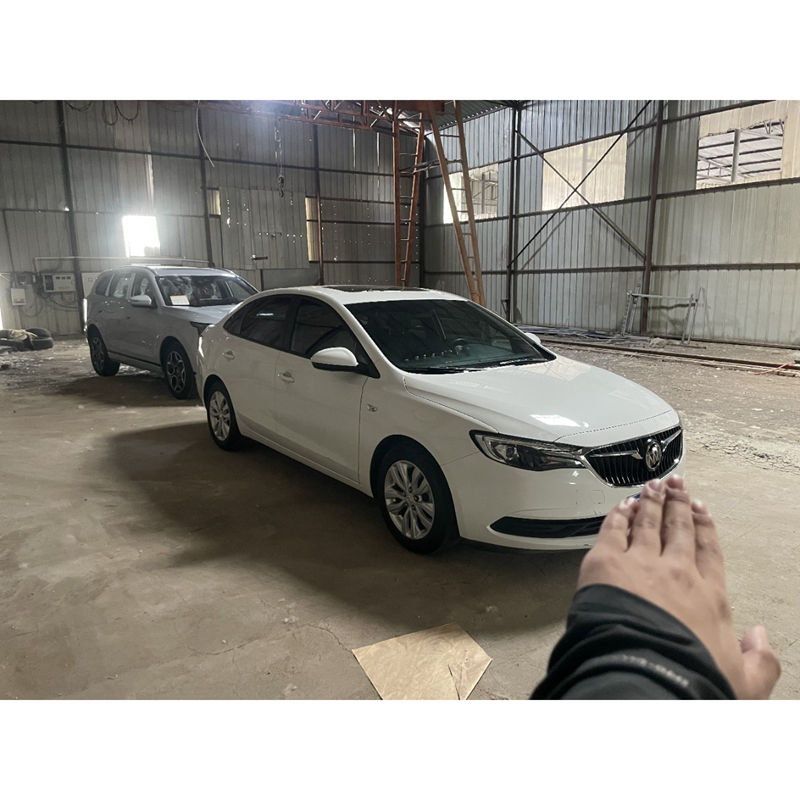
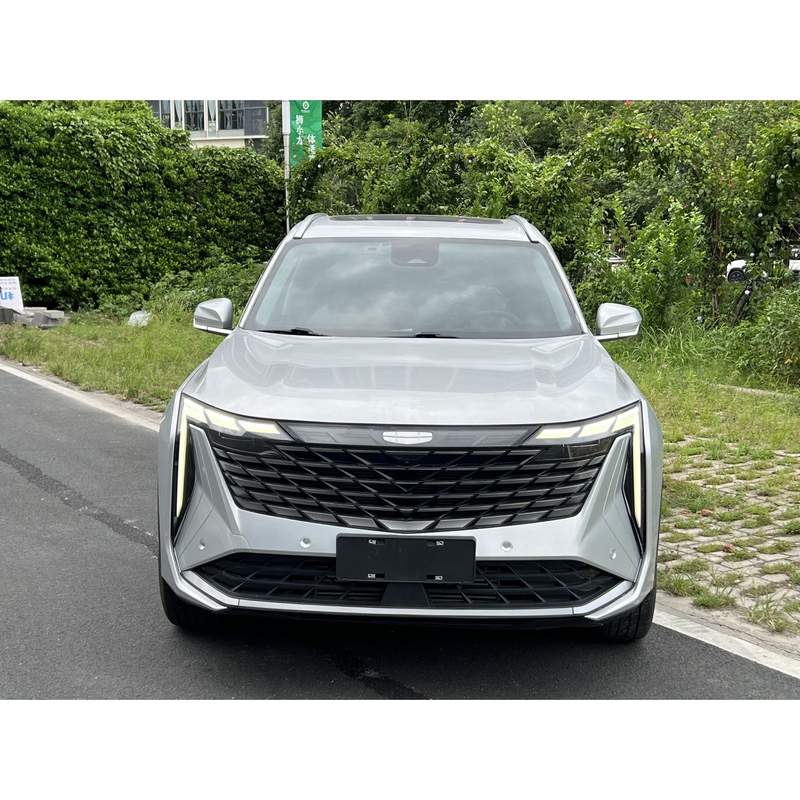
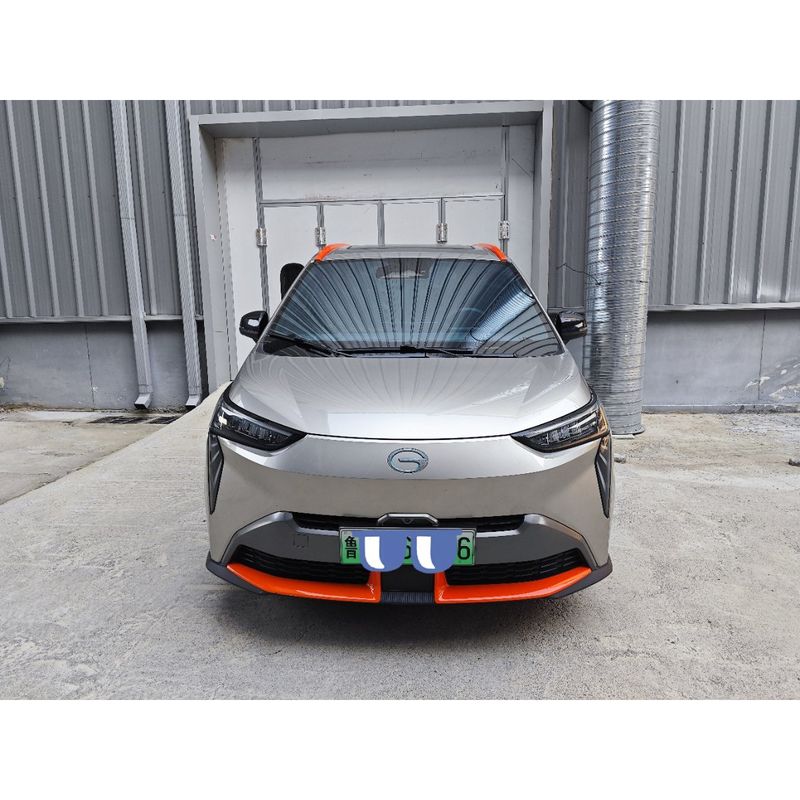


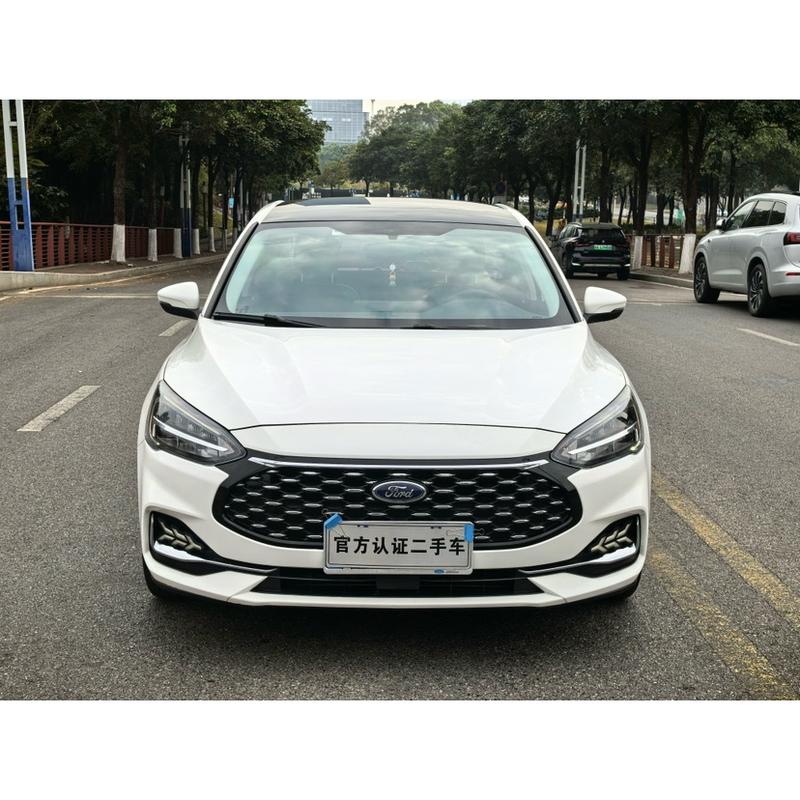
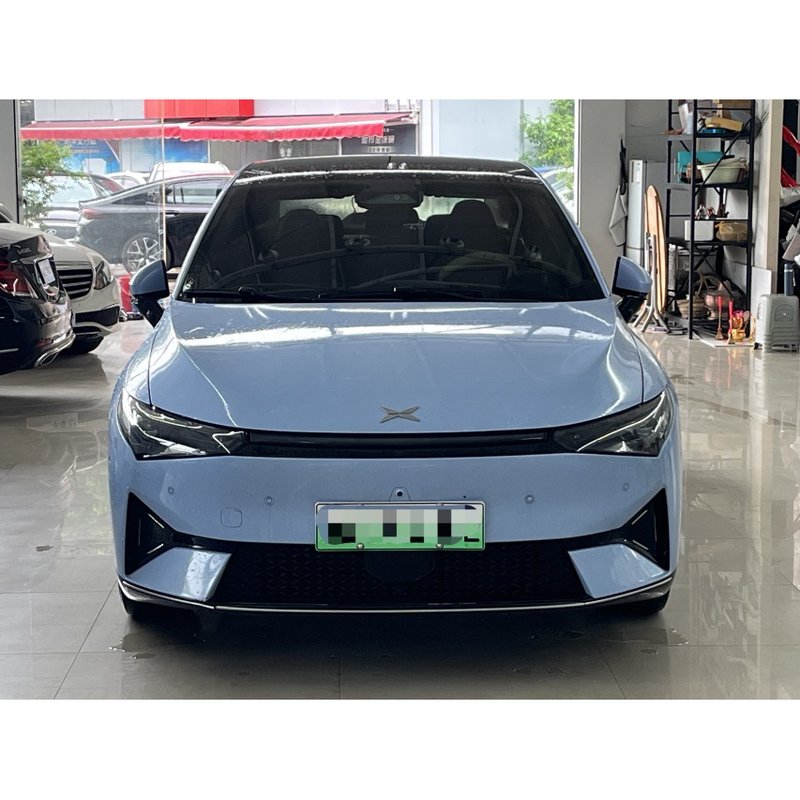
Assessing Battery Performance in 2nd Hand Car EVs
The performance of the battery is a primary concern when selecting a second-hand electric vehicle (EV). Batteries are often the most expensive component of an EV, and their capacity directly influences the vehicle’s range and usability. When evaluating a used electric vehicle, it is essential to check the state of health (SoH) of the battery. A good rule of thumb is to seek vehicles that have retained at least 70% of their original battery capacity. Additionally, reviewing the battery management system and any historical data regarding charging cycles can provide insights into how the battery has been maintained. This information is especially important in regions where temperature extremes may have affected battery life.
Evaluating Vehicle Models Suitable for Various Regions
Different regions have distinct needs and preferences when it comes to the type of electric vehicles available. For instance, in parts of Africa and Central Asia, where the infrastructure for charging may be limited, opting for simpler models with less complex electronic systems can be beneficial. Brands such as BYD and Changan offer models that are not only affordable but also accessible in terms of service and maintenance. In contrast, markets in the Middle East might favour luxury brands like Tesla or NIO, where the demand for high-performance vehicles matches the economic capabilities of consumers. These distinctions can significantly influence the resale value of the vehicle and its viability in the respective market.
Comparing the Value of Used Chinese Electric Vehicles
Chinese manufacturers have made significant strides in the EV market, often providing a compelling combination of value and performance. When considering a second-hand car EV, it’s worthwhile to compare models like the Geely Emgrand EV or the SAIC MG ZS EV. These vehicles typically offer a competitive price point while still delivering a satisfactory driving experience. Additionally, many models come equipped with modern technology, including connectivity features and safety systems, which can enhance their appeal even in the used car market. Moreover, the depreciation rate of these vehicles tends to be lower compared to their Western counterparts, which can provide better long-term value for buyers in emerging markets.

Regional Regulations and Incentives
Different regions implement various regulations and incentives that can impact the purchasing decision for a second-hand EV. In Southeast Asia, for example, some countries have introduced tax breaks or subsidies for electric vehicles, which can apply even to used models. Understanding the local policies can lead to significant savings. Conversely, in regions where there are stringent emissions regulations, buyers may find that certain older models are no longer compliant, affecting their usability and resale value. Therefore, being aware of these local laws can influence the choice of which electric vehicle to purchase.
Importance of After-Sales Support and Service Availability
After-sales support and service availability are critical factors when selecting a second-hand electric vehicle. Potential buyers should research the local availability of spare parts and service centres that are qualified to handle electric vehicles. Chinese manufacturers have been expanding their service networks, but there may still be areas where support is limited. Choosing a model with widespread service coverage can alleviate future maintenance concerns and ensure that the vehicle remains in good working order. In regions where EV adoption is still growing, a brand with a strong local presence can provide peace of mind for buyers.
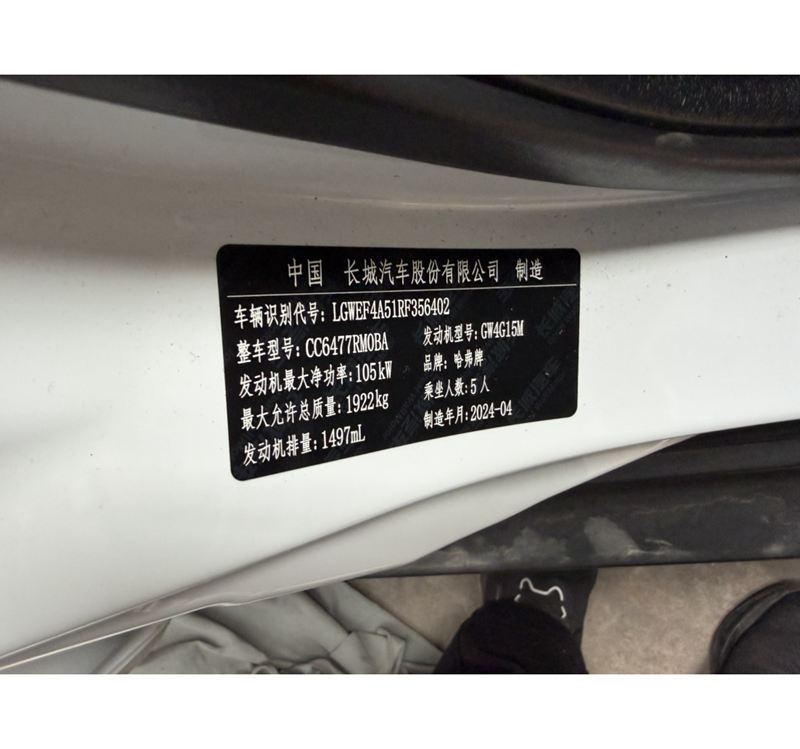
The Future of Second-Hand Electric Vehicles in Emerging Markets
The demand for second-hand electric vehicles is expected to rise in emerging markets as consumer awareness increases and infrastructure improves. As charging networks expand, more buyers in Africa, the Middle East, Southeast Asia, and Central Asia will likely consider purchasing 2nd hand car EVs. This trend will be bolstered by the growing emphasis on sustainability and the desire to reduce carbon footprints. Consequently, the resale value of reliable models from established manufacturers is expected to hold strong, making them a wise investment. Buyers looking to navigate this evolving landscape should focus on models that combine battery performance, value, and dependable after-sales support to ensure they make a well-informed choice.