
China’s Complete Used Car Industry Chain Ensures Traceability and Quality Assurance
China’s used car industry has undergone significant transformations in recent years, evolving into a robust supply chain that ensures traceability and quality assurance. As a well-known used car wholesaler, jh-usedcar.com exemplifies the advancements within this sector. This article will explore the complete used car industry chain in China, highlighting its importance in providing reliable vehicles to consumers and businesses alike.

At the heart of the used car supply chain is a comprehensive network of dealerships, auctions, and wholesalers. This interconnected system allows for efficient sourcing and distribution of vehicles. In China, many used car dealers have embraced digital platforms that facilitate the buying and selling process. These platforms not only streamline transactions but also enhance transparency, which is crucial for building consumer trust.
One of the standout features of China’s used car industry is its emphasis on traceability. Each vehicle has a unique identification number that tracks its history, including ownership changes, accident reports, and maintenance records. This level of detail empowers consumers to make informed decisions when purchasing a used car. Wholesalers like jh-usedcar.com play a vital role in this process by providing accurate and comprehensive vehicle histories to buyers. This commitment to transparency helps mitigate the risks associated with used car purchases, ultimately leading to higher customer satisfaction.
Quality assurance is another critical aspect of the used car supply chain in China. To maintain high standards, many wholesalers and dealers have implemented rigorous inspection processes. Vehicles undergo thorough checks to ensure they meet safety and performance standards before being offered to consumers. This proactive approach not only protects buyers but also enhances the reputation of the used car industry as a whole.

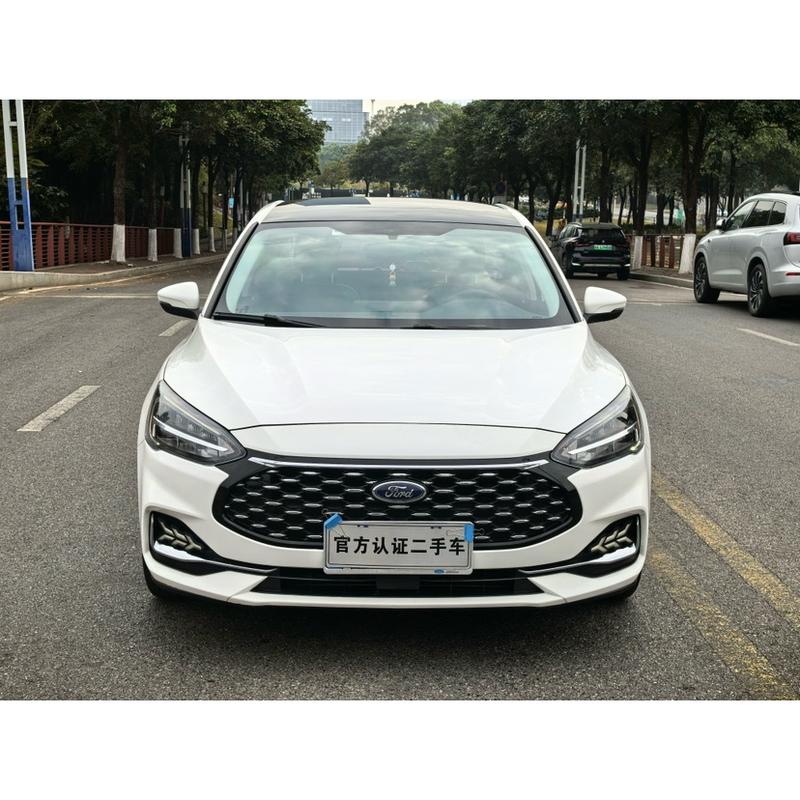
Moreover, in response to consumer demand for quality assurance, many used car dealerships have adopted certification programs. Vehicles that pass these certifications are often marketed as “certified pre-owned,” which provides an added layer of reassurance for buyers. This trend reflects the industry’s recognition of the importance of quality in fostering long-term relationships with customers.
The integration of technology into the used car supply chain has further enhanced both traceability and quality assurance. Advanced data analytics tools are now being utilized to assess vehicle conditions and market trends. This utilization of big data allows wholesalers and dealers to make informed decisions regarding pricing, inventory management, and sales strategies. For instance, by analyzing historical data, businesses can predict the demand for specific vehicle models and adjust their inventory accordingly. This optimizes the supply chain and ensures that consumers have access to the vehicles they want.
In addition to technology, the role of regulatory frameworks cannot be overlooked. The Chinese government has implemented various policies aimed at regulating the used car market. These regulations focus on consumer protection, environmental standards, and fair competition among dealers. By creating a more structured environment, the government encourages ethical practices within the industry. This regulatory oversight contributes to the overall integrity of the used car market in China, further enhancing consumer confidence.

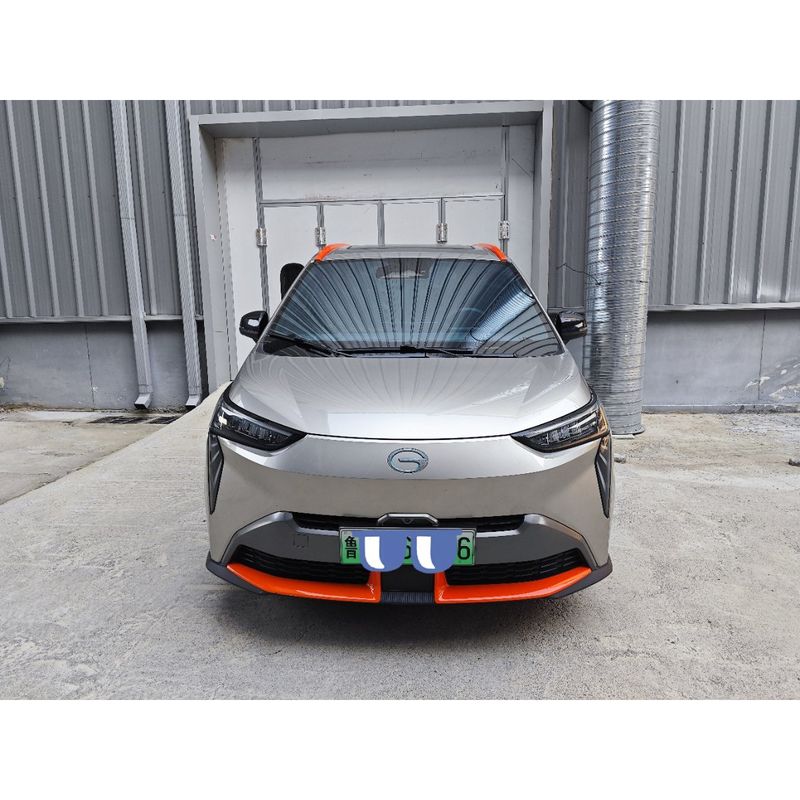
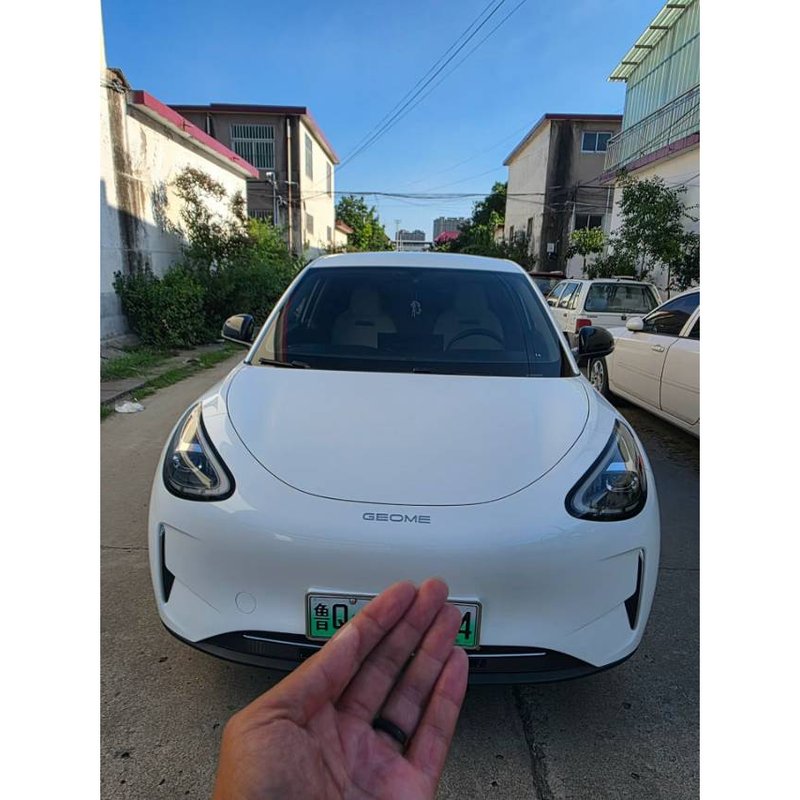
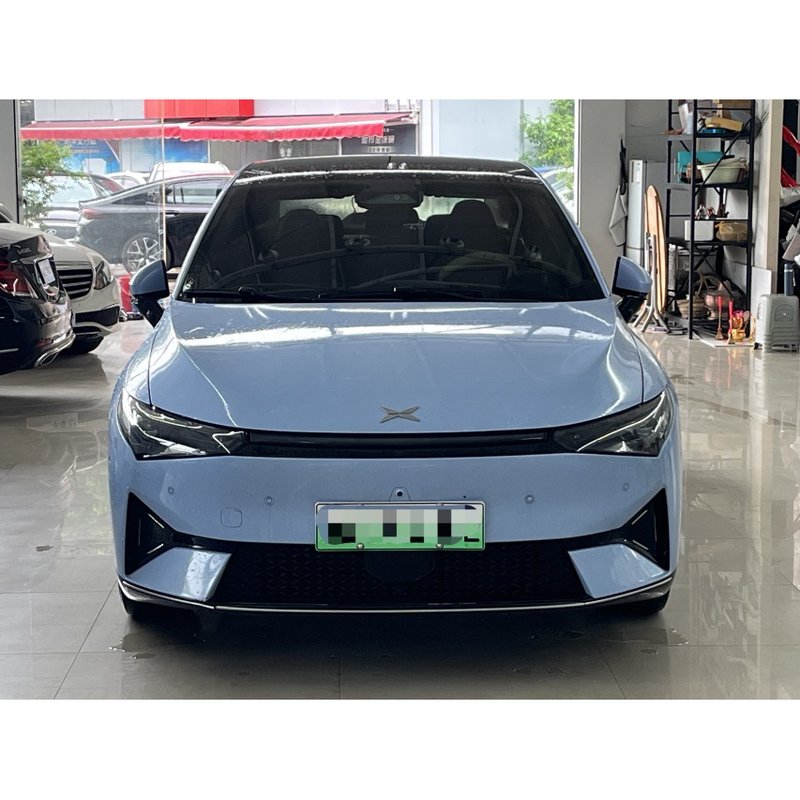
Another critical factor in the success of China’s used car supply chain is the growing acceptance of electric vehicles. As the demand for environmentally friendly options increases, the used car market has responded by integrating electric and hybrid vehicles into their offerings. Wholesalers and dealerships are now focusing on sourcing these types of vehicles, ensuring that consumers have access to a diverse range of options that meet modern environmental standards. This shift not only helps reduce emissions but also positions the used car industry as a proactive player in the global effort toward sustainability.
The internationalization of China’s used car market is also noteworthy. With increasing globalization, many Chinese wholesalers are exporting used vehicles to other countries. This expansion creates new opportunities for businesses while simultaneously increasing the availability of quality used cars globally. By adhering to international standards and regulations, Chinese wholesalers are able to ensure that their vehicles meet the expectations of foreign markets. This international presence not only enhances the reputation of Chinese used cars but also contributes to the national economy.

As the used car industry in China continues to evolve, the importance of a complete supply chain cannot be overstated. The interconnectedness of dealerships, wholesalers, and regulatory bodies forms a foundation that ensures traceability and quality assurance. As a key player in this landscape, jh-usedcar.com exemplifies the commitment to excellence that defines the Chinese used car market.
The future of China’s used car market looks promising, with ongoing innovations in technology, regulatory oversight, and consumer engagement. By maintaining a focus on quality and transparency, the industry is well-positioned to meet the needs of modern consumers while contributing to sustainable practices. As it stands, the complete used car industry chain in China not only supports the local market but also plays a significant role in the global automotive landscape.