




Evaluating the Mechanical Condition of Used Cars
When contemplating the purchase of a second-hand vehicle, understanding its mechanical condition is paramount. Professional exporters carry out thorough evaluations, focusing on critical components such as the engine, gearbox, suspension, braking system, and electronic elements. An engine in good condition is essential for ensuring reliability and performance. Inspectors examine for leaks, unusual noises, and any signs of excessive wear. They listen for knocking or tapping sounds, which can indicate underlying issues that may necessitate costly repairs.
The gearbox is another vital area of focus. A smooth shifting operation is expected; any grinding noises or difficulty in changing gears can be indicative of significant problems. In automatic vehicles, the transmission fluid is checked for colour and consistency, as these can provide insights into the health of the gearbox. Proper assessment of these components helps in determining whether second-hand cars are good investments.
Suspension and Braking System Checks
The suspension system plays a crucial role in vehicle handling and comfort. Inspectors assess the shocks and struts for signs of leakage or wear, as these can drastically affect ride quality. Additionally, they examine the springs and bushings, ensuring that they are intact and functioning correctly. A compromised suspension can lead to uneven tyre wear and an uncomfortable driving experience, which is not something any buyer wants.

Equally important is the braking system, where safety cannot be compromised. A comprehensive inspection includes evaluating the brake pads, rotors, and discs. Any signs of excessive wear or damage warrant closer scrutiny. Inspectors not only check the mechanical parts but also test the brake fluid for contamination. A well-maintained braking system is fundamental in assessing the overall safety of a used car.
Assessing Electronic Components
Modern vehicles are equipped with a myriad of electronic components that enhance functionality and safety. Inspectors perform diagnostic checks to ensure that all electronic systems, including the lighting, infotainment, and safety features, are operational. Malfunctions in these areas can lead to unexpected expenses down the line. The diagnostic tools used can reveal hidden issues that might not be immediately apparent during a visual inspection.
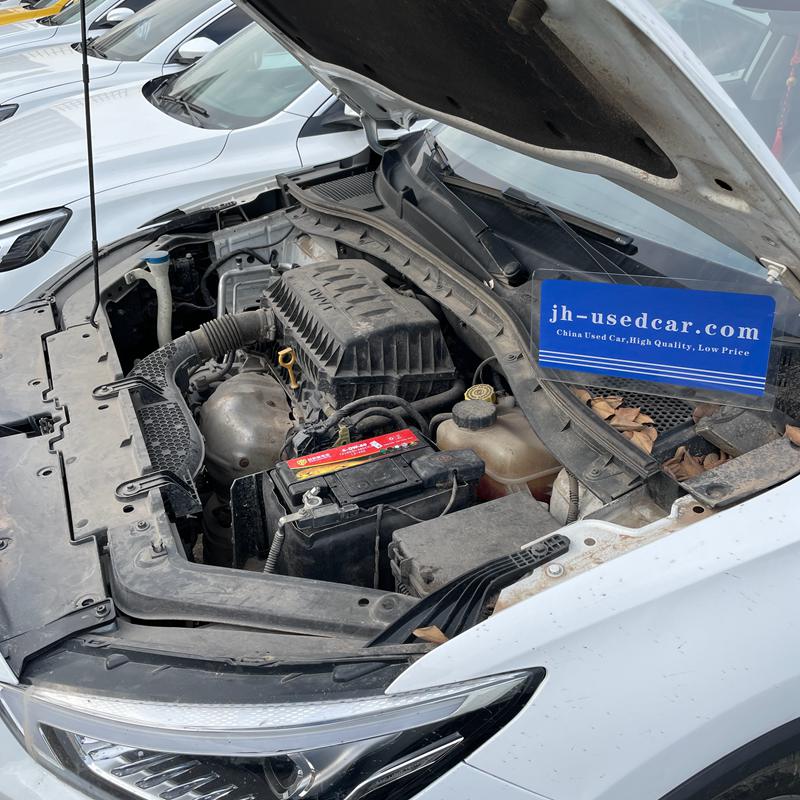
Furthermore, the battery’s condition is critical, especially in electric and hybrid vehicles. Inspectors evaluate the battery health and charging systems, checking for any irregularities that can affect performance. Understanding the status of these electronic components is essential for any potential buyer looking to understand whether second-hand cars are good options.
The Importance of Professional Appraisals
To gain a comprehensive understanding of a used car’s condition, professional appraisals are invaluable. Skilled automotive maintenance technicians are trained to identify potential issues that may escape the untrained eye. They provide detailed reports that highlight not only the current state of the vehicle but also any anticipated future maintenance needs. This insight is crucial for buyers who wish to avoid unexpected repairs after purchase.
Moreover, an accurate appraisal can influence the negotiation process. Understanding the true value of a second-hand vehicle allows buyers to make informed decisions. This can lead to better deals and minimise the risk of overpaying for a vehicle that may require significant investment shortly after purchase.
Final Considerations for Second-Hand Car Buyers
When considering a second-hand car purchase, it is essential to recognise the significance of a thorough pre-purchase inspection. Understanding the mechanical condition, along with the performance of electronic systems, plays a vital role in determining the vehicle’s reliability and overall value. Buyers should not only rely on the seller’s word but should insist on comprehensive evaluations by professionals.
Second-hand cars can offer substantial savings, but they come with their own sets of risks. By approaching the purchasing process with diligence and due diligence, buyers can ensure they make well-informed decisions that lead to satisfactory ownership experiences. With the right knowledge and resources, the question of whether second-hand cars are good becomes much clearer, pointing towards the potential for great value without the costs associated with new vehicles.