



What Makes a Used Car Certified Pre-Owned
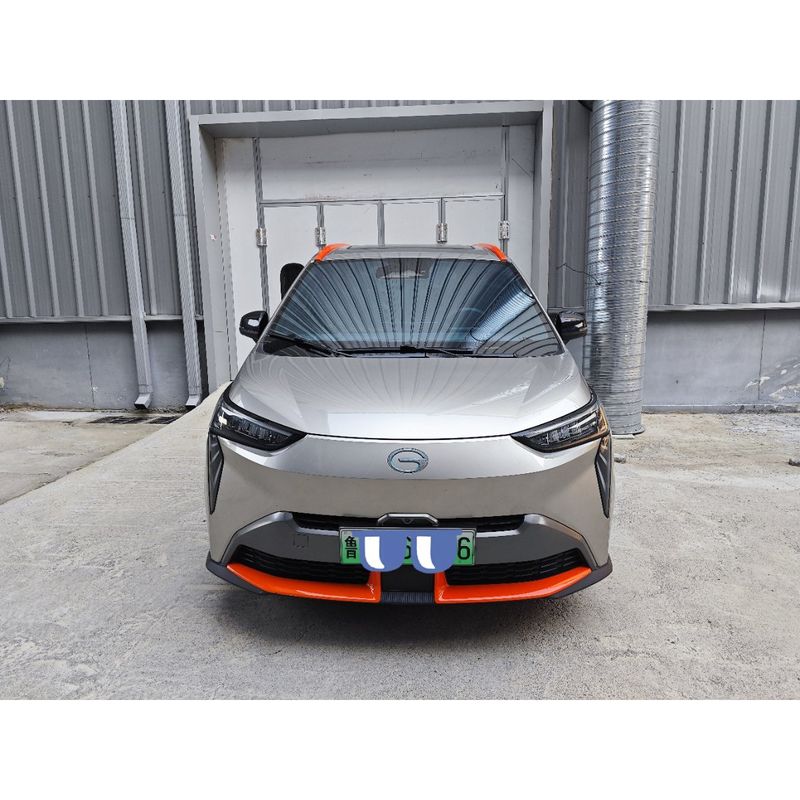
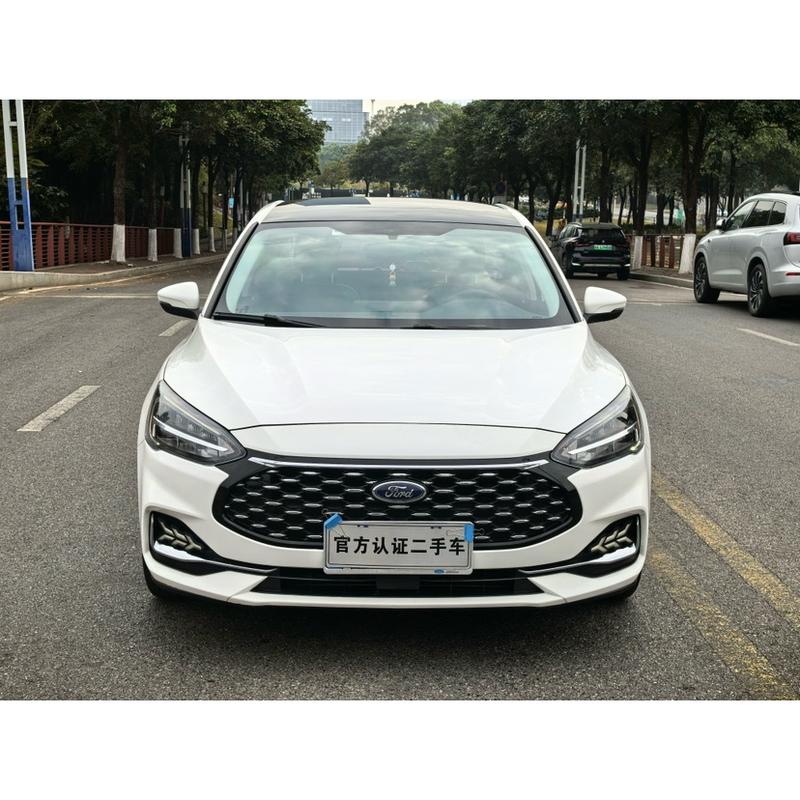
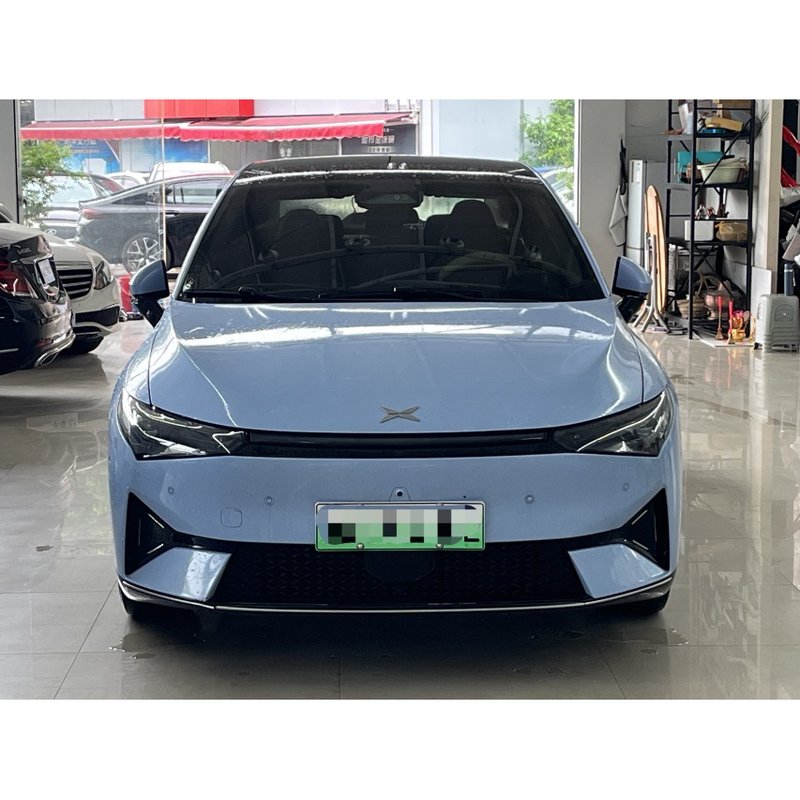
Certification of a used car as Certified Pre-Owned (CPO) hinges on various rigorous assessments that ensure the vehicle meets high standards. Typically, a CPO car undergoes a comprehensive inspection process, which can include checks on engine performance, exterior and interior condition, and safety features. Manufacturers often set specific criteria for mileage and age, ensuring that only relatively new vehicles are eligible. This meticulous examination instills confidence in buyers, assuring them that they are investing in a vehicle with a verifiable quality record.
Furthermore, many CPO programs offer additional warranty coverage and benefits like roadside assistance, enhancing the overall appeal. These advantages not only elevate the perceived value of the used car but also provide prospective buyers with peace of mind. Consequently, understanding what makes a used car Certified Pre-Owned is essential for buyers looking for reliability and quality in their purchase.
International Vehicle Transportation Methods
Transporting used cars internationally involves various methods, each designed to ensure the safe and efficient movement of vehicles. Container shipping is one of the most secure options available. Vehicles are loaded into large containers, which offer protection from external elements during transit. This method is particularly advantageous for high-value vehicles, as it reduces the risk of damage significantly.
Another prevalent method is roll-on roll-off (RoRo) shipping, where vehicles are driven directly onto the ship and secured in place. This method allows for quicker loading and unloading, making it popular for bulk shipments. While RoRo vessels may expose vehicles to the elements, they often have protective measures in place, including tarps and covers to mitigate potential weather damage.
Port Handling and Vehicle Protection
Effective port handling is vital in ensuring that used cars are well-protected as they transition from land to sea. At Nansha Port, vehicles undergo rigorous checks upon arrival to confirm their condition and document any pre-existing damage. This step is critical as it sets a baseline for the vehicle’s state before any transportation occurs. Once cleared, cars are often placed in secure holding areas until they are loaded onto their designated vessels.

Protection does not end at the port. During shipping, both container and RoRo methods employ professional crews trained to handle vehicles carefully. Customised loading equipment and soft tie-downs are commonly used to secure cars, preventing movement and reducing the risk of scratches or dents. Maintaining the integrity of these vehicles throughout their journey is paramount for upholding their certified status.
Delivery Timelines and Logistics Coordination
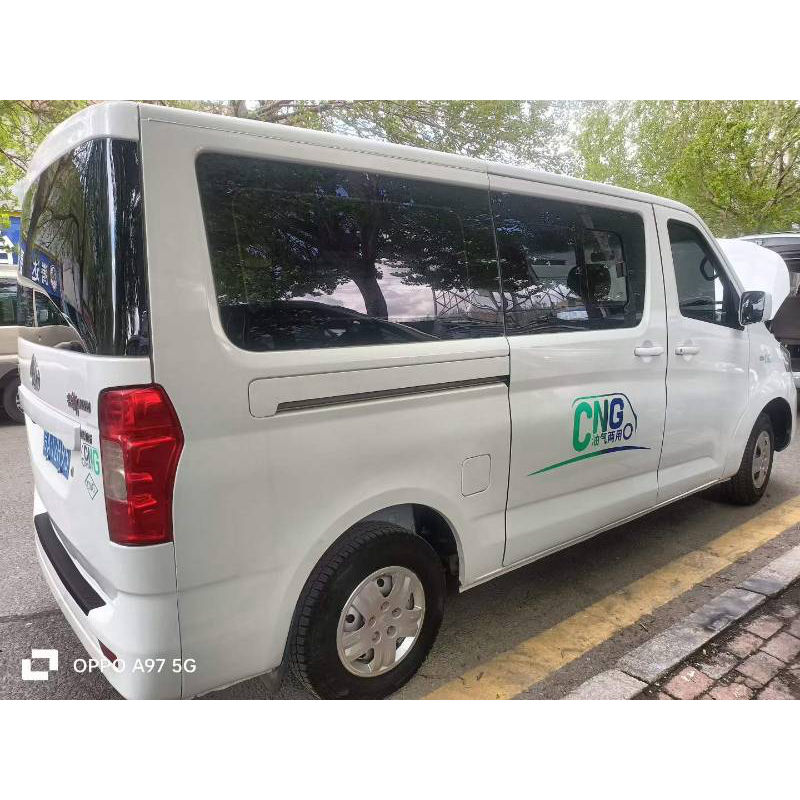
Delivery timelines for used cars transported internationally can vary based on several factors, including the chosen shipping method and destination. Generally, container shipping may take longer due to the additional steps involved in loading and unloading. Conversely, RoRo shipments often allow for quicker transit times due to their efficient loading processes. As an automotive logistics coordinator, it is essential to manage these timelines closely to meet customer expectations.
Communication plays a significant role in this process. Coordinating with shipping lines, customs officials, and local delivery services ensures that vehicles are tracked accurately throughout their journey. Timely updates can help mitigate concerns regarding delivery delays, allowing businesses to maintain a solid reputation and customer satisfaction.
The Importance of Quality Control in Used Cars
Quality control is a fundamental aspect of the used car export industry, especially when it comes to ensuring that vehicles are certified pre-owned. A thorough quality assurance process not only involves the physical inspection of vehicles but also the verification of all necessary documentation. This documentation includes service records, previous ownership details, and compliance with local regulations.
Investing in quality control measures ensures that the vehicles exported are not only reliable but also meet the expectations of international buyers. By maintaining high standards in vehicle condition, exporters can foster trust and loyalty among their clients, further enhancing their market position.