


Quality Standards for Toyota Second Hand Cars
When selecting Toyota second hand cars for international export from China, stringent quality standards must be adhered to in order to ensure reliability and customer satisfaction. A thorough understanding of the essential quality parameters is vital. This includes evaluating the vehicle’s structural integrity, mechanical components, and overall condition. The age and mileage of the vehicle are essential factors, as they significantly impact the performance and longevity of the car. A well-maintained Toyota, even with higher mileage, can surpass a lesser-maintained vehicle with fewer miles due to Toyota’s renowned engineering and durability.
Additionally, documentation regarding service history plays a pivotal role in assessing the quality of second hand cars. An extensive service record indicates that the vehicle has been consistently maintained, which is crucial in ensuring its reliability post-purchase. An automotive quality control manager must ensure that all necessary documents are present and legitimate, as this affects both the car’s value and potential resale opportunities.
Inspection Processes for Used Toyotas
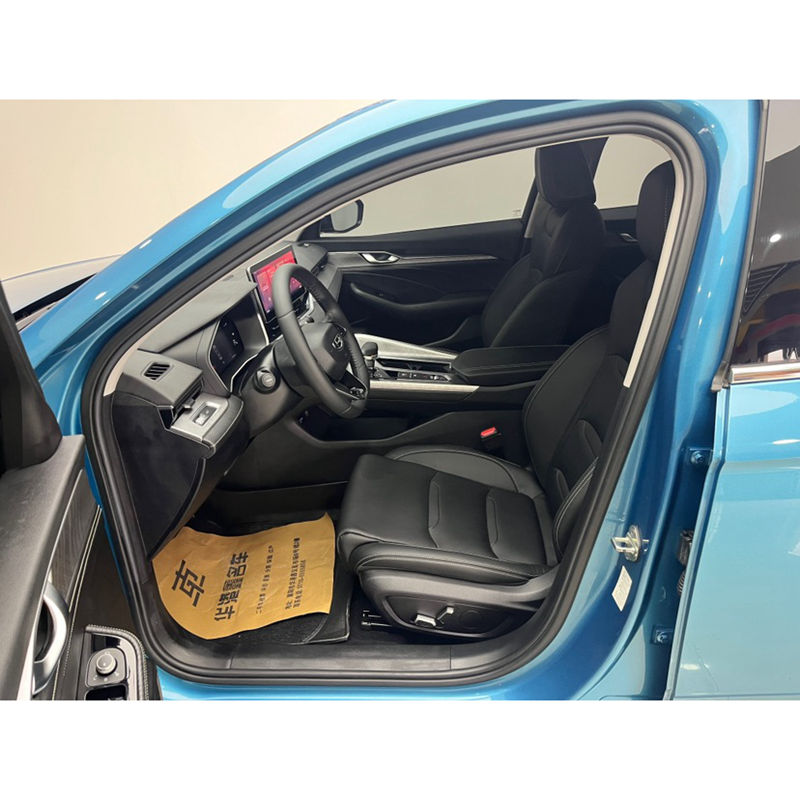
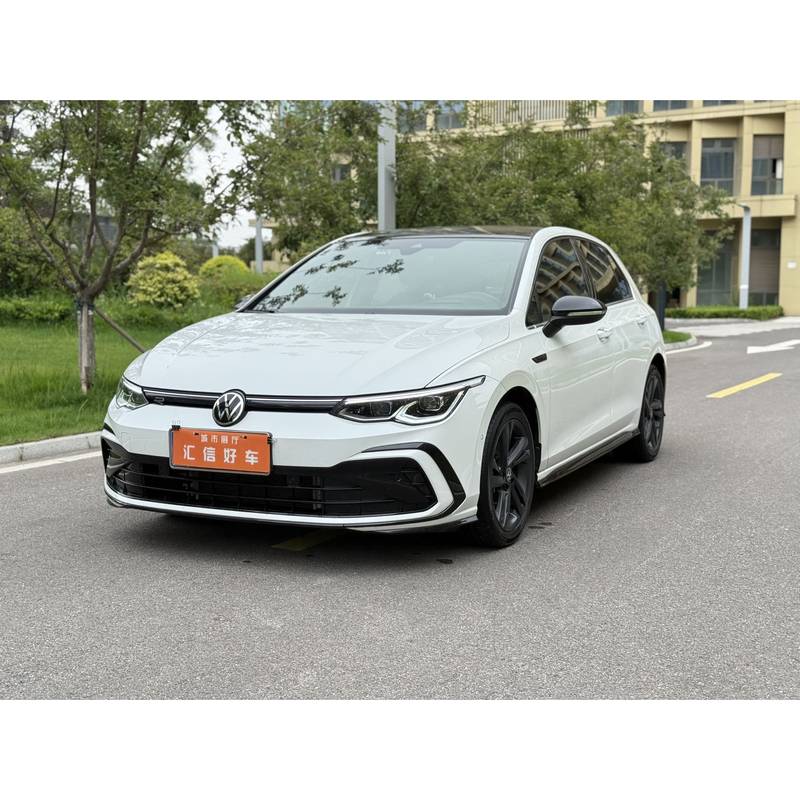
The inspection process for Toyota second hand cars begins with a visual examination of the vehicle’s exterior and interior. This includes checking for any signs of rust, body damage, or mismatched paint, which could indicate prior accidents. Inspecting the engine bay for leaks and wear is equally important, as this can reveal underlying mechanical issues. Any signs of previous repairs can also be a red flag and should be documented for further analysis.
Following the visual inspection, a detailed mechanical assessment must be conducted. This involves evaluating the brakes, suspension, steering, and transmission to ensure they perform optimally. The quality control manager should utilise diagnostic tools to identify any potential electronic faults, focusing on the vehicle’s computer systems and sensors. A thorough test drive is essential to assess handling and performance, particularly in relation to engine responsiveness and transmission smoothness.
Critères d'évaluation pour les exportations fiables
When it comes to evaluating Toyota second hand cars for export, several criteria must be considered. The age of the vehicle is significant, with newer models generally offering better technology and features. However, certain older models may be highly sought after due to their reliability and performance. Evaluating the model year, trim level, and optional features can provide valuable insights into the car’s desirability in various international markets.
Another critical aspect of the evaluation is assessing the vehicle’s emissions compliance and fuel efficiency. Given the growing global emphasis on sustainability, a vehicle that meets stringent emissions standards can enhance its appeal. Furthermore, the presence of original parts versus aftermarket components can influence the car’s overall reliability, with original parts typically ensuring better longevity and performance.
Normes de rejet pour les véhicules sous-par
It is crucial to reject any vehicles that do not possess a clear title or relevant documentation, as this creates potential legal complications during the export process. Furthermore, a car that exhibits excessive wear and tear relative to its age and mileage may not be worth the investment, particularly in markets that demand high-quality standards for used imports.

Maintaining Quality During the Export Process
Quality control does not end with the vehicle inspection and evaluation. Maintaining a high standard during the export process is equally important. This involves ensuring that all vehicles are appropriately prepared for shipping, including necessary cleaning and maintenance to prevent damage during transit. Effective communication with logistics coordinators and customs clearance specialists is vital to ensure all paperwork is accurate and compliant with international regulations.
Furthermore, establishing relationships with trusted overseas dealers is essential for ensuring that Toyota second hand cars reach their intended markets without issues. Regular feedback from these partners can inform future quality control processes, allowing for continuous improvement in the selection and inspection of used vehicles.