





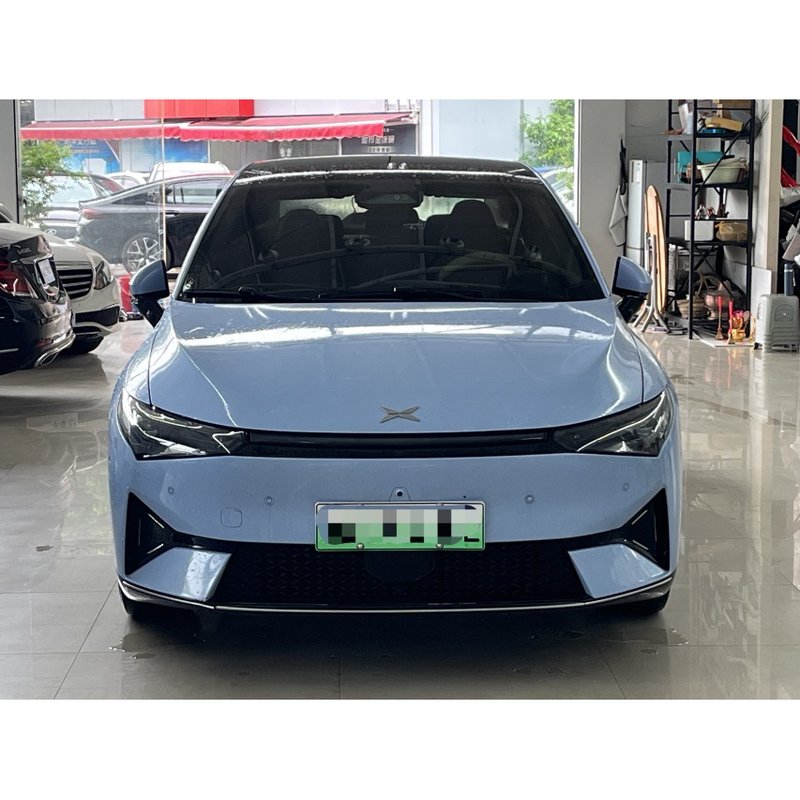

Understand if certified pre owned cars worth it for you
When considering the purchase of a used car, one option that often comes up is to explore certified pre-owned vehicles. These cars are typically offered by manufacturers or authorized dealerships and come with a set of advantages that can make them appealing to buyers. Understanding whether certified pre-owned cars are worth the investment requires a closer look at what they offer, how they differ from traditional used cars, and what factors should influence your decision.
Certified pre-owned vehicles usually undergo a comprehensive inspection process before being sold. This inspection is designed to ensure that the car meets specific quality standards set by the manufacturer. The criteria for certification can vary between brands, but generally, a certified pre-owned car will have to pass a thorough multi-point inspection, which may include checks on the engine, transmission, brakes, and other vital components. This level of scrutiny can provide peace of mind to buyers who might be wary of purchasing a used car that has not been inspected.
Another key advantage of certified pre-owned vehicles is the warranty that often accompanies them. While traditional used cars may not come with any warranty, certified pre-owned cars usually include a limited warranty that covers specific repairs and services for a certain period or mileage. This can be particularly valuable as it protects you against unexpected repair costs, which can sometimes be a significant burden when owning a used vehicle. Additionally, some manufacturers offer extended warranties for certified pre-owned cars, further enhancing their appeal.

The certification process also typically includes a vehicle history report. This report offers insights into the car’s past, including any accidents, previous owners, and service history. Having access to this information can help you make an informed decision about the vehicle’s overall condition and reliability. Knowing that the car has been well-maintained and has not been involved in major accidents can provide a sense of security that you might not get with a traditional used car.
Cost is another essential factor to consider when evaluating certified pre-owned cars. While they are generally more expensive than their non-certified counterparts, the premium often reflects the added benefits of inspections, warranties, and vehicle history reports. For buyers who prioritize peace of mind and reliability, this added cost may be worth it. It is essential to evaluate your budget and determine whether the investment aligns with your financial situation and how much value you place on the assurances that come with a certified pre-owned vehicle.
When choosing between a certified pre-owned car and a traditional used car, it is also crucial to consider your specific needs and preferences. If you are someone who plans to keep the car for an extended period, investing in a certified pre-owned vehicle might be a wise decision. The added warranty and assurance of quality can provide long-term benefits and potentially save you money on repairs. Conversely, if you only need a vehicle for a short time or are looking for a more economical option, a traditional used car may suffice.

Another consideration is the availability of certified pre-owned vehicles. Depending on the make and model you are interested in, the selection of certified pre-owned cars may be limited compared to the broader market of non-certified used cars. This could affect your choice, especially if you have specific preferences regarding color, features, or technology. It is advisable to conduct thorough research to understand the availability of certified pre-owned options in your area and how they compare to traditional used cars.
Financing options also play a role in this decision-making process. Certified pre-owned vehicles may come with more favorable financing terms than traditional used cars. Manufacturers often incentivize certified pre-owned sales with lower interest rates or special financing deals, making them more accessible to buyers. If you are considering financing your vehicle, it is worth exploring the financing options available for certified pre-owned cars and comparing them with those for traditional used cars.
Ultimately, whether a certified pre-owned vehicle is worth it for you depends on various factors, including your budget, your risk tolerance when it comes to potential repairs, and your personal preferences regarding quality and reliability. The added benefits of inspections, warranties, and vehicle history reports can provide significant peace of mind, particularly for buyers who want assurance that they are making a sound investment.
Taking the time to weigh the pros and cons carefully will help you make an informed decision that aligns with your needs. Whether you choose a certified pre-owned vehicle or a traditional used car, the goal is to find a reliable car that fits your lifestyle and budget while offering you the best value for your investment.