

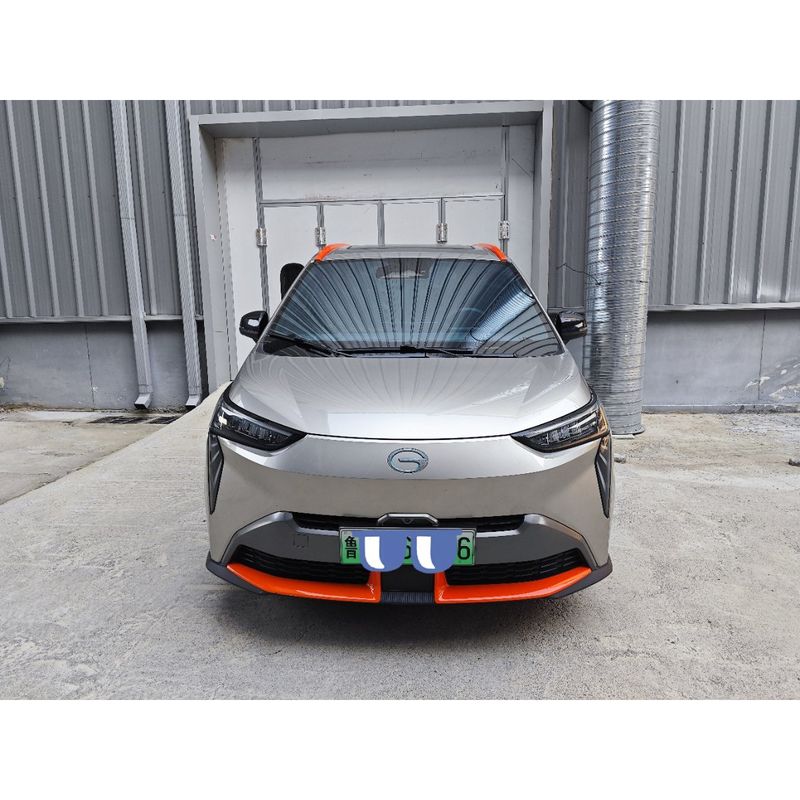
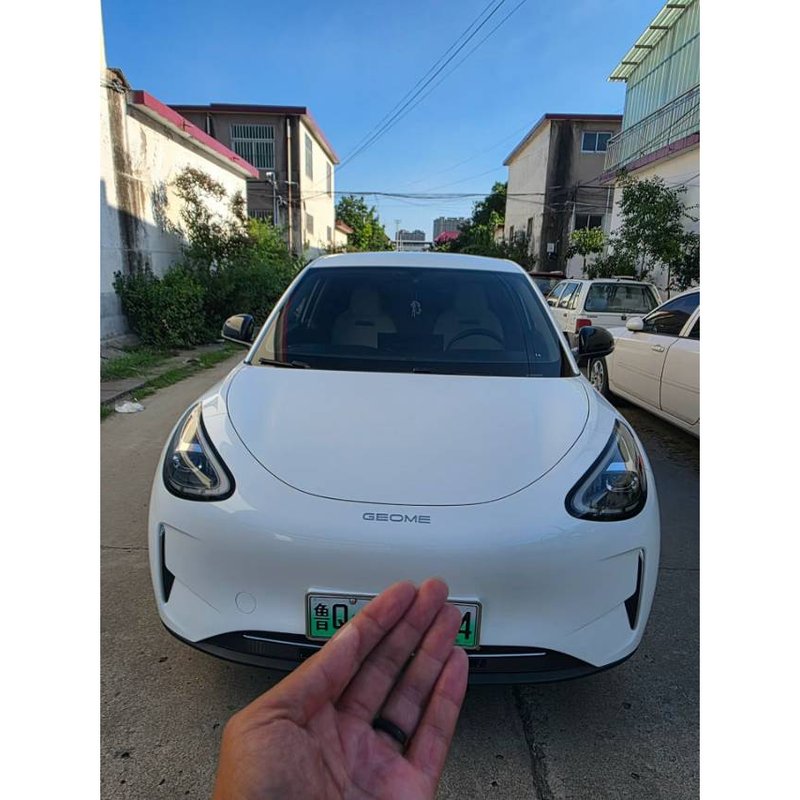


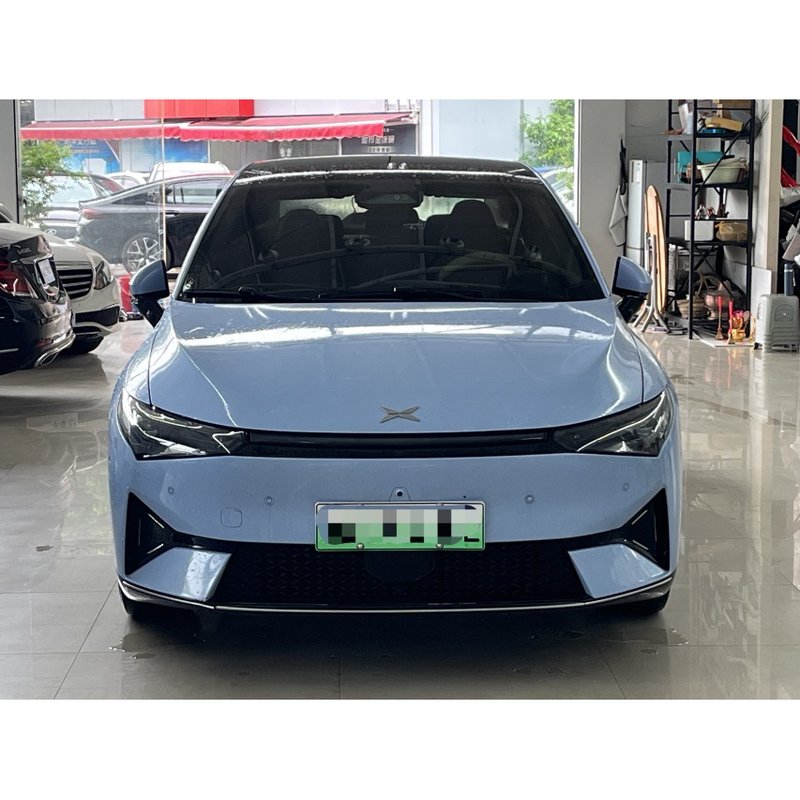

Learn all key core questions to ask when buying 2nd hand car with our guide today now
The used car market has seen significant growth in recent years, particularly in China, where an increasing number of consumers are opting for second-hand vehicles. This trend can be attributed to several factors, including affordability, a wider selection of vehicles, and a growing acceptance of used cars among buyers. If you are considering purchasing a second-hand car, it is crucial to be well-informed and prepared. Our guide will cover essential questions to ask when buying a used car, helping you make a sound decision.

One of the first questions to consider is the vehicle’s history. It is vital to inquire about the car’s previous ownership and whether it has been involved in any accidents. Understanding the car’s history can provide insight into its overall condition and potential future issues. You may ask for a vehicle history report, which can reveal crucial information such as title status, accident history, and service records. This report can often be obtained through various online services, providing transparency and reassurance in your purchase.
Next, it is important to ask about the car’s maintenance records. Regular maintenance is essential for any vehicle, and a well-documented service history can indicate that the previous owner took good care of the car. You should inquire about the oil changes, tire rotations, and any other significant repairs that have been performed. If the seller cannot provide this information, it may be a red flag that the vehicle has not been adequately maintained.
Another critical question revolves around the mileage of the vehicle. Generally, lower mileage indicates less wear and tear, but it is essential to consider the car’s age as well. A car with high mileage may still be in excellent condition if it has been maintained properly. On the other hand, a low-mileage vehicle that has been neglected could present more problems down the line. Therefore, it is important to assess mileage in conjunction with the car’s overall condition and maintenance history.

When examining the vehicle, you should also inquire about the tires and brakes. These components are vital for safety and performance. Ask whether the tires have been replaced recently and check their tread depth. Worn tires can affect handling and fuel efficiency. Additionally, inquire about the condition of the brakes and whether they have been serviced or replaced recently. A thorough inspection of these components can prevent costly repairs in the future.
Another essential aspect to consider is the car’s title status. Ensure that the vehicle has a clear title, meaning it is not salvaged or rebuilt. A salvaged title indicates that the car has been deemed a total loss by an insurance company, which can significantly affect its value and safety. If the seller cannot provide clear title documentation, it is advisable to proceed with caution or consider other options.
You should also ask about the warranty options available for the used vehicle. Some dealerships offer limited warranties on their used cars, which can provide peace of mind in case of unexpected repairs. Understanding the terms of any warranty and what it covers can help you make a more informed decision about your purchase.
In addition to these questions, it is crucial to take the vehicle for a test drive. This experience allows you to assess the car’s performance, handling, and comfort. During the drive, pay close attention to how the vehicle accelerates, brakes, and turns. Listen for any unusual noises that may indicate underlying issues. A test drive is a valuable opportunity to determine if the car meets your expectations in terms of driving experience.
If you are not confident in your ability to assess the car’s condition, consider having a trusted mechanic inspect the vehicle before making a purchase. A professional inspection can uncover hidden problems that may not be immediately apparent. This step can save you from potential headaches and expenses down the road.
Another important aspect to discuss with the seller is the pricing of the vehicle. Research the market value of similar models in your area to ensure you are paying a fair price. Websites and online marketplaces can provide valuable insights into pricing trends and help you negotiate effectively. Do not hesitate to ask the seller how they arrived at the asking price and be prepared to negotiate based on your research.
Understanding the financing options available is also essential when purchasing a used car. If you plan to finance the vehicle, inquire about loan terms, interest rates, and monthly payment options. It is advisable to explore various financing options from banks or credit unions to ensure you secure the best deal. Knowing your budget and financing options can help you make a more informed decision without overstretching your finances.
Lastly, consider the resale value of the vehicle you are considering. Some makes and models retain their value better than others. Researching the resale value can provide insight into how much you can expect to recover should you decide to sell the car in the future. This information can be particularly important for those who tend to change vehicles frequently.
Purchasing a second-hand car can be a rewarding experience if approached with caution and informed decision-making. By asking the right questions and conducting thorough research, you can find a vehicle that meets your needs and fits your budget. Remember to take your time, weigh your options, and consult experts if necessary. The right used car can provide you with reliable transportation for years to come, making your investment well worth it.


