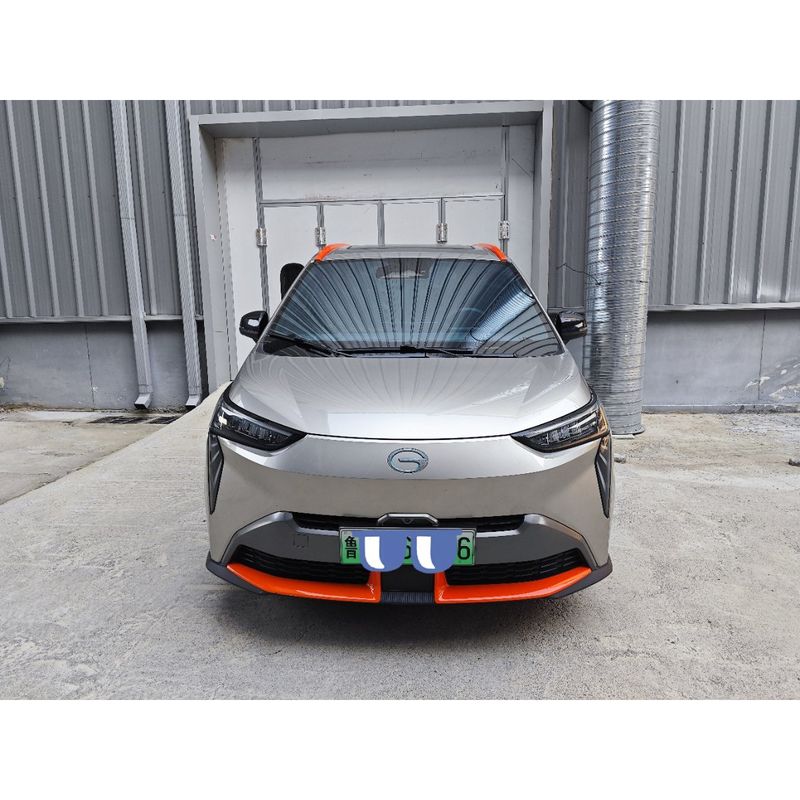
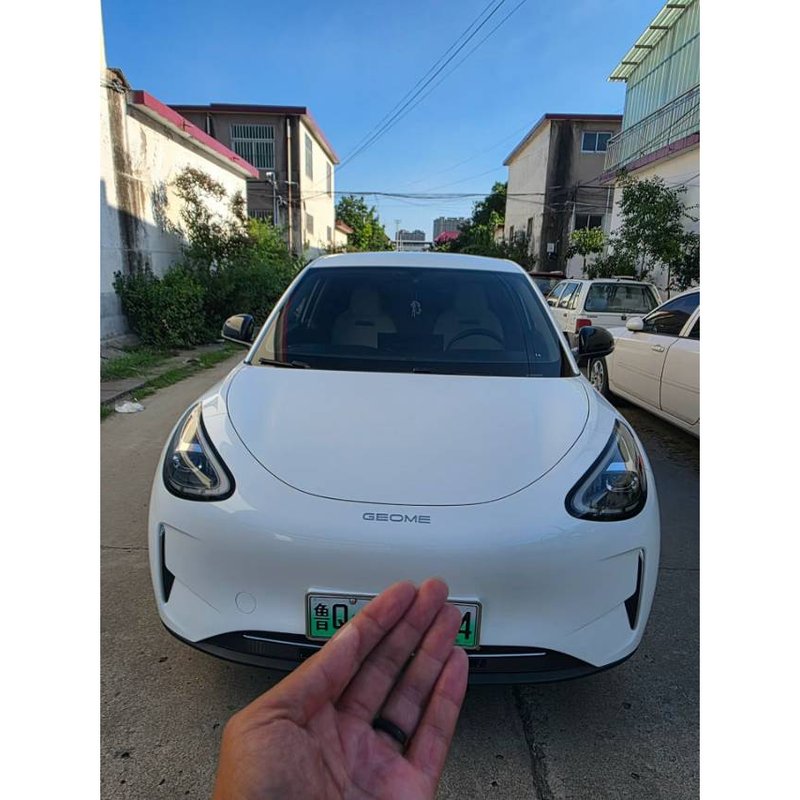
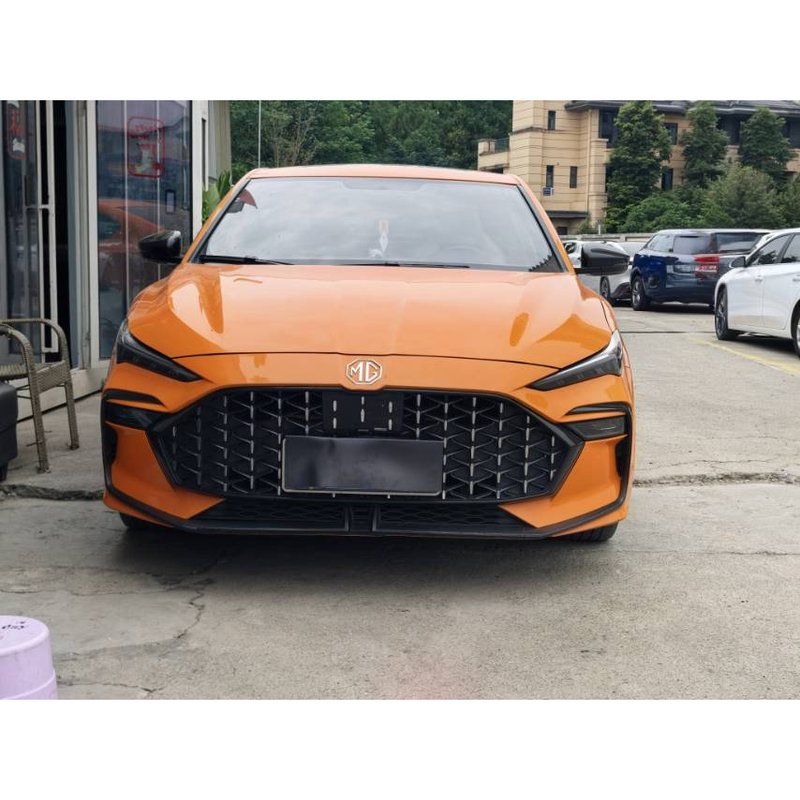
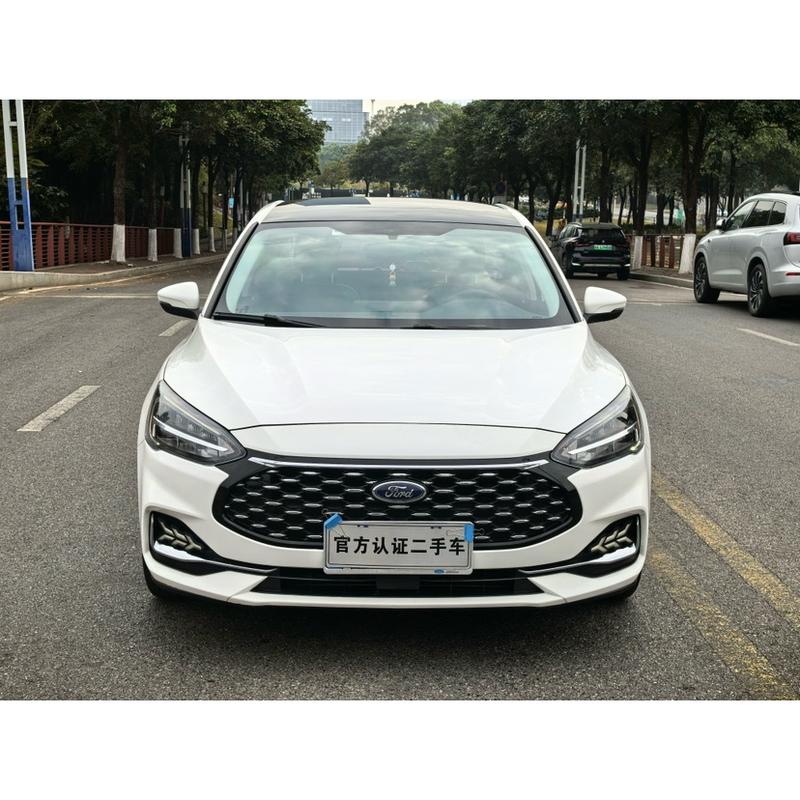
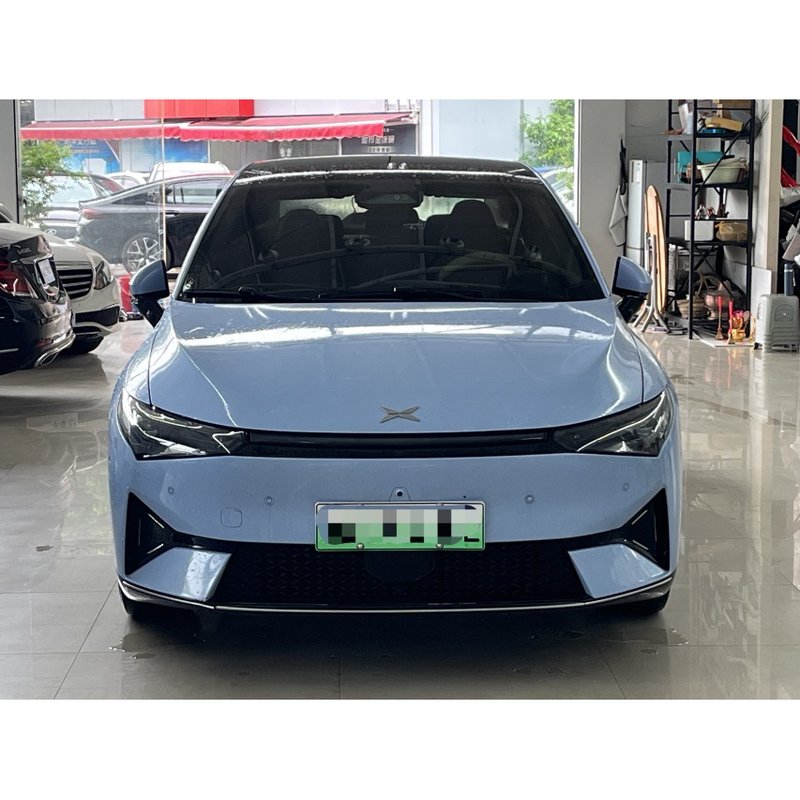

Learn all about the meaning of pre owned vehicle with our guide today now
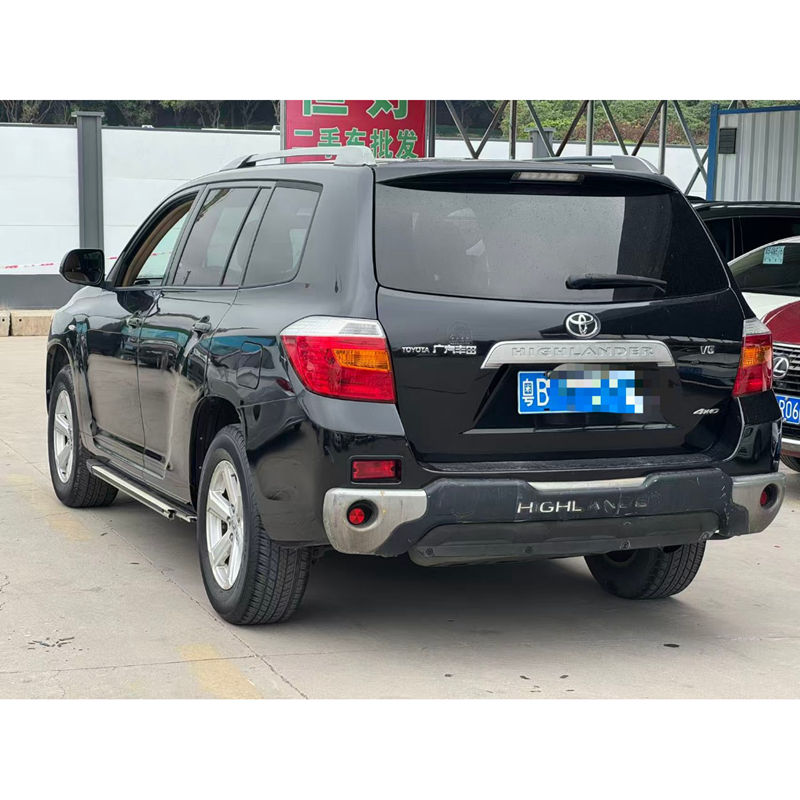
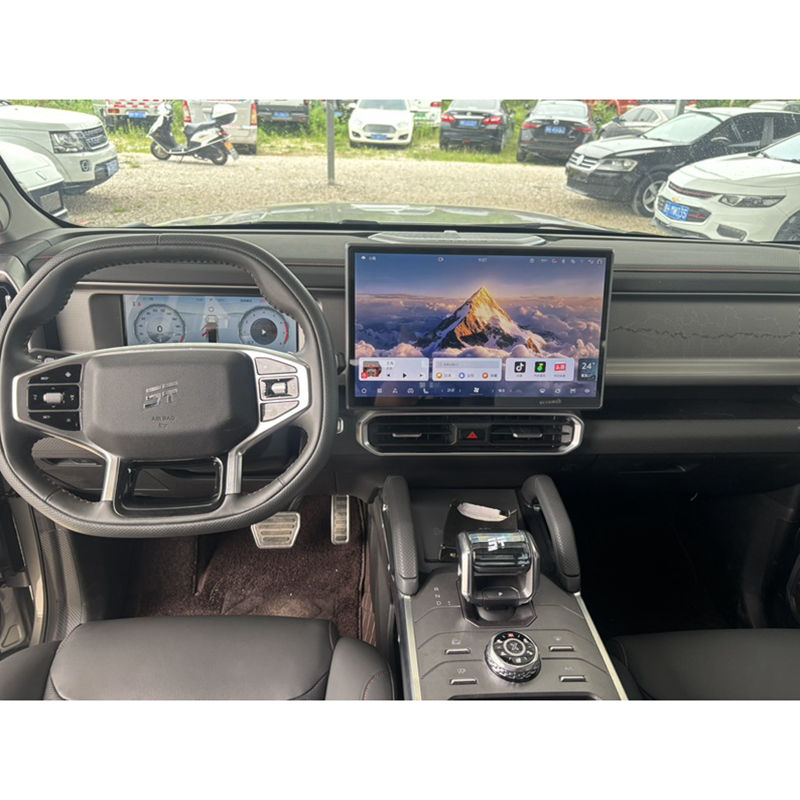
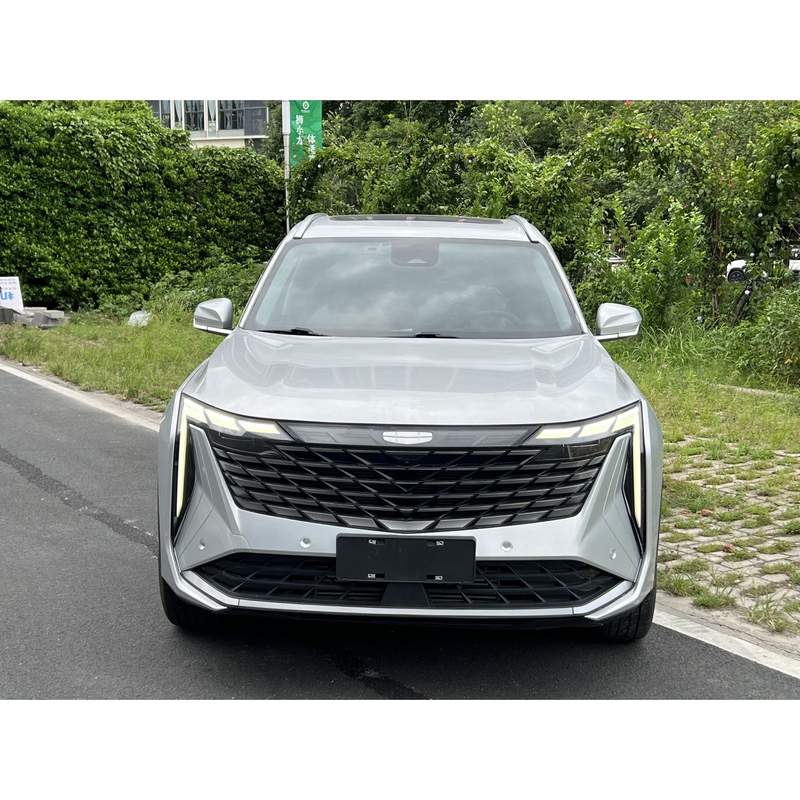
The world of pre-owned vehicles has garnered significant attention in recent years, largely due to the increasing demand for affordable and reliable transportation. The definition of a pre-owned vehicle is straightforward; it refers to any vehicle that has been previously owned and is now available for resale. This category encompasses a wide range of vehicles, from nearly-new models with very low mileage to older cars that may require some maintenance. Understanding the landscape of pre-owned vehicles is essential for both consumers and businesses, especially in a thriving market like that of used car wholesaling.
One of the primary benefits of purchasing a pre-owned vehicle is cost savings. New cars depreciate rapidly, losing a substantial portion of their value within the first few years. This means that a pre-owned vehicle can represent a significantly better investment for buyers who want to avoid the steep depreciation associated with new cars. Additionally, many pre-owned vehicles come with a history of reliability, as consumers can often research models and read reviews that help them choose a dependable car.

The supply chain for used cars is intricate and multifaceted. It involves various stakeholders, including manufacturers, dealerships, wholesalers, and consumers. For a successful wholesaler like jh-usedcar.com in China, establishing a robust supply chain is critical. An efficient supply chain allows the wholesaler to manage inventory effectively, ensuring that they have the right vehicles available for their clients at the right time.
The process of acquiring pre-owned vehicles begins with sourcing. Wholesalers often establish relationships with dealerships, auction houses, and individual sellers to acquire a diverse inventory. This broad network allows them to offer a wide range of makes and models, catering to various consumer preferences. For instance, some buyers may be looking for specific features such as fuel efficiency, while others may prioritize luxury or performance. By having an extensive selection, wholesalers can meet the varying demands of the market.
Once vehicles are sourced, the next step in the supply chain involves inspection and refurbishment. It is crucial for wholesalers to ensure that the vehicles they offer meet certain quality standards. This often involves conducting thorough inspections to assess the condition of each car, addressing any mechanical issues, and cleaning the vehicle to enhance its appeal. A well-refurbished car not only attracts buyers but also fosters trust in the wholesaler’s brand.

After refurbishment, the vehicles need to be marketed effectively. Digital platforms play a pivotal role in the modern used car market. Wholesalers like jh-usedcar.com utilize online listings, social media, and search engine optimization strategies to reach potential buyers. High-quality images and detailed descriptions can significantly impact a potential buyer’s decision. Providing comprehensive information about the vehicle’s history, maintenance records, and any warranties can also enhance buyer confidence.
Logistics is another critical component of the used car supply chain. Once a vehicle is sold, it must be delivered to the buyer efficiently. This can involve coordinating with transport services and ensuring that the vehicle arrives in the same condition as when it was sold. Timely and safe delivery enhances customer satisfaction and can lead to repeat business or referrals.
The role of technology in the used car supply chain cannot be overstated. Modern data analytics tools allow wholesalers to track market trends, pricing fluctuations, and consumer preferences. By utilizing these insights, businesses can make informed decisions about which vehicles to source and how to price them competitively. Furthermore, technology facilitates smoother transactions and communication between buyers and sellers, streamlining the overall process.
Consumer education is also an essential aspect of the pre-owned vehicle market. Many buyers may be unfamiliar with the intricacies of purchasing a used car. Providing resources such as guides on what to look for in a pre-owned vehicle, understanding vehicle history reports, and tips for negotiation can empower consumers and enhance their buying experience. This educational approach can also build brand loyalty, as consumers are more likely to return to a wholesaler that has provided them with valuable information.
In China, where the used car market is rapidly evolving, understanding the nuances of consumer behavior is vital. Cultural factors, economic conditions, and changing preferences can all impact buying decisions. As such, wholesalers must remain agile and responsive to these shifts to maintain their competitive edge.
As the pre-owned vehicle market continues to grow, the importance of a well-structured supply chain becomes increasingly clear. For wholesalers like jh-usedcar.com, focusing on sourcing quality vehicles, ensuring thorough inspections, effective marketing, and leveraging technology will be key to success. By prioritizing customer satisfaction and education, wholesalers can foster long-term relationships with buyers, ultimately contributing to the stability and growth of the used car market. The landscape of pre-owned vehicles is rich with opportunities, and those who navigate it wisely will undoubtedly find success in this dynamic industry.