
Traditional Used Car Exporters Face Fierce Competition from China
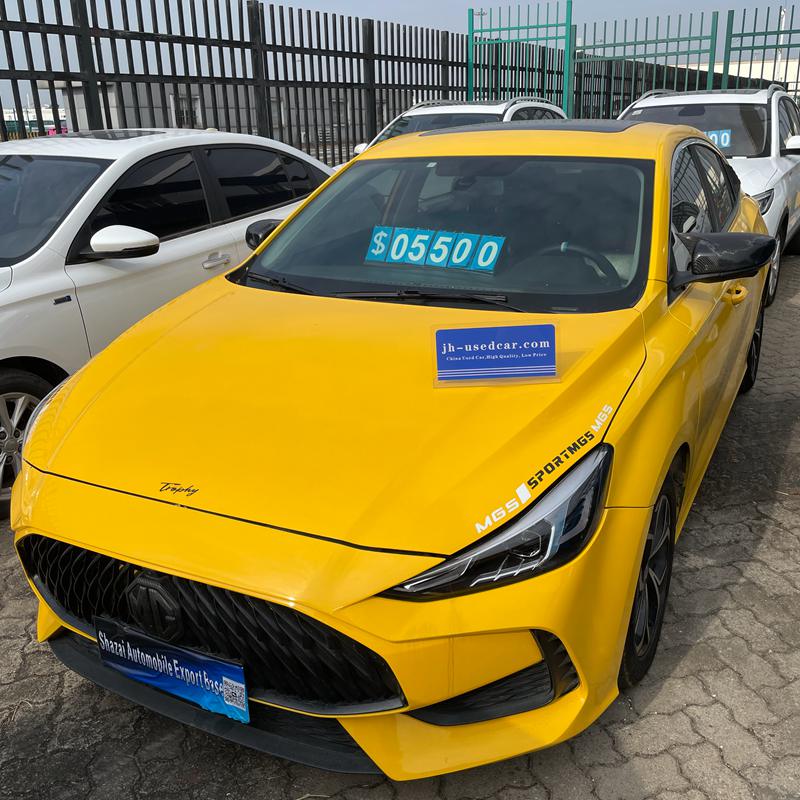
The global used car market has witnessed significant changes in recent years, with a notable shift in dynamics that has brought Chinese wholesalers to the forefront of this industry. This transformation is largely attributed to the evolving landscape of supply chains, particularly in the used car sector. As a well-known used car wholesaler in China, jh-usedcar.com exemplifies how a robust supply chain can enhance competitiveness and drive growth in a challenging market.

Traditional used car exporters have long dominated the international market, leveraging established relationships and networks to distribute vehicles. However, the increasing globalization of trade and advancements in technology have allowed new players, particularly from China, to enter the fray. Chinese wholesalers have begun to challenge the status quo by offering a more efficient supply chain model that emphasizes reliability, cost-effectiveness, and innovation.
One of the key advantages that Chinese used car wholesalers possess is their ability to streamline operations. By leveraging advanced logistics and technology, companies like jh-usedcar.com can manage their inventory more effectively, ensuring that they can respond quickly to market demands. This agility allows them to offer a diverse range of vehicles at competitive prices, making them an attractive option for buyers worldwide.
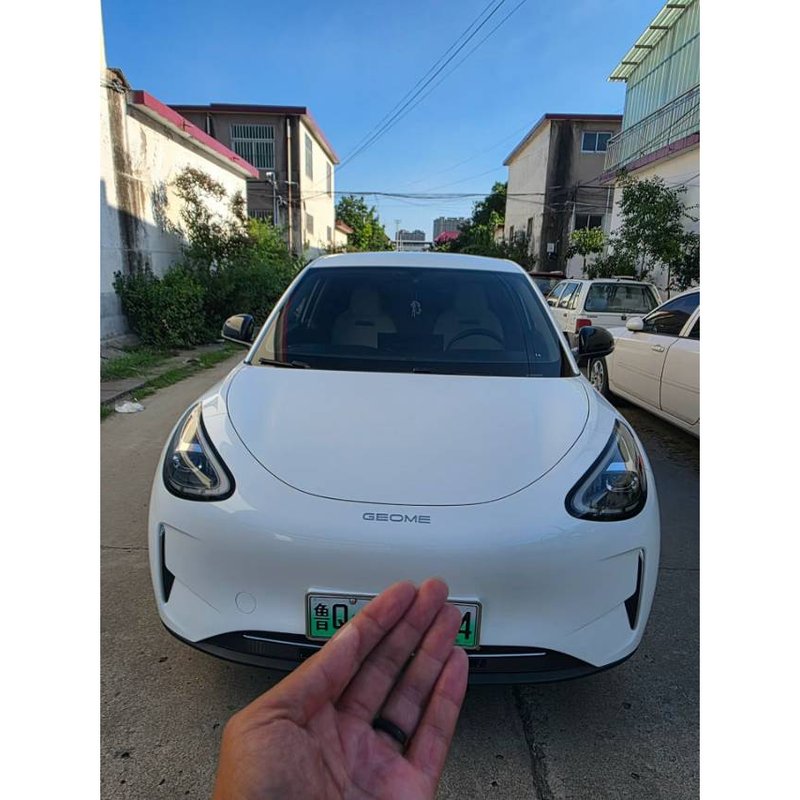
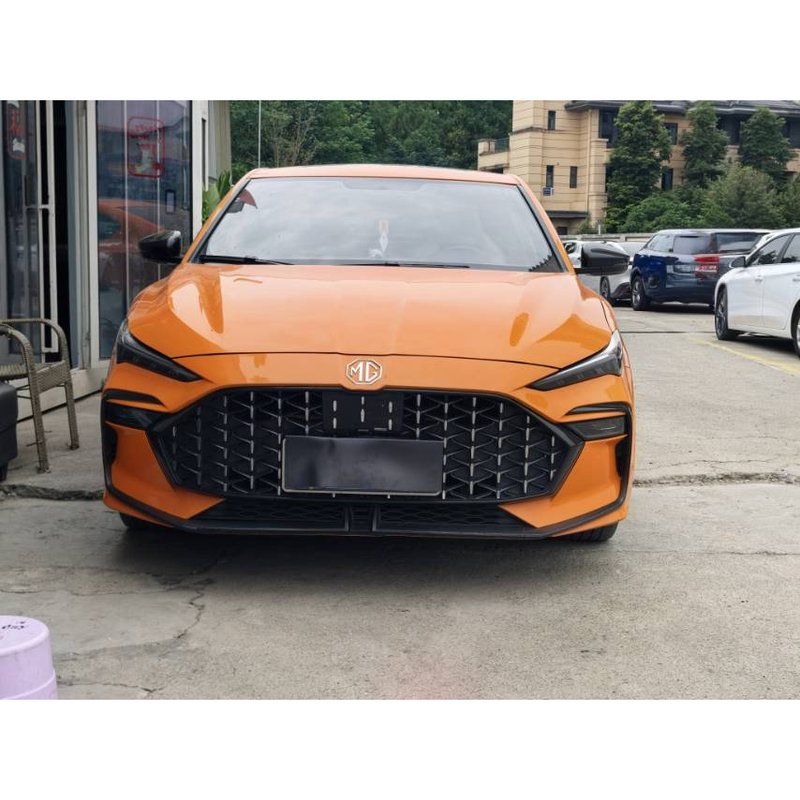
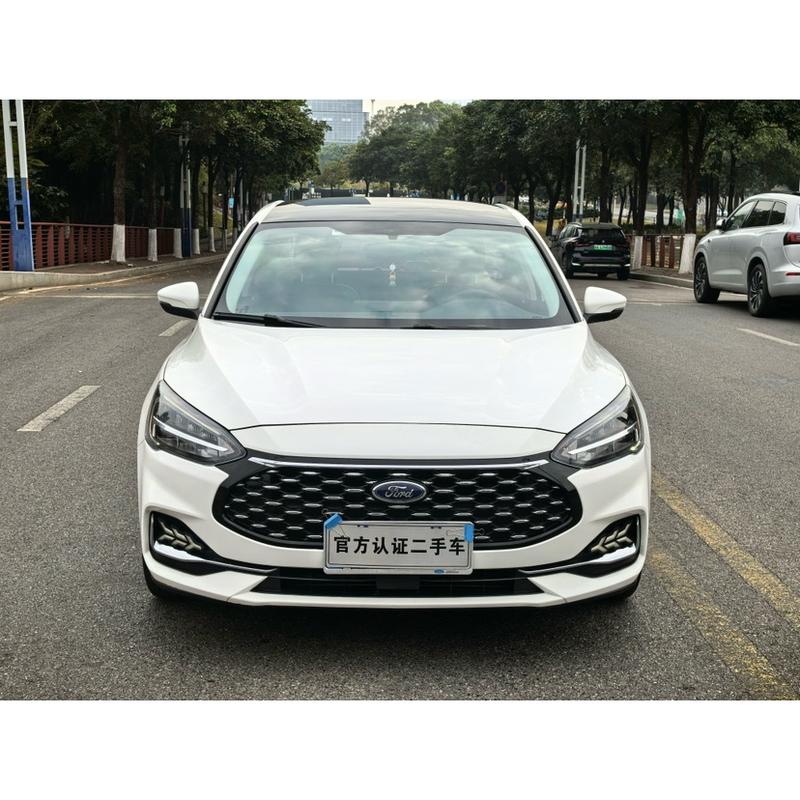
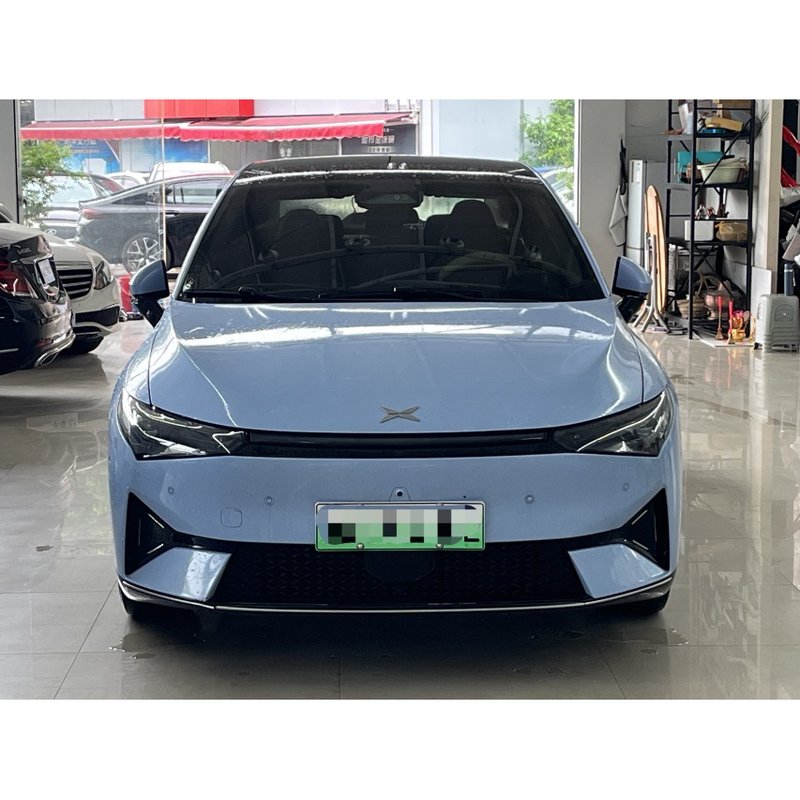
Moreover, the Chinese market has seen a surge in the availability of high-quality used vehicles. With the rapid growth of the automotive industry in China, there is a substantial supply of used cars that are often younger and better maintained than those available in traditional markets. This abundance enables wholesalers to provide a wide selection of vehicles that meet various consumer preferences and requirements.

Quality control is another critical factor that sets Chinese wholesalers apart from traditional exporters. Companies like jh-usedcar.com prioritize rigorous inspection processes to ensure that only the best vehicles make it to market. This commitment to quality not only meets the expectations of international buyers but also enhances the reputation of Chinese wholesalers as reliable suppliers. In an industry where trust is paramount, maintaining high standards can significantly impact long-term success.
Furthermore, the integration of technology has revolutionized the way used cars are bought and sold. Chinese wholesalers have embraced digital platforms to facilitate transactions, making the process more transparent and efficient. Online marketplaces enable buyers to browse a vast inventory, compare prices, and access detailed information about each vehicle. This level of transparency fosters confidence among international buyers and helps bridge the gap between different markets.
The competitive pricing strategy employed by Chinese used car wholesalers is another reason for their growing prominence. By optimizing their supply chains and reducing overhead costs, these companies can offer lower prices than traditional exporters. This pricing advantage is particularly appealing to buyers in emerging markets, where affordability is a significant consideration. As a result, many international dealers are increasingly turning to Chinese wholesalers for their used car needs.

Additionally, the rise of e-commerce has transformed consumer behavior, leading to a growing demand for online purchases. Chinese wholesalers have capitalized on this trend by developing user-friendly platforms that cater to the needs of modern consumers. With the ability to conduct transactions online, buyers can enjoy the convenience of purchasing vehicles from the comfort of their own homes. This shift has not only expanded the customer base for Chinese wholesalers but has also intensified competition with traditional exporters who may be slower to adapt.
Another noteworthy aspect of the Chinese used car supply chain is its ability to scale efficiently. As demand for used vehicles continues to grow globally, wholesalers in China are well-positioned to expand their operations quickly. This scalability allows them to respond to market fluctuations and seize new opportunities as they arise. Traditional exporters may struggle to keep pace with this rapid growth due to their more established and potentially rigid structures.
Furthermore, strong government support for the automotive industry in China has facilitated the growth of used car wholesalers. Policies aimed at promoting domestic consumption and reducing emissions have encouraged consumers to trade in older vehicles for newer models, resulting in an influx of used cars into the market. This supportive environment provides Chinese wholesalers with a steady supply of vehicles to meet the demands of international buyers.
As traditional used car exporters face mounting pressure from Chinese wholesalers, they must adapt to the changing landscape to remain competitive. This may involve re-evaluating their supply chain strategies, investing in technology, and enhancing their customer service offerings. By embracing innovation and leveraging their existing strengths, traditional exporters can find ways to coexist alongside their Chinese counterparts.
The rise of Chinese used car wholesalers signifies a new chapter in the global used car market. With a focus on efficient supply chains, competitive pricing, and quality assurance, companies like jh-usedcar.com are reshaping the landscape of used car exports. As the competition intensifies, both traditional exporters and new entrants must navigate the complexities of this evolving market to thrive in an increasingly interconnected world. The future of the used car industry will likely be defined by collaboration, innovation, and a relentless pursuit of excellence in supply chain management.