

“content_html”: “
Chinese Used Vehicle Exports and International Buyer Demand
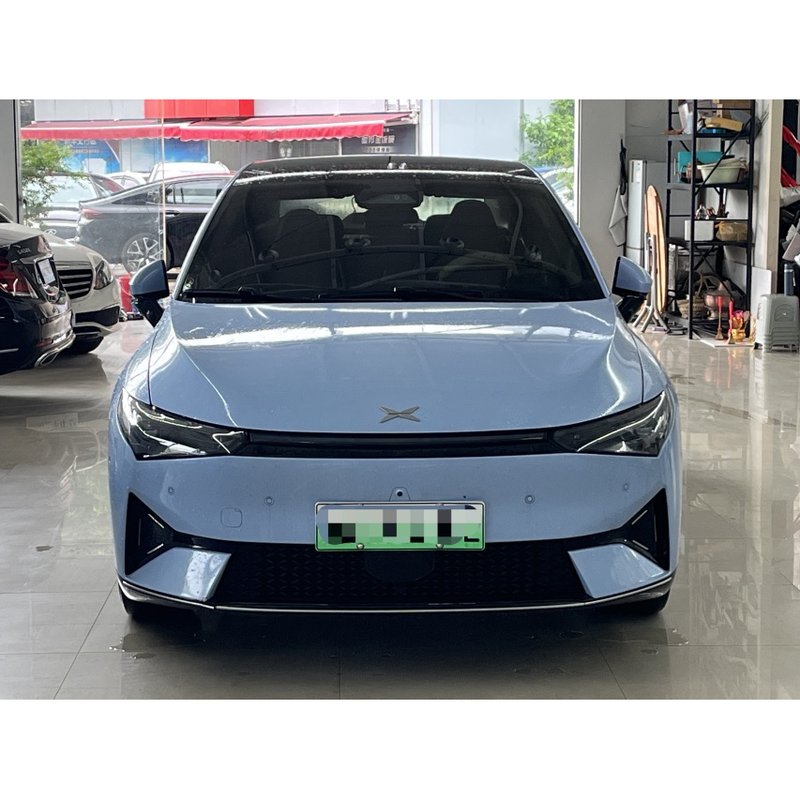
International demand for Chinese used vehicles is creating new opportunities for preowned car lots, independent dealers and wholesale distributors seeking competitively priced stock. China’s extensive automotive manufacturing base, expanding electric vehicle sector and broad selection of petrol, hybrid and battery electric models appeal to buyers across Africa, Central Asia, the Middle East, South America and Southeast Asia. However, purchasing vehicles from China involves more than negotiating prices and arranging transport. Export eligibility, customs documentation, inspection requirements and destination country regulations must all be addressed before a shipment leaves the country.
From a China automobile export customs specialist’s perspective, successful transactions begin with verifying the vehicle’s identity, ownership records and eligibility for export. Buyers should obtain the vehicle identification number, registration details where applicable, manufacturing date, mileage records, powertrain specifications and condition report. For electric vehicles, battery capacity, charging standards and available battery health information also deserve attention. These details help overseas dealers assess resale potential and reduce the risk of receiving vehicles that cannot be registered or sold in their intended market.
Export Eligibility and Vehicle Documentation in China
China’s used vehicle export framework requires exporters to follow applicable government procedures and meet the relevant qualification requirements. Buyers should work with an authorised or otherwise appropriately qualified export enterprise that can confirm the current rules governing the selected vehicle and transaction. Export eligibility should be checked before payment commitments become irreversible, particularly for vehicles with unusual registration histories, modified specifications or incomplete ownership documentation.
Core export paperwork commonly includes the sales contract, commercial invoice, packing list where applicable, vehicle identification details and export customs declaration. Depending on the transaction and vehicle status, supporting documents may include ownership or registration evidence, purchase records, deregistration documentation, inspection reports and authorisation documents. The exporter must also arrange the applicable export licence or permit where required by current Chinese rules. A certificate of origin may be requested by the importing country or buyer, although its availability and usefulness depend on the applicable origin rules and trade arrangements. Documents should contain consistent vehicle descriptions, chassis numbers, quantities and transaction values to prevent avoidable discrepancies.
Customs Declaration and Clearance at Chinese Export Ports
Chinese export customs clearance normally begins with preparation and electronic submission of the declaration and supporting information through the applicable customs systems. Customs authorities assess the declared goods, documentation and any regulatory controls relevant to the shipment. They may request clarification, inspect the vehicle or examine supporting records before authorising release. The declared transaction value should be commercially credible and supported by the invoice and payment records. Inaccurate valuations, inconsistent chassis numbers or missing permits can delay clearance and increase storage, handling and administrative costs.
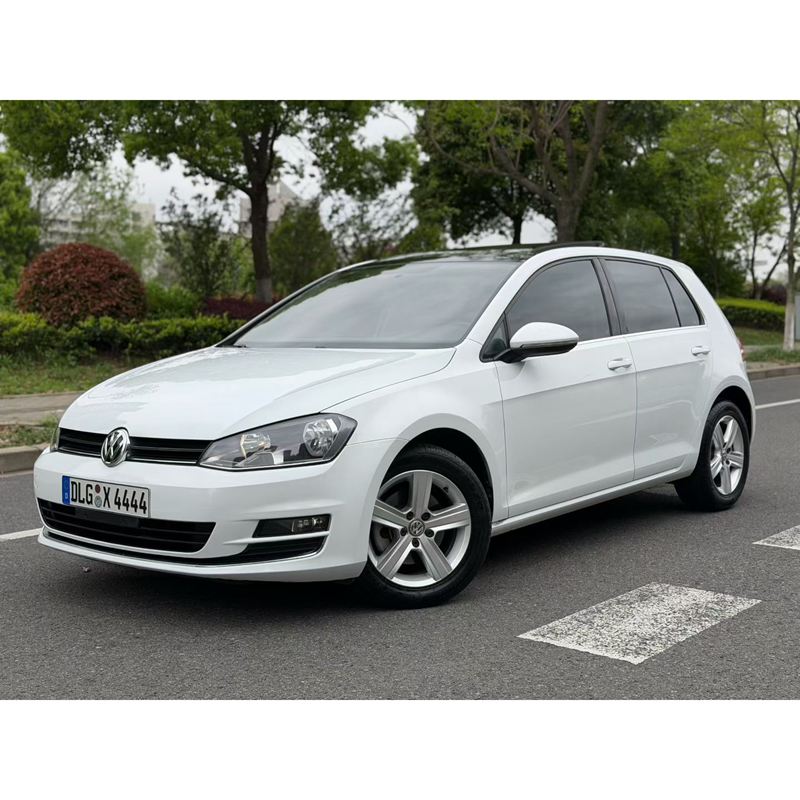
After the necessary checks and release procedures, the vehicle can proceed through the port’s export handling process and be loaded according to the shipping arrangement. Guangzhou Nansha Port is one potential logistics gateway for suitable export movements, depending on the origin of the vehicles, vessel schedules and the destination. RoRo shipping and container transport each involve different handling and cost considerations. Exporters should coordinate customs brokers, terminal operators, shipping agents and overseas consignees to ensure that vehicle details on transport documents match the customs declaration and commercial paperwork. The bill of lading or other applicable transport document should be checked carefully before departure.
Vehicle Inspection Certificates and Quality Verification
Inspection requirements depend on the export rules applicable to the vehicle, the exporter’s obligations and the importing country’s legislation. Buyers should establish whether an official inspection certificate, a conformity document or another form of technical verification is required before shipment. Such documents are not interchangeable, and an inspection report issued by a commercial assessor does not automatically satisfy a statutory certification requirement. The exporter should confirm the accepted issuing body, certificate format, validity period and required inspection scope with the relevant authorities or qualified customs representative.
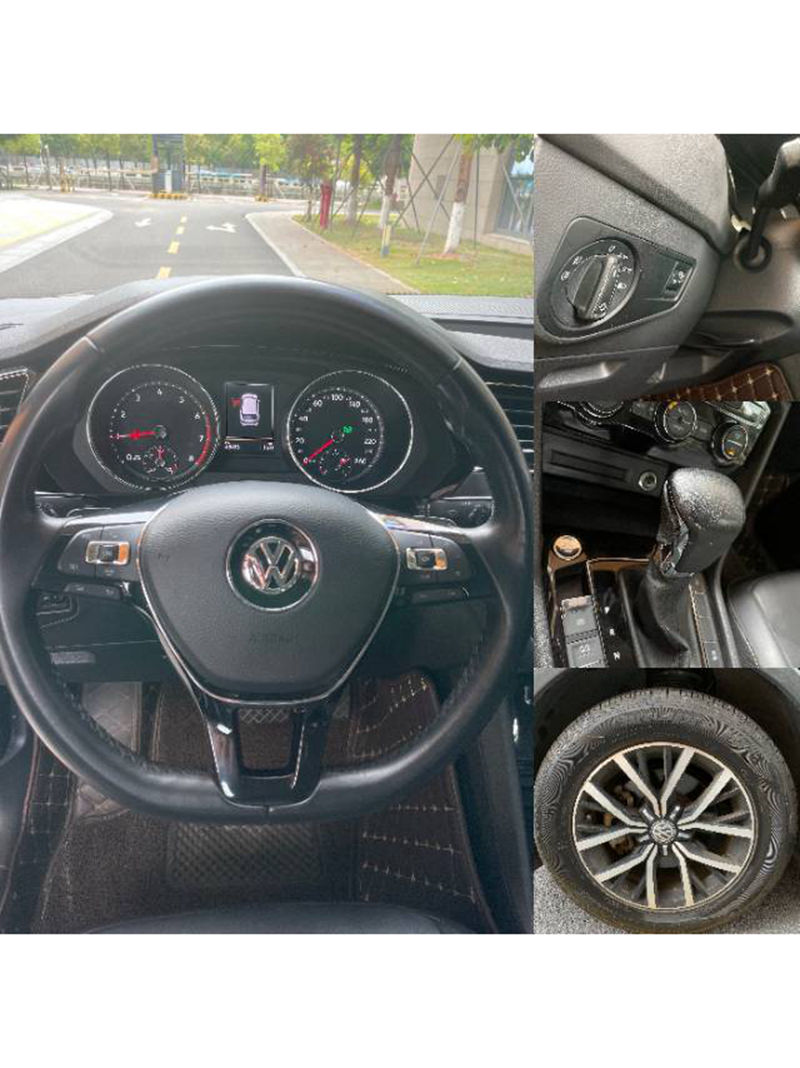
Independent pre-shipment inspections can provide additional protection for overseas dealers purchasing multiple vehicles. A practical assessment records bodywork damage, paint condition, tyre wear, dashboard warnings, mechanical operation, accident repairs and evidence of flood damage. Electric vehicles require additional checks where available, including battery state of health, charging operation, diagnostic fault codes and evidence of battery damage. Photographs, mileage records and signed inspection findings help establish the condition of each vehicle before dispatch. For preowned car lots buying in bulk, consistent inspection criteria make it easier to compare suppliers, estimate refurbishment costs and manage customer expectations after arrival.
Import Compliance, Duties and Market-Specific Requirements
Chinese export clearance does not guarantee admission into the destination country. Importers must independently verify local restrictions covering vehicle age, steering position, emissions, safety equipment, roadworthiness, salvage status and permissible powertrain types. Some jurisdictions require pre-shipment inspection by an approved organisation, while others impose homologation, conformity assessment or registration checks after arrival. Import duties, value added tax, excise charges and port fees can materially affect the landed cost. Used vehicle age limits and import permits may also differ between neighbouring markets, so dealers should obtain written confirmation from local customs agents before purchasing stock.
Electric and hybrid vehicles deserve particular scrutiny because battery transport, electrical safety and charging compatibility may be subject to additional requirements. Buyers should verify the correct tariff classification, applicable dangerous goods rules for damaged or defective batteries, and any documentation required by the carrier. Battery-related shipping restrictions depend on the battery’s condition and the transport method, so a standard vehicle booking should not be assumed to cover every circumstance. Importers should also check whether charging connectors, software functions and vehicle connectivity services are supported locally.
Reliable Export Partnerships and Landed Cost Control
For international dealers, the strongest sourcing strategy combines verified vehicle condition with transparent documentation and realistic logistics planning. A written purchase agreement should define the vehicle specification, inspection standard, payment milestones, responsibility for export charges and remedies for material discrepancies. The parties should agree on the delivery term under the chosen Incoterms rules and specify who arranges insurance, freight, export clearance and destination formalities. Clear allocation of responsibilities reduces disputes when schedules change or customs requests additional evidence.
Preowned car lots can build repeatable supply chains by maintaining a document checklist for every vehicle, checking destination requirements before purchase and retaining copies of invoices, inspection certificates and shipping records. Working with experienced Chinese exporters and customs brokers helps identify paperwork gaps early, while reliable freight partners provide better visibility over port handling and sailing schedules. These measures are especially valuable for mixed shipments containing conventional vehicles and electric models, since each category may present different technical and compliance considerations. Careful preparation enables overseas buyers to calculate landed costs more accurately, protect inventory quality and expand their Chinese vehicle sourcing programmes with fewer avoidable delays.
“,
“tags”: [
“Chinese used cars”,
“vehicle export customs”,
“preowned car lots”,
“export documentation”,
“vehicle inspection”
]
}