
“content_html”: “
China’s Used Electric Vehicle Export Market Below $5,000
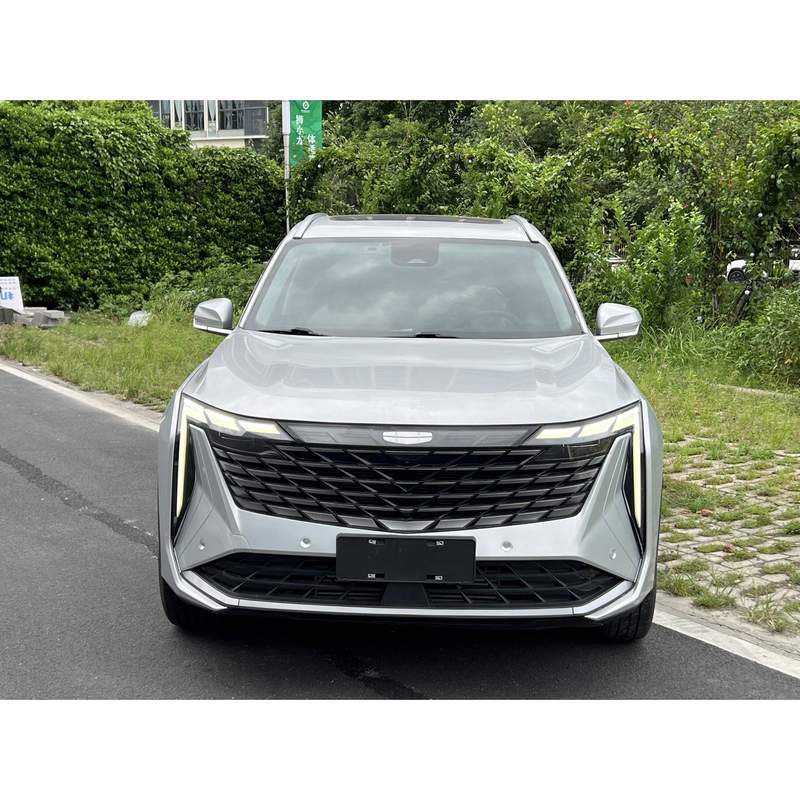
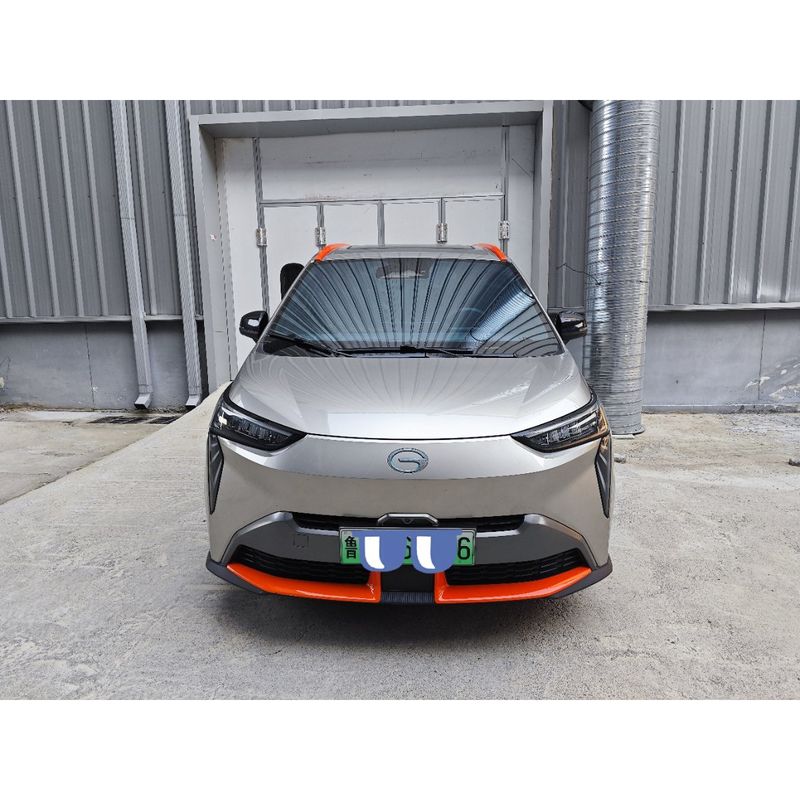
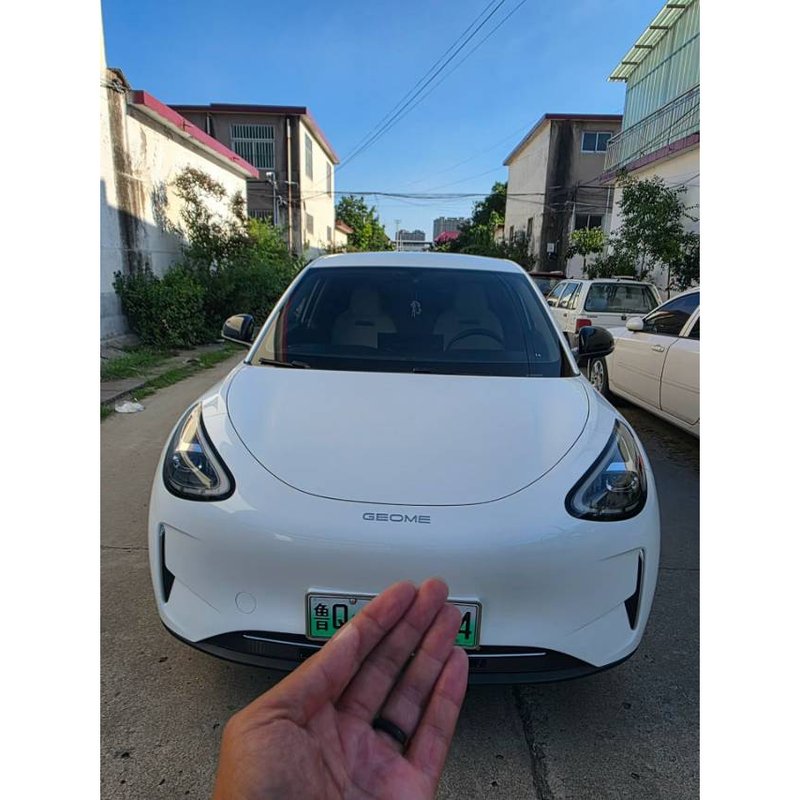
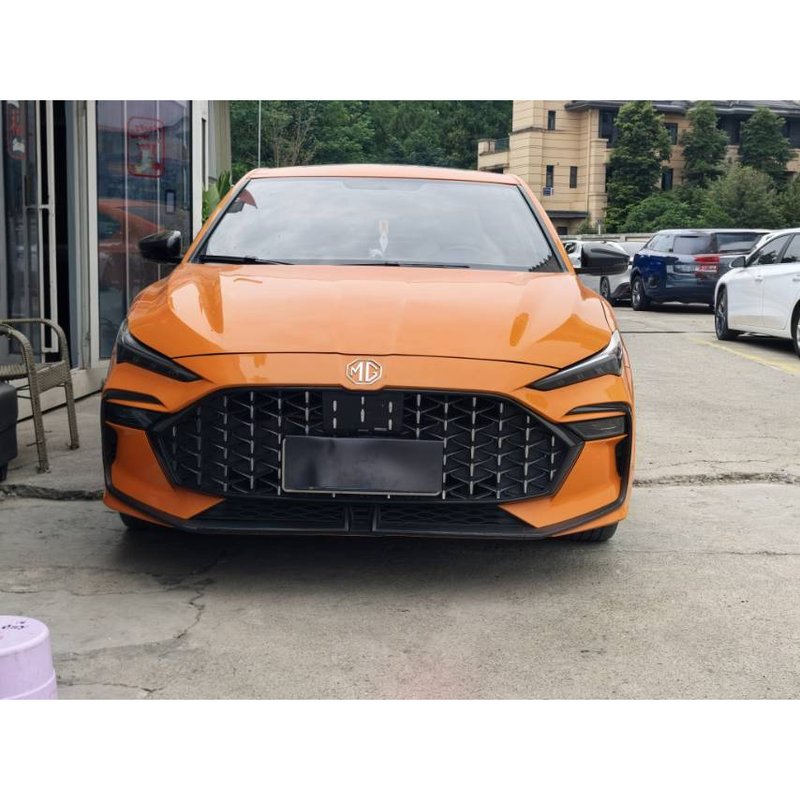
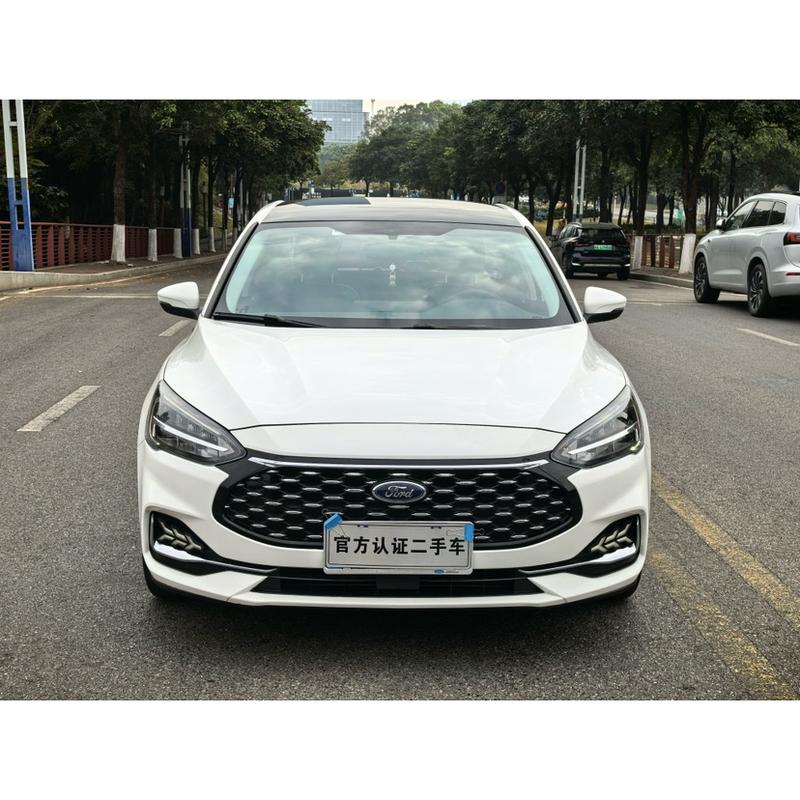
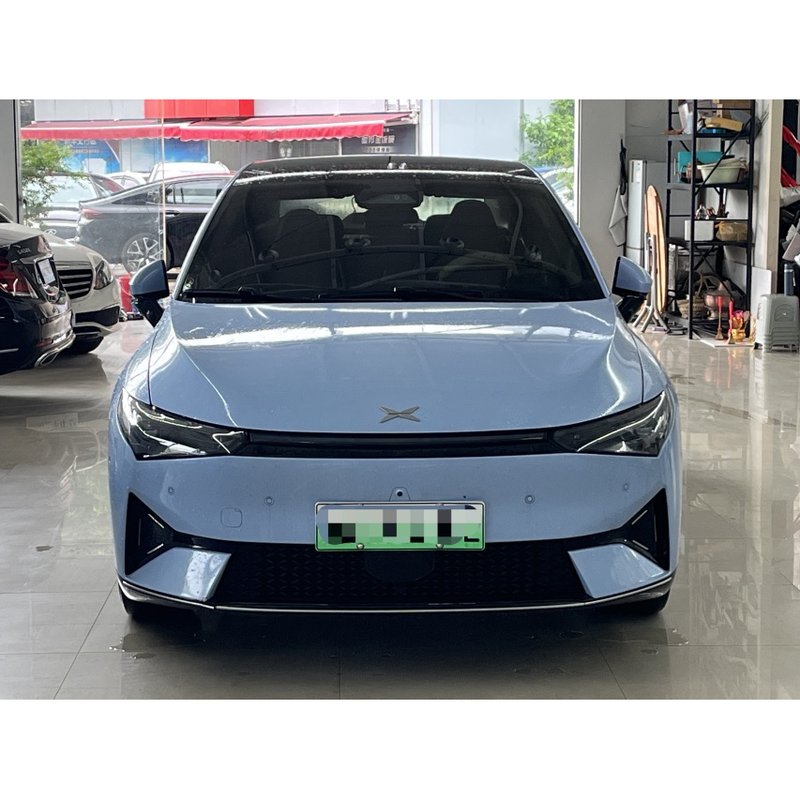
China has become a major centre for electric vehicle manufacturing, supported by established battery suppliers, large scale production facilities and an extensive domestic used car market. For international buyers, used autos under $5000 present an opportunity to source affordable electric transport for price sensitive customers, fleet operators and regional vehicle distributors. Although not every used electric vehicle falls within this budget, selected compact models, older production years and high mileage examples can meet the target price, depending on battery condition, specification and export costs.
Chinese exporters can source vehicles through established auction channels, dealer networks and fleet replacement programmes. Guangzhou, Shenzhen and other manufacturing and trading centres offer access to a broad range of electric vehicles, while the port of Nansha provides an important logistics gateway for international shipments. Buyers should distinguish the vehicle purchase price from the complete landed cost, which may include inspection, inland transport, export documentation, ocean freight, customs duties, taxes and local registration fees.
Battery Technology and Driving Range
Battery condition is one of the most important factors affecting the value of a used electric vehicle. Chinese manufacturers have adopted lithium iron phosphate batteries and nickel manganese cobalt battery chemistries across different models and price segments. Lithium iron phosphate batteries are particularly attractive for budget focused applications because of their thermal stability, durability and suitability for regular charging. Nickel manganese cobalt batteries can offer higher energy density, although their condition and remaining capacity must be assessed carefully before export.
A professional inspection should include a battery management system report, state of health assessment, diagnostic fault checks and a review of charging history where available. Buyers should also request evidence of the battery’s usable capacity rather than relying solely on the original factory specification. Depending on model, battery size, age, driving conditions and climate, an older compact electric car may deliver approximately 100 to 250 kilometres of practical driving range per charge. Hot climates, heavy loads, high speeds and battery degradation can reduce this figure, making realistic range estimates essential for overseas customers.
Charging Compatibility Across International Markets
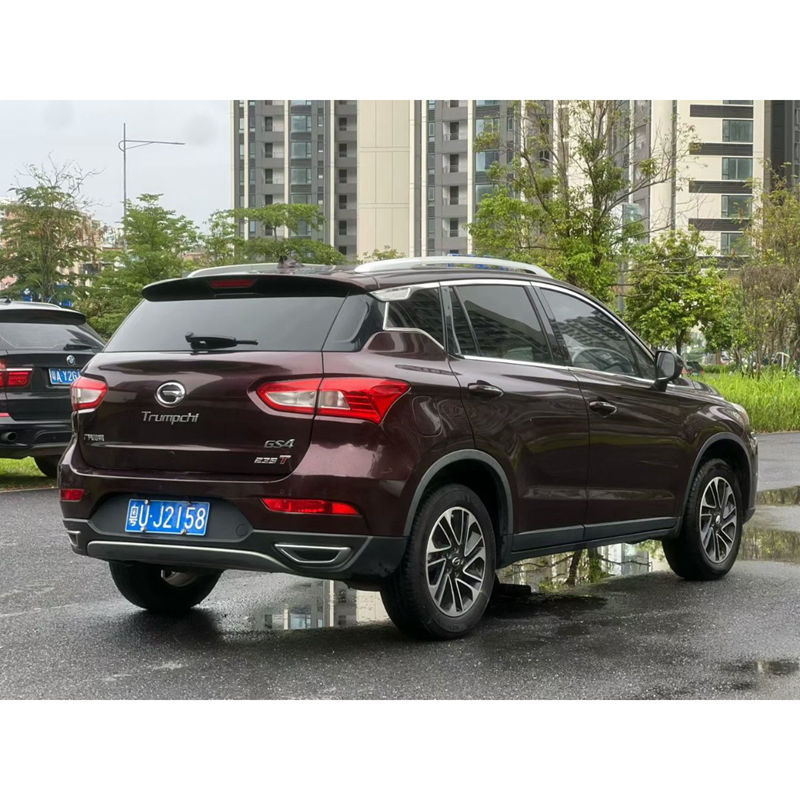
Charging compatibility requires careful attention before a vehicle leaves China. Many Chinese electric vehicles use GB/T charging connectors, while overseas markets may rely on Type 2, CCS2, CCS1 or CHAdeMO standards. An apparently attractive vehicle can become difficult to sell if local charging infrastructure cannot support its connector or charging protocol. Exporters should confirm the exact AC and DC charging specifications, onboard charger capacity, voltage requirements and availability of approved adapters for each model.
Electrical supply also affects the ownership experience. Some vehicles support single phase AC charging, while others offer three phase charging or direct current fast charging. Buyers should verify whether the supplied charging equipment is compatible with local electrical standards and whether public charging networks recognise the vehicle. In markets with limited public infrastructure, compact electric vehicles with modest battery capacities can still suit households, short distance commuting, delivery services and commercial operations where overnight charging is available.
Cost Advantages and Vehicle Quality Control
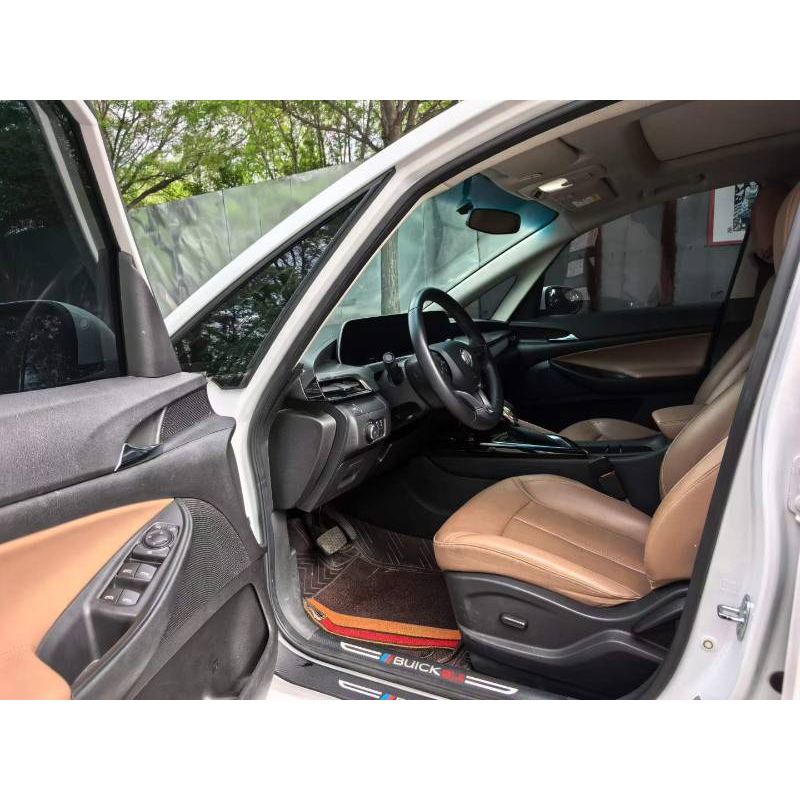
The principal attraction of Chinese used electric vehicles is affordability. Domestic competition, high production volumes and rapid model development have created a substantial supply of pre owned vehicles. Buyers may find older electric hatchbacks, compact city cars and selected small sedans at competitive prices, particularly when purchasing several units for resale. Compared with many imported petrol vehicles, electric cars can also reduce routine servicing requirements because they have fewer conventional engine components, no engine oil changes and less brake wear under regenerative braking. Actual savings depend on electricity tariffs, repair costs, insurance and local operating conditions.
Price alone should never determine an export purchase. Vehicle identification numbers, ownership records, accident history, odometer readings, structural repairs, tyre condition, suspension components and electronic systems should be checked before shipment. Battery damage, flood exposure and unresolved high voltage faults can create expensive problems after arrival. A documented pre export inspection, clear photographs, diagnostic records and an agreed vehicle condition report help overseas dealers assess risk. Exporters should also verify eligibility under current Chinese export requirements and the destination country’s import, emissions, safety and registration rules.
Overseas Markets and Commercial Opportunities
Demand for affordable electric mobility varies by market, but opportunities exist in parts of Southeast Asia, Africa, the Middle East and Latin America. Urban customers may favour small electric cars for commuting and local business use, while fleet operators can benefit from predictable daily routes and lower routine maintenance requirements. Markets with growing charging infrastructure and supportive electric vehicle policies may offer stronger long term prospects. However, import duties, foreign exchange movements, road conditions, climate and access to spare parts can significantly influence resale potential.
For international distributors, the strongest opportunity lies in matching vehicle specifications to local purchasing power and operating needs. Compact models with verified battery health, practical driving range and compatible charging systems are generally easier to position than vehicles selected purely for their low auction price. Before ordering used autos under $5000, importers should calculate landed cost per unit, confirm local registration eligibility and establish a plan for diagnostic support, replacement parts and warranty claims. Working with an experienced China export specialist can improve sourcing transparency, coordinate shipping through Guangzhou Nansha Port and help dealers build a dependable supply of affordable electric vehicles for their target customers.
“,
“tags”: [“Chinese EV exports”, “used electric cars”, “budget electric vehicles”, “EV battery health”, “automotive export”]
}


