



“content_html”: “
Vehicle Photography Sets Clear Expectations for Overseas Buyers
For international vehicle traders, purchasing a pre owned car 2024 without a physical inspection involves a degree of uncertainty. Buyers must assess exterior condition, interior wear, mechanical indicators and potential repair requirements from a distance. High quality vehicle photography helps bridge this gap by providing clear, consistent visual evidence before a transaction proceeds. For export specialists, professional images are not simply a marketing asset. They form part of the vehicle’s condition record and support informed purchasing decisions.
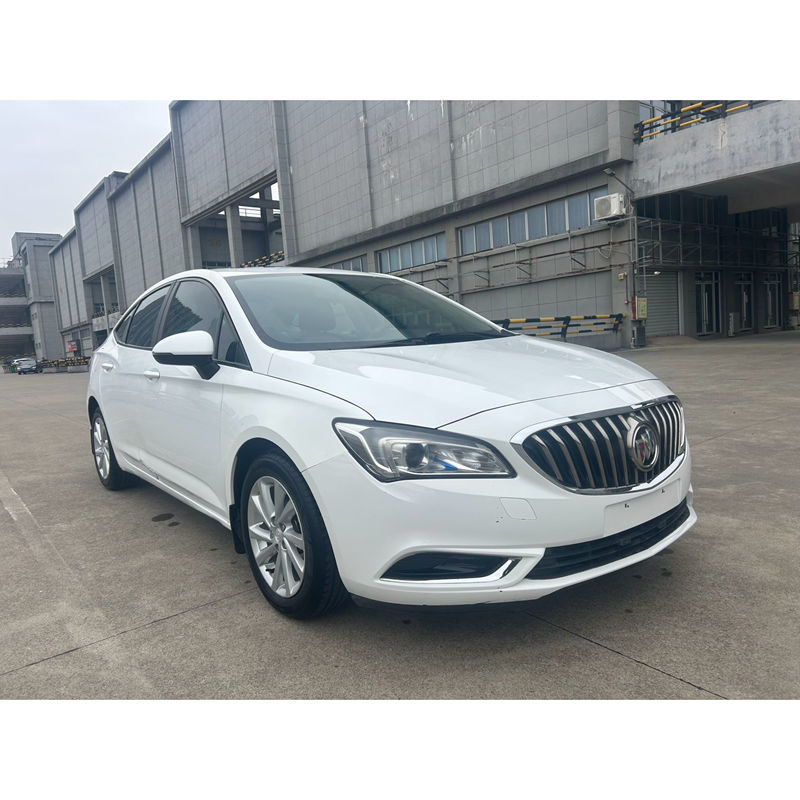
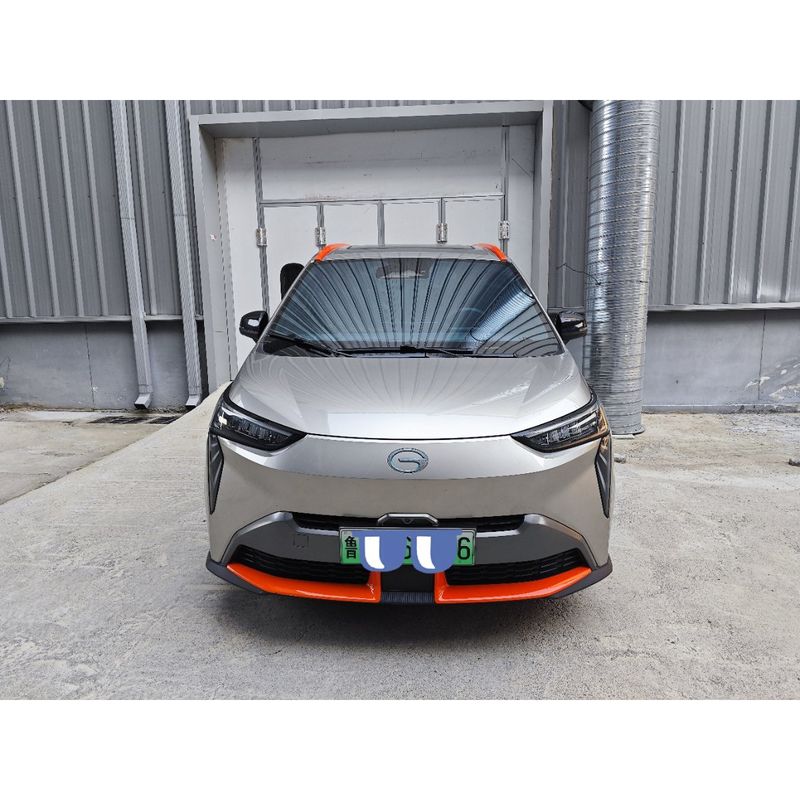
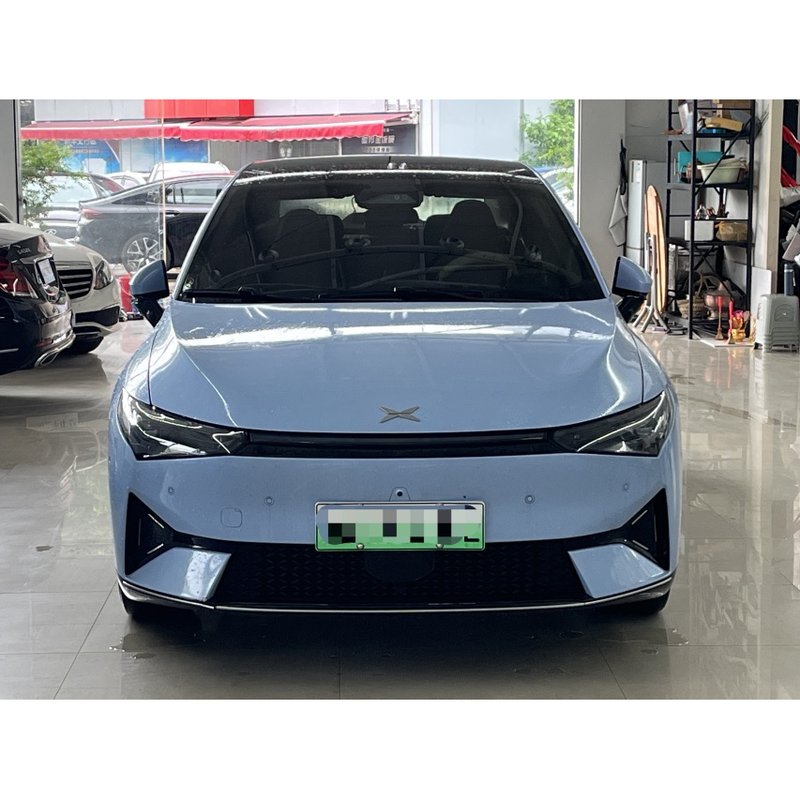
Effective automotive photography begins with preparation. The vehicle should be cleaned, parked in an area with even lighting and positioned against a background that does not distract from its condition. Photographers should capture the front, rear, both sides and all four corners, allowing overseas buyers to assess body alignment, paint consistency and visible damage. Photographs should represent the vehicle accurately rather than conceal imperfections through flattering angles or excessive editing. This straightforward approach helps establish realistic expectations and reduces disagreements after delivery.
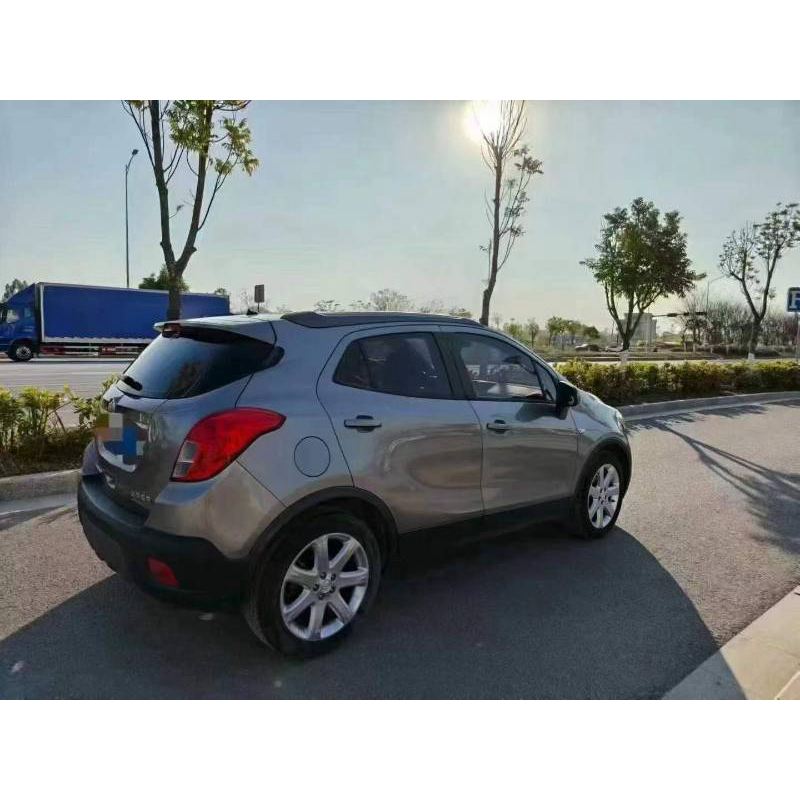
Exterior Details Reveal Condition and Potential Repair Costs
Wide exterior photographs establish the vehicle’s overall appearance, but detailed images provide the evidence professional buyers need for valuation. Close ups of bumpers, door edges, wheel arches, alloy wheels, windscreens and headlamp lenses can reveal scratches, stone chips, corrosion and previous repairs. Images of panel gaps may also help buyers identify possible alignment irregularities. Consistent framing and adequate resolution allow importers to compare multiple vehicles without relying solely on written descriptions.
Lighting requires particular attention when documenting paintwork. Harsh sunlight can create reflections that obscure dents, while deep shadows may conceal surface defects. Diffused daylight or controlled workshop lighting generally produces more reliable results. For a pre owned car 2024 intended for export, photographs should also document the roof, lower bodywork and other areas that may be overlooked in conventional sales images. Any visible damage should be photographed from both a wider angle and a closer perspective. Buyers can then understand the defect’s location, scale and likely relevance to refurbishment costs.
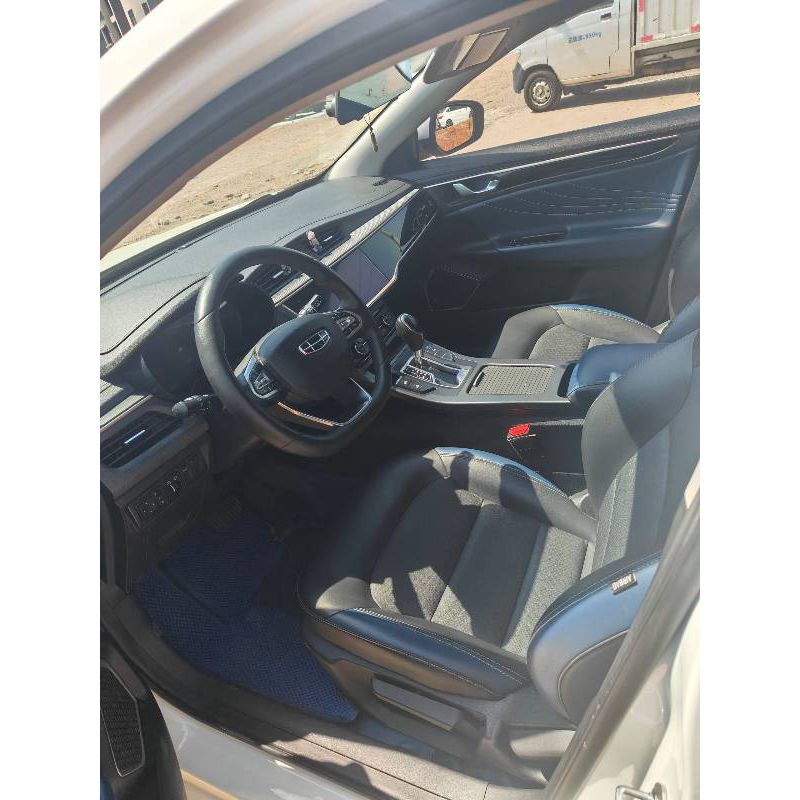
Interior Photography Demonstrates Wear and Equipment Condition
Interior images help overseas dealers evaluate how a vehicle has been used and whether its specification matches the advertised description. Clear photographs of the front seats, rear seats, dashboard, steering wheel, door trims, boot and headlining reveal wear that exterior images cannot show. Stains, torn upholstery, damaged switches and worn steering wheel surfaces may influence the expected resale price. Photographing these areas honestly enables buyers to estimate preparation costs before committing to an order.
Instrument cluster images are equally valuable because they document displayed mileage and warning indicators at the time of photography. The odometer reading should be recorded clearly, without implying that a photograph independently verifies mileage history. Additional images can show the infotainment system, climate controls, charging equipment and other important features. For electric vehicles, photographs of the charging port, supplied cables and battery information displayed by the vehicle can provide useful supporting evidence. Accurate specification photography is particularly important for export markets where equipment expectations, charging standards and consumer preferences differ.
Inspection Videos Add Context That Still Images Cannot Provide
High quality photographs offer detailed reference points, while inspection videos demonstrate the vehicle as a continuous subject. A well planned walkaround should move slowly around the exterior, pause at damaged areas and show the cabin, boot and engine compartment where appropriate. Stable camera movement, clear focus and natural lighting make it easier for buyers to follow the inspection. Brief footage of the engine starting, dashboard illuminating and relevant electrical systems operating can provide additional context, provided these checks are genuinely performed and accurately described.
Videos should complement, rather than replace, a structured inspection report. An exterior walkaround cannot establish the condition of internal engine components, transmission performance under load or hidden structural damage. Similarly, an electric vehicle battery cannot be judged reliably from its appearance alone. Export professionals should distinguish visible observations from verified test results and arrange appropriate diagnostic checks when required. Battery state of health, diagnostic fault codes and charging performance should be reported using suitable testing methods, with supporting records where available. This distinction protects buyer confidence by preventing visual evidence from being presented as proof of mechanical condition.
Consistent Visual Standards Improve B2B Export Transactions
For exporters managing stock across multiple suppliers or inspection sites, standardised photography creates a more dependable buying process. Each vehicle should follow the same sequence of exterior views, interior details, identification information and documented defects. Files should be labelled with the correct stock reference and linked to the corresponding inspection report. Exporters should also protect personal information by avoiding unnecessary images of registration documents, previous owners’ belongings or identifying details that do not need to be shared. Clear file management reduces confusion when overseas dealers review several vehicles simultaneously.
Reliable visual records can support faster quotations, more accurate stock selection and fewer condition-related disputes. They also help overseas dealers communicate vehicle details to their own customers before the car arrives. For a pre owned car 2024, a transparent presentation of mileage, visible wear, equipment and inspection findings gives buyers a stronger basis for comparing prices and estimating landed costs. Professional photography does not eliminate every uncertainty associated with cross-border vehicle trading, but it makes the available evidence easier to assess. When images, inspection videos and written reports consistently describe the same vehicle, exporters demonstrate professional accountability and give international buyers greater confidence in the purchase decision.
“,
“tags”: [“used car export”, “vehicle photography”, “pre owned car 2024”, “vehicle inspection”, “B2B automotive”]
}