


“content_html”: “
Global Demand for Volvo Nearly New Cars
International demand for Chinese used vehicles is expanding as overseas dealers seek competitively priced stock, modern specifications and reliable supply chains. Within this market, volvo nearly new cars appeal to buyers who value Scandinavian design, advanced safety equipment, refined interiors and practical performance. Vehicles with low mileage, documented servicing and limited previous use can offer an attractive alternative to new premium models, particularly in markets where import costs place pressure on retail prices. For exporters, commercial success depends on matching vehicle specifications, ownership costs and local regulations to the requirements of individual destinations.
China’s automotive market provides a broad selection of SUVs, electric vehicles, commercial vehicles and premium passenger cars. SUVs remain relevant to customers in the Middle East, Africa and parts of Central Asia, where ground clearance, cabin space and long-distance comfort influence purchasing decisions. Electric vehicles attract attention in markets with suitable charging infrastructure, while petrol and hybrid models remain practical where charging access is limited. Volvo models can serve buyers seeking premium family transport, although demand varies according to local brand recognition, parts availability, taxation and resale values. Exporters should therefore assess each destination separately rather than assume that popularity in China guarantees overseas sales.
Regional Preferences and Export Opportunities
Market requirements differ considerably across Africa, the Middle East, Southeast Asia, Latin America and neighbouring Asian markets. In parts of Africa, buyers frequently prioritise affordability, mechanical durability, ground clearance and access to reasonably priced replacement parts. Popular Japanese and Korean models often compete strongly in these categories, while Chinese vehicles can appeal through their equipment levels and purchase prices. SUVs and light commercial vehicles may suit customers who need flexible passenger capacity or practical transport for business use. For premium used vehicles, a transparent maintenance record and evidence of careful ownership can help reduce concerns about long-term repair expenditure.
In the Middle East, larger SUVs and luxury vehicles can attract buyers who value strong air conditioning, comfortable interiors and performance in hot conditions. However, inspection teams must pay particular attention to cooling systems, tyres, battery condition and evidence of overheating. Southeast Asian buyers may favour compact SUVs, fuel-efficient passenger cars and selected electric models, depending on import rules and charging availability. In markets across Central Asia, vehicle suitability can depend on cold-weather starting, heating performance, suspension condition and access to service facilities. Commercial vehicles require additional assessment of payload suitability, drivetrain condition and expected operating costs. These regional differences should inform stock selection before an exporter commits capital to a shipment.
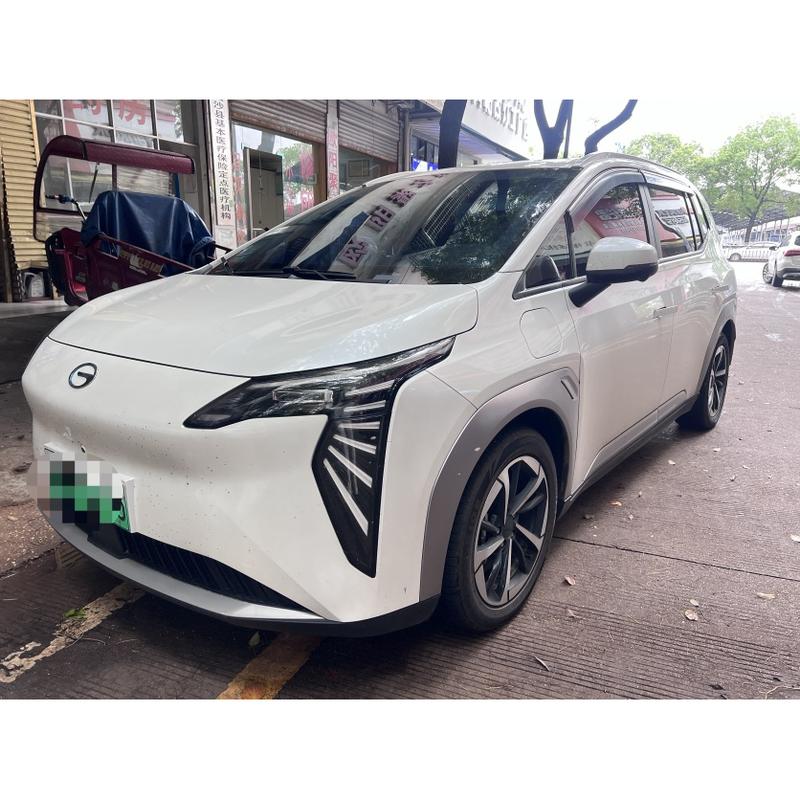
Mechanical Inspection Before Export
A thorough pre-export inspection should establish the vehicle’s actual condition rather than rely solely on its age or advertised mileage. The inspection engineer should verify the vehicle identification number, registration documents, ownership history and service records, then compare the recorded mileage with available maintenance evidence and signs of wear. The engine should be checked for abnormal noise, oil leaks, coolant contamination and irregular operation. Inspectors should examine the transmission for delayed engagement, harsh shifts or unusual vibration, while the cooling system should be tested for leaks and stable operating temperature. Brake discs, pads, steering components, suspension joints, wheel bearings and tyres also require close attention. A road test, where safe and permitted, can reveal faults that a stationary inspection may miss.
Bodywork and structural condition are equally important. Inspectors should look for inconsistent paint thickness, uneven panel gaps, corrosion, repaired structural sections and evidence of previous collision damage. The underbody deserves particular attention because concealed repairs and fluid leaks can be difficult to identify from exterior photographs. Diagnostic equipment can retrieve fault codes from electronic control units and help identify persistent problems with engine management, airbags, driver assistance systems and other components. Fault codes should be investigated rather than simply cleared. A professional inspection report should include dated photographs, mileage readings, identified defects and recommended repairs, giving overseas dealers a clearer basis for pricing and acceptance decisions.
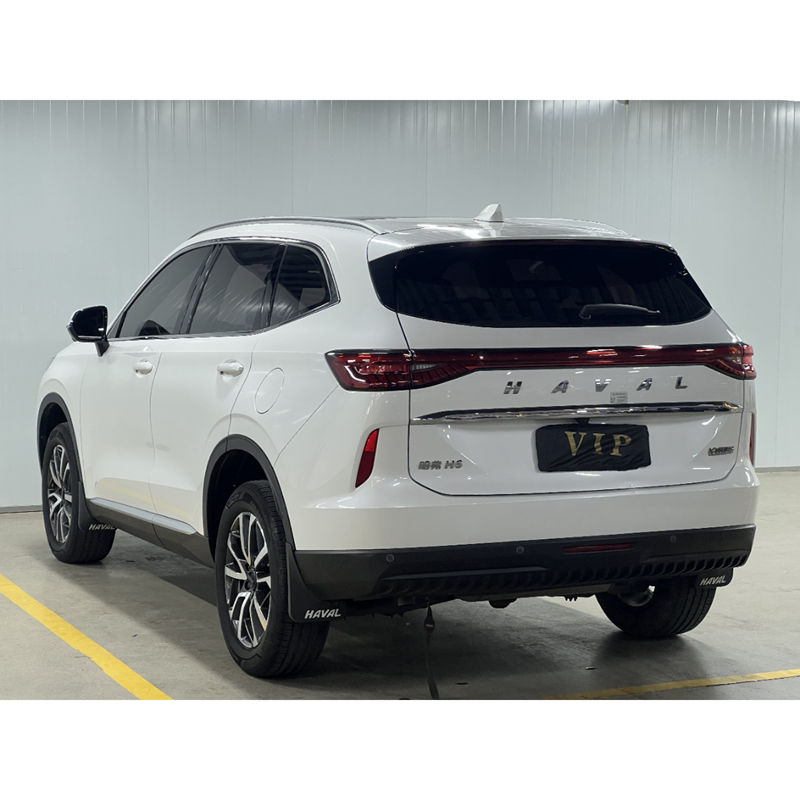
Electric Vehicle Battery and Electronic System Checks
Electric vehicles require a different inspection process because battery condition can materially affect driving range, resale value and future ownership costs. The technician should obtain a battery health assessment where the manufacturer and diagnostic equipment permit it, check for stored battery management system faults and examine charging performance. The high-voltage battery enclosure, cooling arrangements, connectors and charging port should be inspected for visible damage or signs of moisture ingress by appropriately trained personnel. The report should distinguish measured battery health from the manufacturer’s original specification and avoid presenting an estimated range as a guaranteed result. Charging compatibility, connector standards and local electrical infrastructure must also be considered before selecting vehicles for export.
For volvo nearly new cars with hybrid or fully electric powertrains, exporters should verify the operation of regenerative braking, charging functions, driver assistance features, infotainment systems and climate control. Software versions, connected services and navigation functions may differ between domestic Chinese specifications and the needs of overseas customers. Certain online features may require regional activation or may not be available after export. These details should be disclosed before purchase agreements are finalised. Battery warranty transferability and access to authorised servicing must also be confirmed rather than assumed, particularly where the destination market has limited technical support for electrified vehicles.
Export Preparation, Compliance and Dealer Confidence
After inspection, the exporter should complete agreed repairs, replace unsuitable consumables and carry out a final quality check before arranging shipment. Vehicle preparation includes cleaning, checking fluid levels, securing loose accessories and recording the final odometer reading. Documentation should be reviewed for consistency across the invoice, vehicle identification details, ownership records and export declarations. Import duties, age restrictions, emissions standards, roadworthiness requirements and vehicle registration rules vary by destination, so compliance checks should take place before shipping. Guangzhou Nansha Port can support export logistics, but booking arrangements, customs documentation, shipping schedules and cargo insurance must be coordinated with the relevant service providers.
For international dealers, the strongest supplier relationships are built on accurate descriptions, verifiable inspection evidence and clear communication about defects. Exporters should provide consistent photographs of the exterior, interior, engine compartment, tyres, dashboard and any repaired areas, alongside a detailed condition report. Pricing should reflect specification, mileage, mechanical condition, expected reconditioning costs and destination-specific taxes. With careful market selection and disciplined technical checks, Chinese used vehicles can serve a range of international customer segments. Volvo nearly new cars are particularly suited to a sales approach that emphasises documented history, premium comfort, safety equipment and realistic ownership costs, helping overseas partners assess each vehicle on evidence rather than appearance alone.
“,
“tags”: [
“Volvo nearly new cars”,
“Chinese used car exports”,
“vehicle mechanical inspection”,
“electric vehicle battery”,
“automotive export logistics”
]
}