

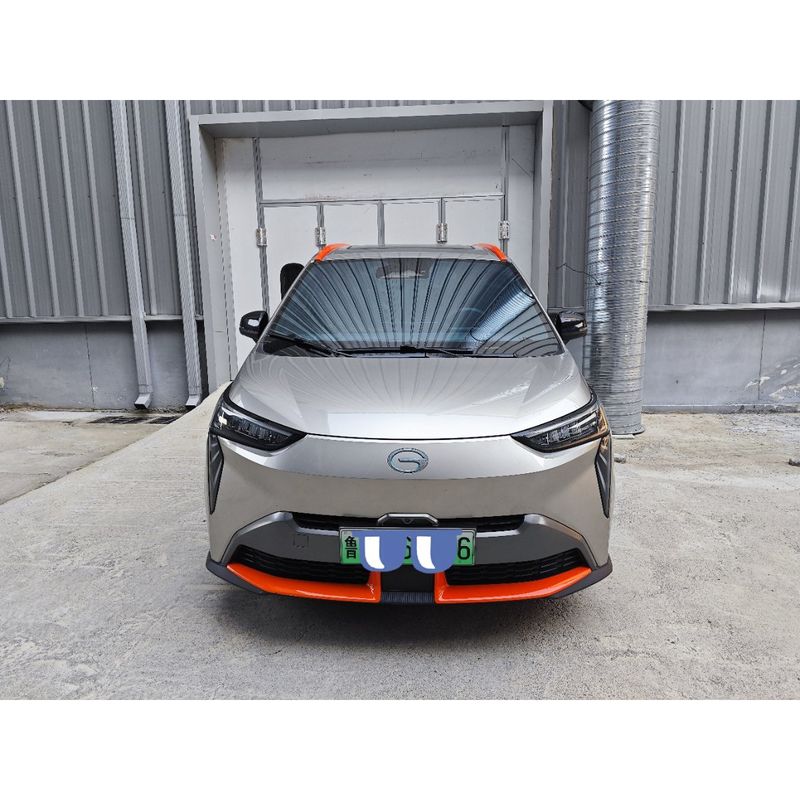


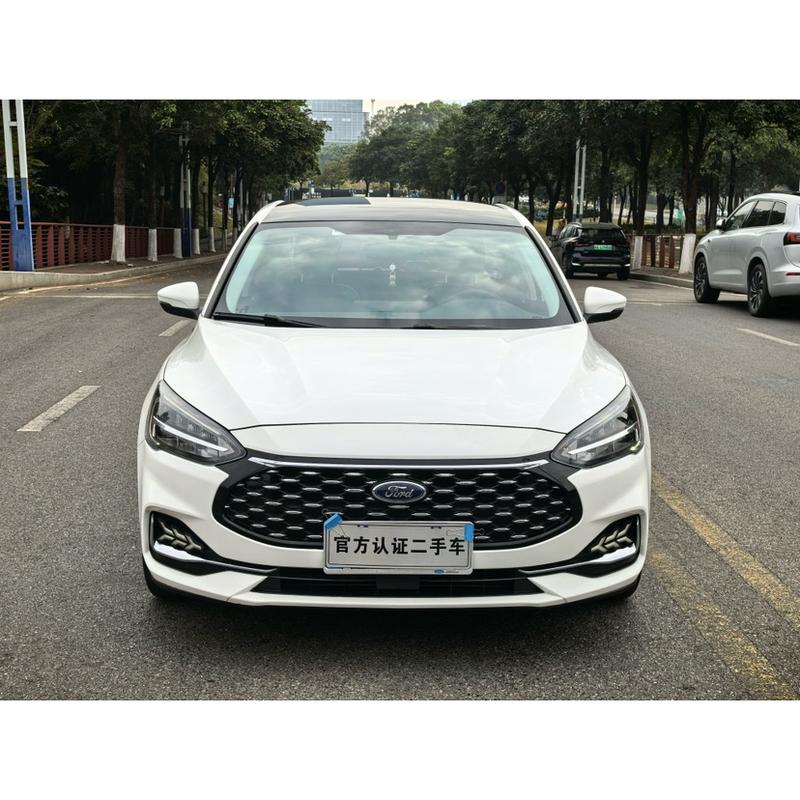
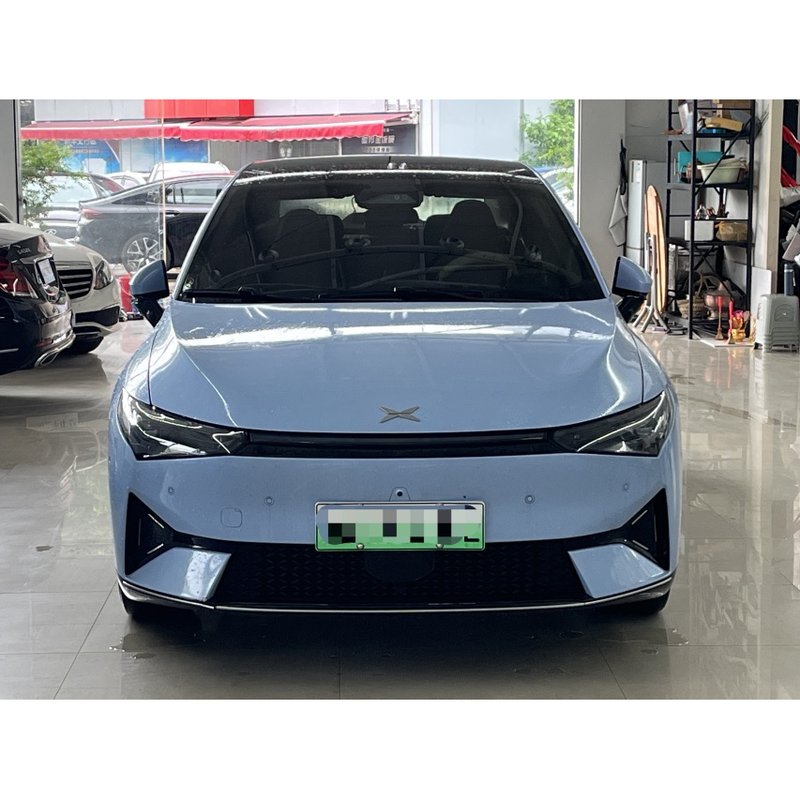
Quality Standards for Export Ready Used Vehicles
As a quality control manager responsible for international vehicle exports from China, the selection of reliable used cars begins with strict standards rather than simple market availability. Overseas dealers require vehicles that can deliver predictable ownership experiences, reduce warranty disputes and protect their reputation in competitive markets. A professional inspection process must assess mechanical condition, safety performance, documentation accuracy and long term maintenance potential before any vehicle enters export inventory.
Many successful exporters now apply a system similar to cpo program cars standards, where each vehicle is treated as a certified product rather than an ordinary used unit. This approach requires detailed checks of vehicle history, previous ownership records, accident information, service records and mileage authenticity. Cars with unclear backgrounds, inconsistent documents or signs of major repairs are removed before they create risks for international buyers.
Inspection Procedures Before International Shipment
A complete inspection begins with exterior and structural assessment. Technicians examine the body panels, chassis alignment, paint consistency and signs of collision repair. Measurements of paint thickness help identify hidden repairs, while underbody inspections reveal corrosion, welding marks or previous damage that may affect vehicle safety. Export quality vehicles should maintain factory standards for structural integrity and appearance.
The mechanical inspection focuses on engine performance, transmission operation, braking systems, suspension components and electrical functions. For new energy vehicles, battery health evaluation has become a key requirement. Battery capacity retention, charging performance, thermal management systems and diagnostic reports must be reviewed carefully. Electric vehicles with abnormal battery degradation, charging faults or unclear battery history should not be approved for overseas delivery.
Evaluation Criteria for Smarter Dealer Inventory
Overseas dealers need inventory strategies based on customer demand, reliability data and local regulations. A vehicle that appears affordable at purchase stage may become expensive if it requires frequent repairs after arrival. Quality teams therefore evaluate total ownership value, including spare parts availability, service network support and expected resale performance in the target market.
Vehicle selection should consider model popularity, specification suitability and climate conditions. Cars exported to different regions may require different configurations, such as left hand drive compatibility, battery cooling capability or specific emissions compliance. A well managed inventory contains vehicles with strong market acceptance rather than a large quantity of unsuitable stock. This improves turnover speed and reduces storage costs at logistics facilities such as Guangzhou Nansha Port.
Rejection Standards That Protect Export Quality
Strict rejection rules are essential for maintaining trust between Chinese exporters and overseas distributors. Vehicles with serious accident history, flood damage, fire damage, odometer manipulation or major structural repairs should be excluded immediately. Cosmetic issues can often be corrected, but safety related defects create unacceptable risks during international sales.
Quality control teams also reject vehicles with unstable mechanical performance, incomplete maintenance records, failed diagnostic tests or excessive wear that does not match the expected vehicle age. For electric vehicles, battery warning signals, abnormal charging behaviour and significant capacity loss are important rejection factors. A transparent rejection process ensures that only dependable vehicles reach overseas partners.
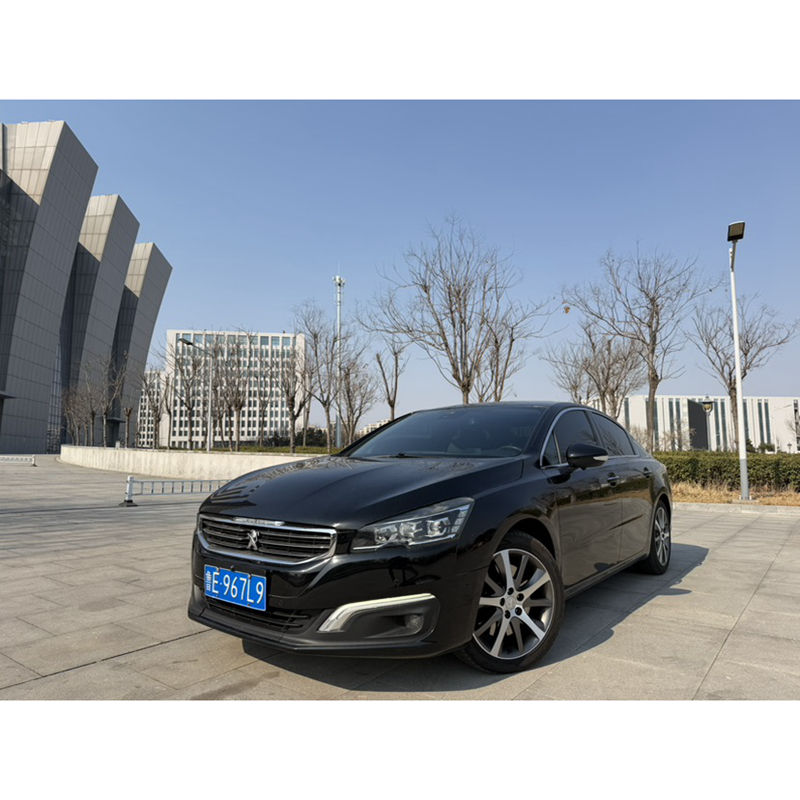
Building Reliable Export Partnerships Through Certification
Certification systems help exporters communicate vehicle quality clearly to international dealers. Detailed inspection reports, vehicle photographs, diagnostic records and preparation documents allow buyers to understand the condition before shipment. This level of transparency is especially valuable for overseas dealers who cannot physically inspect every vehicle before purchase.
Applying certified used vehicle principles similar to cpo program cars helps create a stronger export supply chain. Dealers gain confidence because each vehicle has passed defined inspection stages and preparation procedures. Exporters also benefit from fewer complaints, stronger repeat business and improved brand recognition in global automotive markets.
Vehicle Preparation and Long Term Market Support
Quality management does not end after inspection approval. Before shipping, vehicles require professional preparation including cleaning, maintenance checks, software updates where applicable and secure logistics handling. Automotive photography specialists should provide accurate images that represent the actual vehicle condition, allowing overseas buyers to make informed decisions.
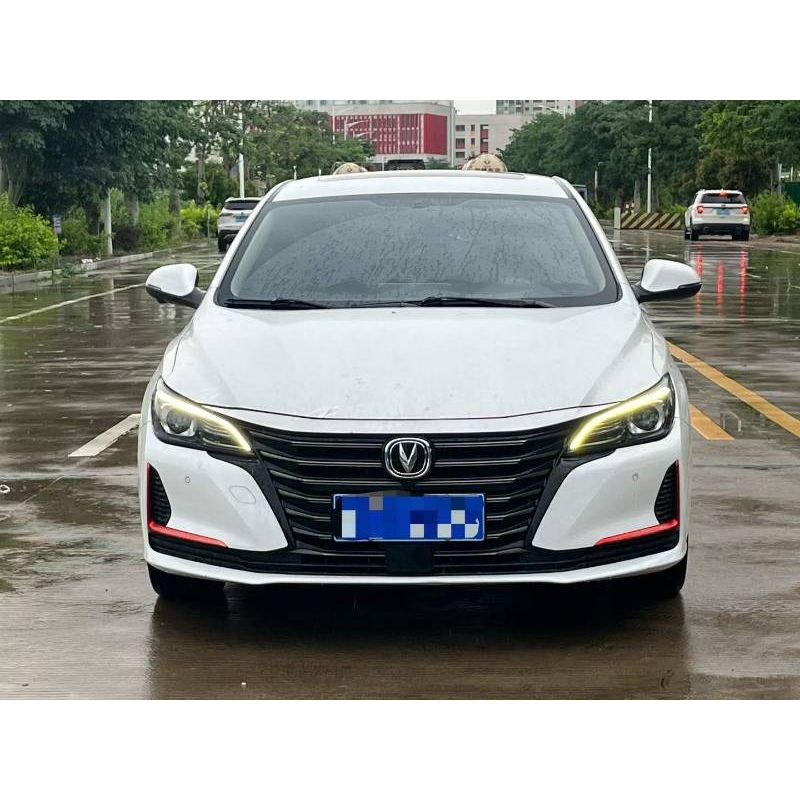
After delivery, exporters should maintain communication with overseas dealers to collect feedback about vehicle performance and customer expectations. Market data from different regions can improve future purchasing decisions and help quality teams adjust selection criteria. A disciplined approach to inspection, evaluation and preparation creates a dependable export pipeline where used vehicles meet international standards and support sustainable dealer growth.


