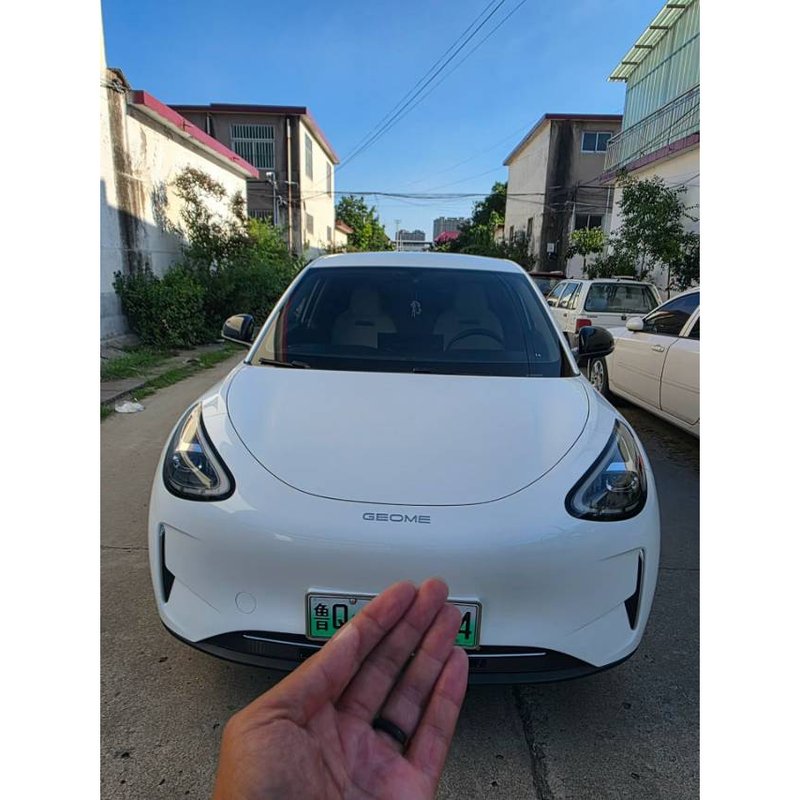
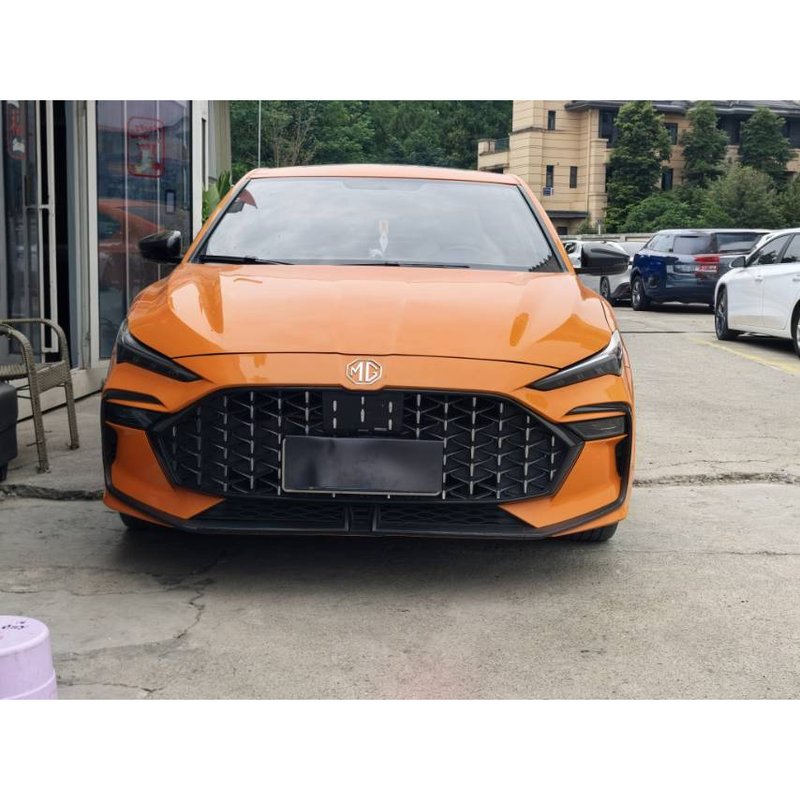
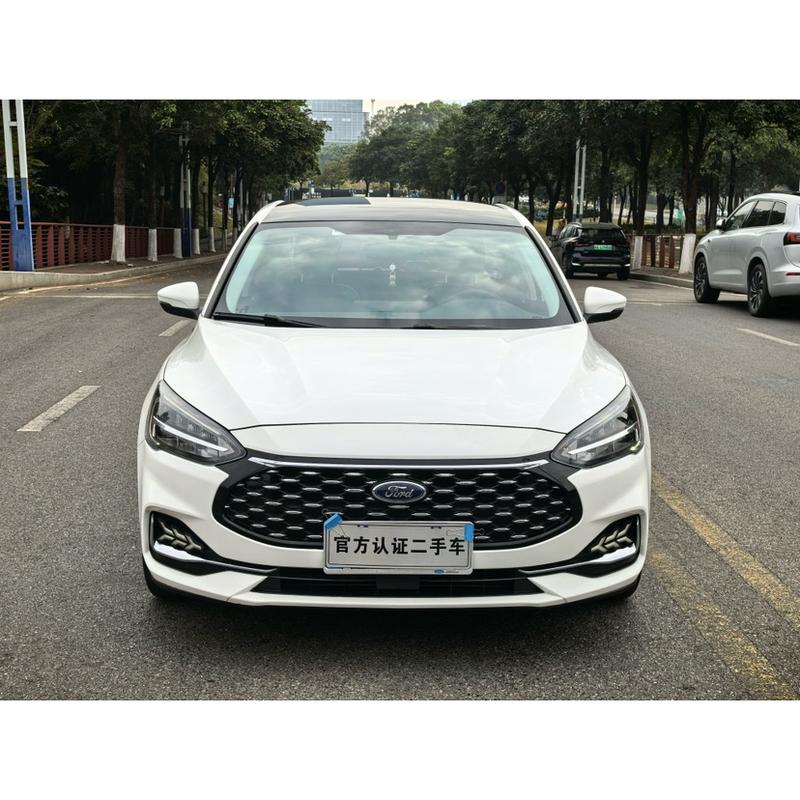
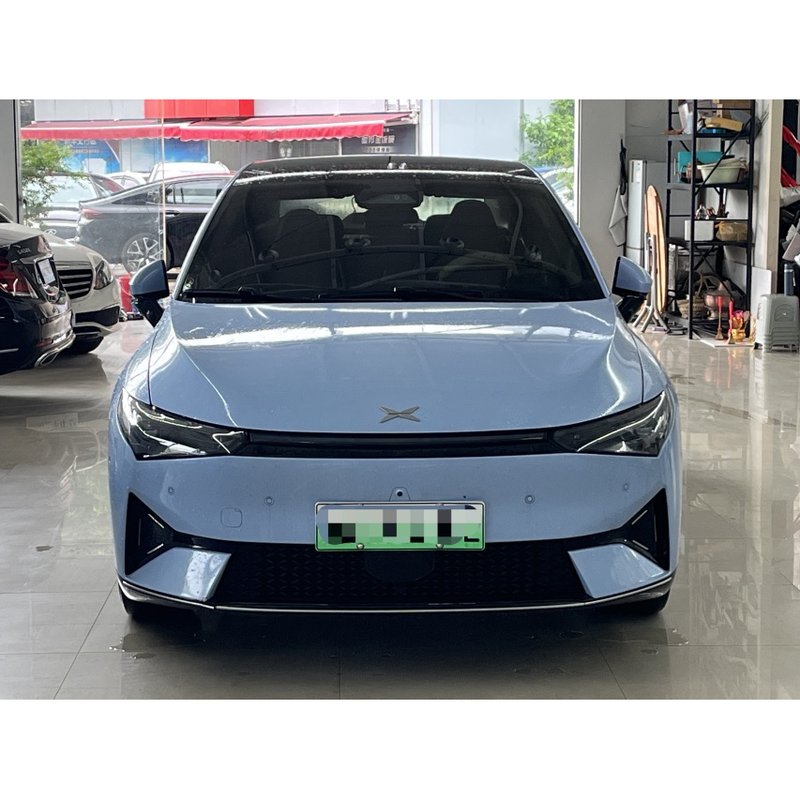
What Is a Preowned Car in the Export Market
As a quality control manager responsible for international vehicle sourcing, I define a preowned car as a vehicle that has already had one or more previous owners and is offered for resale after professional assessment, preparation, and documentation checks. The term what is a preowned car is often searched by overseas dealers because buyers need confidence that a second hand vehicle meets expected standards before it reaches another country. In the China export market, a preowned car is not simply a used vehicle collected from an auction or private seller. It must pass technical inspections, history verification, and preparation procedures designed for international trade.
Reliable dealers sourcing from China focus on vehicle condition rather than only purchase price. A suitable export vehicle should have clear ownership records, acceptable mileage, complete maintenance information where available, and no major safety concerns. Quality control teams examine each vehicle before shipment because problems discovered after arrival can create repair costs, customer complaints, and damage to dealer reputation.
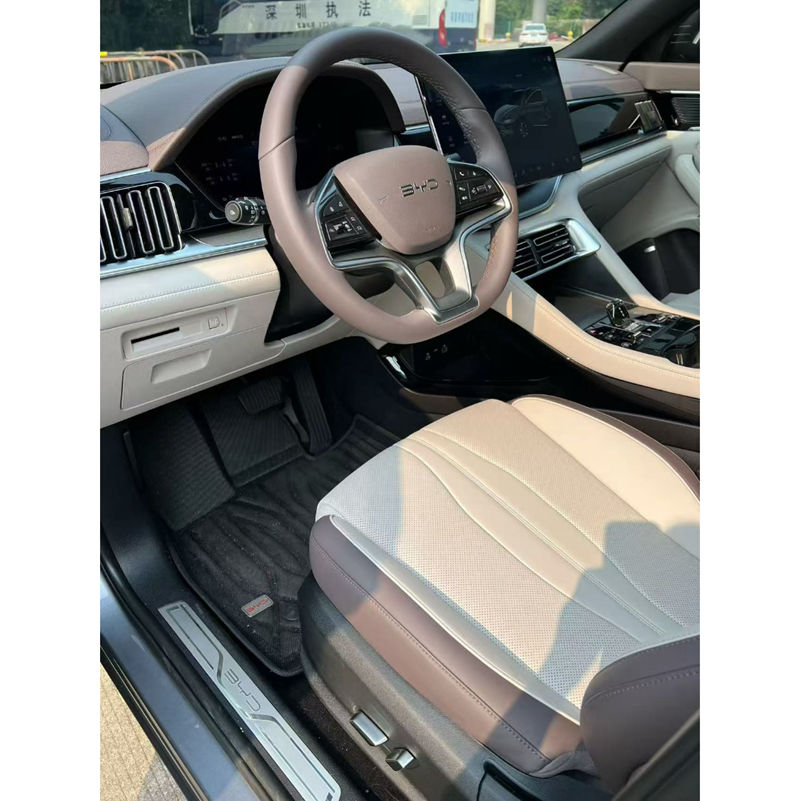
Vehicle Inspection Standards Before International Export
The inspection process begins with document verification. Engineers review registration records, identification numbers, service records, and accident information to confirm that the vehicle history matches the physical condition. The Vehicle Identification Number is checked throughout the process to prevent issues involving stolen vehicles, altered records, or inaccurate descriptions. Export buyers usually require transparent information because different markets have strict import regulations.
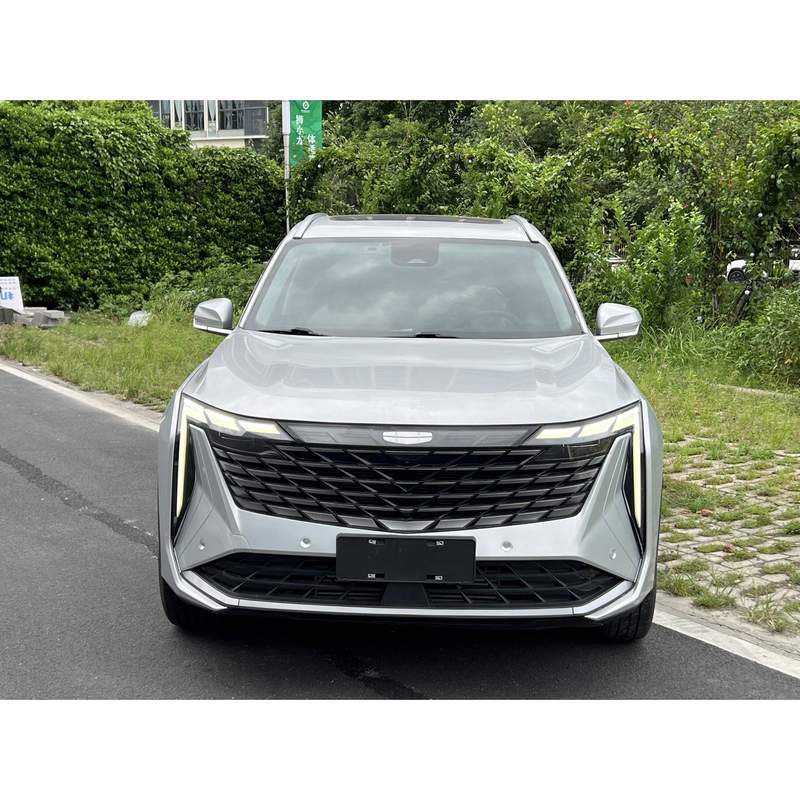
A complete physical inspection covers the engine, transmission, suspension, braking system, electrical components, tyres, interior condition, and exterior panels. Inspectors check for abnormal engine noise, fluid leakage, poor transmission response, warning lights, and signs of previous repairs. The body inspection includes paint thickness measurement, panel alignment checks, and corrosion assessment. Vehicles with structural damage from serious collisions are normally rejected because repairs may not restore original safety performance.
Quality Evaluation Criteria for Chinese Used Vehicles
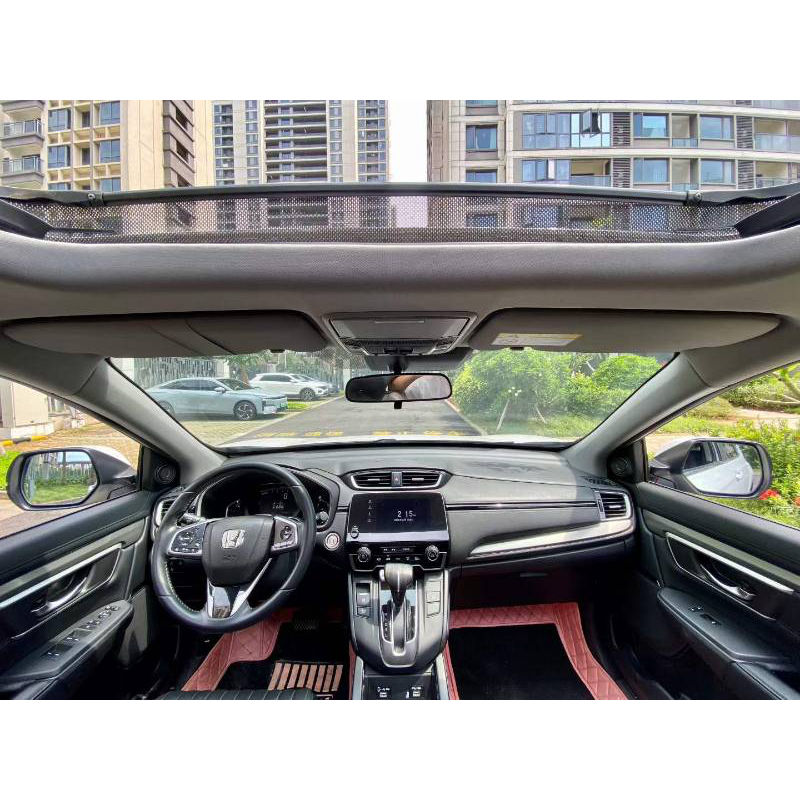
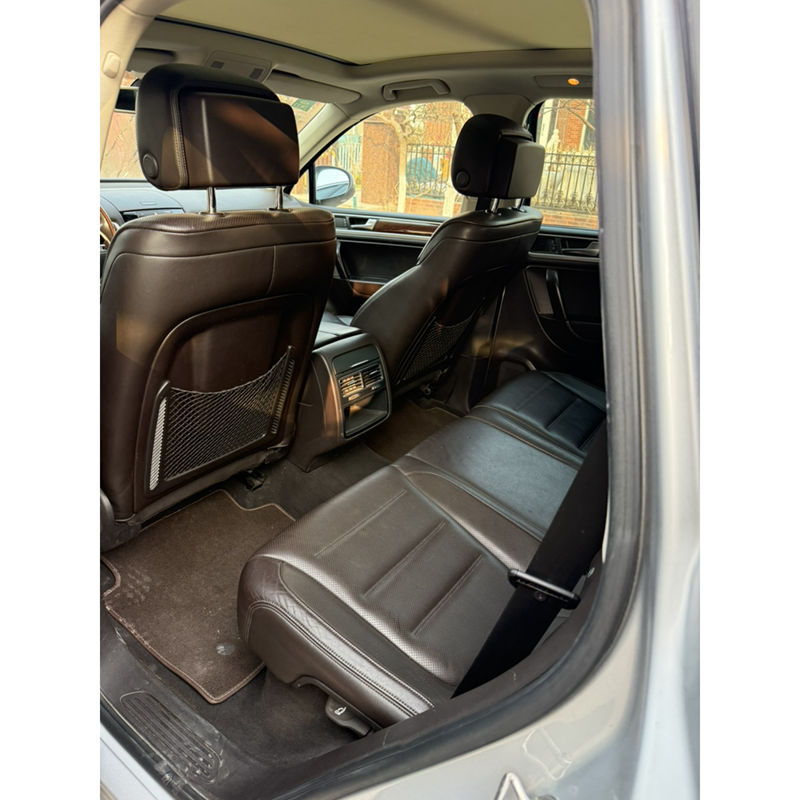
Professional appraisal teams classify vehicles according to age, mileage, mechanical condition, appearance, and market suitability. A high quality export vehicle should have stable driving performance, functional safety equipment, and acceptable wear based on its service history. Interior inspection includes checking seats, dashboard systems, air conditioning, infotainment functions, airbags, and electronic controls.
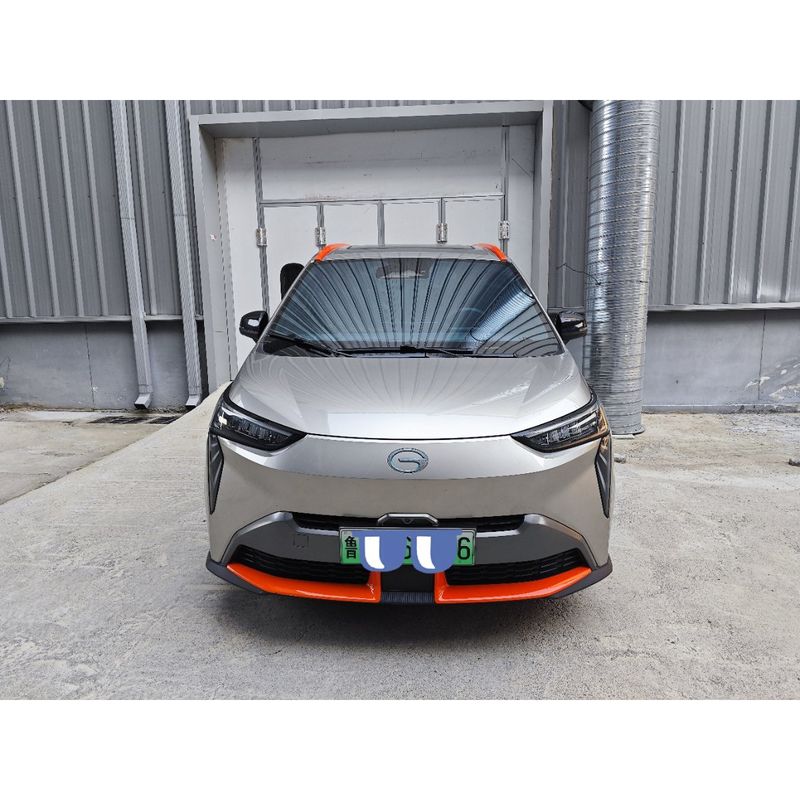
New energy vehicles require additional evaluation standards. Electric vehicle specialists inspect battery health, charging performance, battery management system data, and remaining capacity. The condition of the battery pack directly affects resale value in overseas markets. Hybrid vehicles also require checks of both combustion and electric systems to ensure reliable operation after export. A vehicle with poor battery performance or unclear battery history may be refused even if the exterior appears attractive.
Rejection Standards Used by Export Quality Teams
Quality control managers apply strict rejection standards to reduce risks for overseas partners. Vehicles with major frame damage, flood damage, fire damage, illegal modifications, serious mechanical failures, or incomplete documentation are removed from export selection. Excessive mileage combined with poor maintenance records is another common reason for rejection. Cosmetic defects alone may be acceptable if they can be repaired economically, but safety related issues require a different approach.
China based exporters also consider destination market requirements before approving vehicles. Climate conditions, road standards, spare parts availability, and customer preferences influence final selection. For example, an electric vehicle suitable for one region may require different battery specifications or charging compatibility for another market. Careful evaluation helps dealers avoid purchasing vehicles that cannot compete after arrival.
How Dealers Source Reliable Cars From China
International dealers usually work with professional exporters, inspection companies, and vehicle preparation facilities to build a reliable supply chain. The sourcing process includes vehicle selection, inspection reports, refurbishment, photography, logistics planning, customs documentation, and shipping arrangements. Experienced exporters often provide detailed condition reports with images and technical data so overseas buyers can make informed purchasing decisions without seeing every vehicle in person.
Vehicle preparation specialists complete necessary repairs, cleaning, and detailing before loading. Automotive photography teams record accurate images of the vehicle condition, while logistics coordinators manage transport from collection points to ports such as Guangzhou Nansha Port. Proper preparation reduces misunderstandings between exporters and overseas dealers and supports long term business relationships.
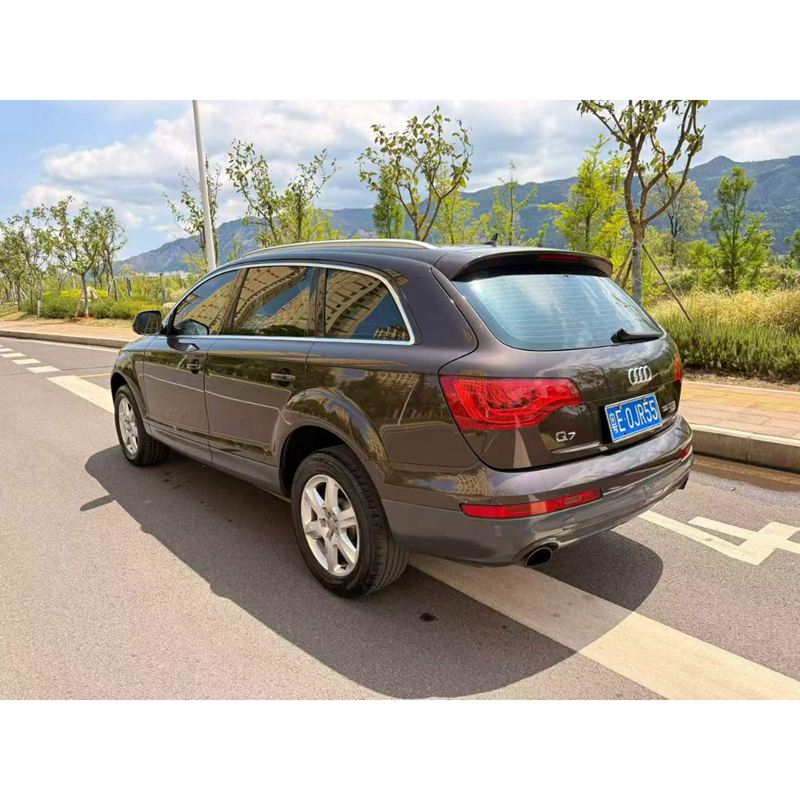
Building Trust Through Professional Vehicle Assessment
The success of used car export depends on consistent quality control at every stage. A reliable Chinese vehicle supplier must combine engineering inspections, accurate appraisals, market knowledge, and careful documentation. Dealers that purchase vehicles based only on low prices often face higher risks from repairs, delays, and customer dissatisfaction.
For international automotive businesses, professional inspection is the foundation of successful sourcing. Every exported vehicle represents the reputation of the supplier and the dealer who sells it. By applying strict evaluation methods and rejecting unsuitable units early, exporters can provide dependable preowned cars that meet the expectations of global markets.