



“content_html”: “
Preparing BMW X5 Pre Owned Cars for Export From China
Importing BMW X5 pre owned cars from China requires careful preparation before a vehicle leaves the country. Overseas dealers need more than an attractive purchase price. They need accurate condition reports, reliable mechanical performance, clear photographs and export documentation that supports customs clearance and delivery planning. Vehicle preparation specialists coordinate these tasks to ensure that each BMW X5 is assessed, cleaned, maintained and presented honestly before shipment.
The preparation process begins with checking the vehicle identification number, registration history where available, recorded mileage and existing inspection information. Specialists compare these details against the vehicle itself, confirming that identification plates, dashboard readings and supporting records are consistent. Any discrepancies, previous accident repairs or visible signs of structural damage should be recorded for further assessment. This initial review helps overseas buyers make informed purchasing decisions and reduces the risk of unexpected problems after arrival.
Mechanical Inspection and Necessary Repairs
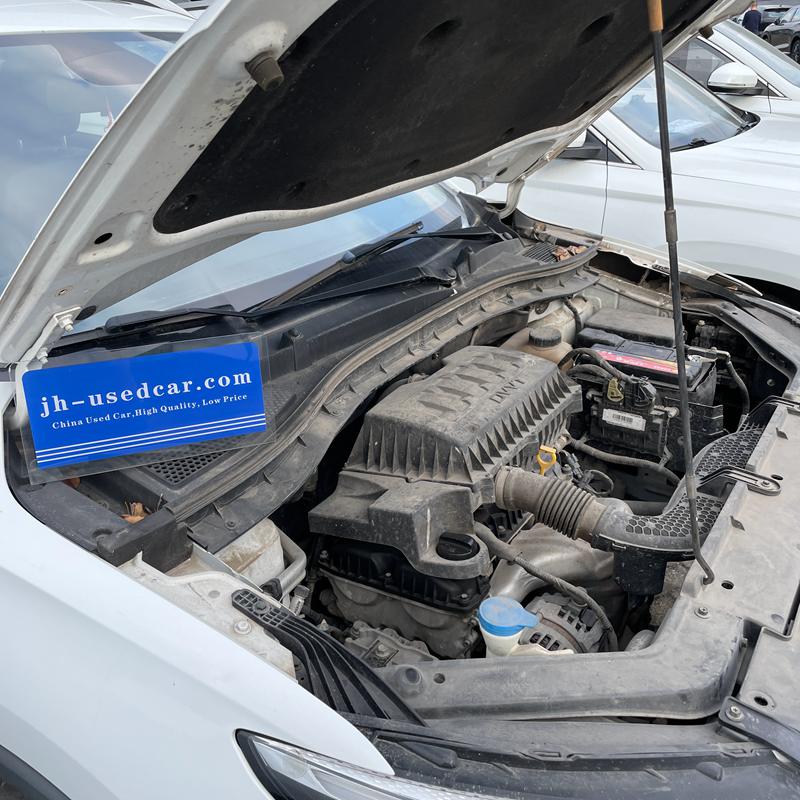
Before export, technicians inspect the BMW X5’s engine, transmission, suspension, braking system, steering, tyres and electrical equipment. The inspection also covers fluid leaks, cooling system performance, warning lights, air conditioning and the operation of exterior and interior controls. A road test may be carried out where appropriate and permitted, allowing technicians to assess acceleration, gear changes, braking response and unusual noises. Findings should be documented rather than relying on a general statement that the vehicle is in good condition.
Repairs are prioritised according to safety, mechanical condition and the agreed sales specification. Worn brake components, damaged tyres, leaking hoses and defective lights may require attention before shipment. Routine maintenance can include changing engine oil and filters, checking coolant levels and testing the battery. For BMW X5 models equipped with xDrive, technicians should also assess the relevant drivetrain components and investigate abnormal vibration or noise. Any replacement parts, completed repairs and outstanding defects must be recorded. Cosmetic imperfections should not be described as mechanical faults, and minor repairs must never be presented as proof that a vehicle is accident-free.
Cleaning, Detailing and Vehicle Presentation
Professional cleaning improves presentation and helps buyers inspect the vehicle accurately. The exterior is washed to remove road film, dust and surface contaminants, followed by careful cleaning of glass, wheels, door shuts and accessible bodywork. Paintwork is examined under suitable lighting for scratches, dents, corrosion, previous paintwork and uneven panel gaps. Light polishing may improve superficial marks, but specialists should avoid concealing defects or using cosmetic treatments that make the vehicle appear better maintained than it is.
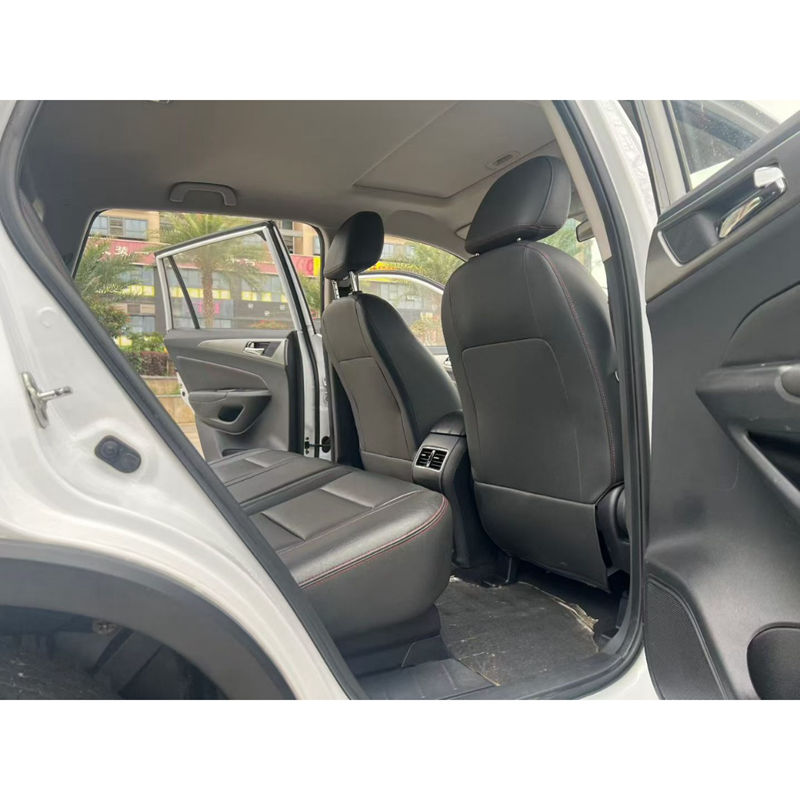
The interior receives equally careful attention. Seats, carpets, dashboard surfaces, door panels, storage compartments and luggage areas are cleaned according to their materials. Leather upholstery requires suitable products, while electronic controls and screens should be cleaned without excessive moisture. Specialists check seat adjustment, window operation, infotainment functions, parking sensors and other fitted equipment. Unpleasant odours, damaged trim, missing accessories and excessive wear should be reported. This process gives international customers a clearer picture of the BMW X5’s actual condition and helps establish realistic expectations before payment and shipping.
Photography and Condition Reporting for Overseas Buyers
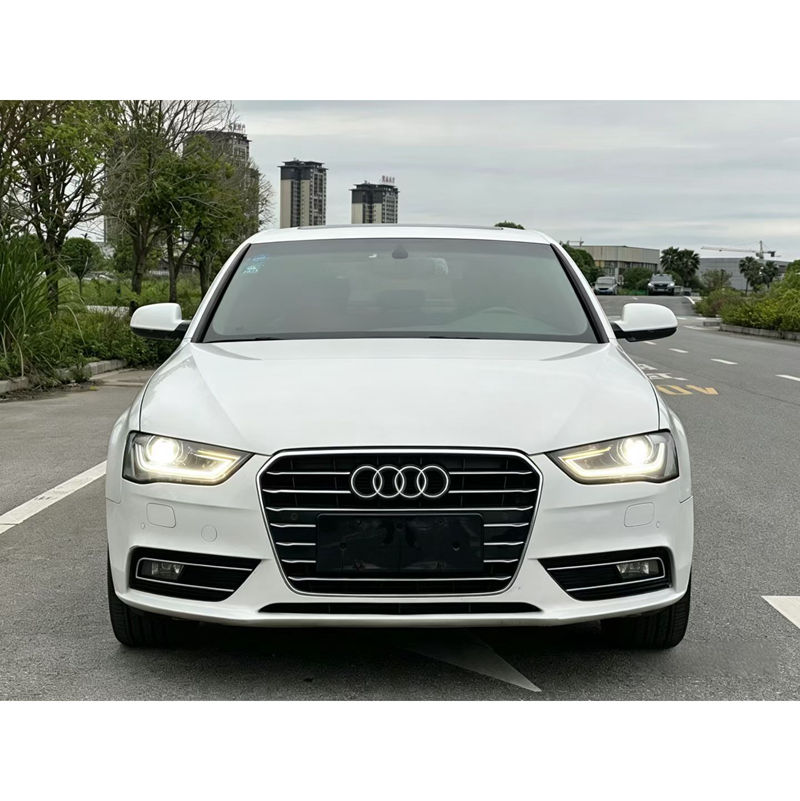
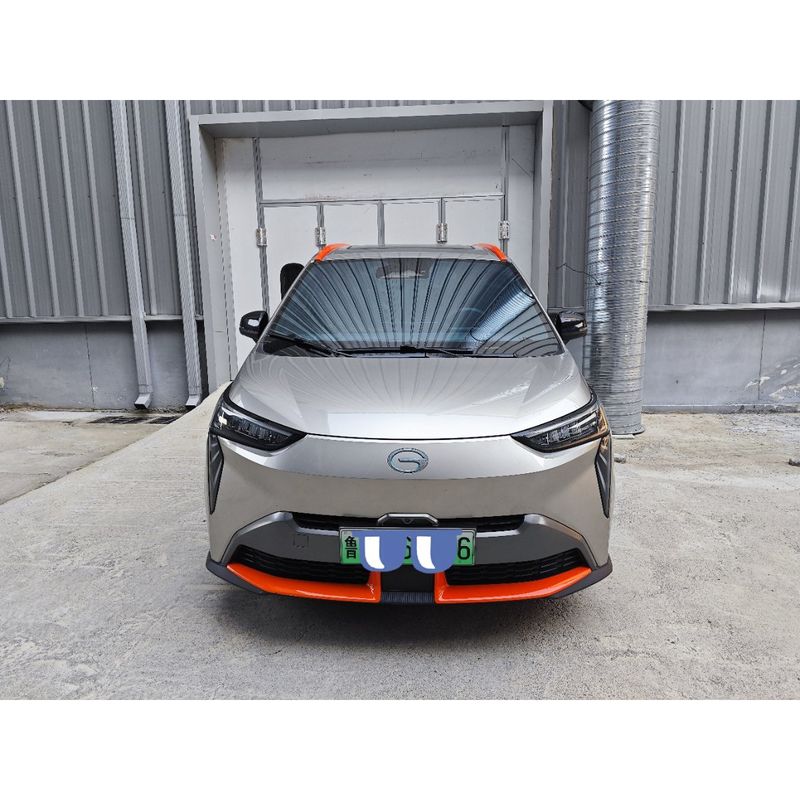
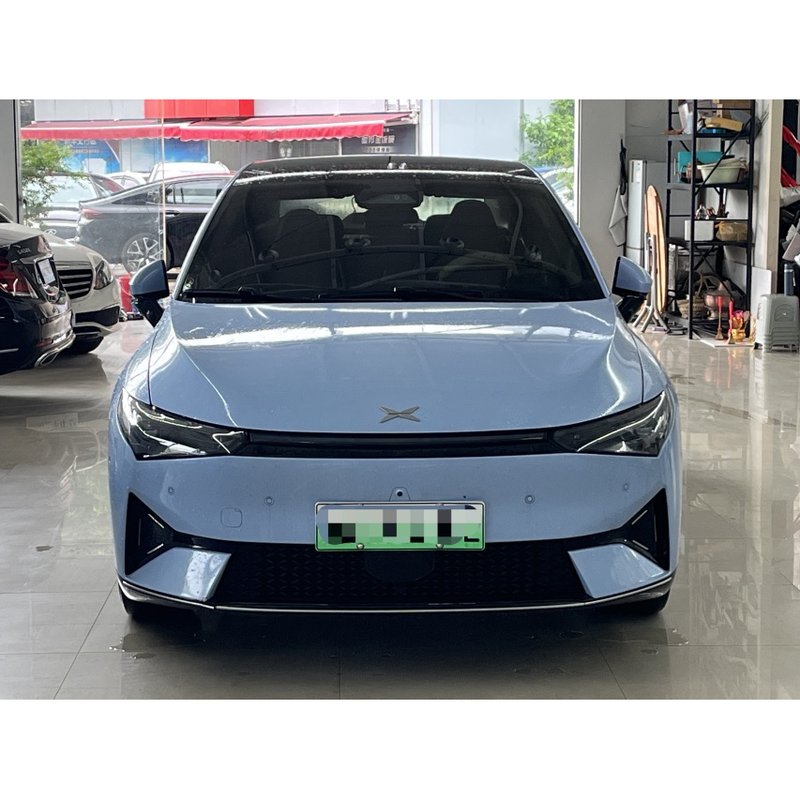
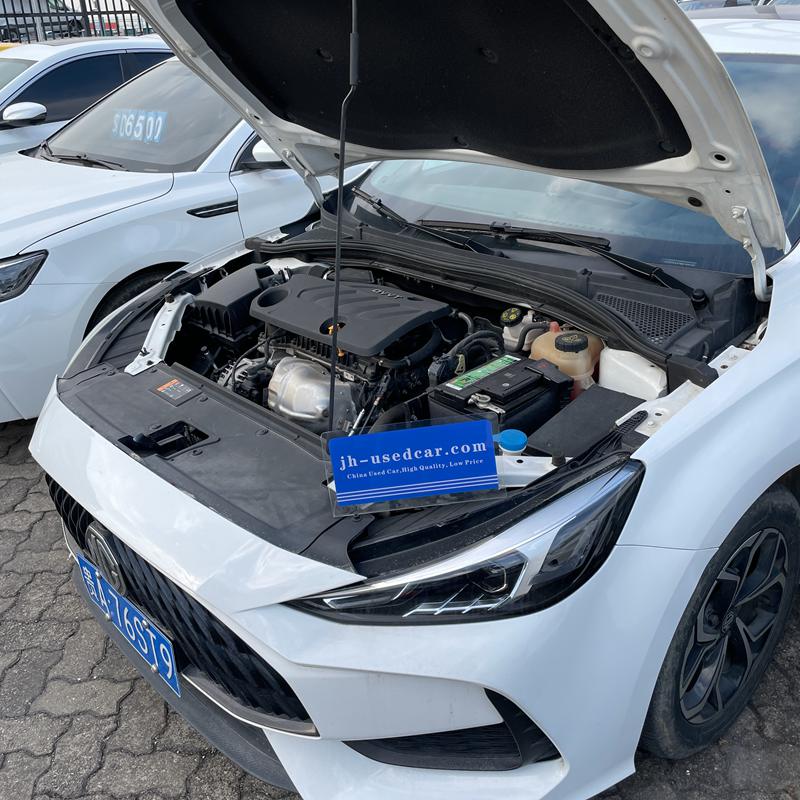
Accurate photography is essential because international customers may purchase a vehicle without inspecting it in person. The photography specialist should capture clear views of the front, rear, both sides, wheels, windscreen and roof where accessible. Interior images should show the dashboard, instrument display, front and rear seats, boot, upholstery and important equipment. The odometer reading, visible warning lights and engine compartment should also be photographed where appropriate. Consistent lighting, clean lenses and uncluttered backgrounds make it easier to assess the vehicle without distracting reflections or misleading shadows.
Photographs should support a written inspection report rather than replace it. The report should describe paint defects, tyre condition, interior wear, repair history where documented and the results of relevant mechanical checks. Any damage visible in the images should be identified clearly, with close-up photographs provided when necessary. Buyers should receive information about optional equipment, keys, service records and known defects. For dealers comparing several BMW X5 vehicles, standardised reports make stock selection easier and help reduce disagreements about vehicle condition after arrival.
Export Documentation and Customs Preparation
Once the vehicle passes the agreed preparation checks, the export team verifies the paperwork required for the transaction and destination. Documents may include the commercial invoice, sales contract, vehicle identification details, applicable export declarations and shipping documents. Registration or ownership records and other supporting certificates may also be required, depending on the vehicle’s status and the destination country’s rules. The exporter should confirm the precise requirements with the relevant authorities and shipping agent rather than assuming that one document package suits every market.
Customs compliance deserves particular attention for used vehicles. Import restrictions, vehicle age limits, emissions standards, roadworthiness requirements, duties and taxes vary between countries. Some markets impose additional conditions on right-hand-drive vehicles, damaged vehicles or cars that do not meet local technical standards. Overseas buyers should verify eligibility before the vehicle is dispatched. Accurate descriptions, consistent identification numbers and properly declared transaction values help prevent avoidable clearance delays. Where documents require translation, certification or advance approval, these steps should be completed within the relevant deadlines.
Secure Loading and Shipment Readiness
The final preparation stage covers the vehicle’s physical readiness for transport. Specialists check that loose items have been removed, personal belongings are absent and agreed accessories are accounted for. Tyre pressures, fluid leaks, battery condition and the vehicle’s ability to start and move should be checked before handover. Fuel levels must follow the carrier’s instructions, and electric or hybrid variants require handling procedures appropriate to their powertrain and battery system. Any transport restrictions or special requirements should be communicated to the logistics coordinator in advance.
At Guangzhou Nansha Port or another designated departure facility, the vehicle should be handed over with its condition report, photographs and relevant shipping instructions. Loading arrangements depend on the selected transport method, vehicle dimensions and carrier requirements. Before dispatch, the team should confirm the chassis number, shipping booking, destination details and handover record. A disciplined preparation process gives overseas dealers a more transparent purchasing experience, supports efficient customs clearance and reduces preventable disputes. For businesses sourcing BMW X5 pre owned cars from China, reliable preparation is an important part of protecting stock quality and maintaining customer confidence across international markets.
“,
“tags”: [“BMW X5 export”, “used cars China”, “vehicle preparation”, “car inspection”, “automotive logistics”]
}