


“content_html”: “
Global Demand for Second Hand Cars 10k in Chinese Vehicle Markets
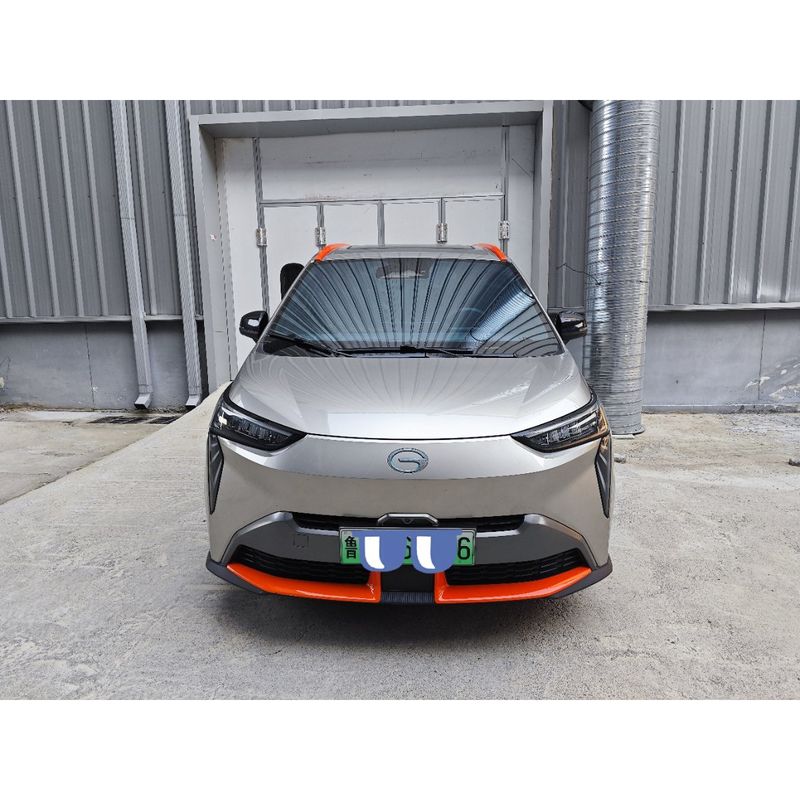
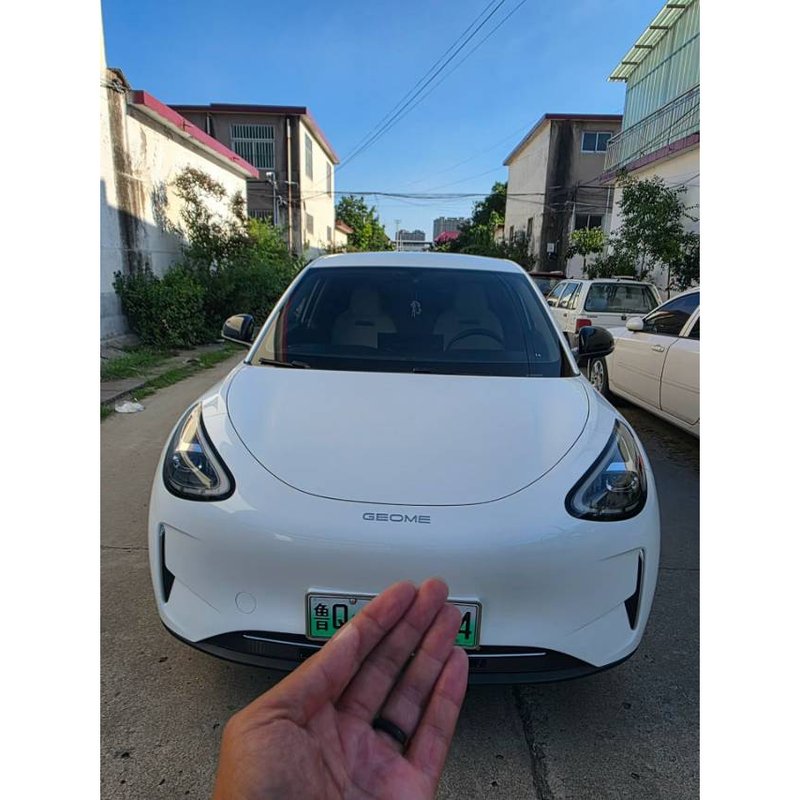
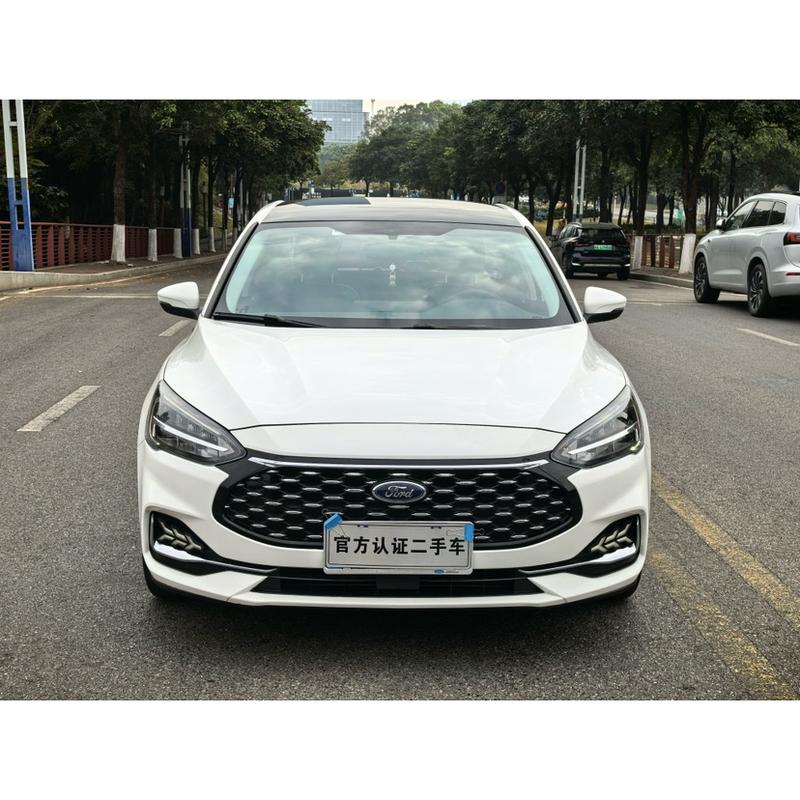
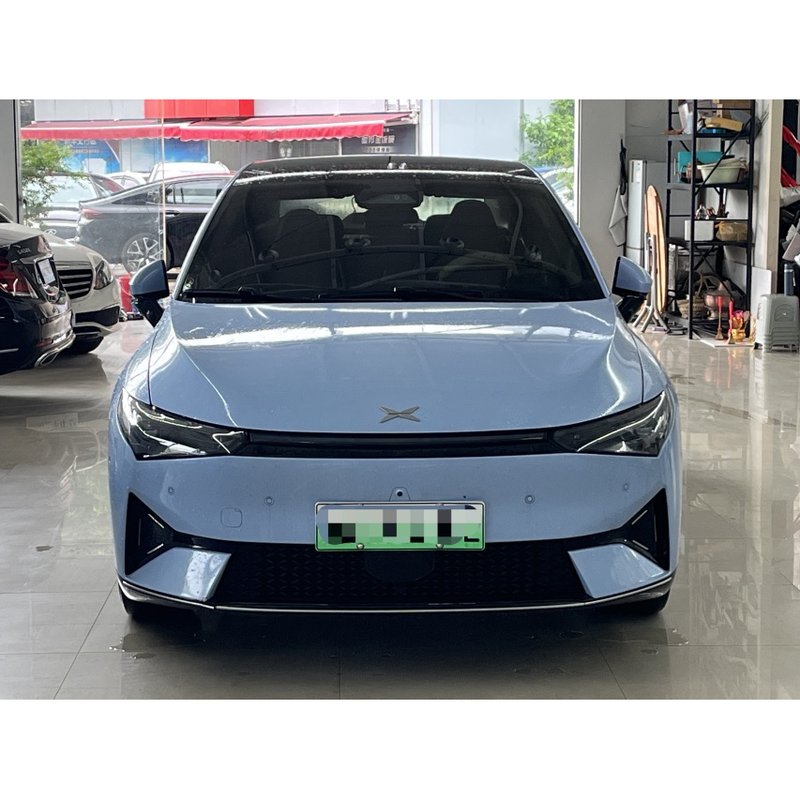
Demand for second hand cars 10k is attracting attention from international buyers seeking affordable vehicles with dependable performance and manageable running costs. Across several overseas markets, Chinese used car exporters are responding to demand for practical saloons, compact SUVs, petrol vehicles and selected new energy models. Buyers working within a budget of approximately US$10,000 often prioritise vehicle condition, fuel economy, spare parts availability and suitability for local driving conditions. However, purchasing decisions vary considerably between regions, depending on import duties, vehicle age restrictions, road conditions and consumer preferences.
As a vehicle inspection engineer for a Chinese used car export company, I see that competitive pricing alone does not secure repeat business. Overseas dealers need accurate condition reports and evidence that vehicles are suitable for their intended markets. A car priced attractively at the point of purchase may become an expensive liability if it has hidden engine damage, a deteriorating battery or an undisclosed accident history. Professional inspection before shipment from China helps reduce these risks and gives buyers a clearer basis for evaluating second hand cars 10k across different vehicle categories.
Engine Condition and Transmission Performance Before Export
Engine inspection begins with a review of service records, visible leaks, fluid levels, coolant condition and signs of previous repairs. Where practical, the engine is examined from a cold start because unusual knocking, excessive vibration, delayed starting and abnormal exhaust emissions can indicate underlying faults. Once the engine reaches its normal operating temperature, the inspector checks idle stability, acceleration response and cooling system performance. Diagnostic equipment is used to retrieve fault codes and examine available live data, including engine temperature and sensor readings. A clean dashboard does not automatically prove that the powertrain is healthy, as warning lights or fault codes may have been cleared before inspection.
Transmission testing follows the same evidence-based approach. Automatic gearboxes are assessed for delayed engagement, harsh shifts, slipping and unusual noises during acceleration and deceleration. Manual transmissions are checked for clutch wear, gear selection difficulties and abnormal mechanical sounds. Where road testing is permitted and safe, the inspector evaluates performance under different driving conditions. Any signs of oil leakage, overheating or inconsistent operation are documented. These checks are particularly important for budget-conscious overseas dealers, because substantial engine or gearbox repairs can quickly undermine the commercial value of second hand cars 10k.
Battery Health and Electric Vehicle Assessment
Battery inspection has become increasingly relevant as Chinese exporters supply more hybrid and fully electric vehicles to international markets. For conventional vehicles, the inspection includes battery voltage, charging performance, terminal condition and evidence of corrosion or physical damage. For electric vehicles, the assessment requires more detailed diagnostic checks. Where the vehicle and its battery management system support the necessary data, the inspector reviews state of health, state of charge, recorded fault codes and available cell voltage information. Charging operation, warning indicators and visible signs of damage to the battery enclosure are also examined.
Battery capacity and usable driving range must be evaluated carefully rather than inferred from the dashboard estimate alone. Displayed range depends on factors such as temperature, driving history, battery condition and accessory use. A vehicle may also have different charging connector requirements or software compatibility considerations in its destination market. Inspectors record relevant limitations and distinguish measured diagnostic information from manufacturer estimates. For second hand cars 10k that include electric or hybrid models, transparent battery reporting helps overseas dealers estimate future maintenance costs and assess whether charging infrastructure and local technical support are adequate.
Accident History, Mileage Verification and Exterior Inspection
Accident inspection focuses on structural integrity and evidence of previous repairs. Inspectors examine chassis areas, suspension mounting points, door pillars, inner wings and other accessible structural sections for deformation, welding marks or inconsistent repair work. Paint thickness measurements can identify panels that may have been repainted or filled, although readings must be interpreted alongside the vehicle’s original paint specifications and construction. Airbag warning indicators, seat belt condition and available diagnostic records are also reviewed. Where reliable history records exist, they are compared with the physical findings. An absence of documented accidents is not treated as proof that a vehicle has never been damaged.
Mileage verification involves comparing the odometer reading with service invoices, inspection records, electronic control unit data where available and signs of wear on the steering wheel, pedals, seats and interior switches. No single indicator is conclusive, particularly when replacement components or instrument repairs have been recorded. Exterior inspection then covers body panels, glass, lights, tyres, wheels, paintwork, corrosion and signs of water ingress. Inspectors photograph relevant defects and record their location and severity. These records help buyers distinguish normal cosmetic wear from damage that may affect safety, resale value or preparation costs.
Inspection Reports, Export Preparation and Overseas Market Confidence
After the technical checks, the inspection findings are compiled into a vehicle condition report supported by photographs, diagnostic results and notes on outstanding defects. Vehicles requiring attention should be identified before export preparation, allowing the seller and buyer to agree on repairs, pricing or rejection. Export readiness also involves checking vehicle identification details, registration documentation and relevant shipping requirements. For vehicles handled through Guangzhou Nansha Port, coordination between the exporter, preparation team, logistics provider and customs clearance specialist helps ensure that inspection records and vehicle documents are available when required. Applicable destination country rules must be checked separately, since eligibility depends on local import regulations.
For international dealers targeting second hand cars 10k, reliable inspection creates commercial value beyond the initial purchase price. A detailed report supports more accurate stock selection, realistic retail pricing and clearer communication with end customers. It also helps identify vehicles that may be unsuitable because of repair costs, battery degradation or local compliance requirements. Chinese used car exporters that combine technical assessment with transparent documentation can build stronger relationships across global markets. The objective is not to describe every vehicle as excellent, but to establish its actual condition, disclose material risks and provide overseas buyers with the information needed to make informed purchasing decisions.
“,
“tags”: [
“second hand cars”,
“Chinese car exports”,
“vehicle inspection”,
“electric vehicle battery”,
“global used car market”
]
}


